
Imagine a single dish so central to a nation’s identity that over 80% of Colombian families include it in their most important holiday meals. This isn’t just food; it’s a cherished tradition.
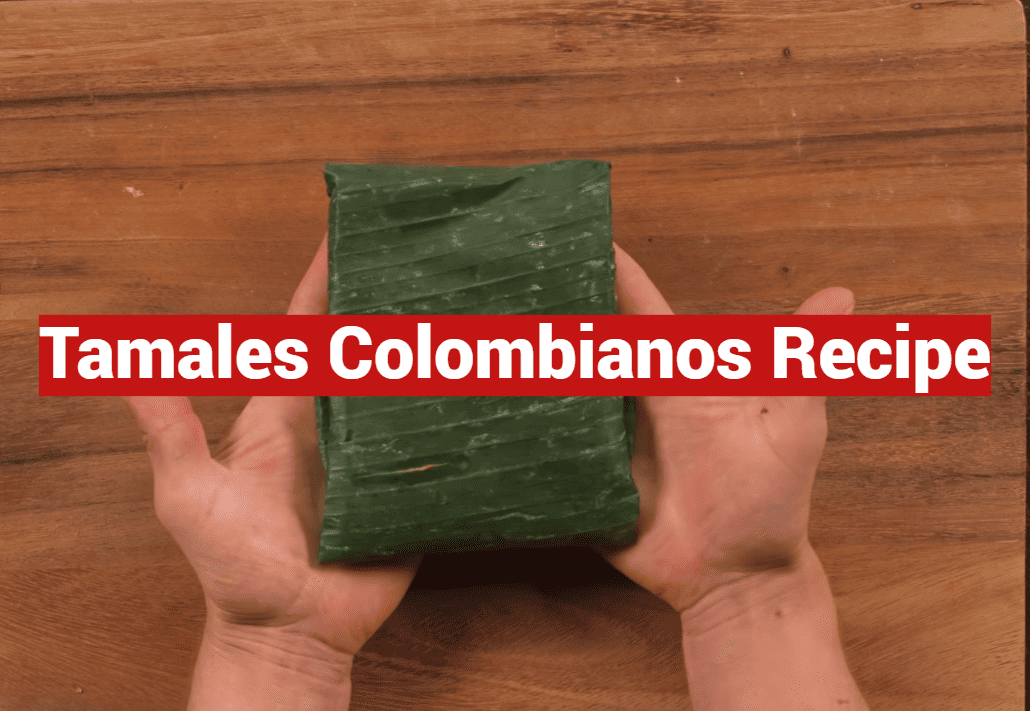
We’re talking about the iconic tamales, a cornerstone of Colombian culinary heritage. These are not just simple packets of food. They are bundles of joy, meticulously wrapped in large, aromatic banana leaves.
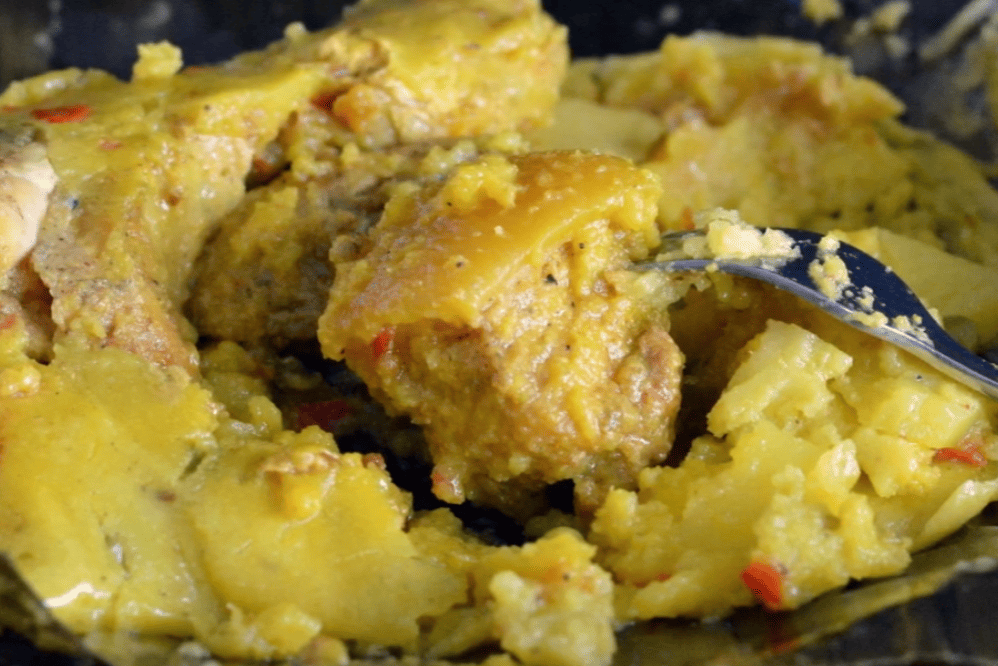
Inside, you’ll find a comforting mixture of corn-based dough enveloping rich, savory stews filled with meat and vegetables. Each bite is an exploration of flavor, a testament to generations of family love and generosity.
This guide will walk you through creating this authentic experience in your own kitchen. While the process is a labor of love, the result is a deeply rewarding and shareable feast, perfect for bringing people together.
Key Takeaways
- Colombian tamales are a traditional dish deeply tied to family celebrations and holidays.
- They are distinctively wrapped in banana leaves, which impart a unique aroma.
- The core components are a corn dough and a hearty filling of meat and vegetables.
- Preparing them is a meaningful process, ideal for sharing with loved ones.
- This dish is a delicious representation of Colombia’s rich culinary culture.
Discovering the Heritage of Tamales Colombianos
Centuries before modern kitchens existed, indigenous communities across Colombia were perfecting a culinary tradition that would become a national treasure. This beloved dish represents a beautiful fusion of ancient techniques and cultural evolution.
History and Cultural Significance
The origins of tamales trace back to pre-Columbian times when indigenous peoples relied on corn as a sacred staple crop. They developed the ingenious method of wrapping food in large banana leaves for steaming.
When Spanish colonizers arrived, they introduced new ingredients like pork and European seasonings. This cultural exchange transformed simple indigenous preparations into the elaborate versions we enjoy today.
Making these parcels has evolved into a cherished family ritual. Multiple generations often work together throughout the day, creating bonds as strong as the flavors they craft.
Regional Variations and Traditional Techniques
Each Colombian region developed its own distinctive take on this classic. From the generous Tolimense to the meat-rich Bogotano variety, local ingredients and preferences shape each version.
Traditional techniques involve perfecting the corn dough consistency and marinating meat overnight. The art of folding banana leaves securely is a skill passed down through families.
During December holidays, families gather to prepare dozens of these parcels. The communal cooking process highlights the celebratory spirit embedded in Colombian culture.
Key Ingredients and Essential Preparations
Before the assembly process begins, proper preparation of each element ensures authentic taste and texture. Quality ingredients and careful technique make all the difference in creating these beloved parcels.
Selecting Quality Ingredients and Flavors
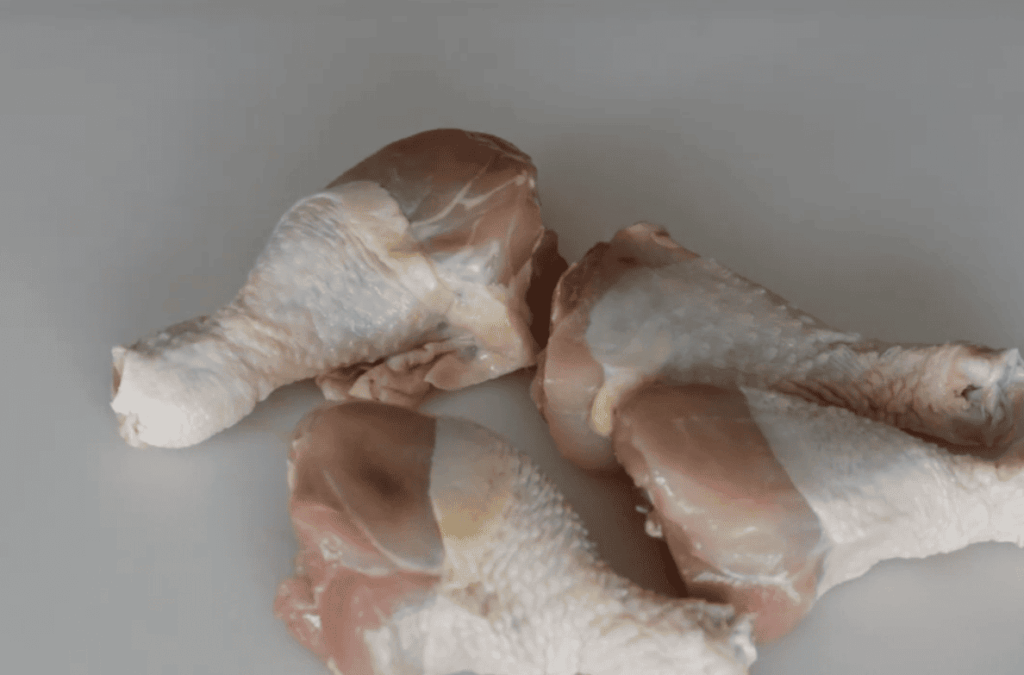
Start with yellow cornmeal or masa harina as your foundation. This creates the tender base that holds everything together. Choose quality chicken thighs and pork belly for rich, savory flavors.
The aromatic marinade blends red and green bell pepper, onion, garlic, and spices. This mixture infuses the meats with authentic flavor when marinated overnight.
| Ingredient | Preparation Method | Key Purpose |
|---|---|---|
| Yellow Cornmeal | Mix with warm chicken broth | Forms pliable dough base |
| Chicken & Pork | Marinate 12+ hours | Deep flavor penetration |
| Banana Leaves | Defrost, wash, heat gently | Creates pliable wrapping |
| Vegetables | Thin slice carrots, peel potatoes | Adds texture and nutrition |
Preparing the Dough, Filling, and Wrapping
Create the corn dough by gradually mixing masa harina with warm chicken broth. Add annatto powder for golden color and oil for smooth consistency.
Knead the dough vigorously until smooth and pliable. This ensures it spreads easily but holds the filling firmly. Prepare vegetable components like thinly sliced carrots and small potatoes.
Properly prepare banana leaves by defrosting, washing, and gently heating. This makes them flexible for wrapping without tearing. The marinated meats should rest overnight for maximum flavor development.
Tamales Colombianos Recipe: Step-by-Step Guide
With your components ready, the art of wrapping begins, transforming separate elements into complete parcels. This hands-on process connects you to generations of cooks who have perfected this technique.
Assembling the Tamales with Banana Leaves
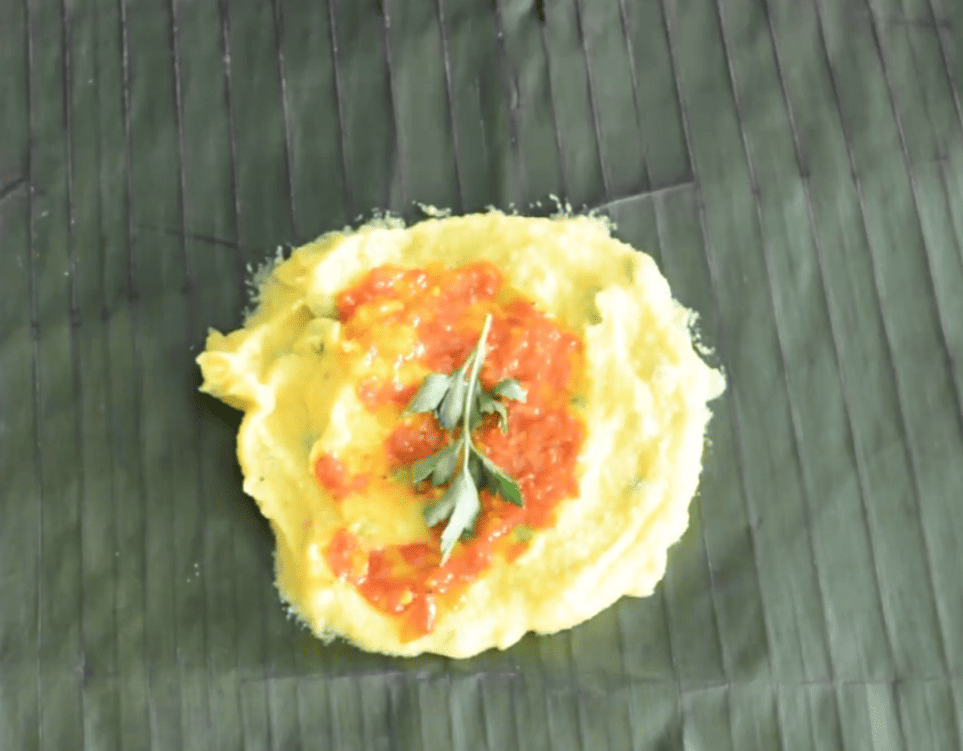
Lay your prepared banana leaves on the work surface with the smooth, lighter green side facing up. Spread approximately half a cup of masa dough in the center, leaving generous borders on all sides.
Layer your marinated chicken and pork pieces atop the dough. Add vegetable filling including potato chunks, carrot slices, and a spoonful of cooked rice for authentic texture.
Use your hands to bring the long sides of the leaf together, folding them over the filling. Then tuck the ends underneath to create a secure packet. If a leaf tears, simply wrap the entire tamal in a second leaf.
Steaming and Finishing Touches
Place a rack or inverted plate in the bottom of your large pot. Arrange the wrapped parcels on the rack, ensuring they don’t touch the water below.
Pour in enough water to reach just below the rack. Cover the pot and steam over medium heat for about two hours, checking occasionally to maintain water levels.
Carefully remove the hot packages using tongs. Allow them to cool slightly before unwrapping—this lets the filling set properly for perfect serving.
Pro Tips and Pairing Suggestions for a Perfect Meal
Mastering the final details transforms your homemade parcels from good to extraordinary. These expert suggestions will help you achieve authentic flavor and presentation.
Expert Cooking Tips and Variations
If your banana leaves feel stiff, gently heat them in a pan for a few seconds. This makes them flexible and prevents tearing. Keep your hands slightly wet when working with the corn dough to prevent sticking.
Make these in large batches since the process takes time. They freeze beautifully for later enjoyment. Simply steam frozen parcels for 20-30 minutes when ready to serve.
Traditional meat versions need about two hours of steaming. Fish alternatives using cod or tilapia cook faster—only 35 minutes. For a lighter option, try the Tamal Guajiro with shredded chicken, vegetables, raisins, and capers.
Adjust seasonings to your taste. Add more garlic cloves or pepper for bolder flavor. Reduce salt if you prefer milder tastes while maintaining authenticity.
Serve your creation with traditional accompaniments. A cup of hot chocolate or coffee creates perfect harmony. Add ají sauce or hogao on top for extra Colombian flair.
For festive presentation, serve directly on the banana leaf. Pair with a fresh salad for a complete meal. Maintain consistent heat during cooking and check water levels every 30 minutes.
Conclusion
Congratulations on mastering the art of traditional Colombian tamale preparation! You’ve created a deeply satisfying dish that brings people together. The hours of work yield incredible rewards when you share these flavorful parcels.
Remember that quality ingredients make all the difference. Your careful selection of chicken, pork, fresh vegetables like carrots, and proper seasonings including garlic, onion, and pepper creates authentic taste. The technique of spreading masa dough on banana leaves becomes easier with practice.
This recipe connects you to generations of Colombian cooks. Share your tamales with loved ones and continue exploring this vibrant cuisine. Each piece steamed in your pot carries centuries of tradition.