
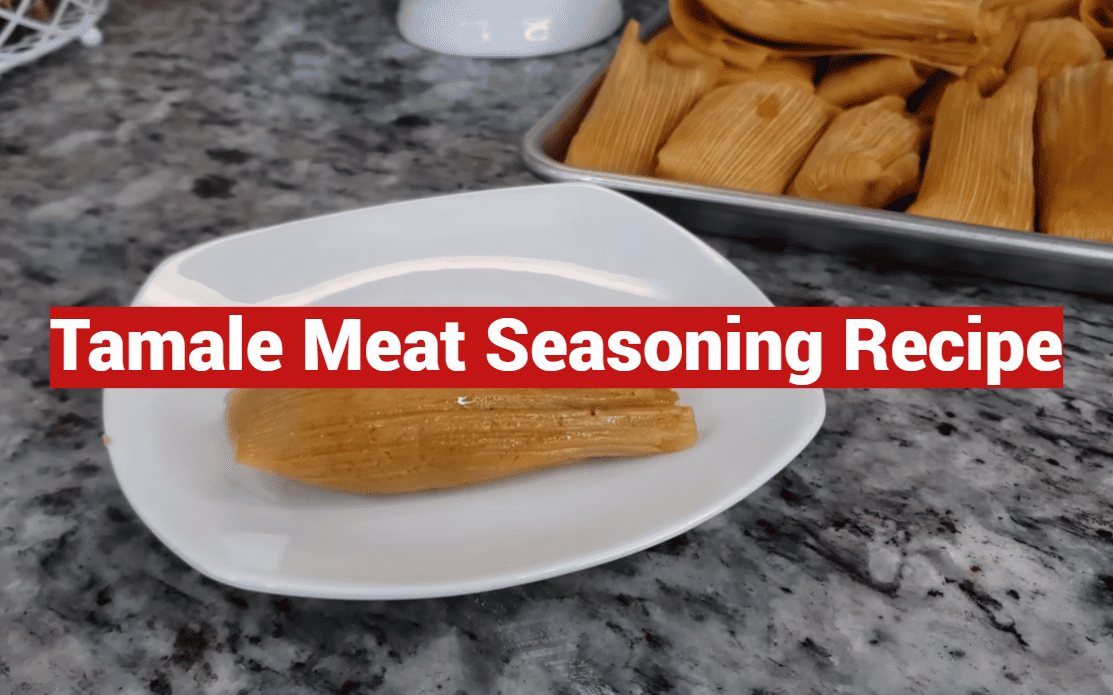
Imagine a dish so beloved that over 144 million are prepared in American homes just for the Christmas holidays. This incredible number highlights a deep appreciation for authentic, handcrafted Mexican food.
Welcome to your complete guide for bringing the rich, traditional flavors of Mexico right into your kitchen. This guide is perfect for both beginners and experienced cooks looking to master a beloved dish.
We will walk you through every step of preparing an authentic creation. You’ll learn about selecting the right ingredients and achieving that perfect balance of spices. The result is something incredibly flavorful and memorable.
While the process requires a time investment, the steps themselves are not difficult. The final product is absolutely worth the effort. You can create enough to share with a large group.
This is more than just a meal; it’s a culinary tradition that brings people together. It’s perfect for holiday gatherings, celebrations, or any time you want to create something special.
Whether you’re planning for a specific festival or simply craving genuine flavors, this guide gives you the knowledge and confidence you need. Get ready to learn professional techniques and insider tips.
Key Takeaways
- This guide simplifies the process of making an authentic Mexican favorite.
- Perfect for cooks of all skill levels, from beginners to experts.
- The preparation requires time but is straightforward and rewarding.
- Ideal for large gatherings and special occasions.
- You’ll learn professional tips for achieving restaurant-quality results at home.
- The final dish is a cherished tradition that brings people together.
Overview of Authentic Mexican Tamales
The story of these iconic corn-based creations spans millennia, connecting modern kitchens with ancient civilizations. These authentic Mexican treasures represent a living culinary heritage.
History and Tradition of Tamales
Tamales hold sacred status in Mexican culture. Ancient Mesoamerican civilizations developed them as portable, nutritious packages. They served as both daily sustenance and ceremonial food.
Today, these traditions continue vibrantly. Families gather during winter holidays to prepare large batches together. The process becomes a joyful community activity filled with storytelling.
Special occasions like Dia de Los Muertos and Christmas feature these creations prominently. There’s even a charming Kings’ Day tradition involving a hidden figurine. The finder prepares treats for February’s Candelaria celebration.
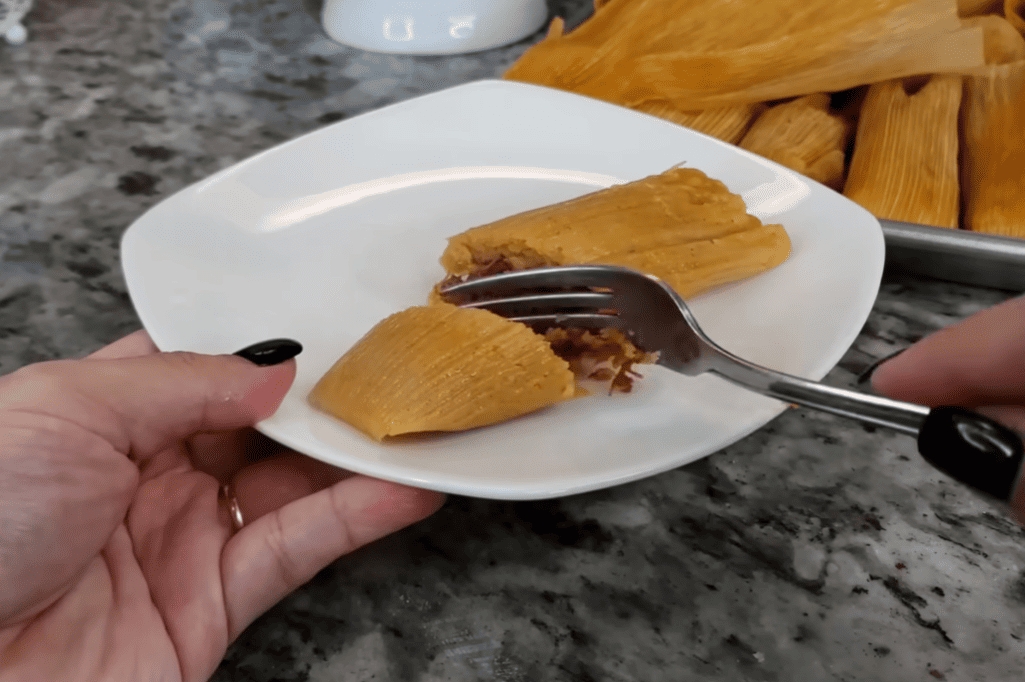
What Makes Traditional Flavors Special
True authentic Mexican preparation emphasizes quality ingredients and proper technique. The magic lies in the careful balance of components.
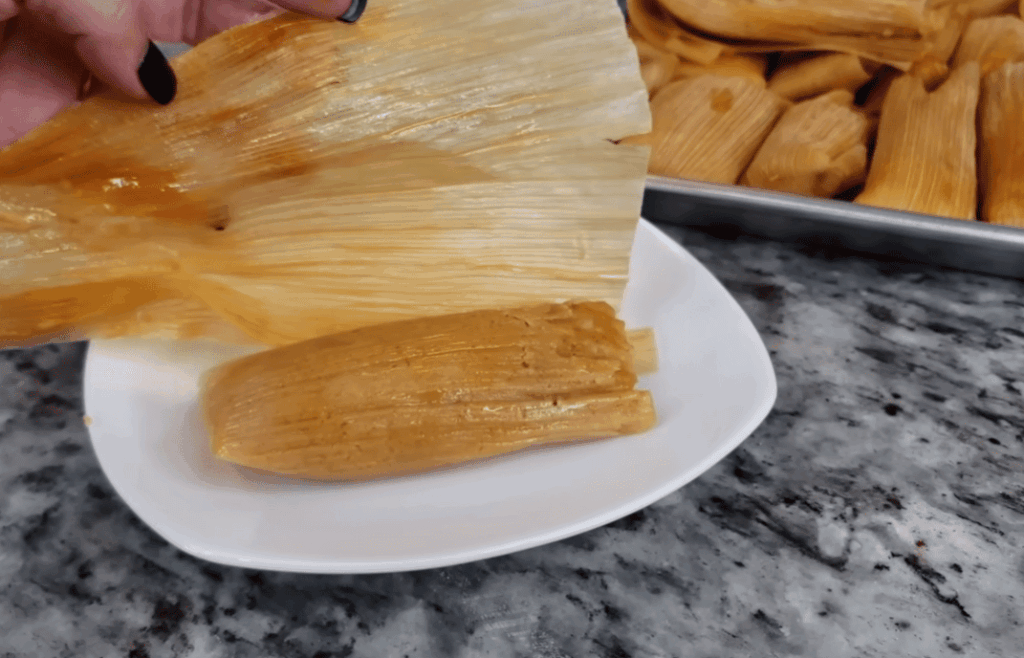
Each element contributes to the final experience. The corn husks impart subtle flavors during steaming. Taking time with each step ensures exceptional results.
These cherished mexican recipes pass through generations. Families add personal touches while maintaining core techniques. This creates beloved comfort food enjoyed throughout Mexico and beyond.
Essential Ingredients for Authentic Tamale Preparation
Your ingredient selection lays the foundation for an authentic culinary experience that honors tradition. Quality components make all the difference in achieving that signature flavor and texture.
Having everything measured and ready before starting ensures a smooth cooking process. This preparation allows you to focus on technique rather than scrambling for missing items.
Key Meat and Broth Components
The protein foundation calls for both a 6-8 pound pork roast and a 5-pound whole chicken. This combination creates diverse, flavorful filling options that please everyone.
Don’t discard the cooking liquid from your proteins. You’ll need 4 quarts of this reserved broth for moist, flavorful masa preparation.
Selecting Masa and Corn Husks
Using the right masa is crucial for authentic texture. Look for 4 pounds of corn masa flour—MaSeCa brand delivers consistent, reliable results.
Leaf lard makes a tremendous difference in both flavor and texture. Find it at farmers’ markets from pork producers for the best quality.
You’ll need one 5-ounce bag of dried corn husks. These provide enough wrappers for your entire batch with extras for tying or patching.
| Ingredient | Quantity | Purpose | Key Feature |
|---|---|---|---|
| Pork Roast | 6-8 lbs | Main protein filling | Rich, flavorful base |
| Whole Chicken | 5 lbs | Secondary protein option | Lighter alternative |
| Corn Masa Flour | 4 lbs | Dough foundation | Authentic texture |
| Leaf Lard | As needed | Dough enrichment | Superior flavor |
| Corn Husks | 5 oz bag | Wrapping material | Traditional preparation |
Expert Tips for a Perfect Tamale Meat Seasoning Recipe
Professional tamale makers know that perfect seasoning requires more than just adding spices. It’s about creating harmony between ingredients. The right techniques make all the difference.
Using the Right Spices
Fresh spice blends can save time without sacrificing quality. Instead of roasting dried peppers, try a homemade enchilada blend. This approach delivers authentic Mexican flavor efficiently.
Gently warm your oil with seasonings on the stove. Don’t cook the mixture—just heat it enough to release the aromas. This blooming process enhances the final taste.
Mix the warmed seasoning thoroughly with your shredded protein. Use your hands and spend about 10 minutes blending. This ensures every strand gets evenly coated.
Balancing Fat and Broth for Ultimate Flavor
Leaf lard creates superior texture in the masa dough. It offers better flavor than regular shortening. Find it at farmers’ markets for best quality.
Use your cooking liquid in two ways. Add some to the filling for moisture. Incorporate the rest into the dough for tender results.
Always skim excess fat from the broth before using. This removes grease while keeping the rich flavor. Patience during seasoning pays off dramatically.
Let the seasoned mixture rest overnight if possible. This allows flavors to meld beautifully. Your final dish will taste significantly better.
Step-by-Step Preparation of Meat and Broth
The foundation of exceptional flavor begins with properly prepared proteins and their cooking liquids. This stage transforms simple ingredients into tender, flavorful components that will make your final dish shine.
Cooking Pork and Chicken to Tender Perfection
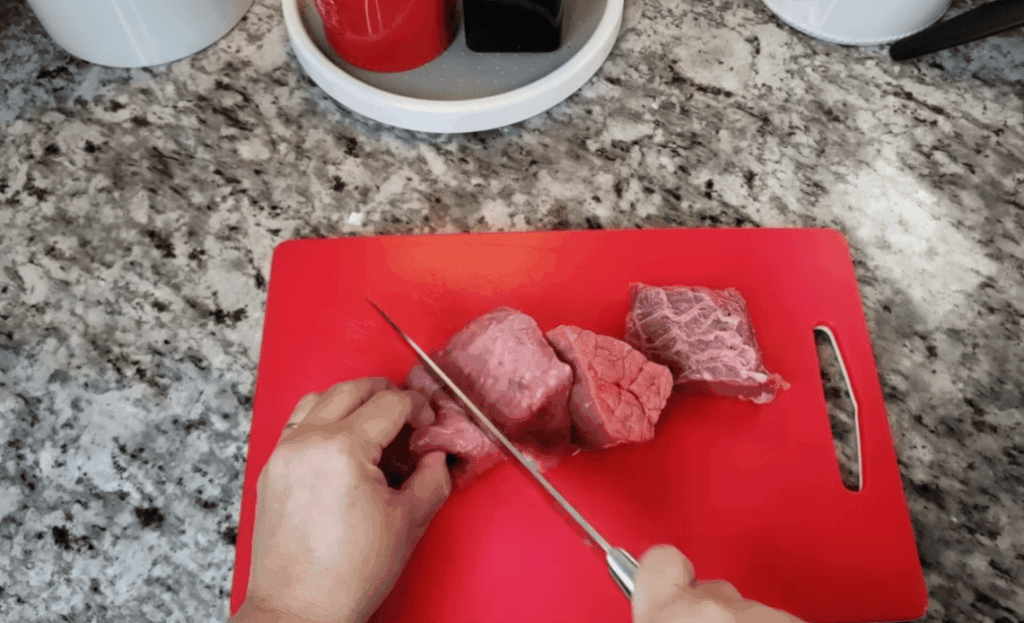
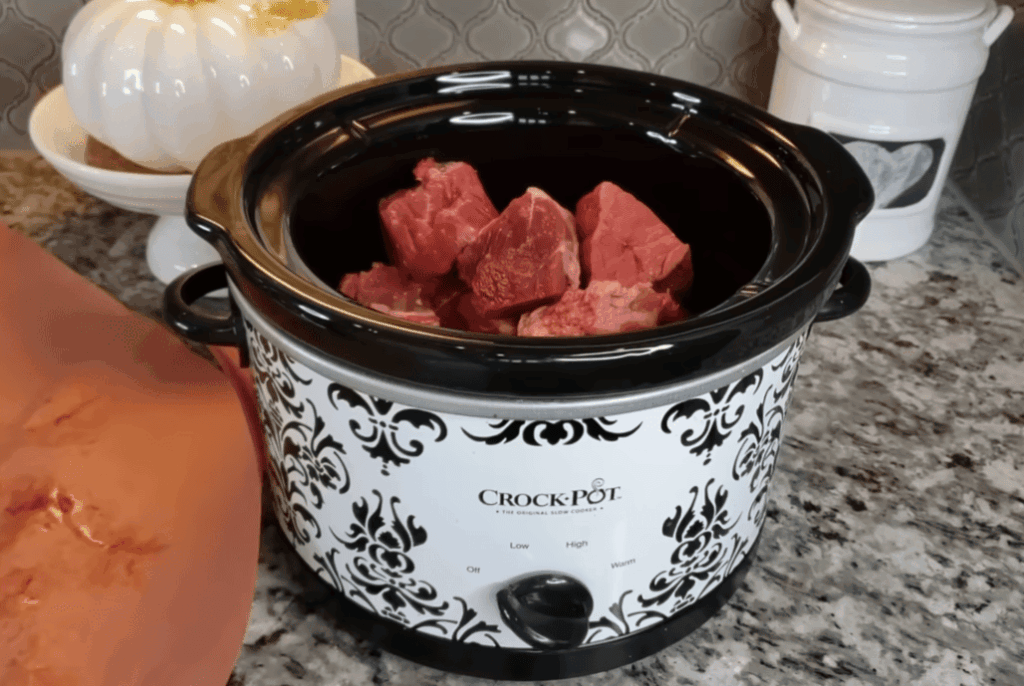
Start by cutting your pork roast into fist-sized chunks. Place these in a large pot and cover completely with water. Bring everything to a steady boil.
The pork needs to cook for approximately 2.5 to 3 hours. You’ll know it’s ready when the chunks become incredibly tender. They should practically fall apart when touched with a fork.
For your chicken, place the whole bird in another large pot. Cover it with water and boil for about 2 hours. The meat is done when it easily pulls away from the bones.
Simplifying the Broth Salvage Process
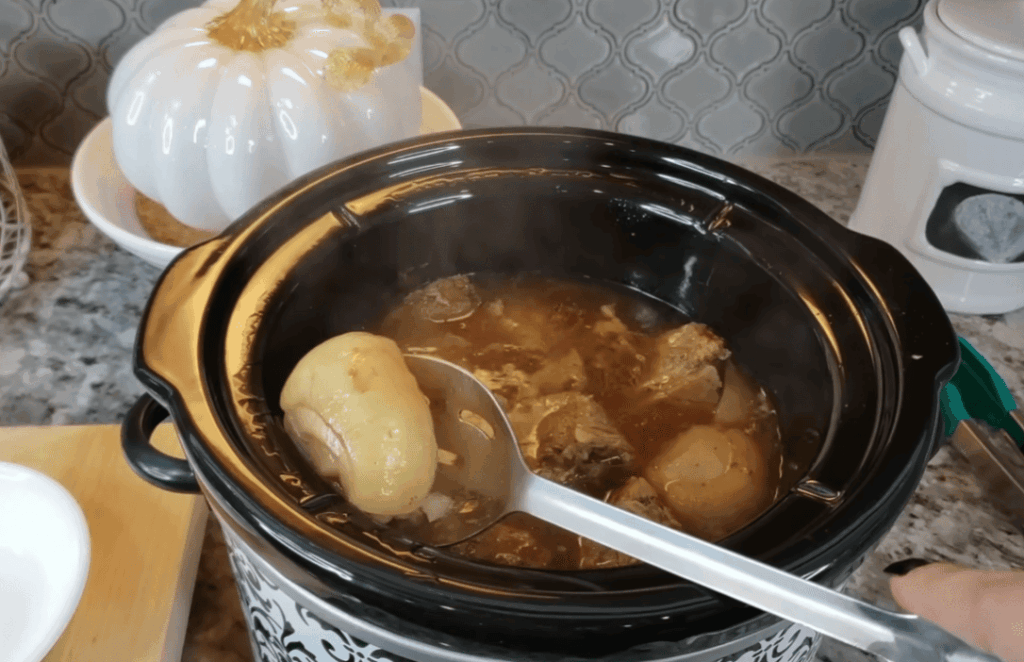
Here’s a crucial step many beginners forget: save every drop of that flavorful cooking liquid. This rich broth becomes essential for your masa dough later. It’s packed with irreplaceable meaty flavor.
After removing your tender pork from the pot, let the chunks cool for 20-30 minutes. Once comfortable to handle, shred the meat with your fingers. Carefully remove and discard any large fat chunks as you work.
For deeper flavor, try the long-cooking method. Place your pork in a dutch oven with water, onion, and spices. Cook on low heat for 3-8 hours—longer cooking creates more tender results.
If you’re short on time, an Instant Pot works wonderfully. Cook your pork with seasonings for just 2 hours under pressure. This faster approach still delivers perfectly shreddable meat.
Always strain and refrigerate both broths separately if not using immediately. Chilled liquid makes it easier to skim off solidified fat before using.
Mixing Spices and Fats for Rich Flavor
Professional chefs have a secret weapon for distributing flavors evenly throughout their dishes. This technique transforms simple ingredients into something extraordinary. The process involves gently warming spices in oil before combining them with your main components.
Warming and Blending Seasonings
Begin by combining 1/2 cup corn oil with your dry ingredients in a small pan. Use 6 tablespoons of quality chili powder, 3 tablespoons garlic powder, and 3 tablespoons ground cumin. Add 1 tablespoon black pepper and 2 tablespoons salt to complete the mixture.
The key is warming, not cooking. Heat the oil and spice mixture gently until warm to the touch. This blooming process releases incredible aromas. The warmed oil carries flavors more effectively throughout your ingredients.
Pour the seasoned oil over your cooled, shredded protein. Use your hands to mix thoroughly for about 10 minutes. This ensures every strand gets evenly coated with the flavorful mixture.
| Spice Blend Component | Homemade Version | Store-Bought Alternative | Flavor Impact |
|---|---|---|---|
| Chili Base | 6 tbsp chili powder | Pre-mixed seasoning packet | Authentic, customizable heat |
| Aromatic Spices | 3 tbsp garlic powder, 3 tbsp cumin | Generic “Mexican spice” blend | Deeper, fresher aroma |
| Salt Content | 2 tbsp salt (adjustable) | Fixed sodium level | Better control over seasoning |
| Specialty Ingredients | Customizable additions | Standardized formula | Unique personal touch |
For an enhanced flavor profile, consider making your own enchilada spice blend. Combine 1/4 teaspoon cinnamon with 1 teaspoon ground cumin and 1 teaspoon Mexican oregano. Add 1/2 teaspoon salt, 1 tablespoon sweet paprika, and 1 tablespoon smoked chili peppers.
This homemade blend becomes even more complex with 1 teaspoon cocoa powder for depth. Include 1/2 teaspoon ground annatto powder for color. Finish with 1/2 teaspoon each of onion and garlic powder.
Store your custom blend in a sealed glass container for up to 6 months. This versatile mixture works wonderfully in many Mexican-inspired dishes beyond your current project.
Preparing the Masa Dough for Authentic Tamales
Creating the perfect masa dough transforms simple ingredients into the heart of authentic preparation. This stage determines whether your final creation will be light and tender or dense and heavy.
The texture you achieve here makes all the difference in the eating experience. Proper technique ensures your dough spreads easily and steams to perfection.
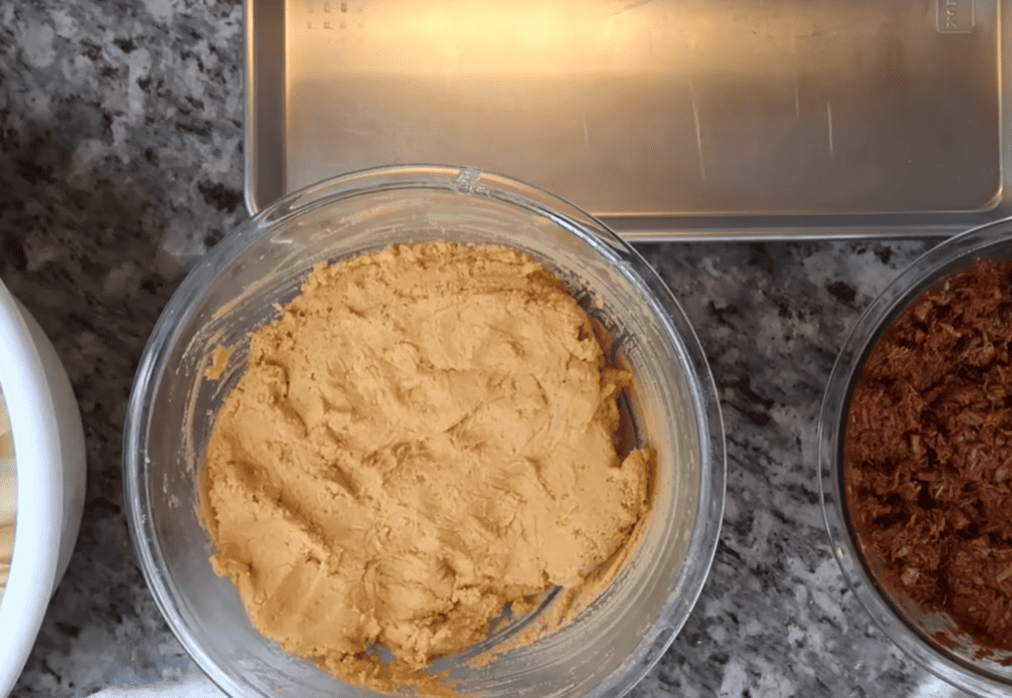
Achieving the Perfect Peanut Butter Texture
Begin with 4 pounds of masa flour in a large bowl. Gently warm your reserved broth until it’s comfortable to touch—never hot. Overly hot liquid can make the mixture difficult to work with.
Mix your spices thoroughly into the dry masa flour until evenly distributed. Add 4 cups of corn oil and incorporate it completely. Then slowly work in 4 quarts of warm broth, about one cup at a time.
Use your hands to make masa that resembles thick peanut butter. If the dough feels too dry, add warm water gradually. If it’s too thin, incorporate more masa flour until perfect.
Incorporating Broth and Lard Effectively
Here’s a professional secret: whip your lard in a mixer for 1-2 minutes until light and fluffy. This aerates the fat, creating incredible texture in your final masa dough.
Combine the whipped lard with your masa mixture until the dough develops a spongy quality. Test readiness by dropping a small piece into cold water—it should float immediately.
This floating test confirms ideal air incorporation. If it sinks, continue beating for a few more minutes. Perfect masa ensures light, tender results that honor tradition.
Handling Corn Husks and Assembly Process
The assembly stage brings everything together, transforming separate components into beautiful, ready-to-steam packages. Proper preparation of your natural wrappers is the key to a smooth and successful experience.
Soaking, Sorting, and Preparing Corn Husks
Begin by filling your kitchen sink with warm water. Carefully separate the individual corn husks as you add them to the water. A plate placed on top keeps them fully submerged.
Soak the husks for about two hours until they become soft and pliable. Handle them gently to avoid tearing. This step is crucial for easy handling later.
After soaking, remove a few husks at a time. Shake off excess water and lay them flat on a clean towel to drain. Identifying the smooth side is important for the next step.
Perfectly softened husks should be flexible but not fragile, like a sturdy piece of cloth.
Folding Techniques for a Perfect Wrap
Lay a single corn husk across your palm with the narrow end pointing toward your fingers. Spread your masa mixture over the left two-thirds of the smooth side.
Leave the right third and the top third of the husk uncovered. This creates the flaps needed for a secure fold. Place your filling down the center of the masa.
Start rolling from the left side all the way to the right edge. Then, fold the top pointed end down, just like closing an envelope. Place the package fold-side down.
| Husk Preparation Step | Key Action | Pro Tip | Common Mistake |
|---|---|---|---|
| Soaking | Submerge in warm water for 2 hours | Use a weight to prevent floating | Soaking time too short |
| Draining | Shake off excess water | Lay flat on a towel | Leaving husks too wet |
| Identification | Find the smooth side | Easier masa spreading | Using the rough side |
| Assembly | Leave 1/3 of husk uncovered | Creates a natural seal | Overfilling with masa |
Remember to save any leftover or torn corn husks. They are perfect for lining your steamer pot. This protects your creations during cooking.
Creating the Signature Red Chile Sauce
Creating an authentic red chile sauce from scratch unlocks layers of complex flavor that elevate any dish. This vibrant sauce allows you to control both heat level and flavor complexity.
Selecting and Preparing the Chilies
Start with 3 dried guajillo peppers. Remove the stems and shake out the seeds. This reduces heat while maintaining rich flavor.
Add these to a medium saucepan about three-quarters full of water. Include a halved white onion and 2 whole garlic cloves. For extra heat, add de-stemmed jalapeño and serrano peppers.
Boil everything for 15 minutes until the chili peppers become tender. Remove from heat and let cool slightly before draining.
Homemade Enchilada Spice Blend Insights
Your homemade spice blend makes a significant difference. Use 3 tablespoons of your enchilada blend for optimal flavor.
Combine this with tomato paste for depth. The right balance of spices creates an authentic chili flavor profile.
Tips for a Smooth, Flavorful Sauce
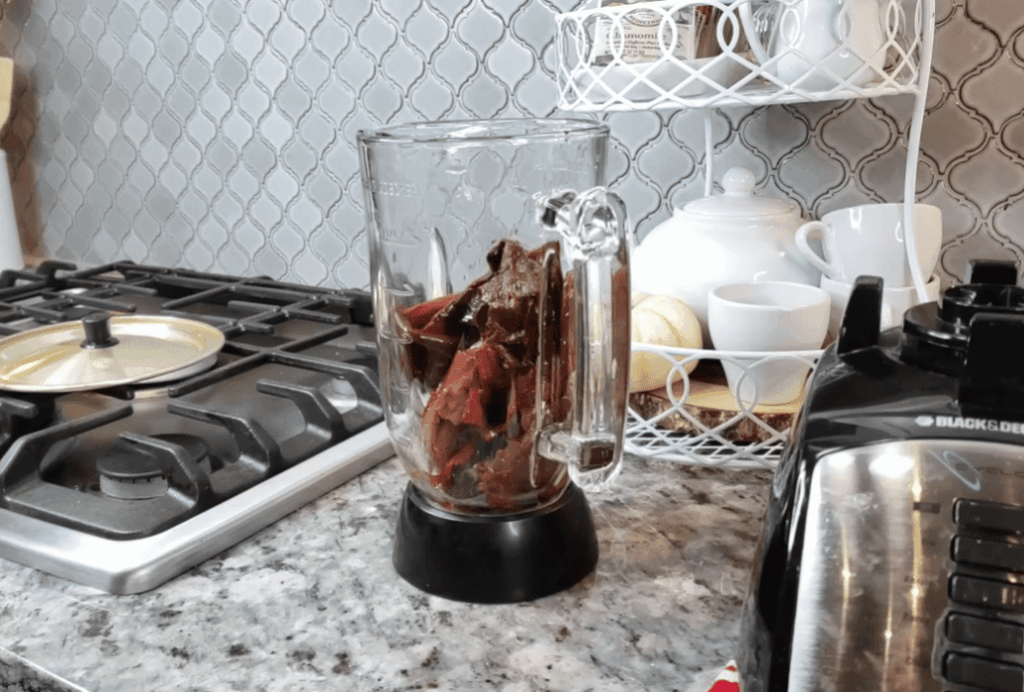
Transfer the drained ingredients to a blender. Blend until completely smooth for the best texture.
Strain the sauce through a fine-mesh strainer. This removes any bits of skin or seeds.
Heat 1.5 tablespoons of lard in a large saucepan. Sauté chopped onion until it begins to brown. Add minced garlic for the last minute.
Stir in your spice mixture and tomato paste. Add pork broth and simmer for 15-20 minutes. The sauce will reduce to your desired thickness.
For extra thickness, whisk in a tablespoon of masa harina. Let the sauce cool slightly before a final blend. This creates restaurant-quality results.
Steaming and Testing Your Tamales
The final transformation of your carefully assembled packages happens during the steaming process. This cooking method requires the right equipment and careful monitoring.
You’ll need a very large pot with a steamer insert to keep your creations elevated above the boiling liquid. This setup ensures proper steam circulation without waterlogging.
Steaming Techniques for Juicy Tamales
Add about 3 pints of water to your pot, keeping the level just below the steamer rack. Here’s a brilliant monitoring trick: drop a penny into the water at the bottom.
“As long as the water boils, the penny jingles. When it stops, add more water immediately.”
Arrange your packages standing upright with the folded envelope end on the bottom. Position them tightly enough to support each other but allow steam circulation.
Cover the pot with a tight-fitting lid and bring the water to a boil. Reduce heat to medium-low and maintain steady steam for at least two hours.
How to Test for Doneness
After the cooking time, carefully remove one package from the center of the pot. Let it rest on your counter for about five minutes before unwrapping.
The masa should be firm and set with no raw spots. It will pull away cleanly from the corn husk when properly cooked.
Once done, let your creations rest for 5-10 minutes covered with a clean kitchen towel. This resting period improves texture and makes unwrapping easier.
| Steaming Stage | Key Action | Time Required | Success Indicator |
|---|---|---|---|
| Water Setup | Add 3 pints below steamer rack | 5 minutes | Penny jingles when boiling |
| Arrangement | Stand packages upright | 10-15 minutes | Stable, tight packing |
| Cooking | Maintain steady steam | 2 hours minimum | Consistent penny noise |
| Testing | Rest single package | 5 minutes | Firm, non-sticky masa |
Pairing Sides and Sauces for a Complete Meal
Elevate your homemade creations from a simple dish to a full culinary celebration with thoughtfully chosen accompaniments. The right pairings balance flavors and textures, making your meal truly special.
This guide explores classic combinations that honor tradition. You will discover how to build a complete and satisfying feast.
Traditional Side Dishes to Complement Tamales
Classic side dishes provide wonderful contrasts. Creamy refried black beans offer an earthy flavor that pairs beautifully.
For a fresh and unique option, try a nopales salad. This dish uses tender cactus paddles for a slightly tangy, crisp texture.
You can’t go wrong with salsa fresca and crispy tortilla chips. The bright, fresh flavors provide a refreshing counterpoint to the rich main course.
Suggested Drink and Sauce Pairings
Consider additional sauce options for your table. A pork green chile sauce or a tangy tomatillo salsa are family favorites.
For drinks, a classic margarita is a perfect pairing. Its balance of tequila and lime complements the savory flavors wonderfully.
Other authentic beverage choices include Mexican beer or horchata. These drinks enhance the overall food experience.
| Pairing Category | Recommended Choice | Flavor Profile | Preparation Tip |
|---|---|---|---|
| Side Dish | Refried Black Beans | Creamy, Earthy | Use canned for convenience |
| Salad | Nopales (Cactus) Salad | Tangy, Crisp | Look for jarred nopales |
| Condiment | Salsa Fresca | Bright, Fresh | Dice ingredients finely |
| Beverage | Classic Margarita | Sweet, Citrusy | Use fresh lime juice |
| Extra Sauce | Pork Green Chile | Savory, Spicy | Simmer for depth of flavor |
Conclusion
Your journey through authentic Mexican culinary traditions has reached its rewarding conclusion. You now possess all the skills needed to create restaurant-quality tamales in your own kitchen.
This comprehensive guide yields approximately four dozen delicious creations. They’re perfect for holiday gatherings or freezing for future enjoyment. Once cooled, package them six to a bag for convenient storage.
If you have a vacuum sealer, your corn-husk wrapped treasures can last indefinitely. Regular freezer bags will preserve them for up to a year. The investment of time pays off with months of homemade enjoyment.
Remember that making tamales is traditionally a communal activity. Invite friends and family to join the assembly process. This transforms preparation into a joyful memory-making experience.
Now that you’ve mastered this authentic recipe, feel free to experiment with different fillings. Try adjusting spice levels or creating sweet variations. You’re continuing a tradition that brings people together through incredible food.