
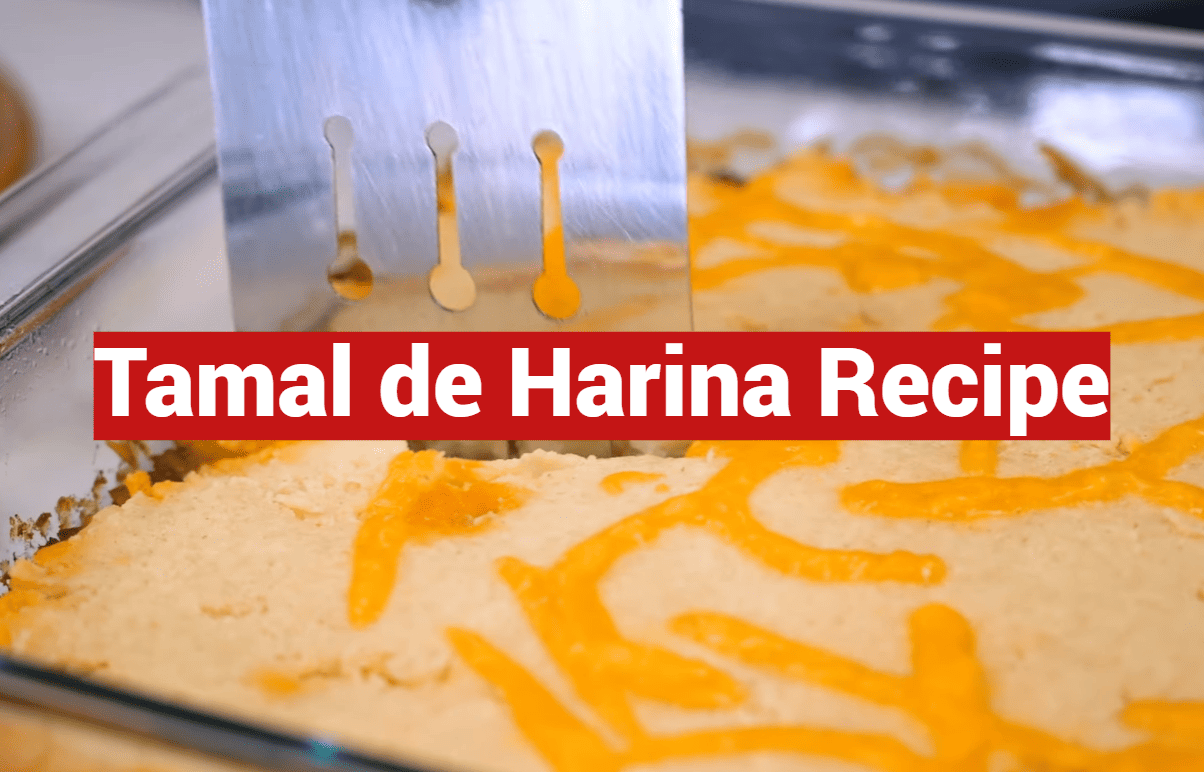
Did you know that Americans consume over 100 million tamales during the holiday season alone? This traditional Mexican dish has become a beloved staple across the United States, bringing families together with its comforting flavors and rich cultural heritage.
Welcome to your complete guide for creating authentic tamal de harina right in your own kitchen. Many home cooks feel intimidated by the process, but we’re here to show you how simple and rewarding it can be.
This friendly walkthrough covers everything from understanding the cultural significance to mastering the perfect dough consistency. You’ll discover the difference between using masa harina versus fresh masa, learn about essential ingredients, and pick up professional tips that guarantee tender, moist results every time.
Whether you’re completely new to Mexican cuisine or looking to refine your skills, we break down each step into manageable sections. By the end, you’ll have the confidence to create tamales that rival your favorite restaurant’s version.
Key Takeaways
- Learn the complete process for making authentic tamales from scratch
- Understand the difference between masa harina and fresh masa
- Discover professional techniques for perfect dough consistency
- Gain confidence with step-by-step, beginner-friendly instructions
- Master the art of creating tender, flavorful tamales every time
- Learn about the cultural significance of this traditional dish
- Get tips for sharing your creations at celebrations or family meals
Introduction to Tamal de Harina
The foundation of authentic Mexican tamales begins with a special ingredient called masa harina. This unique corn flour forms the heart of traditional preparations.
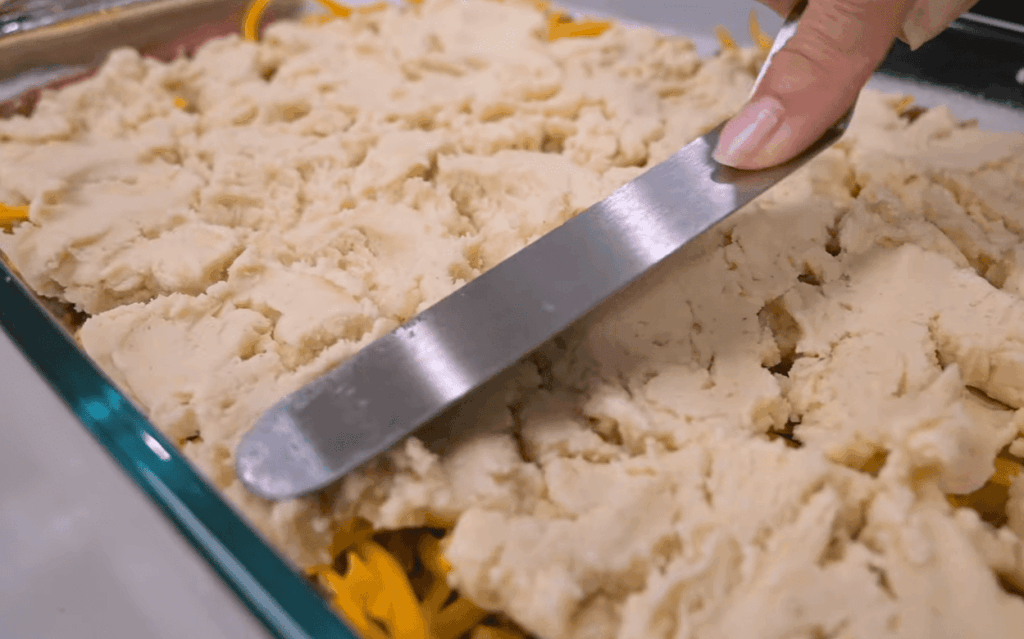
What is Tamal de Harina?
Masa harina translates to “dough flour” in Spanish. It’s made from hominy, which is dried corn treated with lime or lye solution.
This process gives the flour unique properties. When mixed with liquid, it creates a workable corn dough perfect for wrapping.
The singular form “tamal” refers to one piece, while “tamales” means multiple. Both terms are commonly used in American English.
| Feature | Masa Harina | Regular Cornmeal | Key Difference |
|---|---|---|---|
| Texture | Fine, smooth powder | Coarse grains | Creates smoother dough |
| Preparation | Lime-treated hominy | Plain dried corn | Unique flavor profile |
| Hydration | Absorbs liquid quickly | Slower absorption | Faster dough preparation |
| Final Texture | Tender, fluffy results | Grainy, dense texture | Authentic tamale quality |
Traditional Mexican tamales have been celebratory foods for centuries. They feature seasoned masa wrapped around fillings in corn husks.
Understanding these basics ensures successful preparation. Your journey to perfect tamales starts with quality ingredients.
The Rich History and Cultural Significance
More than just a meal, tamales represent a living connection to Mexico’s ancient culinary past. These wrapped delights carry stories of family, celebration, and cultural identity through generations.
Tamales in Mexican Traditions
Mexican tamales have served as celebratory foods for thousands of years. Ancient Mesoamerican civilizations valued them as portable, nutritious packages for both daily sustenance and special ceremonies.
Family gatherings called tamaladas bring multiple generations together. Each person takes on specific tasks from spreading masa to filling and folding. This shared experience preserves time-honored techniques.
Modern Twists on a Classic Dish
Today’s cooks respect traditional methods while exploring creative variations. They experiment with global flavors like Korean BBQ or Thai curry alongside classic fillings.
The time invested in making these dishes reflects the value placed on community. Modern recipes accommodate diverse dietary needs while honoring the dish’s heritage.
| Aspect | Traditional Approach | Modern Innovation | Cultural Impact |
|---|---|---|---|
| Ingredients | Regional, family-specific | Global fusion options | Expands accessibility |
| Preparation | Multi-generational gatherings | Solo or small group friendly | Adapts to modern lifestyles |
| Occasions | Holidays and celebrations | Everyday meals included | Increases frequency |
| Techniques | Handed down through families | Online sharing and adaptation | Preserves and evolves methods |
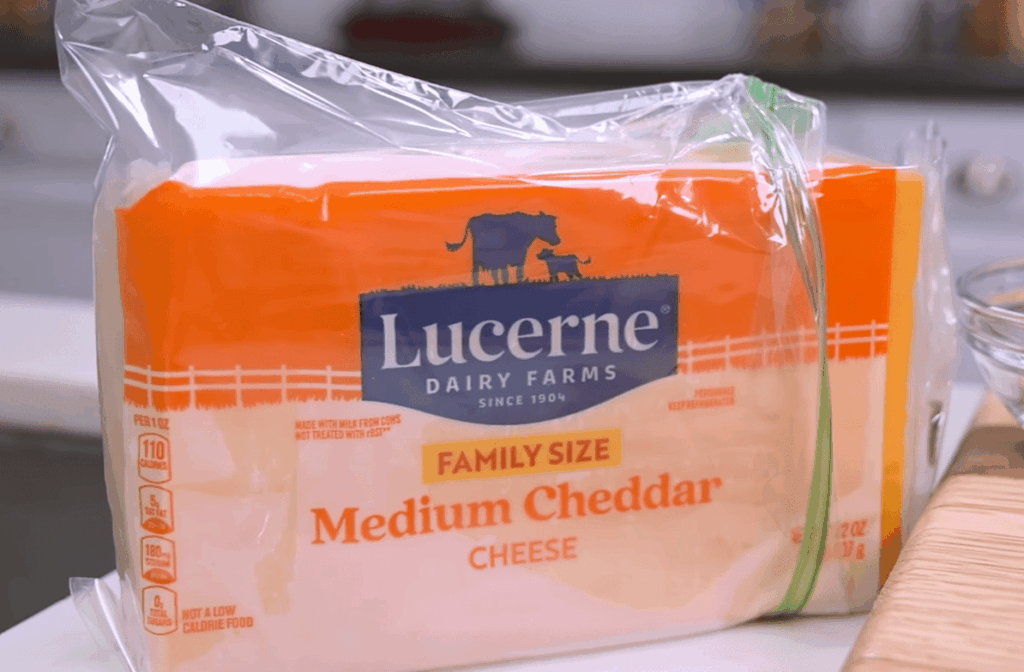
Essential Ingredients for a Perfect Masa Dough
The secret to fluffy, tender tamales lies in selecting the right combination of foundational ingredients. Each component plays a specific role in creating the ideal texture and flavor profile.
Understanding how these elements work together ensures your masa dough turns out perfectly every time. Let’s explore the key components that make the difference.
Masa Harina and Dry Ingredients
Quality masa harina forms the foundation of excellent masa preparation. This specially treated corn flour creates the authentic texture you’re looking for.
Typically, recipes call for around 6 cups of this essential ingredient. Brands like Maseca, Masienda, and Bob’s Red Mill offer reliable options.
Your dry ingredients include 2 tablespoons of baking powder for fluffiness. Add 1 tablespoon of salt plus optional seasonings like onion powder and ground cumin.
Fats, Sauces, and Flavor Enhancers
The fat component is crucial for creating tender, moist results. Traditionally, 1 pound of fresh pork lard delivers authentic flavor and texture.
You can substitute equal amounts of vegetable shortening or butter based on dietary preferences. Avoid shelf-stable lard products with preservatives.
Chicken stock (6 cups) serves as the hydrating liquid. Additional flavor enhancers include tamale sauce mixed directly into the dough.
This creates continuity between the filling and the masa. The right balance of these ingredients ensures professional-quality results.
Technique Spotlight: Mixing and Preparing Masa
Many home cooks find the masa mixing process to be the most challenging step. Getting the right consistency separates amateur attempts from professional-quality results.
Step-by-Step Dough Preparation
Begin by whisking your dry ingredients together thoroughly. This includes masa harina, baking powder, salt, and any seasonings. Proper mixing prevents concentrated pockets in your final dough.
When you add melted lard and tamale sauce, the texture should resemble wet sand. You should be able to squeeze it and form a shape that holds together. This indicates the fat is properly distributed.
Traditional methods involve mixing by hand, which many families have done for generations. However, modern stand mixers with paddle attachments work beautifully. They save time while delivering excellent consistency.
The key to fluffy masa lies in properly aerating your fat first. Beat your lard or shortening for about three minutes until light and airy. Then incorporate the masa gradually for optimal texture.
| Preparation Method | Texture Indicator | Time Required | Best For |
|---|---|---|---|
| Hand Mixing | Wet sand consistency | 15-20 minutes | Traditional experience |
| Stand Mixer | Cake batter texture | 8-10 minutes | Efficiency & consistency |
| Food Processor | Thick hummus texture | 5-7 minutes | Quick preparation |
As you add chicken stock, the dough transforms into a spreadable consistency. It should resemble thick hummus or cake batter. Let the mixture rest for twenty minutes to fully hydrate.
Test your masa by spreading it on a spoon. It should hold without running off. Adjust with more liquid or masa harina as needed to achieve perfect spreadability.
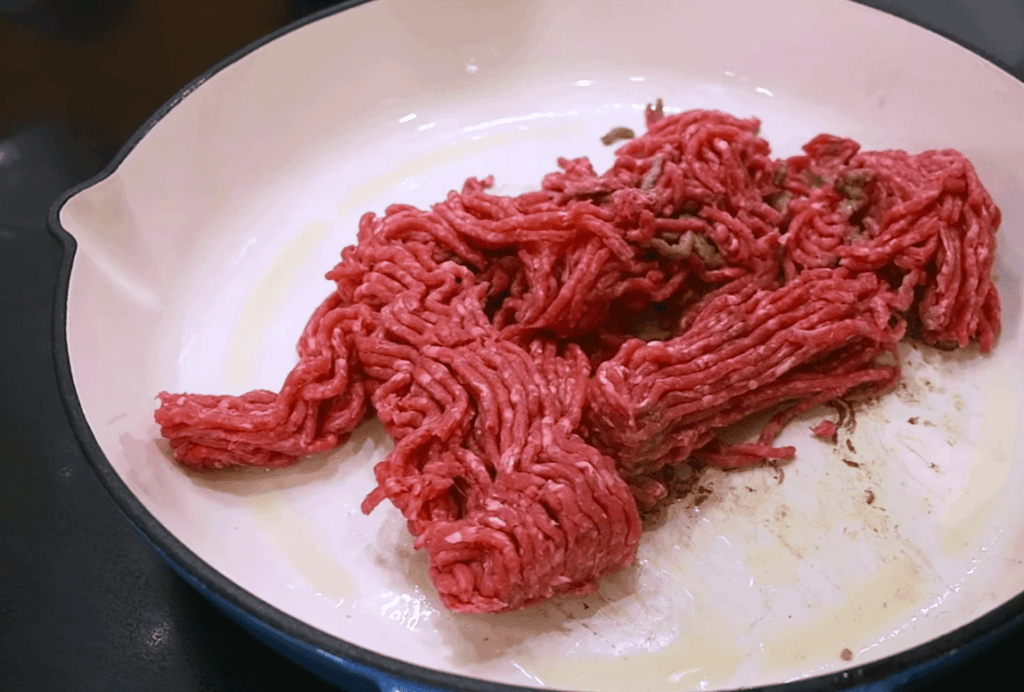
Tamal de Harina Recipe
Ready to create authentic masa dough that yields 45 perfect tamales? This detailed guide walks you through each measurement and technique.
Complete Ingredient List
Gather these essential components for successful masa preparation. Each plays a specific role in achieving the ideal texture and flavor.
| Ingredient | Measurement | Purpose | Substitution Options |
|---|---|---|---|
| Masa Harina | 6 cups | Foundation flour | None – essential for authenticity |
| Baking Powder | 2 tablespoons | Creates lift and fluffiness | None – crucial for texture |
| Seasonings | 1 tablespoon each | Flavor enhancement | Custom blends acceptable |
| Lard | 1 pound | Moisture and richness | Shortening, butter, coconut oil |
| Chicken Stock | 6 cups | Hydration liquid | Vegetable stock for vegetarian |
Detailed Preparation Process
Begin by whisking your dry ingredients together thoroughly. This includes the 6 cups masa harina, 2 tablespoons baking powder, and seasonings.
Melt your pound of lard using microwave or stovetop. Combine it with ¾ cup tamale sauce into the dry mixture. Mix until it resembles wet sand.
Add chicken stock one cup at a time until four cups are incorporated. Let the dough rest for 20 minutes to hydrate properly.
After resting, assess consistency. It should resemble thick hummus. Add remaining stock in ¼ cup increments as needed.
Perform the float test with ½ teaspoon of masa in water. If it floats, your dough has perfect air content. If not, beat in more fat and retest.
This method creates fluffy masa that spreads easily. Each serving contains approximately 163 calories, making 45 delicious tamales.
Comparison: Fresh Masa vs. Masa Harina
Choosing between fresh masa and masa harina can feel like a big decision when making authentic tamales. Each option brings unique qualities to your kitchen.
Understanding their differences helps you pick what works best for your situation. Let’s explore how they compare in real cooking scenarios.
Pros and Cons of Each Option
Masa harina offers incredible convenience for home cooks. This shelf-stable corn flour is widely available in most supermarkets.
You can keep it in your pantry for spontaneous cooking sessions. The dried ground corn rehydrates beautifully when mixed with liquids.
Fresh masa delivers superior corn flavor that many traditional cooks prefer. This wet dough is sold at Latin markets in two-pound quantities.
It must be used quickly though, usually within a day or two. Always verify you’re getting masa for tamales, not the finer tortilla version.
Your choice often comes down to availability versus authenticity. Both can create excellent results when handled properly.
Fresh masa requires less mixing time since the corn is already ground. Masa harina gives you flexibility to make tamales whenever inspiration strikes.
Tips and Tricks for Fluffy Tamale Dough
Many cooks struggle with masa consistency, but these simple tricks make it easy. Getting your dough right ensures light, tender results that everyone will love.
Achieving the Right Consistency
Your target texture should resemble thick peanut butter or fluffy hummus. The masa dough should spread easily but hold its shape when scooped.
Test the consistency by pressing with the back of a spoon. It should smooth out without running off the edges. This perfect balance creates airy tamales instead of dense ones.
The float test is your best friend for checking readiness. Drop ½ teaspoon of dough into water – if it floats, you’ve achieved proper lightness. If it sinks, beat in more lard and retest.
Timing matters when working with your dough made. Masa is easiest to spread immediately after mixing. You can make it a day ahead, but bring it to room temperature before using.
If your masa seems too dry, gradually add more chicken stock. Incorporate ¼ cup at a time until reach spreadable consistency. For dough that’s too loose, fold in additional masa harina tablespoon by tablespoon.
Don’t worry if your tamales stick to husks initially. This usually means they need more cooking time. Properly steamed masa will naturally pull away when done.
The amount of fat directly impacts both flavor and texture. Don’t skimp on the lard – adequate fat creates tender, moist results that prevent sticking. Your careful attention to consistency pays off with perfect tamales every time.
Enhancing the Flavor with Spices and Sauces
The flavor journey of your tamales doesn’t end with the filling—seasoning the masa dough is equally important. Since you eat the entire package, not just the center, well-seasoned dough ensures every bite delivers balanced taste.
Many cooks forget this crucial step, resulting in bland results that disappoint. Proper seasoning transforms good tamales into exceptional ones with harmonious flavors throughout.
Seasoning Options and Techniques
Classic seasonings create a savory foundation for your masa. Garlic powder, onion powder, and ground cumin work beautifully with most fillings.
Don’t be shy about tasting your dough before assembly. Adjust seasonings until the masa itself tastes delicious. This attention to detail makes homemade versions superior.
Consider matching your spice choices to the filling’s profile. Mexican oregano and chile powder complement traditional pork fillings perfectly.
Using Tamale Sauce Effectively
Tamale sauce serves double duty in your preparation. Use about ¾ cup of the same sauce from your filling mixed directly into the masa.
This creates beautiful flavor continuity between dough and filling. If you lack extra sauce, try the cooking liquid from your meat preparation.
Chile powder offers customization options for heat levels. A tablespoon of mild ancho chile powder adds earthy depth. Chipotle or habanero powder bring more pronounced spiciness.
Your choice of stock significantly impacts the final flavor. Chicken stock works beautifully with most fillings. Vegetable stock suits vegetarian versions perfectly.
Assembling and Steaming Your Tamales
The assembly process transforms your prepared ingredients into beautiful, traditional packages ready for steaming. This stage brings together all your preparation work into the final product everyone anticipates.
Proper Spreading and Filling Methods
Your masa dough should spread effortlessly across softened corn husks using the back of a spoon. Place 2-3 tablespoons in the center and smooth it into a rectangle shape.
Leave clean borders on the sides and bottom for proper folding. Add your chosen filling down the center—about 1-2 tablespoons works perfectly.
Popular options include shredded chicken, seasoned pork, or spicy chorizo. The right amount prevents bursting during cooking.
Fold the long sides inward until the masa edges meet. Then fold up the bottom point to create a neat package. Leave the top open for steaming.
Making tamales becomes efficient with an assembly line approach. One person spreads masa while another adds filling. A third handles folding and stacking.
This turns the process into an enjoyable group activity. You’ll be surprised how quickly you can assemble dozens of homemade tamales.
Steam your packages for approximately 90 minutes total. Start checking at the 60-minute mark. Continue cooking in 15-30 minute increments until done.
The definitive sign of perfectly cooked tamales is when they pull away from the husks easily. A 32-quart stainless steel steamer handles large batches beautifully.
Beginners should start with a small batch using an Instant Pot. This requires less equipment while teaching fundamental techniques. You’ll gain confidence before moving to traditional larger batches.
Serving Suggestions and Nutritional Insights
The final step in your tamale-making adventure involves thoughtful presentation and nutritional awareness. Your beautifully steamed packages deserve accompaniments that enhance their authentic flavors while understanding their nutritional profile helps you enjoy these traditional treats with confidence.
Traditional Accompaniments
Traditional tamales pair beautifully with Mexican rice and refried beans. These sides create a complete meal that balances the rich masa with bright, complementary flavors.
Fresh salsa, Mexican crema, and lime wedges add freshness to each bite. Pickled jalapeños provide a spicy kick that contrasts nicely with the savory corn dough.
Dietary and Nutritional Considerations
Each tamale contains approximately 163 calories, making them reasonable for most diets. Popular filling options include shredded chicken or tender pork braised in red chile sauce.
The masa itself is naturally gluten-free since it’s made from corn. Vegetarian adaptations work beautifully using vegetable stock and plant-based fats.
Explore various recipes to discover endless possibilities. From traditional chicken tinga to creative fusion variations, this recipe adapts beautifully to modern dietary needs while honoring authentic flavors.
Conclusion: Your Journey to Perfect Tamales
Your kitchen now holds the secrets to creating tamales that honor tradition while fitting modern life. You’ve discovered that mastering the masa truly determines whether your homemade versions turn out tender and delicious.
This easy recipe gives you a reliable foundation for consistent results. The techniques you’ve learned—from proper hydration to the float test—will serve you well every time you make these traditional packages.
Remember that making tamales connects you with a rich cultural heritage. Don’t worry about perfection on your first attempt. Every expert started as a beginner.
Now gather your ingredients and begin your own tamale-making tradition. The skills you’ve developed will let you create memorable meals for years to come.