
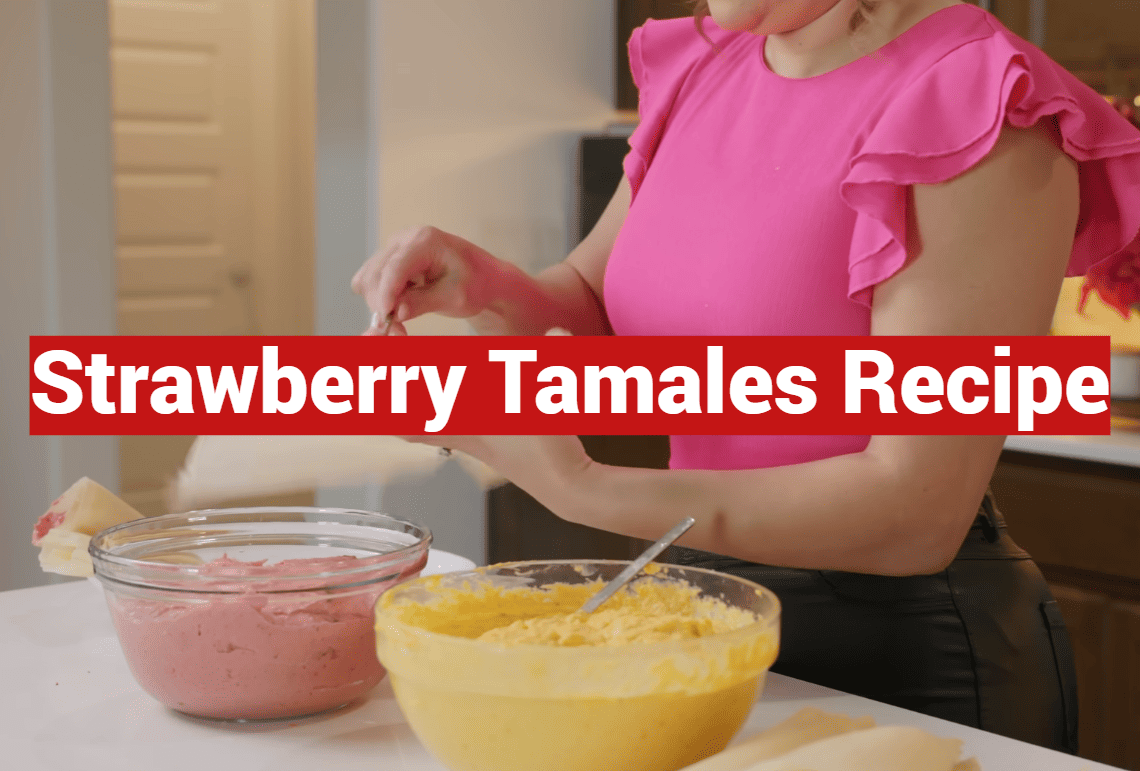
Did you know that corn-based wraps date back over 5,000 years to ancient Mesoamerica? This traditional food has evolved into countless delicious variations across generations.
Now imagine this timeless classic meeting sweet, fruity innovation. The result is a dessert that will make your taste buds dance with joy! These pink-hued creations transform the familiar savory dish into something wonderfully different.
If you’ve only experienced the traditional version before, prepare for a delightful surprise. This sweet twist honors heritage while embracing modern creativity. The combination of fluffy masa and fruity filling creates pure comfort food magic.
The beauty lies in its accessibility—you don’t need to be an expert cook to create these stunning treats. They work perfectly for breakfast, snack time, or after dinner. Everyone will gather in your kitchen when they smell the irresistible aroma while steaming.
Whether you’re looking for vegan-friendly options or need gluten-free treats, these delightful creations deliver on all fronts. They look as gorgeous as they taste, offering a unique experience that celebrates both tradition and innovation.
Key Takeaways
- Transform traditional savory dishes into sweet dessert creations
- Perfect for various dietary needs including vegan and gluten-free options
- Accessible for cooks of all skill levels to prepare successfully
- Combine ancient food traditions with modern fruity innovations
- Create irresistible aromas and visually appealing pink-hued results
- Work well for breakfast, snacks, or after-dinner treats
- Offer a unique twist that honors heritage while embracing creativity
Introducing the Strawberry Tamales Recipe
Sweet variations of this ancient Mesoamerican dish have become just as cherished as savory versions in Mexican households. Families often enjoy these delightful creations as dessert, breakfast, or merienda—the traditional afternoon snack.
A Sweet Spin on a Traditional Favorite
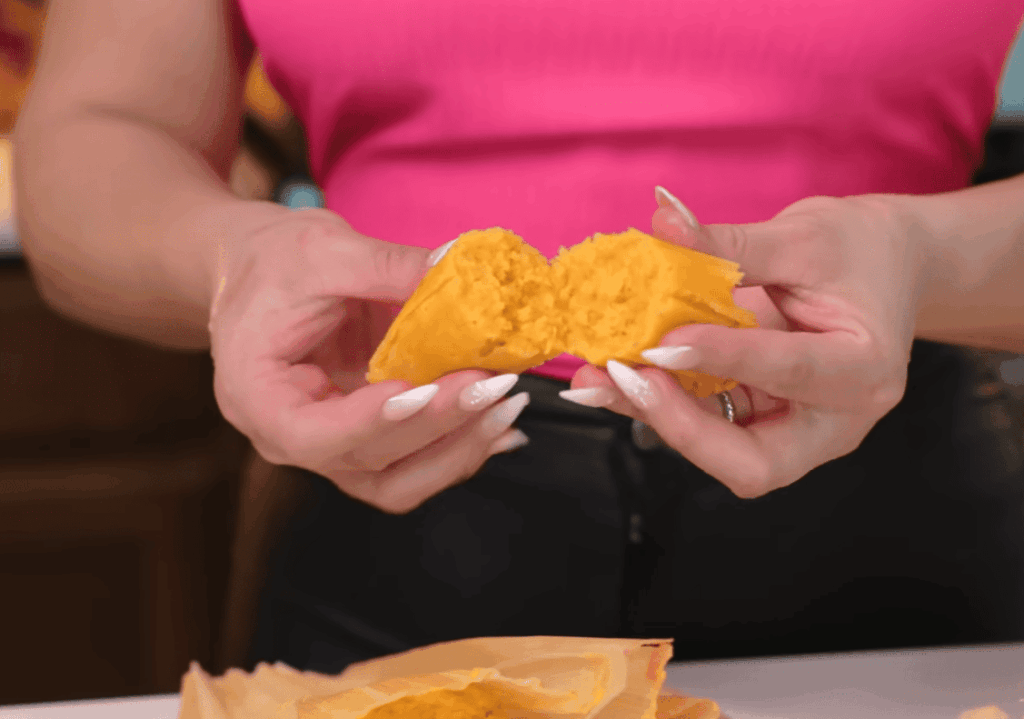
This innovative approach brings together comforting tradition with fruity appeal. The fluffy masa base provides the perfect canvas for sweet strawberry flavors.
What makes these creations special is their vibrant pink color from fresh fruit. They transform a classic dish into something visually stunning and delicious. The combination honors heritage while embracing modern creativity.
The Appeal of Vegan & Gluten-Free Options
This plant-based version uses vegan butter or coconut oil instead of traditional lard. Everyone can enjoy these treats regardless of dietary restrictions.
The naturally gluten-free masa means friends with sensitivities can indulge worry-free. These features make the dish perfect for inclusive gatherings and diverse dietary needs.
| Specification | Details | Benefits |
|---|---|---|
| Yield | 18-24 pieces | Perfect for sharing or freezing |
| Prep Time | 1-1.5 hours | Manageable for home cooks |
| Cook Time | 40 minutes | Quick steaming process |
| Dietary Features | Vegan & Gluten-free | Accessible to all guests |
Exploring the Origins and Key Ingredients
The journey of this beloved dish reveals a remarkable story of cultural resilience and culinary evolution. Understanding these foundations makes the cooking experience more meaningful.
A Brief History of Tamales in Mexico and the U.S.
During the 1870s, this traditional food became a powerful symbol of Mexican identity in America. Some communities opposed what it represented, with efforts to ban sales in Los Angeles and San Antonio.
Everything changed at the 1893 Chicago World’s Fair. The presentation there launched these creations into mainstream popularity across metropolitan US cities.
“The Mexicas offered different versions to their gods, with sweet ones specifically for Xipe Totec, the god of life, death, and rebirth.”
This shows that dessert variations have ancient, sacred roots in Pre-Columbian Mexico. They were as prevalent as savory ones historically.
Understanding Masa Harina, Corn Husks, and Vegan Butter
The foundation of any great creation is masa harina. This special corn flour undergoes nixtamalization, where field corn gets treated with lime. This ancient process unlocks nutrients and creates distinctive flavor.
For superior results, consider Masabrosa or Masienda brands as GMO-free alternatives to standard options. These premium corn flour choices deliver excellent texture.
Corn husks serve as natural, biodegradable wrappers. While not edible, they infuse subtle flavor during steaming. You can find dried husk packages at Mexican grocery stores or online.
| Ingredient | Traditional Version | Modern Alternative | Key Benefit |
|---|---|---|---|
| Fat Source | Animal Lard | Vegan Butter | Plant-based richness |
| Corn Base | Standard Masa | Premium Harina | Enhanced flavor |
| Wrapper | Corn Husk | Same Traditional | Authentic steaming |
Vegan butter combines water with plant oils like avocado or coconut. Earth Balance works wonderfully, or use pumpkin puree for oil-free options. This creates essential richness while keeping things plant-based.
Step-by-Step Preparation Process
The magic happens when you transform simple ingredients into something extraordinary through careful preparation. This hands-on approach brings together traditional techniques with modern flavors in a way that’s both satisfying and accessible.
Preparing the Strawberry Almond Milk and Dough
Begin by soaking your corn husks in hot water for at least an hour. Use a plate to weigh them down completely submerged. This makes them pliable for easy wrapping later.
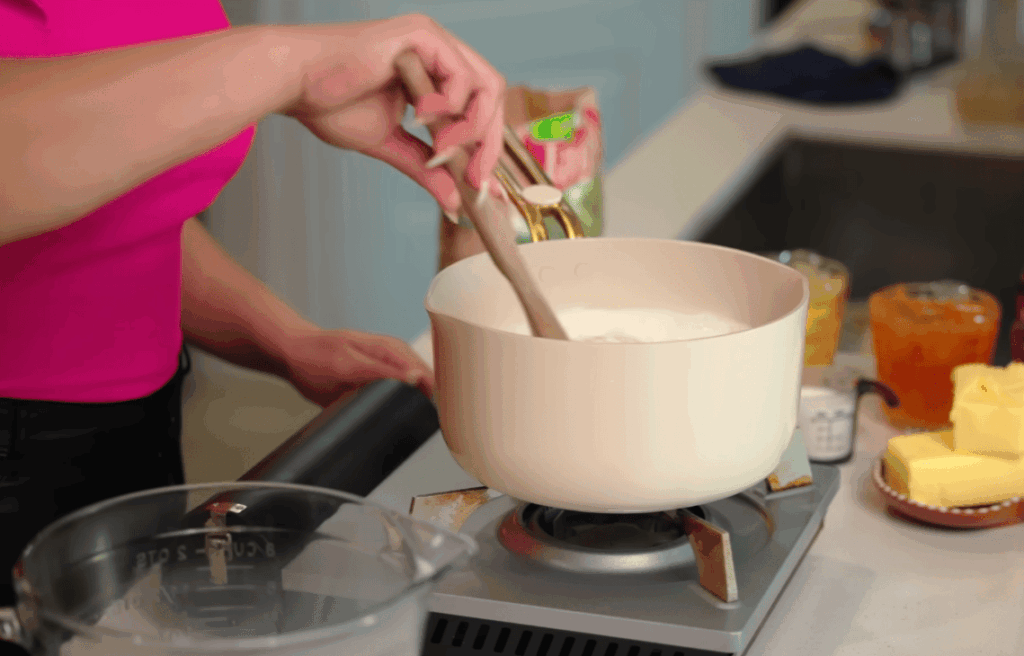
Blend 2 cups almond milk with 1 cup of fresh fruit until smooth and pink. This creates the flavorful base that makes these creations special.
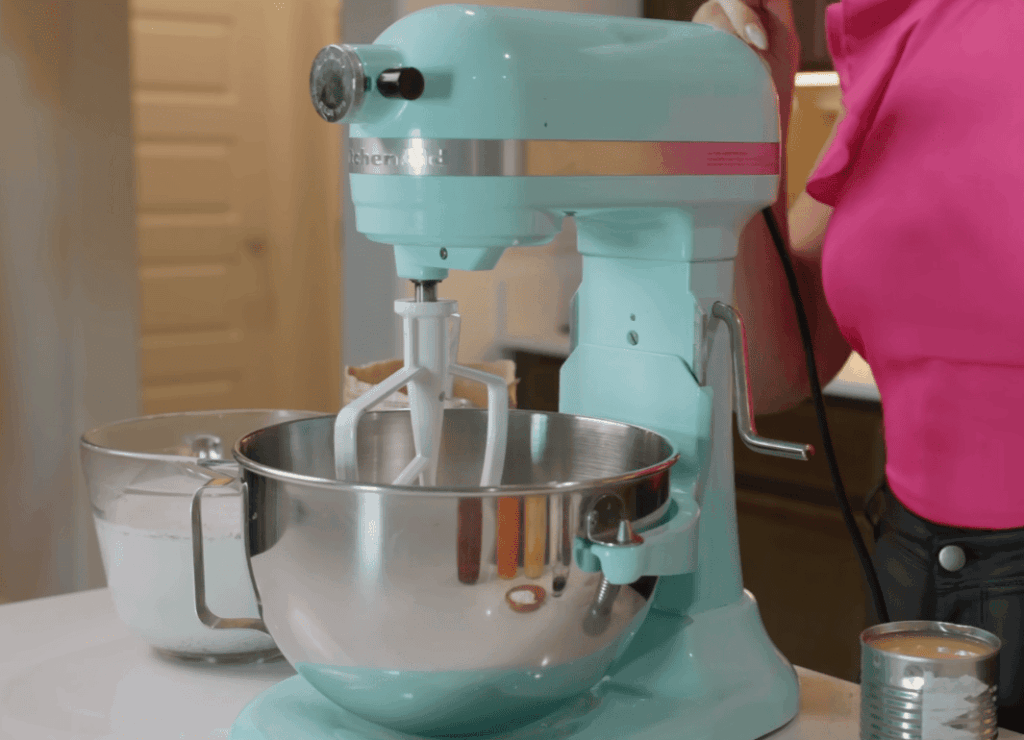
Using your electric mixer on medium-high speed, beat vegan butter and sugar for about 3 minutes. The butter should double in size and become light and fluffy.
Add baking powder and salt, beating for another minute. Then incorporate half the masa harina, followed by the strawberry almond milk mixture.
Add the remaining masa harina along with water and chopped fruit. Beat at low speed until you achieve a thick cake batter consistency.
Assembling, Tying, and Steaming the Tamales
Set up your steamer pot by filling the bottom with water. Make sure it doesn’t touch the rack. Line the rack and sides with reserved corn husks.
Place the largest husk smooth side up with the tapered end away from you. Spread 2-3 tablespoons of masa into a square, leaving borders on each side.
Spoon 1 tablespoon of jam in the center. Bring the two long sides together so the masa surrounds the filling. Fold the tapered end up to create a closed bottom.
Tie with a corn husk strip and place vertically in your steamer with the open end up. Cover with another husk layer and fill empty spaces.
Bring water to boil, then reduce heat to medium. Cook for 40 minutes until the husk separates easily from the masa. Let cool for at least an hour before serving.
Tips, Variations, and Serving Suggestions
The final steps of preparation and serving are where your culinary creativity can truly shine. These simple adjustments can transform your results from good to exceptional.
Enhancing Texture and Flavor with Simple Swaps
If you would like to work with fresh masa instead of masa harina, use 2 pounds of prepared masa with just 1 cup of almond milk. This creates the perfect consistency thick cake batter texture.
For fat substitutions, try 8 ounces of coconut oil instead of vegan butter. For oil-free versions, use cooked pumpkin puree. Both options maintain excellent moisture while offering different flavor profiles.
The key to perfect results is achieving that consistency thick cake batter has—not too runny, not too stiff. This ensures proper steaming and tender texture.
Serving, Storage, and Reheating Guidelines
After steaming for 40-45 minutes, let sit covered for 10 minutes. Then let cool for at least an hour before serving. This resting period allows them to firm up beautifully.
Serve warm after removing the corn husk wrapper. For special occasions, add vegan whipped cream. They pair wonderfully with Mexican hot chocolate or traditional atole.
Store cooled creations in airtight containers. Refrigerate for up to 6 days or freeze for 6 months. To reheat, steam frozen ones for about 10 minutes, microwave, or use a hot skillet.
Remember the corn husk is just the wrapper—always remove it before enjoying your delicious creation.
Conclusion
The moment you unwrap your first homemade creation and see that beautiful pink masa, you’ll understand why this dessert has captivated generations. This approach proves that honoring tradition doesn’t mean being stuck in the past.
With just a simple steamer pot, some water, and gentle heat, you transform basic ingredients into something extraordinary. The natural corn husk wrapper creates magic as it steams.
These strawberry tamales represent more than just food. They’re about connection and the joy of sharing homemade treats. Don’t be intimidated—this recipe is surprisingly accessible.
Once you taste that first sweet, pillowy bite, you’ll wonder why you waited so long. The process connects you to centuries of culinary tradition while letting you put your own modern spin on things.