
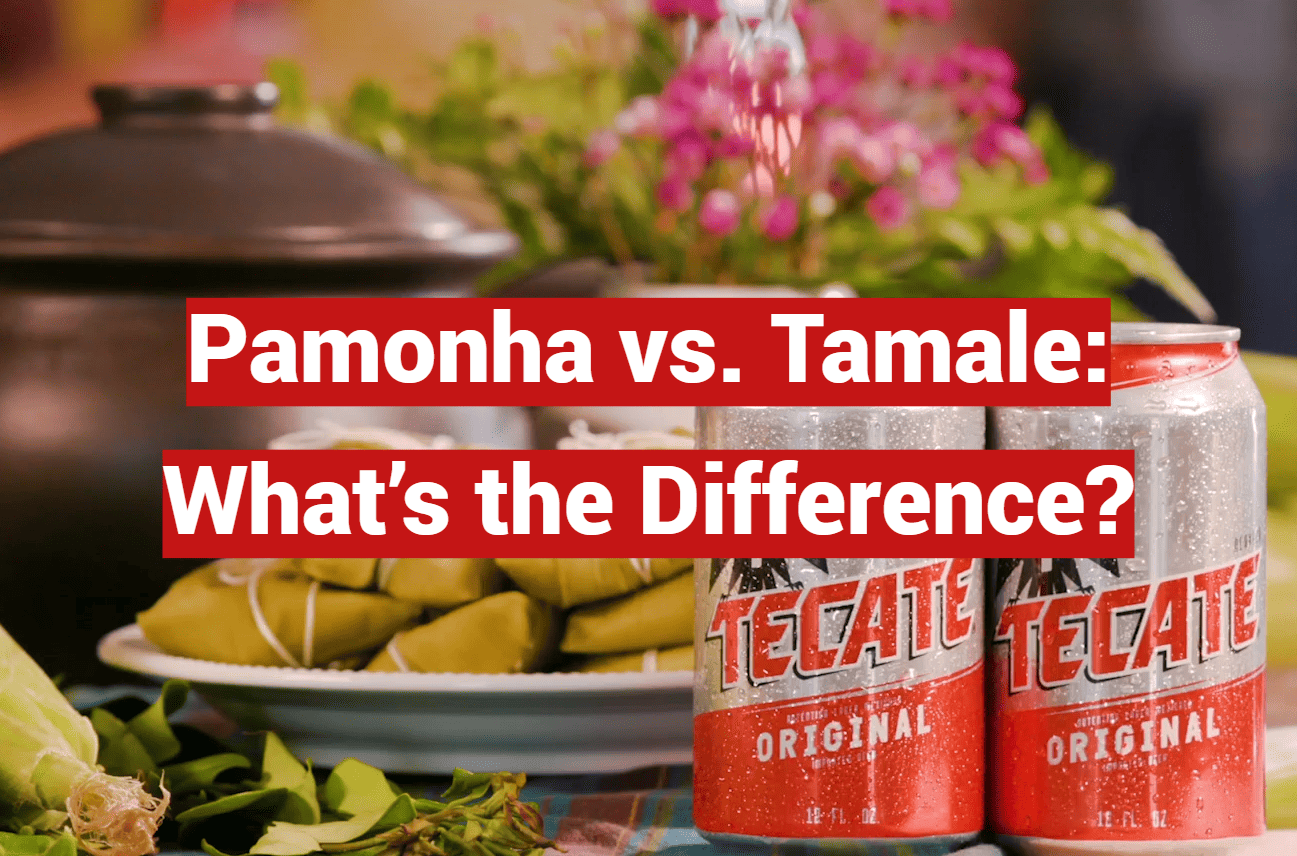
Corn forms the backbone of countless latin american traditions, with over 60 unique native varieties cultivated across the continent. This incredible grain is the heart of two beloved food treasures that often cause a happy confusion.
At first glance, these wrapped corn dishes look like twins. Both are steamed or boiled parcels bursting with flavor. But their stories and secrets are wonderfully unique.
One comes from the vibrant kitchens of Brazil, celebrated for its use of fresh, sweet corn. The other has roots stretching through Mexico and Central America, known for its versatile fillings. Understanding their differences is a delicious journey into culture and cooking.
The magic lies in the details. The key distinction starts with the corn itself. One recipe relies on dried, ground corn flour. The other demands corn so fresh it’s grated straight from the cob. This simple choice changes everything from texture to taste.
We will explore how these preparation methods create two distinct experiences. You will see how geography and history shaped each iconic food. This guide will help you appreciate both for their unique qualities.
Key Takeaways
- Both are traditional, steamed corn-based dishes from Latin America.
- They are primarily distinguished by their core ingredient: one uses fresh corn, the other uses dried corn flour.
- The wrapping and cooking techniques also differ significantly.
- Each has deep cultural roots in their respective regions, Brazil and Mexico.
- They can be found in both savory and sweet variations.
- Understanding the differences enhances appreciation for Latin American culinary diversity.
Introduction to Latin American Corn-Based Cuisine
The story of Latin American food is, in many ways, the story of corn itself. This incredible grain was first domesticated in Mexico thousands of years ago. It spread across the continents long before European contact.
Today, it is a global staple, feeding billions. Its journey began right here. In latin america, corn is the foundation of culinary traditions that have nourished communities for generations.
Corn is not just an ingredient. It is woven into the very fabric of culture and identity. It represents a deep connection to the land and a rich agricultural history.
This heritage shines through in a stunning variety of dishes. Each region offers its own unique creation. The table below highlights a few key examples of this diversity.
| Dish Name | Primary Region | Key Characteristic | Common Preparation |
|---|---|---|---|
| Tortilla | Mexico, Central America | Thin, unleaved flatbread | Griddle-cooked |
| Arepa | Colombia, Venezuela | Thick, round corn cake | Grilled, fried, or baked |
| Humita | Andean Region | Fresh corn mixture steamed in husks | Similar to a tamale |
This versatility shows the incredible adaptability of corn. From simple flatbreads to steamed parcels, the possibilities are endless. Iconic wrapped dishes like the pamonha and the tamale are perfect examples of this creativity.
Historical Roots of Corn and Traditional Dishes
The transformation of wild grass into nourishing corn represents one of humanity’s greatest agricultural achievements. This journey began in prehistoric Mexico over 9,000 years ago. Indigenous peoples carefully cultivated teosinte, a wild grass, into the staple grain we know today.
This remarkable domestication process laid the foundation for countless culinary traditions across the Americas.
Ancient Origins of Maize Cultivation
Ancient Mesoamerican civilizations held corn in sacred regard. The Olmec, Toltec, Maya, and Aztec peoples incorporated this grain into their religious ceremonies and creation myths. Corn became central to their cultural identity and daily sustenance.
Archaeological evidence reveals the incredible antiquity of wrapped corn dishes. The Mural of San Bartolo in Guatemala, dating to around 100 AD, shows early pictorial references to these prepared foods. Some archaeologists believe these culinary traditions may date back to 8000-5000 BC.
Cultural Evolution in Mesoamerica and Brazil
These portable parcels of corn food served practical needs across ancient societies. Warriors, hunters, and travelers relied on them for nourishment during long journeys. Their durability without refrigeration demonstrated remarkable culinary ingenuity.
As corn spread through trade routes, different regions developed unique preparations. Brazilian indigenous peoples adapted the grain to local ingredients and cooking techniques. This cultural evolution created distinct regional specialties that reflected local tastes and resources.
Understanding this deep history helps us appreciate these dishes as living connections to ancient civilizations. They represent centuries of culinary innovation and cultural adaptation.
Essential Ingredients and Preparation Methods
What truly separates these traditional dishes begins at the most basic level: their core components. The choice of corn preparation creates entirely different culinary experiences.
Masa Versus Fresh Corn Dough
The foundation of each dish comes from contrasting approaches to corn. One uses masa harina, a dried corn flour treated through nixtamalization. This process gives the dough its distinctive earthy flavor.
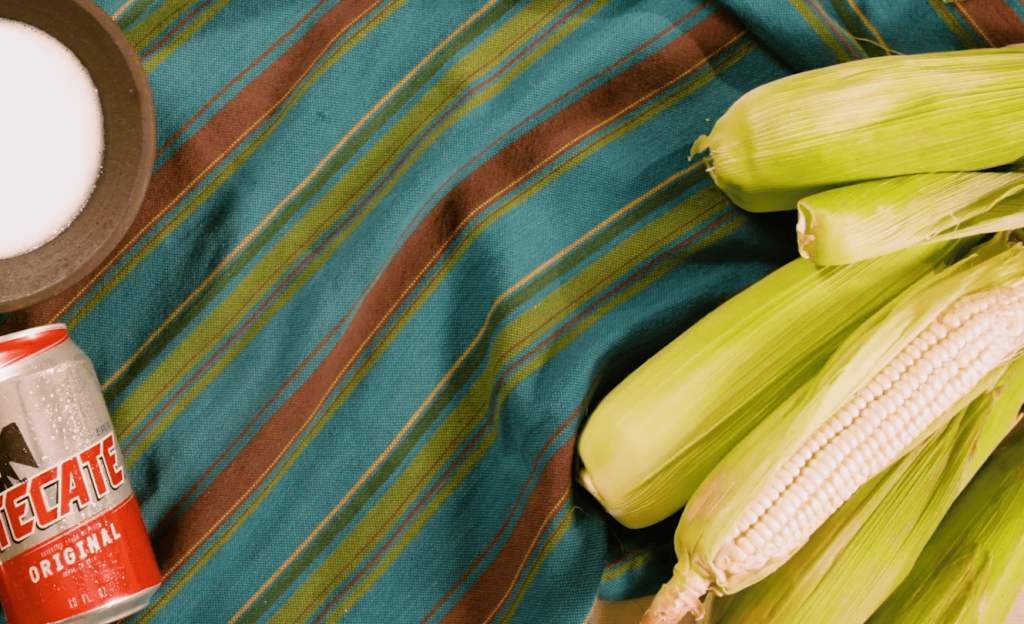
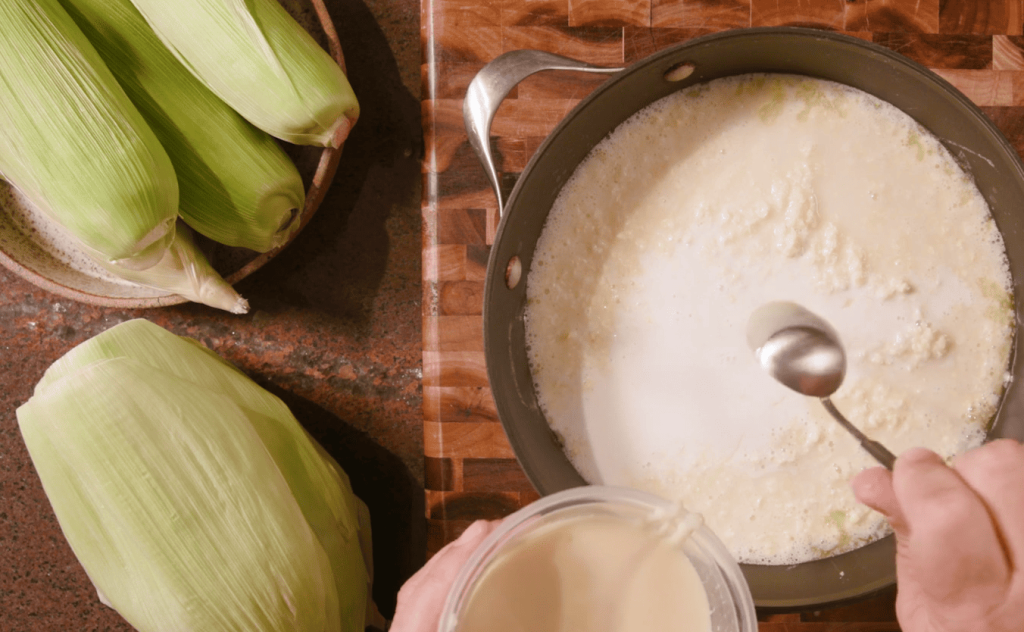
The other relies on fresh corn grated straight from the cob. This creates a naturally sweet, moist mixture. The texture difference is immediate and significant.
These ingredients require different preparation techniques. The dried flour needs mixing with fats and broth to achieve the right consistency. The fresh version uses the corn’s natural juices as its binding liquid.
Milk, Coconut, and Other Key Components
Additional ingredients further distinguish these corn creations. One tradition often incorporates coconut milk for richness and tropical flavor. This pairs beautifully with the sweetness of fresh corn.
The other might use various broths and spices for savory profiles. Milk appears in both traditions but serves different purposes. In one, it enhances sweetness; in the other, it contributes to the dough‘s texture.
Regional preferences determine which additional components appear. Some areas favor cheese fillings, while others prefer meat or vegetable mixtures. The ingredients reflect local culinary traditions.
Exploring Pamonha: Brazil’s Corn Delight
The bustling streets of Brazil come alive each afternoon with a familiar sound. Triangle bells ring as vendors call out, offering freshly made corn parcels. This beloved street food represents comfort and tradition across the country.
Brazil’s signature corn creation showcases the natural sweetness of fresh corn. The essential ingredient is milho verde, meaning “green corn” despite its yellow color. This fresh corn provides moisture and flavor that dried corn cannot match.
Savory and Sweet Variations
This Brazilian specialty comes in two main styles. Savory versions often feature cheese, meat, or chicken fillings. Sweet varieties highlight the corn’s natural sweetness with coconut milk and sugar.
The simplest version contains no filling at all. Called pamonha cega (blind pamonha), it lets the pure corn flavor shine. Coconut milk adds richness without overwhelming the delicate taste.
Distinct Ingredients and Regional Styles
Regional preferences create wonderful diversity across Brazil. Some areas specialize in cheese-filled savory versions. Others prefer meat fillings or ultra-sweet dessert styles.
The beauty lies in its simplicity. Fresh corn, minimal ingredients, and traditional methods create comfort food that tastes like home. Street vendors sell these treats for about 50 cents, making them accessible to all.
| Pamonha Type | Key Ingredients | Common Fillings |
|---|---|---|
| Savory | Fresh corn, salt, sometimes milk | Cheese, chicken, or meat |
| Sweet | Fresh corn, sugar, coconut milk | Usually none (blind) |
| Regional Specialty | Local variations of base ingredients | Area-specific fillings or flavors |
Each bite of this Brazilian delight tells a story of tradition and regional pride. The careful balance of ingredients creates a unique culinary experience enjoyed by generations.
Unpacking Tamale: A Mesoamerican Classic
From ancient marketplaces to modern kitchens, one Mesoamerican creation has stood the test of time. This wrapped delicacy represents centuries of culinary tradition across Latin America. Its preparation methods have been refined through generations.
Traditional Masa Preparation
The foundation lies in nixtamalized corn, transformed into masa dough. This process involves soaking corn in alkaline solution. It enhances nutrition and creates distinctive flavor.
Traditional preparation requires mixing the masa with fats like lard or shortening. Broth or water brings the mixture to perfect consistency. The dough must be beaten until light and airy.
Regional Variations Across Latin America
Different regions across Latin America developed unique varieties. Each area uses local ingredients and techniques. This creates incredible diversity in flavors and styles.
The filling possibilities are nearly endless. From savory meats to sweet fruits, each version tells a story. Some preparations even feature unexpected ingredients like insects or flowers.
Pamonha vs tamale: A Detailed Comparison
While both creations share a common heritage, their preparation methods create worlds of difference. The most striking contrast begins with the corn itself.
One uses dried masa flour treated through nixtamalization. This process gives the dough an earthy, complex flavor. The other relies on fresh corn grated straight from the cob.
Cooking techniques further distinguish these dishes. Steaming creates a firm, structured texture in one version. Boiling results in a softer, creamier consistency in the other.
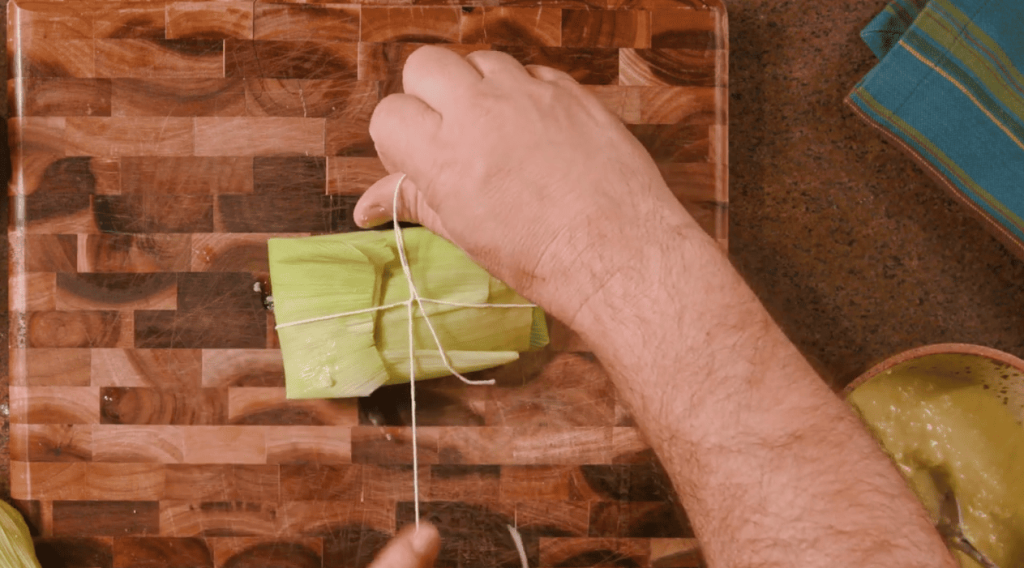
Wrapping materials also vary significantly. Dried corn husks are typical for one preparation. Fresh husks impart additional moisture and flavor to the other dish.
Flavor profiles showcase their unique identities. One offers robust, spicy notes from chili-based sauces. The other highlights natural sweetness, often enhanced with coconut milk.
Despite these contrasts, both represent portable, wrapped foods with deep cultural significance. They’re cousins in the corn family tree, each with distinctive charm.
Cooking Techniques and Texture Differences
Wrapping materials and cooking methods transform simple corn dough into distinct regional specialties. The choice between steaming and boiling creates dramatically different eating experiences.
These techniques affect everything from mouthfeel to flavor absorption. Understanding the methods helps appreciate each dish’s unique character.
Steaming, Boiling, and Leaf Wrapping Methods
Steaming creates a firm, structured result. The gentle heat cooks the masa evenly without making it soggy. This method preserves the dough’s integrity.
Boiling produces a softer, creamier consistency. The direct water contact creates a pudding-like texture. This approach highlights the natural sweetness of fresh corn.
The choice of wrapping material significantly influences the final product. Different leaves and husks serve specific purposes in the cooking process.
| Cooking Method | Wrapping Material | Resulting Texture | Cooking Time |
|---|---|---|---|
| Steaming | Dried corn husks | Firm, holds shape | 1-2 hours |
| Boiling | Fresh corn husks | Soft, creamy | 30-60 minutes |
| Steaming | Banana leaves | Moist, aromatic | 1.5-2 hours |
In tropical regions, wrapped banana leaves replace traditional corn husks. The large leaves allow for bigger portions. They also impart an earthy aroma to the filling.
The texture differences extend beyond mere consistency. Steamed versions offer more distinct layers between dough and filling. Boiled creations blend flavors more harmoniously.
These cooking techniques reflect both practical considerations and cultural preferences. The methods have been refined over generations to achieve perfect results.
Regional Varieties and Family Traditions
Family kitchens across the Americas preserve centuries-old recipes that transform simple corn into regional masterpieces. Each area develops unique versions based on local ingredients and cultural preferences.
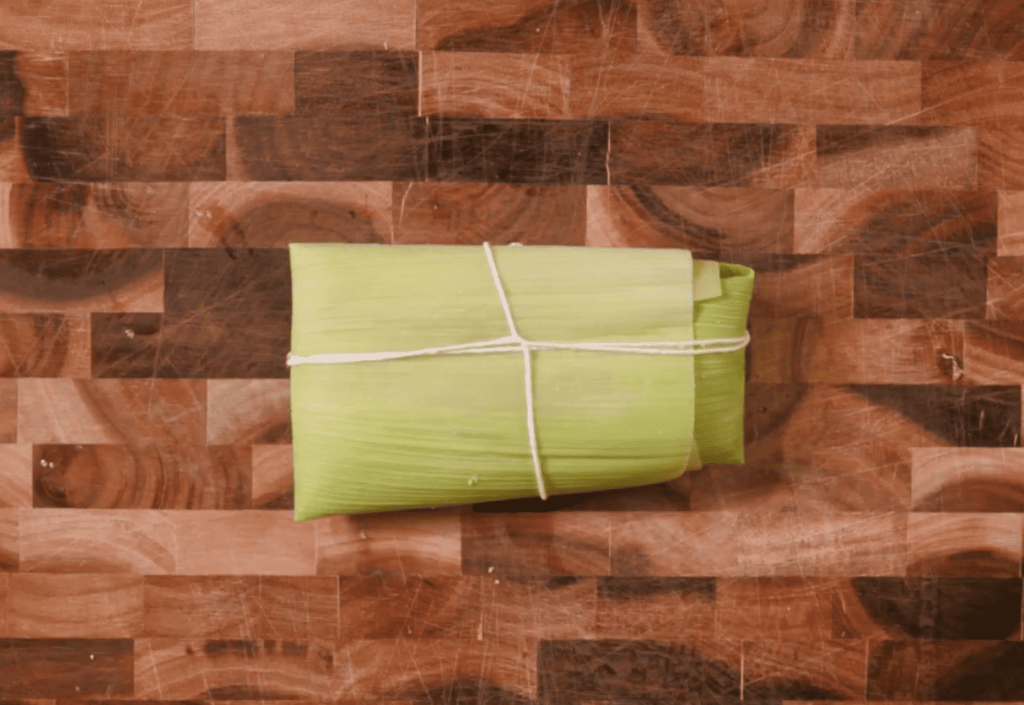
The diversity of these corn parcels is truly remarkable. From Oaxaca’s complex mole versions to Nicaragua’s massive Sunday brunch specialties, regional identity shines through.
| Region | Dish Name | Key Features | Typical Fillings |
|---|---|---|---|
| Oaxaca, Mexico | Banana Leaf Tamales | Wrapped in aromatic banana leaves | Complex mole sauces with meat |
| Nicaragua | Nacatamales | Large size, Sunday tradition | Rice, meat, vegetables |
| Guatemala | Chuchitos | Small corn husk parcels | Spicy meat fillings |
| Brazilian Regions | Local Pamonhas | Fresh corn base | Sweet coconut or savory cheese |
Family traditions surrounding these dishes are incredibly strong. Recipes pass through generations as cherished family secrets. The communal aspect of preparation strengthens bonds.
In Mexican culture, tamales made during family gatherings called tamaladas create lasting memories. Everyone contributes to the process. These culinary traditions keep the dishes alive and evolving.
Regional varieties and family customs ensure these foods remain vibrant cultural expressions. They adapt while honoring their essential character and historical significance.
Cultural Impact of Street Vendors and Festival Foods
Beyond restaurants and kitchens, these traditional foods find their true home on bustling sidewalks. Street vendors serve as cultural icons, keeping ancient recipes alive and accessible. Their affordable prices make these dishes a democratic staple for everyone.
In Brazilian neighborhoods, the afternoon air fills with a distinctive sound. A vendor rings his triangle while calling out, creating a nostalgic soundtrack. For about 50 cents, he offers fresh corn parcels that taste like tradition.
Mexican street corners feature massive steaming pots called tamaleras. These vendors provide quick breakfasts for workers starting their day. The scene represents a morning ritual across communities.
“The red light in a Guatemalan window means tamales are available tonight. This simple signal connects neighbors through shared food traditions.”
Festivals and holidays would feel incomplete without these special foods. Family gatherings during Christmas involve massive tamale preparations. Weddings and Day of the Dead celebrations feature customized versions.
| Country | Vendor Signal | Typical Time | Price Range |
|---|---|---|---|
| Brazil | Triangle bell & call | Afternoon (4 PM) | $0.50-$1 |
| Mexico | Steaming pot visible | Morning breakfast | $1-$2 |
| Guatemala | Red light in window | Evening sales | $1.50-$3 |
Each purchase from a street vendor supports small businesses and preserves family recipes. These interactions create social bonds beyond mere transactions. The cultural impact extends far beyond the food itself.
Nutritional Insights and Modern Adaptations
Looking beyond their cultural significance, these corn-based parcels offer surprising nutritional value that adapts beautifully to modern diets. The foundation of corn provides complex carbohydrates, fiber, and essential B vitamins.
Traditional recipes often used lard for richness, but contemporary versions substitute healthier fats. Vegetable shortening or olive oil creates heart-friendly options without sacrificing flavor. The protein content varies with different filling choices.
Chicken, pork, or black beans can transform these dishes into complete meals. They provide sustained energy throughout the day. Cheese additions contribute calcium and additional protein.
Sweet versions gain natural richness from coconut milk, which offers healthy fats. Modern cooks innovate with plant-based proteins for vegan tamales. They also create gluten-free versions using alternative grains.
The versatility of these dishes allows for creative adaptations. You can pack them with vegetables or use lean proteins. Portion control helps fit various dietary needs while maintaining authentic flavors.
Like any traditional food, moderation remains key. Enjoying these creations as part of a balanced diet lets you appreciate cultural treasures while maintaining good health. The ingredients you choose make all the difference.
The Enduring Legacy of Corn in Latin American Culture
Few crops have shaped human civilization as profoundly as maize, a gift from the Americas that now sustains billions worldwide. This remarkable grain’s journey from wild grass to global staple represents indigenous agricultural genius. Today, it stands alongside rice and wheat as one of humanity’s most vital food sources.
Maize as a Global Staple
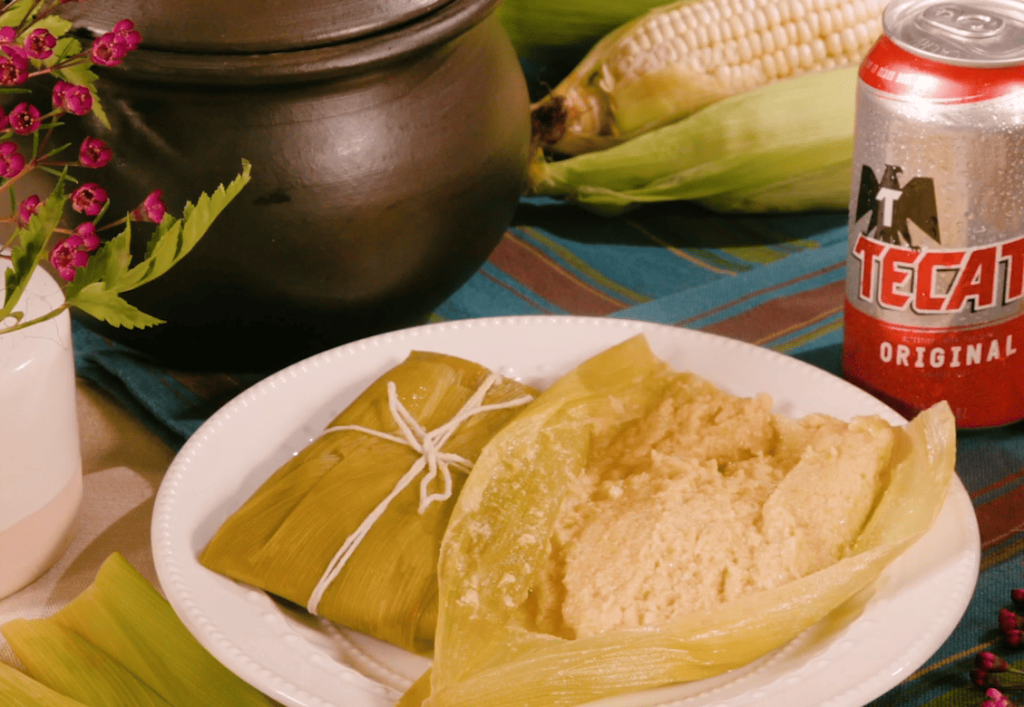
Corn feeds people across every continent, making it the Americas’ greatest contribution to global food security. Ancient Mesoamerican peoples considered maize sacred, weaving it into creation myths and daily life. Traditional dishes like tamales preserve this deep cultural connection.
These culinary traditions maintain ancient knowledge about agriculture and cooking techniques. The preparation of corn-based dishes reflects centuries of innovation. They serve as living links to ancestral practices.
Sustainability and Traditional Practices
Indigenous farmers developed brilliant polyculture systems called milpa. They grew corn alongside beans and squash in naturally balanced ecosystems. This approach required no synthetic inputs and maintained biodiversity.
The nixtamalization process used for tamales demonstrates traditional food science at its best. Treating corn with lime water increases nutritional value by making niacin more available. This ancient technique prevented deficiency diseases.
As we face modern food challenges, these time-tested practices offer valuable lessons. They show how to work with nature rather than against it. The enduring legacy of corn continues to inspire sustainable food systems worldwide.
Conclusion
Our exploration of these two corn-based treasures reveals a beautiful story of culinary diversity. The Brazilian pamonha, with its fresh, sweet base, offers a distinct experience from the complex, masa-based tamales of Mesoamerica.
These differences in texture and core ingredient highlight how geography and tradition shape a dish. One celebrates the pure flavor of fresh corn, while the other explores the depths of nixtamalized dough.
Yet, both creations share a powerful common thread. They are portable, affordable, and central to family and community life. This wonderful variety is a gift from Latin American kitchens.
We encourage you to taste both the savory and sweet versions. Seek out tamales wrapped in banana leaves or enjoy a fresh pamonha. Discover which style speaks to your palate and connects you to this rich culinary heritage.