
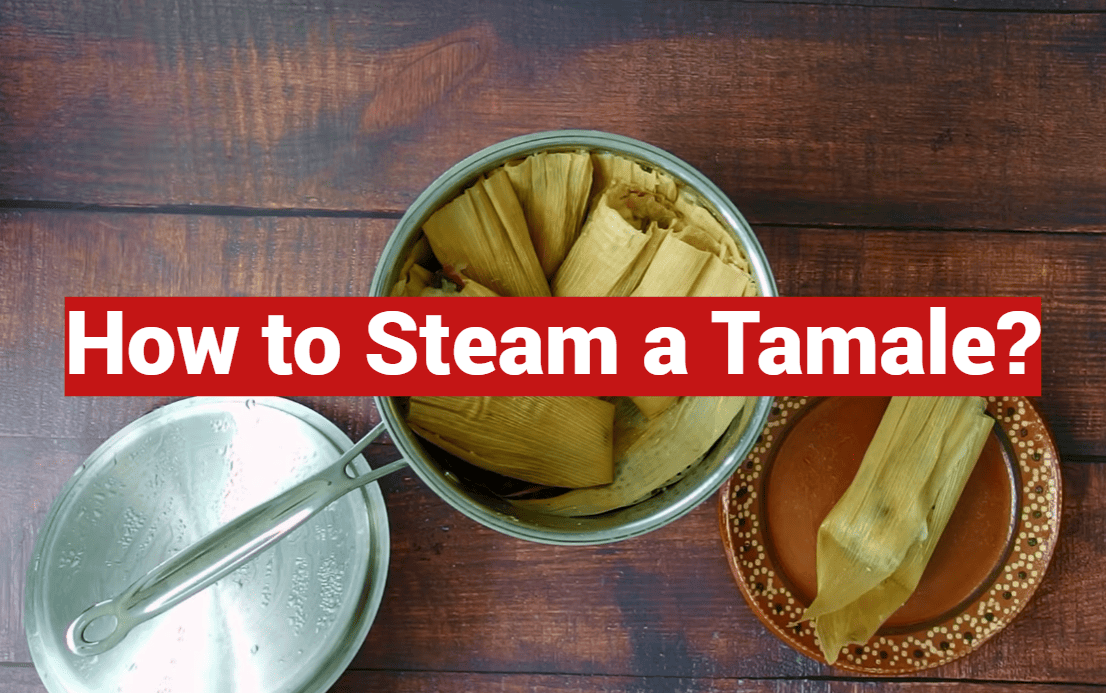
Did you know that over 50 million tamales are consumed in the United States every year? This beloved dish is more than just a meal; it’s a cultural experience that brings families together. Learning the art of steaming tamales is essential for anyone eager to dive into authentic Mexican cuisine.
Whether you prefer using a traditional pot or a modern steamer, the key is achieving perfectly cooked, moist tamales. Many home cooks dedicate years to perfecting their technique, but with the right guidance, you can achieve delicious results at home.
This guide will explore the essential methods for steaming tamales, giving you the confidence to handle both small and large batches. We’ll discuss the necessary time and equipment, ensuring every tamale turns out tender and flavorful.
By mastering this process, you’ll enjoy fresh tamales whenever you desire, regardless of your kitchen setup. Get ready to impress your family and friends with your newfound skills!
Key Takeaways
- Steaming tamales is a vital skill for authentic Mexican cooking.
- Both traditional pots and modern appliances can be used effectively.
- With proper guidance, anyone can achieve professional results.
- Understanding timing and equipment is crucial for perfect tamales.
- Managing water levels and heat is essential for moist, delicious results.
- Enjoying fresh tamales is possible with the right techniques.
Understanding the Basics of Tamale Steaming
Tamales are a staple in American cuisine, with over 50 million enjoyed annually. Steaming is essential for achieving the perfect texture and flavor. Nancy Lopez, with over 20 years of experience, emphasizes that this method keeps tamales tender and moist.
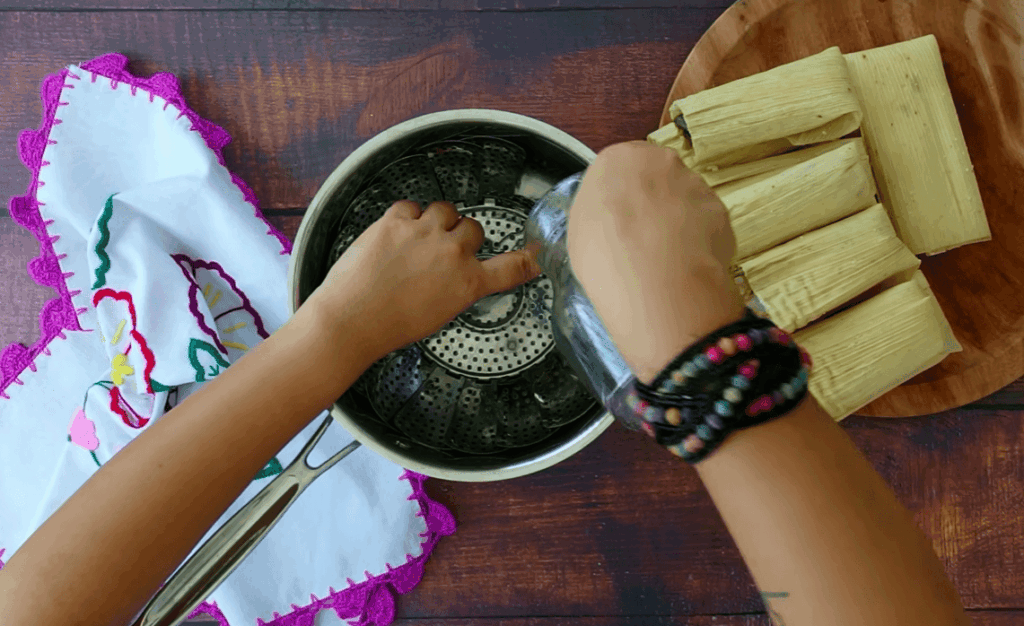
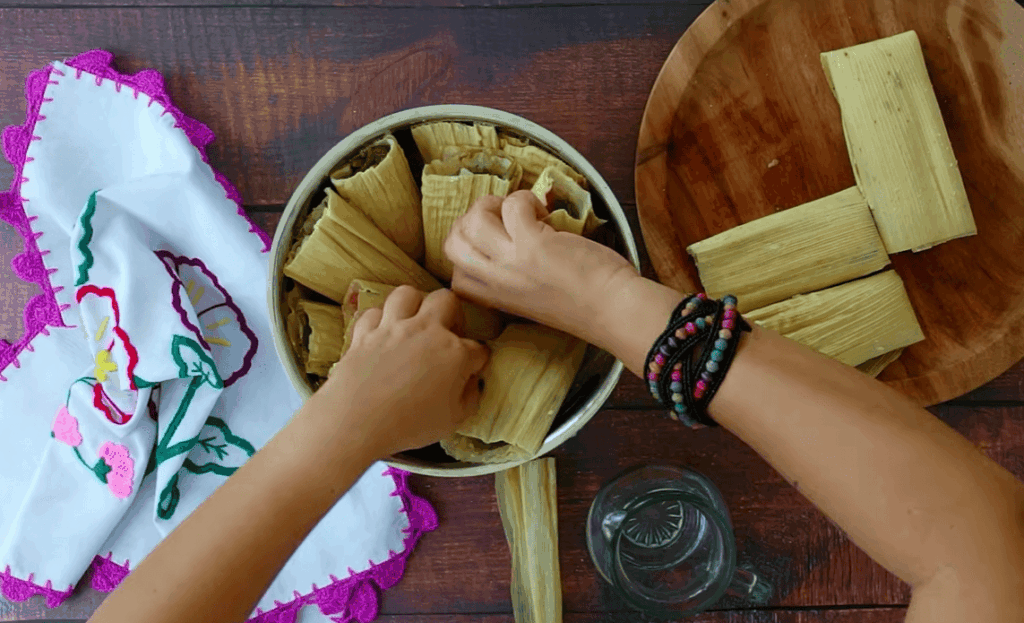
The corn husk plays a vital role in this process. It acts as a protective vessel for the masa, allowing steam to circulate evenly. When arranged properly in the pot, it ensures that each tamale cooks thoroughly.
Before placing the tamales in the pot, ensure the water reaches a boil. This is crucial for starting the cooking process effectively. Unlike corn husk tamales, banana leaf tamales can be stacked without fear of spillage, as they are securely wrapped.
A reliable way to steam tamales is to use a steamer basket, keeping them elevated above the boiling water. Patience is key; proper steaming usually takes at least one hour, while larger batches may require up to two hours. Always keep the lid tightly sealed to trap moisture and heat, allowing the masa to firm up perfectly.
Exploring Traditional Tamalera Steaming Methods
Tamales hold a special place in American culture, with countless families enjoying them together. Setting up your tamalera pot correctly is essential for perfect results. Follow these steps to ensure a successful steaming process.
Setting Up Your Tamalera Pot
Begin by lining the bottom of the pot with corn husk scraps. This keeps the tamales elevated above the water. Next, place the steamer rack inside, ensuring the water level is just below the insert. This prevents sogginess and allows for even cooking.
Step-by-Step Guide to Arranging and Covering Tamales
Arrange your tamales vertically in the pot. Make sure they are not packed too tightly; steam needs to circulate around each one. Cover the top with extra husks or aluminum foil. This helps prevent condensation from dripping back down.
Use a couple of cups of water for steaming, but monitor the pot to ensure it doesn’t run dry. If you lack a formal steaming basket, a heat-proof plate supported by foil balls can be a clever alternative. Always seal the lid tightly to maintain the pressure needed for cooking the masa evenly.
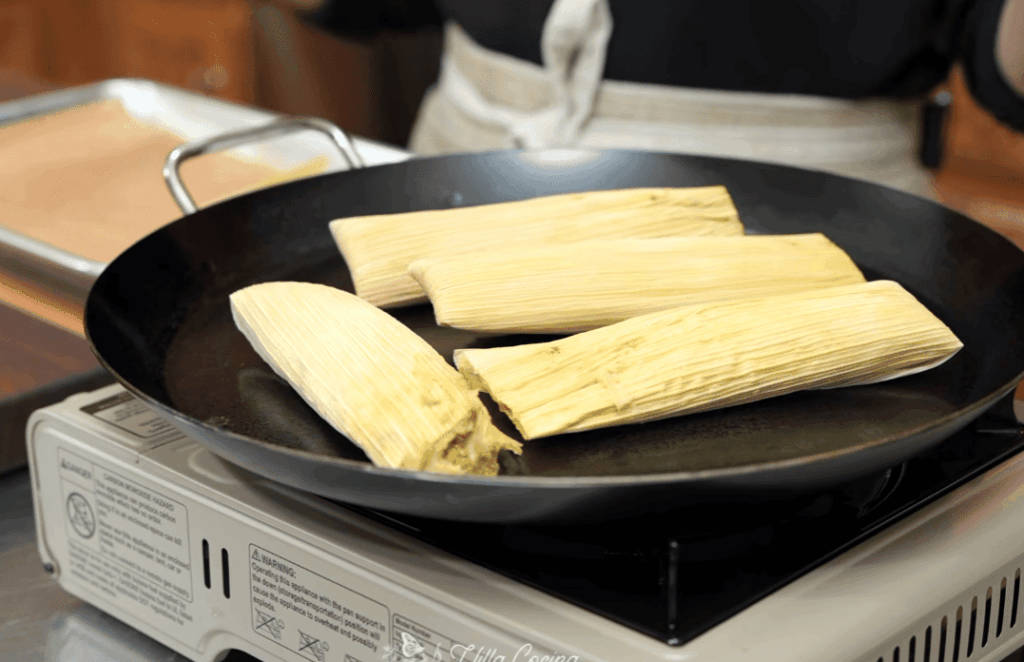
Expert Methods: How to Steam a Tamale with Modern Kitchen Tools
Embracing modern technology can simplify the process of preparing tamales. Whether you use an Instant Pot or a traditional pot, there are efficient methods to achieve delicious results.
Using an Instant Pot or Pressure Cooker
A 6qt pressure cooker can fit approximately 18 to 20 tamales in a single layer. Set it to high pressure for just 35 minutes. This quick method allows for a natural release, ensuring the masa sets perfectly.
Steaming Tamales in a Regular Pot with a Basket or Aluminum Foil
When using a regular pot, ensure the steaming basket is stable. The water should not touch the bottom of the tamales. Covering the pot with aluminum foil creates a tight seal, trapping moisture and speeding up the cooking process.
Alternative Supports: Corn Husk Scraps and Foil Balls
If you lack a rack, consider using a 3-inch aluminum foil ball as a center support. This clever trick helps keep tamales upright, allowing steam to circulate evenly.
- Using a 6qt pressure cooker is an efficient way to steam tamales.
- Set your pressure cooker to high pressure for 35 minutes for optimal results.
- Rick Martinez suggests using a 3-inch aluminum foil ball for stacking tamales.
- Always place tamales open-side up to prevent filling leaks.
- Using aluminum foil to cover the pot enhances moisture retention.
Tips, Tricks, and Troubleshooting for Perfect Results
Tamales are not just food; they symbolize tradition and family gatherings. Achieving the perfect texture requires attention to detail. Timing adjustments can significantly affect the outcome.
For checking doneness, unwrap one tamale after the cooking time. If the husk pulls away cleanly from the masa, they are ready. Remember, Nancy Lopez advises against stacking corn husk tamales. However, banana leaf tamales can be stacked without issue.
Maintaining moisture is crucial. A clean kitchen towel under the lid can absorb excess condensation. This helps keep the tamales from becoming soggy. Always monitor the water level in your pot or cooker to prevent burning.
If your tamales feel squishy, let them rest for 30 minutes. They will firm up as they lose moisture. Cover the top with aluminum foil or extra husks to prevent water droplets from making them soggy.
| Issue | Solution | Tip |
|---|---|---|
| Soggy Tamales | Use a clean towel under the lid | Cover with aluminum foil |
| Undercooked Masa | Check doneness by unwrapping | Let them rest after cooking |
| Burnt Bottom | Monitor water levels | Keep pot covered tightly |
Conclusion
Each year, millions of tamales find their way onto dinner tables across the United States. Mastering the art of preparing these delicious treats is a rewarding experience that connects you to rich culinary traditions.
Whether you opt for a traditional tamalera or a modern pressure cooker, maintaining consistent heat and proper moisture levels is essential. Following the methods outlined in this guide will help you successfully create tamales for family and friends.
Remember, patience is key. Allowing the tamales to rest after cooking ensures the perfect texture in every bite. We hope this guide has inspired you to prepare your next batch of tamales with confidence!