
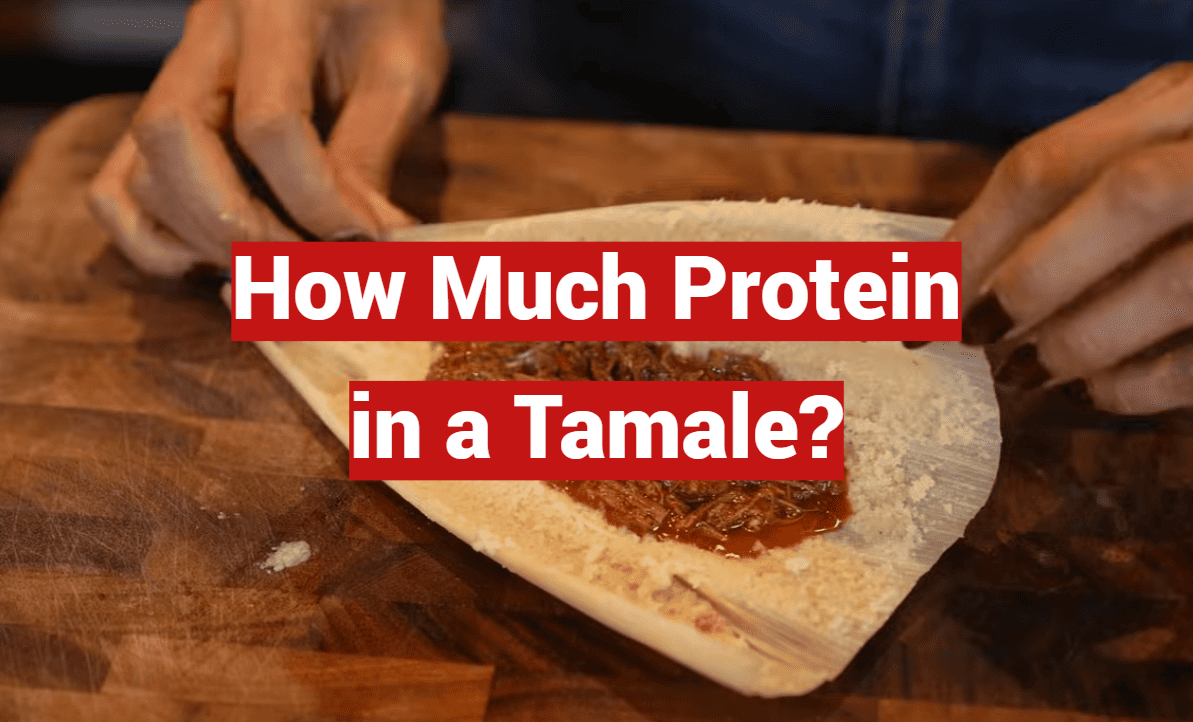
Imagine a single, steaming tamale providing nearly a quarter of your daily protein needs. This beloved dish, often seen as a simple comfort food, packs a powerful nutritional punch that might surprise you.
If you’re exploring healthy eating, you’ve come to the right place. We’re diving deep into the facts behind this traditional favorite. Understanding what’s inside helps you make smart choices for your diet.
Tamales offer a surprisingly balanced profile. The amount of protein can vary widely, from 6 to 16 grams, based on the filling and size. This guide will break down those numbers across different types.
We’ll look at various fillings and sizes to show you how this food fits into your meal plan. Forget the myth that tamales are just a guilty pleasure. They are culturally significant and can be a valuable part of a nutritious diet.
You’ll learn about the complete picture, including carbohydrates, fats, vitamins, and minerals. With the right knowledge, you can enjoy tamales in many dietary approaches.
Key Takeaways
- Tamales can be a significant source of protein, with content varying by type.
- The nutritional value of this dish is more balanced than many people assume.
- Different fillings and sizes dramatically change the protein count.
- Understanding the complete nutrition profile helps with meal planning.
- This traditional food can fit into various health-conscious eating styles.
- Portion control is key to enjoying tamales as part of a balanced diet.
Introduction to Tamales and Their Nutritional Value
The story of tamales stretches back over millennia, connecting modern kitchens to ancient Mesoamerican civilizations. These beloved tamales were a staple for the Mayans, Incas, and Aztecs.
This food symbolizes tradition and community. They are central to family celebrations and communal gatherings, making them a cultural treasure.

Historical and Cultural Significance
Their history is a fascinating journey. Enjoyed in pre-Columbian times, these tamales represent a living culinary heritage.
Tamales are more than sustenance; they are a thread connecting generations.
An Overview of Traditional Ingredients
The foundation is masa, dough from nixtamalized corn. This dough is filled with meats, cheeses, or vegetables.
It’s then wrapped in a banana leaf or corn husk and steamed. This classic method locks in flavor and moisture.
The art of making these dishes varies wonderfully by region. Each area in Mexico and Latin America adds its unique touch.
| Region | Unique Characteristic | Primary Corn Use |
|---|---|---|
| Oaxaca | Spicy mole sauce filling | Masa for tamales |
| Yucatán Peninsula | Subtle achiote seasoning | Masa for tamales |
| Various Regions | Fruit or vegetable fillings | Masa for tamales & tortillas |
Understanding this background helps us appreciate tamales as nutritious food. They offer a complete experience beyond great taste.
Understanding the Macronutrient Composition of Tamales
The nutritional profile of tamales reveals a surprisingly balanced combination of the three key macronutrients our bodies need. This macronutrient composition helps explain how tamales can fit into various eating patterns.
Breakdown of Carbohydrates and Fiber
Carbohydrates form the foundation of tamales, primarily from the corn-based masa. This provides steady energy and dietary fiber for digestive health. The carbs content typically represents about 36% of the total nutrition in a standard pork tamale.
Fiber from the masa helps with digestion and promotes feelings of fullness. This makes tamales more satisfying than many other traditional dishes.
Analyzing Protein and Fat Content
The protein content varies significantly based on the filling. Meat and cheese varieties offer substantially more than plain corn tamales. In a typical pork tamale, protein accounts for approximately 17% of the macronutrient distribution.
Fat content comes from both the lard in masa preparation and the fillings themselves. This balanced breakdown contributes to the satisfying nature of tamales as a complete meal.
| Tamale Variety | Carbohydrate Percentage | Protein Percentage | Fat Percentage |
|---|---|---|---|
| Pork Tamale | 36% | 17% | 47% |
| Beef Tamale | 32% | 20% | 48% |
| Cheese Tamale | 40% | 15% | 45% |
| Plain Corn Tamale | 55% | 8% | 37% |
This nutrition analysis shows how different varieties offer unique macronutrient composition. Filled tamales typically provide more protein and fewer carbs than unfilled versions. Understanding this breakdown helps you make informed choices about including tamales in your diet.
How Much Protein in a Tamale: Key Considerations
The actual protein contribution of this traditional dish depends heavily on both the filling choice and the physical dimensions. Understanding these factors helps you make informed decisions about including tamales in your meal planning.

Protein Content by Serving Size
A single tamale contains anywhere from 6 to 16 grams of protein based on its composition. The content varies significantly with different serving sizes and fillings.
Small tamales (approximately 100g) typically provide 8-10 grams. Medium-sized versions (around 150g) offer 10-15 grams. Large tamales (200g) can deliver 15-20 grams of this essential nutrient.
| Tamale Variety | Average Weight | Protein Content |
|---|---|---|
| Plain Corn | 166g | 6 grams |
| Pork | 142g | 11 grams |
| Beef | 140g | 11 grams |
| Cheese | 179g | 16 grams |
Comparisons with Other Protein Sources
When comparing to common foods, one medium pork tamale equals about three baked chicken tenders in both calories and protein. A 10-ounce steak with 42 grams equals approximately four large pork tamales.
The protein in meat-filled varieties is considered high-quality, containing all essential amino acids necessary for muscle repair and growth.
This nutrient contributes significantly to feelings of fullness after eating. Choosing cheese or meat-filled options makes tamales excellent protein-rich meal choices.
Delving into Calorie Counts for Different Tamale Sizes
The energy value of tamales varies significantly based on their physical dimensions and ingredients. Understanding these calories helps you make informed choices about portion control.
Caloric Impact of Small, Medium, and Large Tamales
Small tamales, weighing around 100 grams, contain approximately 200 calories. This makes them perfect as a snack or part of a larger meal.
Medium-sized versions at 150 grams offer about 250 calories. This represents the most common serving choice for many people.
Large tamales weighing 200 grams provide roughly 300 calories. These suit individuals with higher energy needs or as a main dish.
| Tamale Size | Approximate Weight | Calorie Content |
|---|---|---|
| Small | 100g | 200 calories |
| Medium | 150g | 250 calories |
| Large | 200g | 300 calories |
Adults typically need 2,000 to 2,500 calories daily. A single medium tamale represents about 10-12.5% of these needs.
Portion awareness turns cultural favorites into sustainable dietary choices.
Beef and pork varieties show similar calories at comparable weights. This knowledge allows guilt-free enjoyment of these traditional dishes.

Exploring the Vitamins and Minerals in Tamales
Beyond their satisfying taste and macronutrient balance, tamales deliver an impressive array of essential vitamins and minerals. These nutrition facts reveal that this traditional dish contributes meaningfully to your daily micronutrient needs.
The complete nutritional picture shows tamales are much more than just calories and macronutrients. They’re packed with essential vitamins and minerals that support overall health.
B Vitamins, Iron, and Other Essential Micronutrients
Tamales serve as a good source of B vitamins, particularly Thiamin (B1) and Niacin (B3). These vitamins are crucial for energy metabolism and nervous system function.
The nixtamalization process used to create masa enhances niacin’s bioavailability. This means your body can absorb and use this vitamin more effectively.
Iron content ranges from 5-20% of the daily value depending on the variety. This mineral is vital for blood health and preventing anemia.
Calcium content varies significantly by type, with cheese tamales providing up to 15% of the daily value for bone health. Other important minerals include phosphorus for bone strength and potassium for heart health.
| Micronutrient | Function | Daily Value % |
|---|---|---|
| Niacin (B3) | Nervous system health | 8-12% |
| Iron | Blood health | 5-20% |
| Calcium | Bone health | 3-15% |
| Potassium | Heart health | 5-7% |
Certain varieties contain Vitamin A (10% of daily value) and Vitamin C (4% of daily value). These nutrition facts demonstrate that tamales offer antioxidant benefits alongside their other nutritional advantages.
The micronutrient content makes tamales a valuable addition to a balanced diet. They provide substantial daily value percentages for several essential vitamins and minerals.
Carbohydrates, Fiber, and Blood Sugar Implications
Many people focus on the taste of tamales, but their carbohydrate and fiber profile offers significant health advantages. Understanding these components helps explain why this traditional dish can be part of a balanced eating plan.
Understanding the Role of Dietary Fiber
The carbs in different varieties show interesting patterns. Corn tamales contain about 44 grams of carbohydrates, while cheese versions have 32 grams. Pork tamales typically offer 22-25 grams of carbs.
Each variety provides impressive fiber content. Corn tamales deliver 5 grams (18% daily value), cheese tamales offer 4 grams (14%), and pork tamales contain 3.4 grams (12%). This substantial fiber benefit is important since most Americans don’t get enough dietary fiber.
The combination of complex carbohydrates and minimal simple sugars (1-2 grams) creates a favorable nutritional profile. Dietary fiber slows digestion, leading to more stable blood sugar levels after eating.

| Tamale Variety | Carbohydrates (grams) | Fiber Content (grams) | Daily Value % |
|---|---|---|---|
| Corn Tamale | 44 | 5 | 18% |
| Cheese Tamale | 32 | 4 | 14% |
| Pork Tamale | 22-25 | 3.4 | 12% |
Tamales contain resistant starch—a special type of carbohydrate that isn’t digested by the small intestine. This unique component offers additional blood sugar control benefits. The traditional nixtamalization process actually increases this resistant starch content.
Fiber does more than aid digestion—it creates a protective barrier against rapid blood sugar spikes.
Beyond blood sugar management, dietary fiber supports healthy digestion and promotes feelings of fullness. Understanding these carbs and fiber relationships helps people make informed decisions about portion sizes.
Saturated Fat Considerations in Traditional Recipes
While tamales offer impressive nutritional benefits, many people wonder about their saturated fat content. It’s important to address this honestly to make informed choices.
The primary source of saturated fat is the lard traditionally used in masa preparation. The fillings also contribute, especially in cheese and pork varieties.
Sources of Saturated Fat in Tamales
Different types contain varying amounts. Cheese versions typically have the highest saturated fat levels. Meat-filled options like pork also contribute significantly.
Understanding these amounts helps manage your daily fat intake. The table below shows the saturated fat content for popular varieties.
| Tamale Variety | Saturated Fat Content | Total Fat Content |
|---|---|---|
| Corn Tamale | 4.4g | 12g |
| Pork Tamale | 4g | 13g |
| Beef Tamale | 2g | N/A |
| Cheese Tamale | 7g | 21.5g |
Balancing Fat Intake for Better Health
The Dietary Guidelines for Americans recommend limiting saturated fat intake to under 10% of daily calories. This fat intake management supports heart health.
Saturated fat can increase cholesterol levels. This is especially important for those with family history or existing concerns.
Nutrition isn’t all-or-nothing. Enjoying these foods occasionally as part of a balanced diet is perfectly reasonable. Consider your overall saturated fat intake from all sources.
For a healthier option, masa can be prepared with olive oil instead of lard. This simple swap reduces saturated fat while maintaining great flavor.
Comparative Analysis of Pork, Beef, and Cheese Tamales
The nutritional landscape of tamales varies dramatically depending on whether you choose pork, beef, cheese, or corn varieties. Understanding these differences helps you select the perfect option for your meal plan.
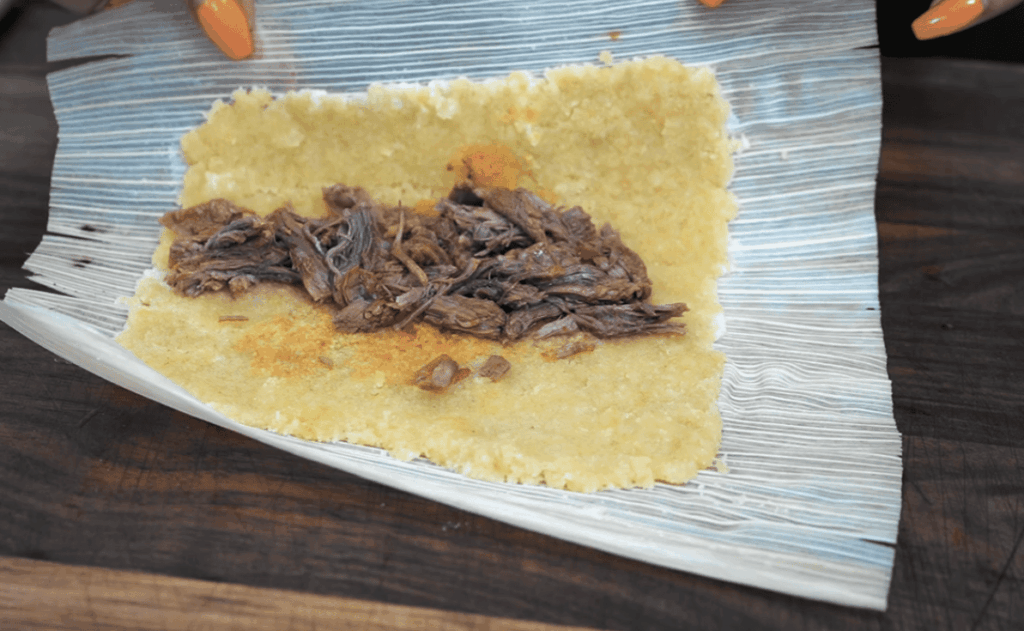
Nutritional Profiles Across Different Varieties
Cheese tamales lead in protein content with 16 grams per serving. This makes them excellent for those prioritizing muscle support. Both pork and beef varieties offer a solid 11 grams each.
Corn tamales have the lowest protein at 6 grams but highest fiber at 5 grams. They work well when paired with protein-rich sides.
| Variety | Protein (grams) | Carbs (grams) | Fiber (grams) | Saturated Fat (grams) |
|---|---|---|---|---|
| Cheese | 16 | 32 | 4 | 7 |
| Pork | 11 | 22 | 3.4 | 4 |
| Beef | 11 | 22 | 4 | 2 |
| Corn | 6 | 44 | 5 | 4.4 |
Carbohydrate content shows clear patterns. Corn tamales contain 44 grams, while meat-filled options have just 22 grams. This difference matters for blood sugar management.
Fat content varies significantly too. Cheese tamales have the most total and saturated fat. Beef tamales offer the leanest option with only 2 grams of saturated fat.
These nutrition facts reveal that pork tamales provide balanced macronutrients. They work well for most eating plans. Understanding these details lets you choose based on your health goals.
Variety keeps meals interesting. You might select different types depending on your daily nutrition needs. Each filling offers unique advantages worth exploring.
Integrating Tamales into a Balanced Diet
Transforming a tamale from a standalone treat into a cornerstone of a nutritious meal is simpler than you think. The key lies in strategic pairing and understanding its role in your overall diet.
This beloved dish fits beautifully into a health-conscious lifestyle. It’s all about building a plate that delivers complete nutrition.
Meal Pairing Suggestions for Optimal Nutrition
Filled tamales, like those with pork or cheese, are fantastic complete meals. They already offer a good balance of carbs, fats, and protein.
If you enjoy a plain corn version, consider adding a protein-rich side. This creates a more balanced plate. Think black beans, grilled chicken, or a hearty salsa.
Complementary sides add vital vitamins and fiber. They balance the richness of the main dish perfectly.
| Tamale Type | Ideal Pairing | Nutritional Boost |
|---|---|---|
| Cheese or Meat Tamales | Fresh cabbage slaw, roasted vegetables | Adds fiber, vitamins, and a light crunch |
| Corn Tamales | Black beans, pinto beans, avocado salad | Increases protein and healthy fats |
| Any Variety | Simple green salad | Provides freshness and additional micronutrients |
Portion awareness is crucial. One or two tamales with generous vegetable sides make a satisfying meal. This approach supports a healthy diet without sacrifice.
Remember, your weekly eating pattern matters more than any single food. Enjoy these traditional meals as part of your varied nutrition plan.
Tamales and Health Considerations for Diabetes and Cholesterol
Navigating diabetes and cholesterol concerns doesn’t mean giving up traditional favorites completely. With smart choices, this beloved dish can support your health goals rather than work against them.
Managing Blood Sugar with Tamale Consumption
Filled varieties work surprisingly well for blood sugar management. The combination of fiber and protein slows digestion, preventing rapid sugar spikes.
Unfilled corn versions contain more carb content with less protein. Enjoy them with protein-rich sides like beans or avocado salad. This pairing creates better blood sugar control.
Resistant starch in the masa offers additional benefits. It moderates how quickly your body absorbs carbohydrates.
Implications for Cholesterol Levels
These traditional foods provide excellent fiber content, which naturally helps manage cholesterol levels. The soluble fiber binds with cholesterol in your digestive system.
However, the lard in traditional preparation adds saturated fat. Balance your overall saturated fat intake throughout the week.
Work with your healthcare provider to determine appropriate portion sizes. Monitor your personal blood sugar response to find what works best for your health.
Nutrition doesn’t have to be all-or-nothing. You can enjoy cultural foods while prioritizing your wellbeing through mindful choices.

Tips for Healthier Tamale Preparation and Serving
The journey to healthier tamales begins with simple substitutions that maintain flavor while improving nutrition. Traditional preparation methods offer excellent starting points for creating better-for-you versions of these beloved dishes.
Small changes in ingredients and techniques can make a significant difference. You don’t have to sacrifice cultural authenticity for better health outcomes.
Ingredient Substitutions for Reduced Saturated Fat
Replace traditional lard in your masa with heart-healthy oils like olive or avocado oil. This simple swap dramatically cuts saturated fat content while preserving authentic texture.
The Dietary Guidelines for Americans recommend limiting saturated fat to under 10% of daily calories. Using oil instead of lard helps meet these dietary guidelines effectively.
Consider leaner protein choices for your filling. Chicken, turkey, or plant-based options reduce saturated fat while maintaining satisfaction.
| Traditional Ingredient | Healthier Substitute | Saturated Fat Reduction |
|---|---|---|
| Lard in masa | Olive or avocado oil | 60-70% less |
| Pork shoulder | Chicken breast or turkey | 40-50% less |
| Full-fat cheese | Reduced-fat cheese or beans | 30-40% less |
Cooking Techniques to Enhance Nutritional Value
Traditional steaming in corn husks or banana leaves is already a healthy cooking method. This technique requires no added fats while locking in moisture and flavor.
Boost vegetable content in your filling for added nutrients. Peppers, onions, and zucchini increase fiber and vitamins without adding calories.
Practice portion awareness by serving one or two tamales with generous vegetable sides. This approach supports balanced nutrition while honoring tradition.
Conclusion
Far from being just a comfort food, tamales emerge as a nutritionally complex dish worthy of celebration. They deliver 6-16 grams of protein depending on the variety, with meat and cheese versions offering the most substantial amounts.
These traditional favorites provide a well-rounded nutrition profile. They’re a good source of B vitamins, iron, and calcium while contributing at least 12% of the daily value for fiber.
Filled tamales create complete meals by balancing essential nutrients in one convenient package. While traditional preparation includes saturated fat, mindful enjoyment fits beautifully into a healthy diet.
For those managing specific health concerns, smart pairing with vegetables and lean sides makes tamales a viable choice. Knowledge empowers you to enjoy cultural food without sacrificing wellness goals.
This beloved dish represents centuries of heritage and family connection. You can honor both your health and cultural identity through balanced choices that celebrate tradition.