
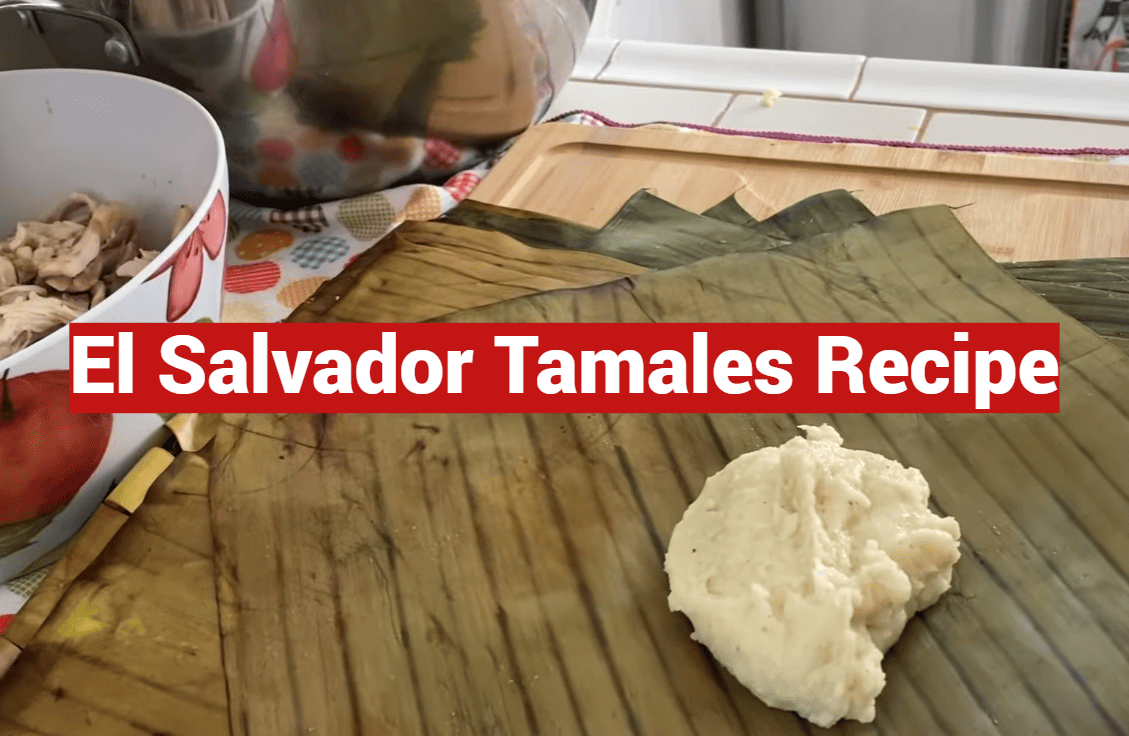
Imagine a single dish so cherished it appears at nearly 90% of family gatherings in its homeland. This beloved food is a cornerstone of Central American cuisine, a savory masterpiece wrapped in nature’s own packaging.
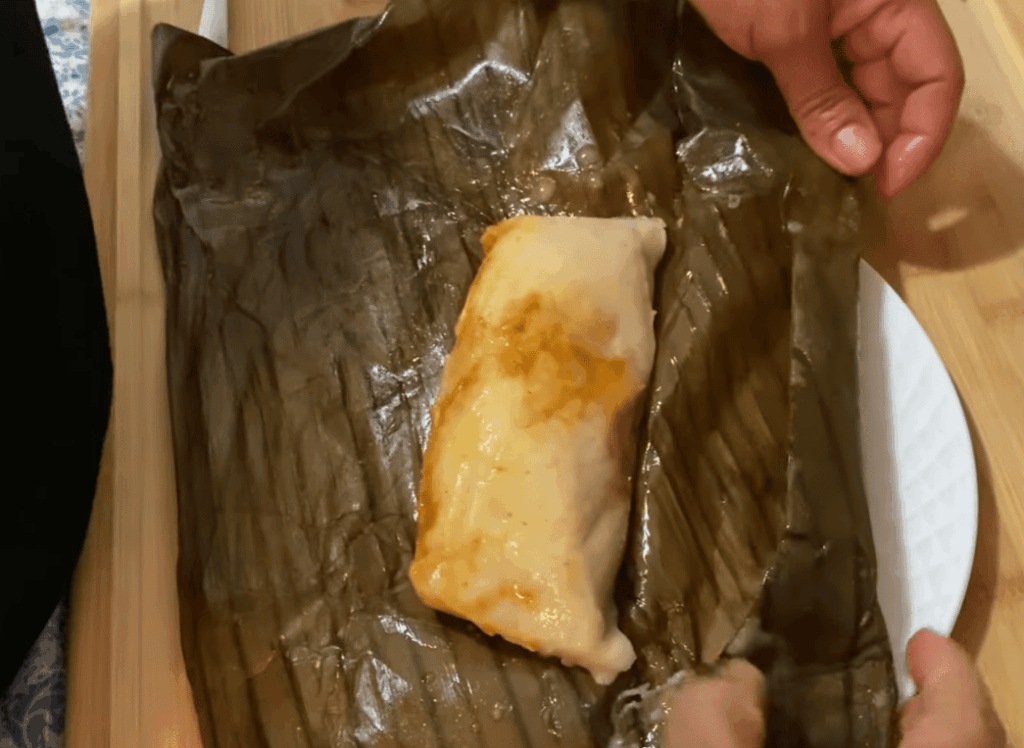
We’re diving into the world of authentic Salvadoran tamales. This treasured culinary tradition brings families together. It features a unique combination of savory corn masa, tender chicken, and aromatic sauce, all wrapped in fragrant banana leaves.
What makes this version distinct? The secret lies in the preparation. The corn batter is pre-cooked with rich chicken stock and a flavorful recaudo sauce. This creates a moist, almost pudding-like texture that is uniquely satisfying.
Our guide will walk you through every step. We’ll show you how to prepare the leaves and achieve that perfect, brothy savoriness. While the process may seem involved, we’ve broken it down into simple, manageable steps.
This traditional food is often enjoyed for breakfast or dinner. It’s frequently served with a fresh tomato sauce or a tangy fermented cabbage relish. The time you invest will be rewarded with an incredibly delicious result that captures the true heart of this nation’s cooking.
Key Takeaways
- This dish is a deeply cherished part of family and cultural celebrations.
- It is distinct from other regional varieties due to its moist, brothy texture.
- The unique flavor comes from pre-cooking the corn masa with chicken stock and a special sauce.
- They are traditionally wrapped and steamed in banana leaves, not corn husks.
- This comprehensive guide breaks the process into easy-to-follow steps for home cooks.
- The final result is a rich and flavorful experience authentic to its origins.
Introduction to Salvadoran Tamales
The story of these wrapped parcels begins thousands of years ago, when Mesoamerican cultures discovered the perfect portable meal. This culinary tradition has deep roots that connect modern kitchens to ancient civilizations.
Origins and Heritage
Archaeologists trace the earliest tamales back to 8000-5000 BC. The word “tamal” comes from the Nahuatl “tamalli,” meaning “wrapped.” Ancient peoples considered themselves “people of corn,” viewing this food as sacred.
Different civilizations developed unique approaches over time. The Aztecs held special rituals where they ate plain tamales to honor maize. Each culture contributed to the evolution of these cherished parcels.
| Civilization | Time Period | Unique Contribution | Cultural Significance |
|---|---|---|---|
| Aztec | 1300-1521 AD | Atamalcualiztli ritual | Sacred food for gods |
| Maya | 2000 BC-1500 AD | Portable warrior food | Festival celebrations |
| Olmec | 1500-400 BC | Early masa preparation | Community gatherings |
| Toltec | 800-1000 AD | Advanced wrapping techniques | Religious offerings |
Why Tamales are a Beloved Tradition
Today, making these parcels brings families together across generations. The process becomes a cherished activity that strengthens bonds. Special occasions often feature this traditional dish.
Street vendors called “tamaleras” serve them from large steaming pots. This maintains the living connection to ancient culinary heritage. Learning authentic recipes allows us to continue this beautiful tradition.
The unique use of banana leaves and pre-cooked masa distinguishes this version. Each bite connects us to centuries of cultural history while creating new memories.
Ingredients and Essential Tools
Before the cooking process begins, having all the essential elements organized makes the preparation smoother. This section covers everything you’ll need to create authentic Central American cuisine.
Key Ingredients: From Banana Leaves to Masa
The star ingredient is the banana leaf, which gives this dish its distinctive aroma. You’ll need about 4 pounds of fresh or frozen leaves.
For the masa base, use 1.5 cups of corn flour like Maseca brand. This combines with chicken broth, oil, and seasonings to create the signature texture.
The protein component calls for 1.7 pounds of boneless chicken. Vegetables include tomatoes, bell pepper, garlic, onion, potatoes, and carrots.
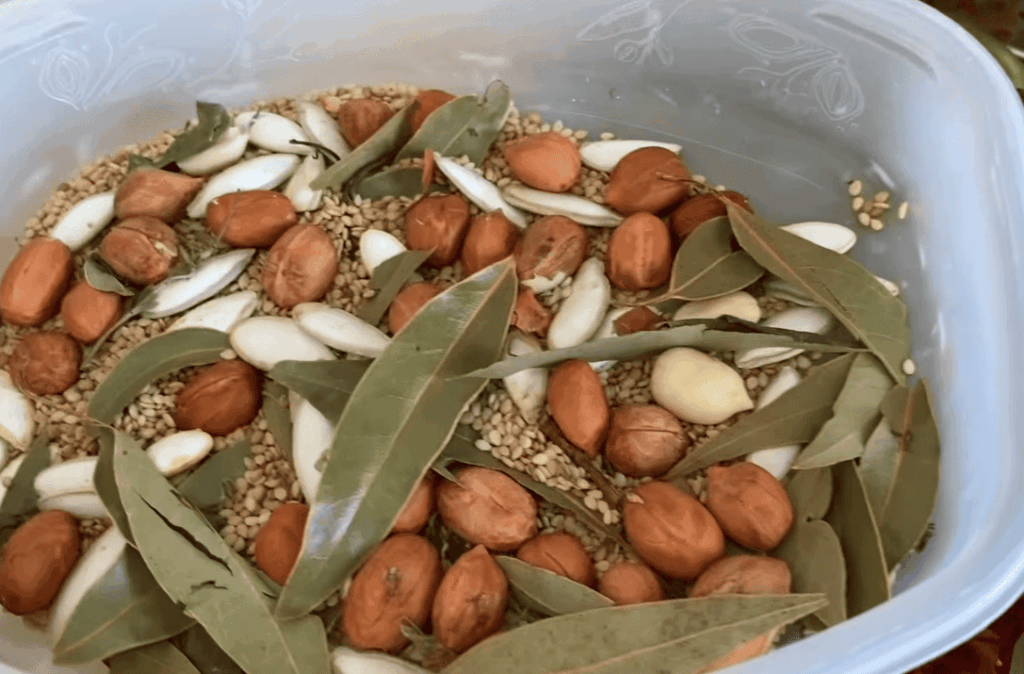
Don’t forget the special spice blend called Relajo. If unavailable, make your own with sesame seeds, black pepper, pumpkin seeds, and other spices.
Must-Have Kitchen Tools and Equipment
A large pot for steaming is essential. You’ll also need a heavy-bottomed pot for cooking the masa mixture.
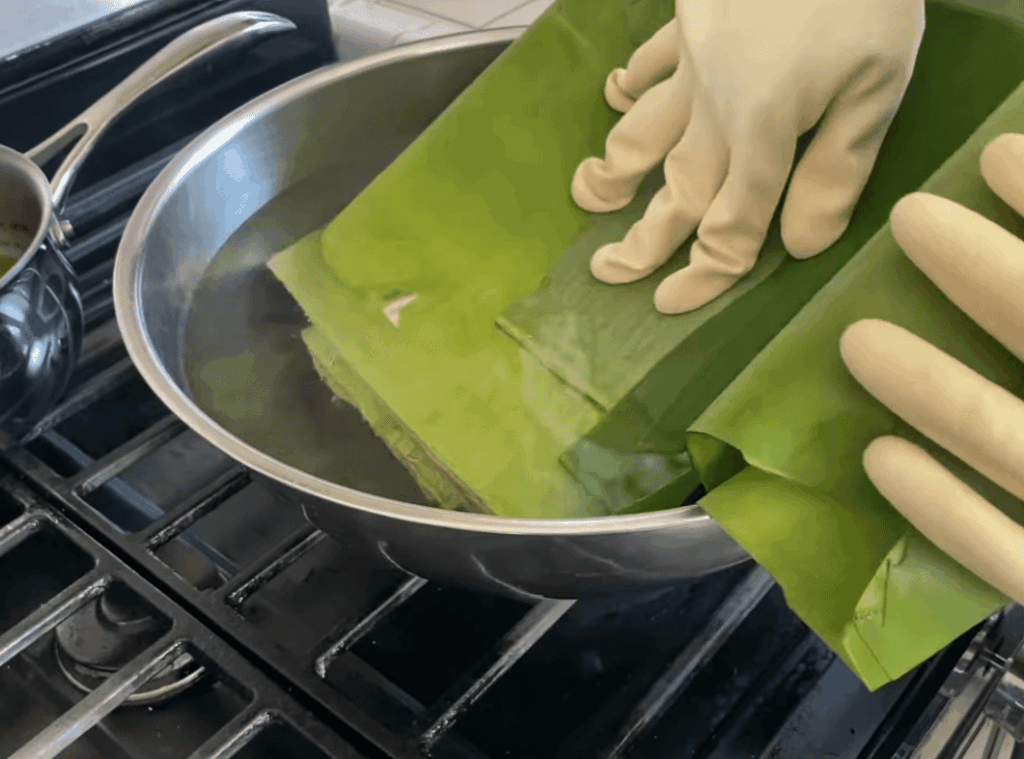
A blender helps create smooth sauces. A griddle or flat pan prepares the banana leaves properly.
Other useful tools include wooden spatulas, a fine strainer, sharp knives, and ladles for assembly.
El Salvador Tamales Recipe: Step-by-Step Instructions
The hands-on process of creating these traditional parcels transforms simple ingredients into culinary treasures. Following each step carefully ensures authentic flavor and texture.
Preparing the Filling and Broth
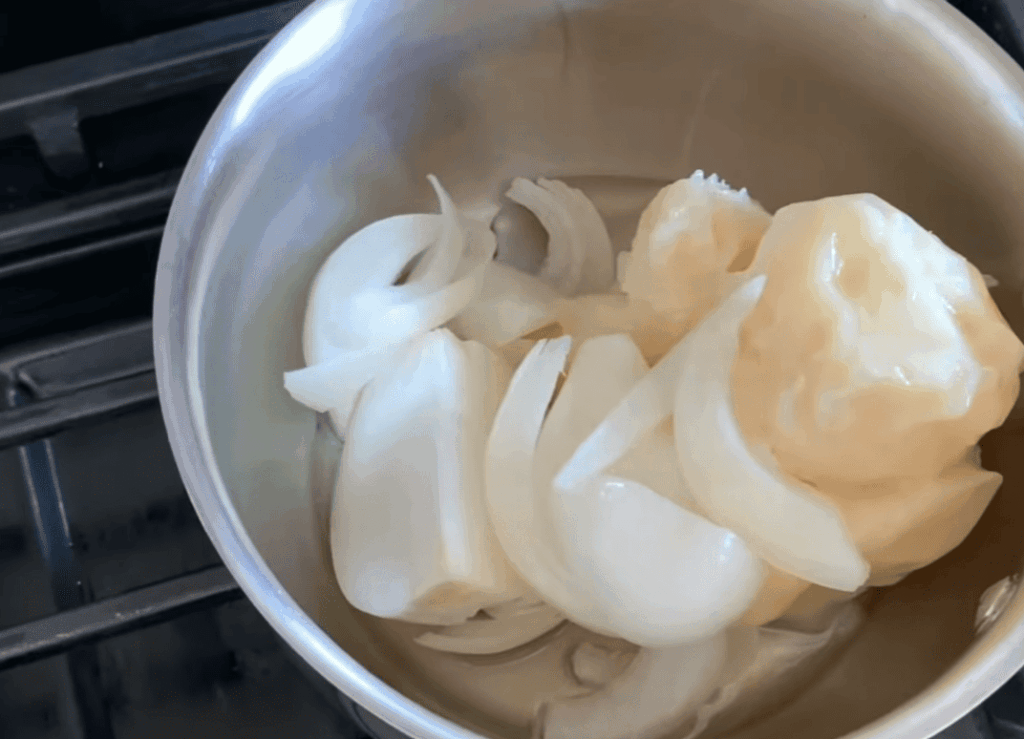
Start by cutting vegetables into small pieces. Combine them with chicken in a large pot.
Add enough water to cover everything by about three centimeters. Bring the mixture to a boil over medium heat for thirty minutes.
Remove the cooked chicken and shred it using forks. Set the meat aside in a bowl. Reserve the flavorful liquid for later steps.
| Preparation Stage | Key Technique | Time Required | Critical Tip |
|---|---|---|---|
| Leaf Preparation | Griddle Heating | 2-3 minutes per leaf | Stop when color changes from bright to soft green |
| Broth Making | Simmering | 30 minutes | Add salt only after boiling begins |
| Masa Cooking | Constant Stirring | 15-20 minutes | Never stop stirring to prevent burning |
| Final Steaming | Water Level Check | 60 minutes total | Check water every 20 minutes |
Cooking the Masa and Assembling the Tamales
Place corn flour in a container. Blend four cups of broth with vegetables until smooth.
Gradually add this liquid to the flour while stirring quickly. The dough should form a smooth paste.
Cook the mixture over medium-high heat. Continuously stir to prevent sticking. Add more broth as needed.
Wrapping and Steaming Techniques
Place two tablespoons of masa in the center of each prepared leaf. Add sauce, vegetables, and chicken on top.
Fold the leaf forward over the filling. Roll it carefully, then press firmly and fold the ends down.
Arrange the wrapped parcels in a steamer pot with folds facing down. Steam for one hour, checking water levels regularly.
Tips, Tricks, and Cooking Techniques
Mastering the final details separates good results from truly authentic ones. These expert insights help you avoid common pitfalls while achieving that perfect texture and flavor.
Enhancing Flavor with Relajo and Seasonings
If you cannot find authentic Relajo spice blend, create your own substitute. Combine sesame seeds, black pepper, pumpkin seeds, bay leaves, garlic, oregano, cumin, pasilla pepper, and achiote.
For additional depth, some cooks add ground cloves to the sauce. This provides a subtle sweet note. A teaspoon of cumin in the filling adds warmth and complexity.
The key is balancing these spices without overpowering the main ingredients. Taste your mixture as you go and adjust seasonings gradually.
Troubleshooting Common Cooking Challenges
Freshly cooked parcels will feel soft until they cool completely. Patience is essential for the proper firm texture to develop.
When preparing banana leaves, heat them until they lose their bright green color. They should show slight wrinkling but never turn brown. Test flexibility by gently crumpling a cooled leaf.
During steaming, maintain proper water levels. Add only enough to reach about four fingers above the pot’s bottom. Check every twenty minutes to prevent burning.
When cooking the corn dough, never stop stirring. Any pause can cause burning at the bottom. This creates a bitter taste that ruins the entire batch.
After cooking, pour the mixture into a container and let it rest undisturbed. Stirring during cooling causes lumpiness that’s difficult to work with.
If your creation tastes bland, increase salt, bouillon, or spices in the sauce. For breaking leaves, adjust your heating technique accordingly.
Cultural Traditions and Regional Variations
Across Latin America, wrapped corn parcels take on countless forms. Each region adds its own signature to this ancient food tradition.
These delicious creations vary significantly from country to country. Even within nations, you’ll find different family recipes and preparation styles.
History of Tamales in El Salvador and Beyond
Mexican versions use raw corn dough treated with lime. They typically feature pork fat and corn husks for wrapping.
The Salvadoran approach differs with pre-cooked masa. Chicken stock, recaudo sauce, and oil create a moist, brothy texture.
Banana leaves give these parcels their distinctive aroma and flavor.
| Country | Unique Variety | Key Ingredients | Special Characteristics |
|---|---|---|---|
| Guatemala | Tamales Colorados | Chicken, olives, bell pepper | Tomato-based recado sauce |
| Nicaragua | Nacatamales | Raw meat in dough | Large size, complex filling |
| Costa Rica | Tamales Mudos | Plain masa | No filling, Christmas tradition |
| Argentina/Chile | Humita | Fresh corn | Savory or sweet versions |
| El Salvador/Honduras | Tamales Pisques | Refried beans | Vegetarian, marbled appearance |
Modern Twists on a Classic Recipe
Contemporary cooks experiment with healthier oils and different proteins. Turkey or pork sometimes replaces traditional chicken.
Vegetarian versions grow more popular each year. Creative additions like cheese or regional vegetables personalize family recipes.
These adaptations maintain the essential character while reflecting modern tastes.
Conclusion
You’ve now mastered the art of creating authentic Salvadoran tamales from start to finish. This complete guide has walked you through preparing aromatic banana leaves, cooking flavorful chicken broth, and assembling these delicious bundles.
The unique character comes from pre-cooked corn dough enriched with rich broth and oil. Your tender filling combines perfectly with the savory sauce made from tomatoes, bell peppers, and garlic.
While this recipe requires time and patience, the results are absolutely worth the effort. Your steaming pot will yield delicious meals for days ahead.
Serve your creations slightly cooled for ideal texture. Store extras in the refrigerator or freezer for convenient future meals.
This cooking experience connects you to generations of culinary tradition. Share these flavorful parcels with family and friends to continue the beautiful practice.
Your kitchen now holds the authentic taste of Central American heritage.