
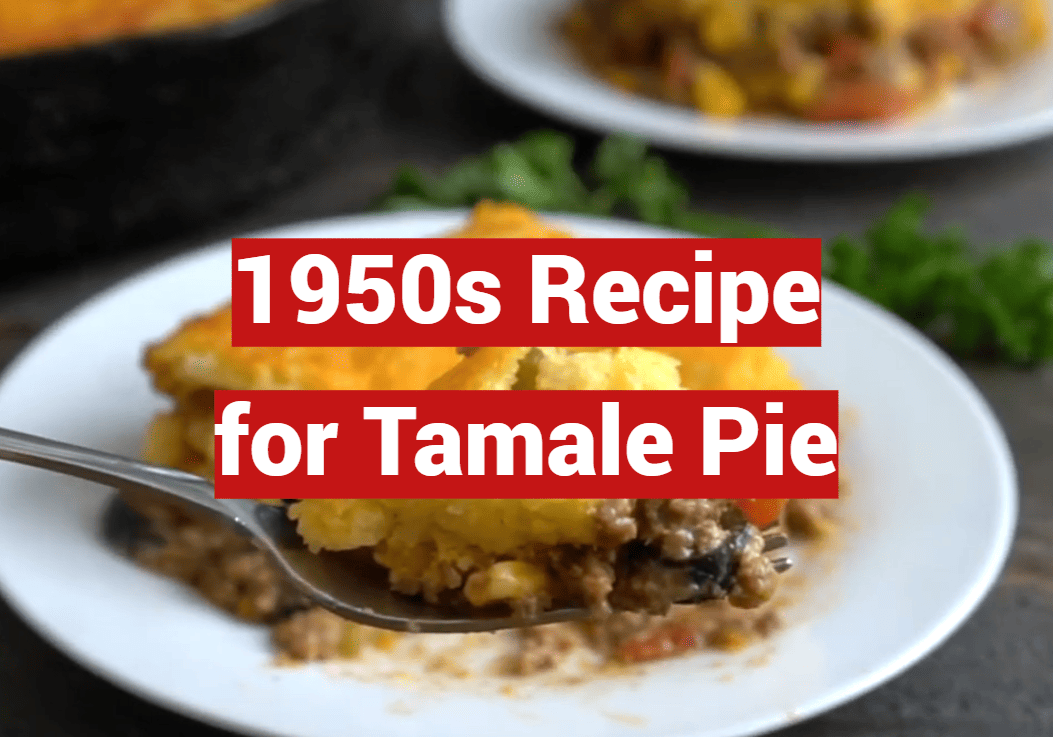
Did you know that this beloved casserole appears in over 15,000 community cookbooks from the mid-century era? That’s how deeply this comfort food became embedded in American family traditions.
What makes this particular version so special is its perfect balance of Mexican-inspired flavors with classic American convenience. It has remained a family favorite for generations because it delivers incredible taste with minimal effort.
The magic happens when seasoned ground beef meets a golden cornmeal crust and bubbling melted cheese. This easy tamale creation brings everything together in one satisfying dish that can feed an entire family.
This approach to cooking represents a fascinating time in American history. After World War II, home cooks relied heavily on church and community collections for culinary inspiration. They valued dishes that were both economical and crowd-pleasing.
What’s remarkable is how accessible this classic remains today. You likely have most ingredients already in your pantry. The techniques are straightforward enough for beginners yet satisfying for experienced cooks.
Whether you need a quick weeknight solution or a potluck contribution that earns rave reviews, this timeless dish delivers. It connects us to culinary traditions while fitting perfectly into modern busy lives.
Key Takeaways
- This dish combines Mexican-inspired flavors with American casserole convenience
- It has remained popular for over seven decades across generations
- The preparation uses basic pantry staples and simple techniques
- Perfect for both weeknight dinners and crowd-pleasing potlucks
- Represents classic post-war American home cooking traditions
- Accessible for cooks of all experience levels
- Brings together seasoned meat, cornmeal, and cheese in one dish
Introduction and Overview
The enduring appeal of certain dishes lies in their perfect blend of simplicity and satisfaction, creating traditions that span generations. This exploration reveals why some culinary creations become permanent fixtures in family kitchens.
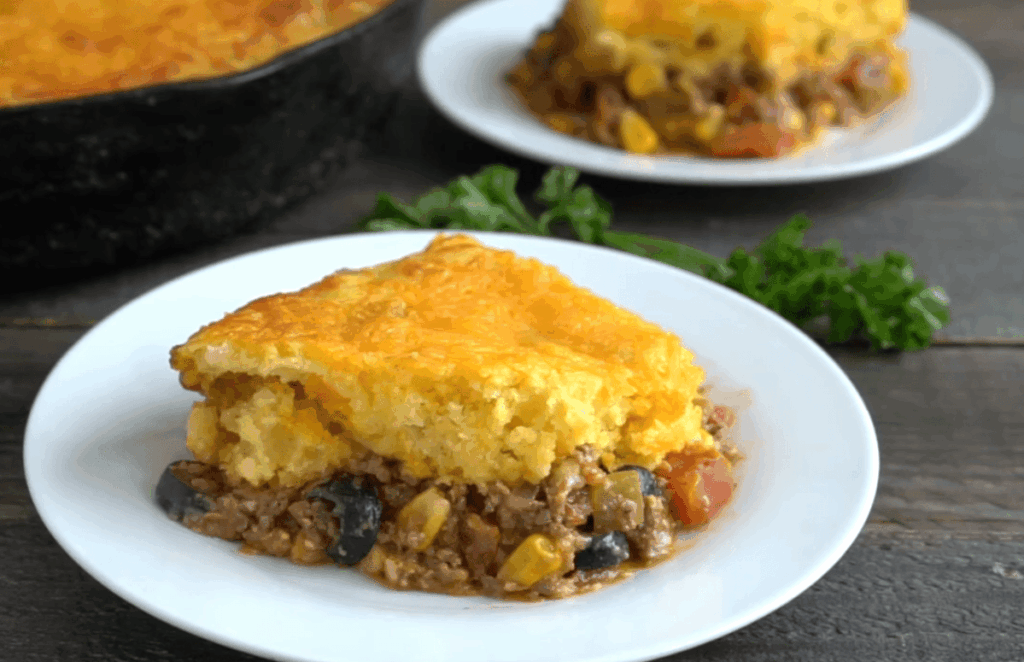
What Makes This Recipe Timeless?
Certain meals earn their place through reliability and accessibility. They use basic ingredients most pantries already contain. The preparation methods are straightforward enough for beginners.
One cook’s handwritten note captures this essence perfectly: “I made this a lot years ago. It was very good and very easy.” This combination of quality and convenience explains lasting popularity.
The dish represents comfort food at its finest. It brings together hearty components in one simple preparation. This approach saves time while delivering maximum flavor.
A Glimpse into Mid-Century Home Cooking
Before modern food media, church cookbooks served as primary recipe sources. Community collections shared proven dishes that worked for busy families. These resources emphasized economical, crowd-pleasing options.
The cooking philosophy valued practicality above all else. Homemakers needed dishes that were filling and budget-friendly. They sought meals that could feed large families without complexity.
This particular creation gained early popularity as a wheat-saving option. It experienced renewed interest when families embraced convenient casserole-style preparations. The balance of Mexican-inspired flavors with American convenience made it ideal.
| Timeless Dish Characteristics | Modern Counterparts | Why It Endures |
|---|---|---|
| Simple, pantry-staple ingredients | Specialty or hard-to-find items | Accessibility for any cook |
| Straightforward preparation methods | Complex techniques requiring skill | Approachable for all experience levels |
| One-dish cooking approach | Multiple components and pans | Time efficiency and easy cleanup |
| Balanced, familiar flavors | Trend-driven or exotic tastes | Broad family appeal across generations |
The History and Cultural Significance of Tamale Pie
While many classic dishes have clear origins, this one’s beginnings are shrouded in the rich history of Tex-Mex cuisine. The exact inventor remains unknown, adding to its mysterious appeal.
Origins in Tex-Mex Cuisine
This beloved creation emerged in early 1900s Texas. It represented a brilliant fusion of Mexican tamale flavors with American casserole convenience.
The innovative approach made authentic tamale-making accessible to home cooks. It used familiar ingredients in a practical format.
Evolution Through the Decades
World War I brought unexpected popularity to this comfort food. A wartime cookbook promoted it as a patriotic meal that conserved wheat.
Families embraced the cornmeal-based dish during rationing periods. Its practicality ensured lasting appeal beyond the war years.
This enduring comfort food continues to grace family tables today. It represents how immigrant traditions adapt while maintaining core flavors.
Authentic 1950s Recipe for Tamale Pie
What separates this vintage preparation from contemporary versions is its commitment to from-scratch simplicity. The method builds flavors logically while using kitchen staples most homes already contain.
Highlighting the Traditional Method
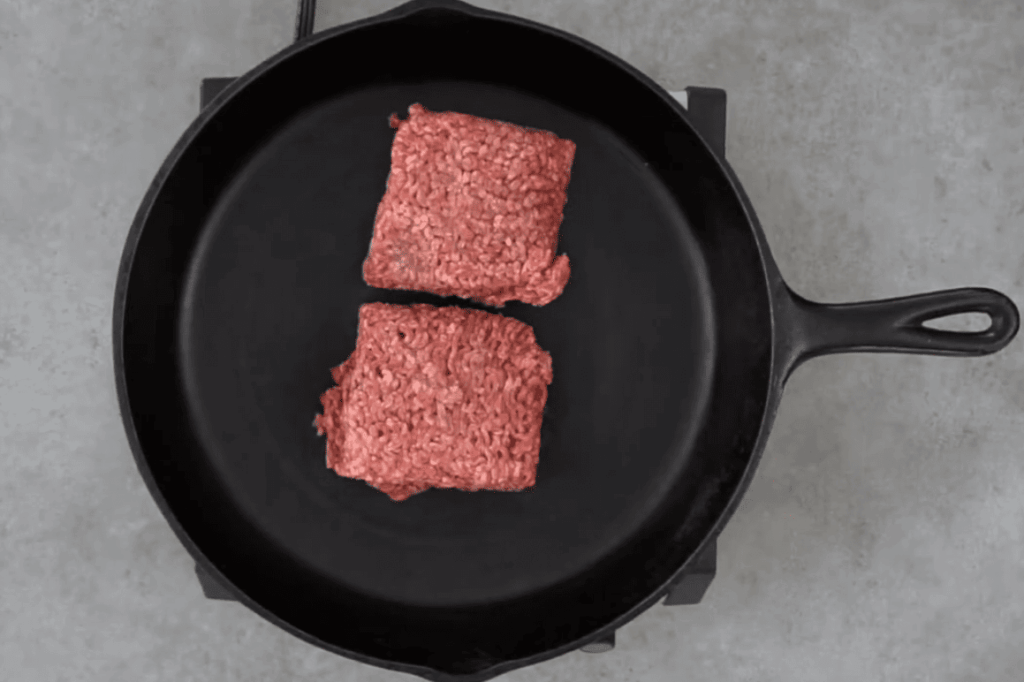
This approach begins with properly browning ground beef to develop rich flavor. Classic spices like chili powder and cumin create the authentic taste profile.
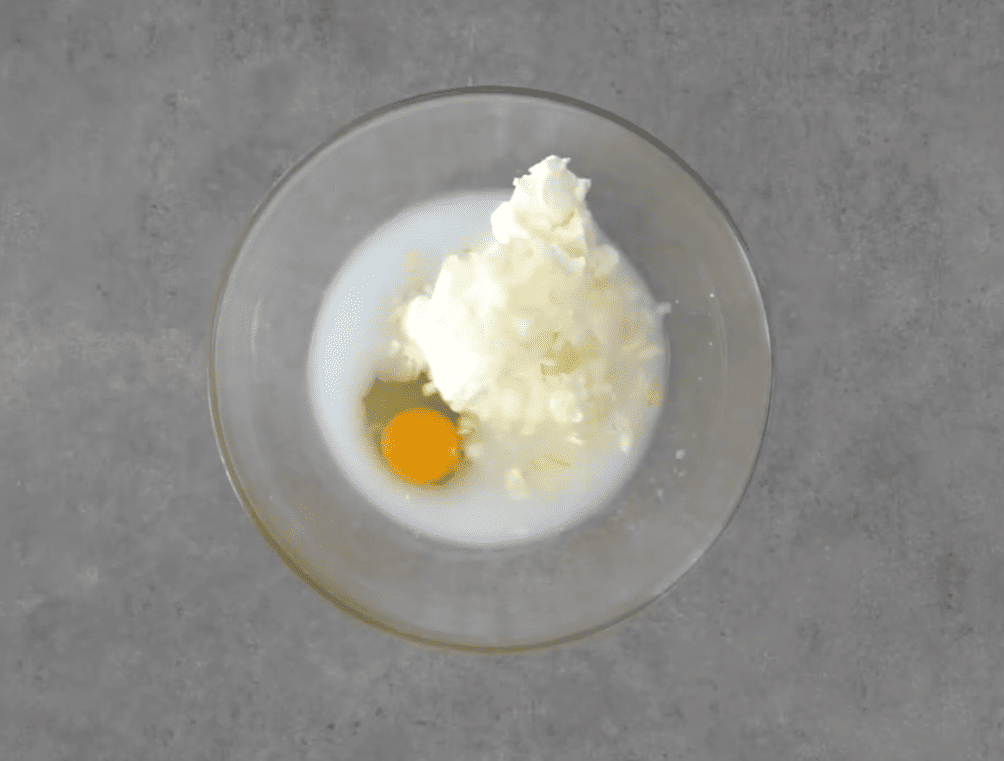
The cornbread topping mixes cornmeal with sour cream, milk, and eggs. This creates a tender crust that complements the hearty filling perfectly.
Why This Recipe Stands Out
This particular version delivers homemade tamale flavors without complex techniques. It represents practical mid-century cooking philosophy at its finest.
The balance between savory meat filling and slightly sweet cornbread makes this dish special. Each component enhances the other without overpowering.
| Traditional Approach | Modern Shortcuts | Flavor Impact |
|---|---|---|
| From-scratch cornbread mixture | Boxed cornbread mixes | Fresher, more authentic taste |
| Proper meat browning technique | Quick-cooked ground beef | Deeper, richer meat flavor |
| Layered assembly method | Mixed ingredients | Distinct textural contrast |
| Simple spice combinations | Complex seasoning blends | Clean, balanced flavors |
This easy tamale pie recipe remains practical for today’s cooks. It requires no special equipment or hard-to-find ingredients.
Essential Ingredients and Their Role in Flavor
Every ingredient in this classic preparation serves a specific purpose, from texture to taste development. The right choices make all the difference in achieving authentic results.
Ground Beef, Cornmeal, and Sour Cream
Selecting ground beef with adequate fat content is crucial for flavor. The fat contributes rich taste and moisture to the meat filling. Leaner cuts may require less draining but offer different results.
Traditional yellow cornmeal provides the authentic golden color and taste. White varieties work well as substitutes. Full-fat sour cream creates the ideal texture in the cornbread topping.
It contributes to a tender crumb and balanced tanginess. This complements the savory filling perfectly. Proper measuring ensures the right balance between components.
Chili Powder, Jalapeños, and Key Spices
Chili powder and cumin form the foundation of authentic Tex-Mex flavor. These spices deliver the characteristic warmth and depth that define the dish.
Jalapeños add controllable heat, while fire-roasted tomatoes contribute smoky complexity. Cheese selection also impacts the final result significantly.
Options like sharp cheddar or Monterey Jack offer distinct melting qualities and flavor profiles. Each choice creates a slightly different eating experience.
Step-by-Step Preparation Process
Building this hearty casserole involves two main components that come together in perfect harmony through careful layering. Following the proper sequence ensures each element develops its full potential.
Mixing the Ingredients
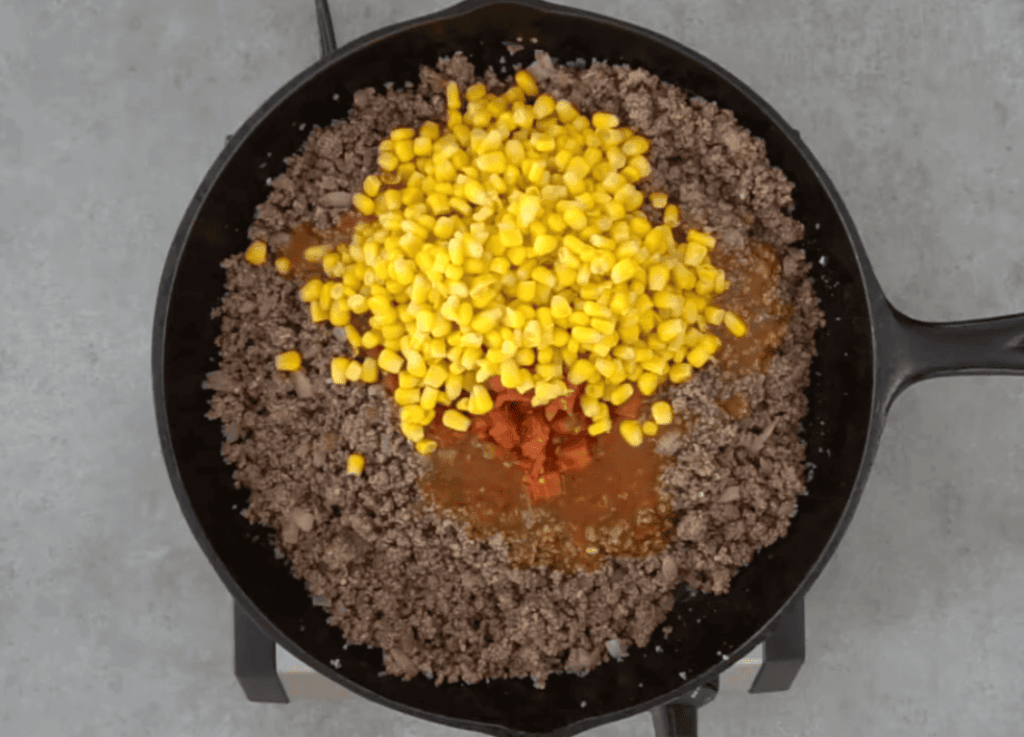
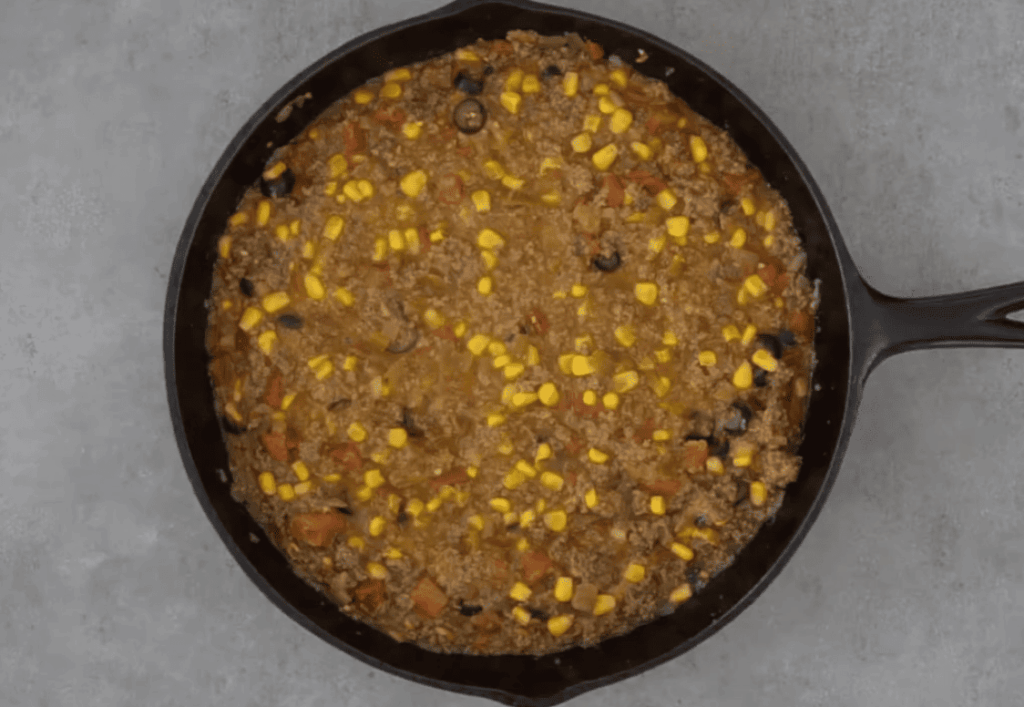
Begin by browning your ground beef in a large skillet over medium heat. When the beef is halfway cooked, add onions, bell peppers, and jalapeño.
Continue cooking until the ground meat is fully browned and vegetables soften. Reduce heat to low before adding garlic for about one minute.
For the cornbread topping, whisk dry ingredients in a large bowl. Combine cornmeal, flour, baking powder, and salt thoroughly before adding wet components.
Layering the Filling and Topping
After simmering the meat mixture for ten minutes, spoon it evenly into your baking dish. Spread the savory filling to create a uniform base.
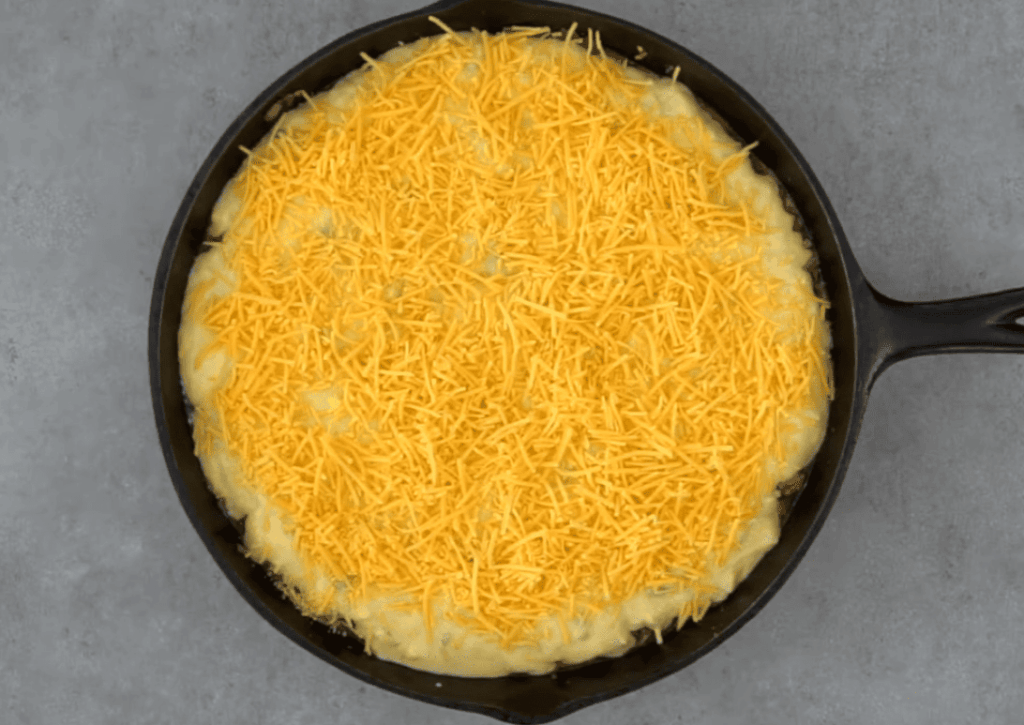
Top with the cornbread mixture, using a spatula to smooth the surface. Finish with extra cheese and jalapeño rings for visual appeal.
The layering technique creates distinct textures that bake beautifully together. Each component maintains its character while complementing the others.
| Preparation Step | Key Technique | Time Required |
|---|---|---|
| Meat Browning | Medium heat, halfway vegetable addition | 8-10 minutes |
| Simmering Filling | Low heat, gentle bubbling | 10 minutes |
| Cornbread Mixing | Dry then wet ingredients | 5 minutes |
| Final Assembly | Even spreading, careful layering | 3-4 minutes |
Cooking Techniques and Tips for Success
The difference between a mediocre dish and a spectacular one often comes down to proper technique. Mastering these methods ensures your creation turns out perfectly every time.
Begin by preparing your equipment correctly. Preheat your oven to 400°F before starting any cooking. Lightly grease an 11×7 inch casserole dish to prevent sticking.
Browning the Meat Perfectly
Proper meat preparation builds flavor foundations. Use a large skillet over medium heat to brown your ground meat for 3-4 minutes before adding vegetables.
This initial browning develops rich, caramelized flavors. After reducing heat and adding remaining ingredients, remove excess grease. This prevents oiliness while preserving flavorful fat.
Achieving a Golden Brown Topping
The final appearance matters as much as taste. Bake for 40-45 minutes until edges turn golden brown. Use the toothpick test for doneness.
Insert a toothpick into the center—it should come out clean. If the surface browns too quickly, cover loosely with foil. This protects the topping while the interior sets.
Let the dish rest for 10 minutes before serving. This allows the layers to set properly. Use a sharp knife and sturdy spatula for clean slices.
Flavor Enhancements and Seasoning Secrets
Proper seasoning techniques can elevate a basic casserole into a flavor-packed masterpiece with traditional Mexican influences. The right balance of spices transforms simple ingredients into an authentic experience.
Boosting Taste with Traditional Spices
The foundation of this dish’s flavor comes from precise measurements. Using 1½ tablespoons of chili powder and 2 teaspoons of ground cumin creates the perfect earthy warmth.
These spices bloom beautifully when added to hot oil from browned meat. This technique releases their full aromatic potential. Always season your meat mixture with salt and black pepper to taste.
Fire-roasted tomatoes add smoky depth that complements the spice blend. For adjustable heat, jalapeños can be swapped with mild green chiles. Let the mixture simmer to allow flavors to meld together.
| When to Add Spices | Technique Used | Flavor Result |
|---|---|---|
| During meat browning | Bloom in hot oil | Deeper, richer flavors |
| After adding tomatoes | Simmer to meld | Integrated, balanced taste |
| Final adjustment | Taste and season | Perfect personal balance |
| With cornbread topping | Light seasoning | Complementary contrast |
Always taste your filling before assembly. Adjust salt and pepper until the flavors sing. This attention to seasoning makes all the difference.
Serving Suggestions and Accompaniments
Presentation matters as much as preparation when serving this classic comfort food. The right toppings and sides transform a simple casserole into a memorable meal experience.
Pairing with Fresh Salsa and Sour Cream
Create a taco-bar style serving station for interactive dining. Let guests customize their portions with cool, creamy toppings.
Fresh cilantro and diced tomatoes add brightness. Sour cream provides a refreshing contrast to the warm filling.
One satisfied cook noted: “The cool toppings make the warm casserole even better. My family loves building their own plates.”
| Cool Toppings | Crunchy Additions | Flavor Impact |
|---|---|---|
| Sour cream | Shredded lettuce | Creamy contrast |
| Diced avocado | Crushed tortilla chips | Rich texture |
| Fresh cilantro | Diced onions | Herbal freshness |
| Lime wedges | Jalapeño slices | Bright acidity |
Side Dishes to Complete the Meal
This hearty dish stands alone but pairs beautifully with simple sides. Mexican coleslaw adds crunch while cilantro lime rice complements the flavors.
For special occasions, consider bacon-wrapped jalapeño poppers or elotes. The top your creation with extra cheese and fresh cilantro for visual appeal.
Even steamed rice makes a sufficient accompaniment. The versatility suits both weeknight dinners and festive gatherings.
Modern Twists and Gluten-Free Variations
Today’s cooks often seek ways to adapt classic dishes to fit modern dietary needs. This beloved comfort food offers wonderful flexibility for contemporary kitchens.
You can easily modify the protein while keeping the essential character intact. Many families enjoy lighter versions using poultry instead of red meat.
Substituting with Chicken or Turkey
For a delicious chicken variation, replace the ground beef with three cups of shredded chicken. You can boil chicken breasts for twenty minutes or use an Instant Pot for eight minutes.
Combine the shredded chicken with chili powder and enchilada sauce. Layer it with the cornbread topping and bake at 375°F. This creates a lighter pie that many prefer.
Ground turkey or pork also work well as substitutes. Each protein brings its own unique flavor profile to the casserole. The preparation method remains essentially the same.
Adapting for Gluten-Free Diets
Creating a gluten-free version requires careful ingredient selection. While cornmeal is naturally gluten-free, some brands process it on shared equipment.
Always check labels for certification. Cream-style corn may contain questionable food starches. Use trusted brands like LaVictoria enchilada sauce for safety.
The small amount of sugar in the topping can be eliminated if desired. However, it contributes to the traditional slightly sweet taste that characterizes this easy tamale creation.
These adaptations make the recipe accessible to more people without losing its comforting appeal. The essential flavors and textures remain beautifully intact.
Nutritional Breakdown, Storage, and Leftover Tips
Knowing how to properly store and reheat this beloved casserole ensures every serving tastes as delicious as the first. Each portion provides balanced nutrition with approximately 370-412 calories.
The nutritional profile includes 22-29 grams of protein and 27-30 grams of carbohydrates. With 18-21 grams of total fat, this makes for a satisfying meal that fuels your body well.
Store leftovers in an airtight container in the refrigerator for 3-4 days. This prevents the cornbread topping from drying out while maintaining freshness.
For reheating, use your microwave at reduced power for even heating. Alternatively, place the dish in a 325-degree oven for about 20 minutes until warmed through.
Freezing is simple with sturdy containers or double plastic wrap. The pie keeps well frozen for 2-3 months. Thaw overnight in the refrigerator before reheating.
The best part? You can assemble the entire casserole ahead of time. Refrigerate until ready for baking, saving precious time on busy days. This makes meal planning incredibly convenient.
Whether enjoying fresh from the oven or reheated later, this dish maintains its wonderful texture. Proper storage ensures every baking session delivers maximum enjoyment.
User Experiences and Expert Tips for Improvement
Community feedback transforms a good recipe into a foolproof family favorite through shared insights. Home cooks who have prepared this dish countless times offer valuable guidance that helps newcomers achieve perfect results every time.
Common Mistakes and How to Avoid Them
The most frequent issue occurs when the top browns too quickly. If this happens, simply cover the dish loosely with aluminum foil during the final minutes of baking.
Another key tip involves cooling time. Let the finished creation rest for about 10 minutes before slicing. This allows the layers to set properly.
Use a sharp knife with a sturdy spatula for clean, attractive portions. This technique ensures each slice maintains its beautiful layered appearance.
Community Feedback and Recipe Tweaks
One enthusiastic cook shared: “I made this the other week and it was sooo good. I’m making it tomorrow for our Wednesday night dinner at our daughter’s house. I can’t wait for them to try it. This is a wonderful recipe and easy to make.”
Many experienced cooks prepare this dish in a cast iron skillet for even heating. Others transfer the meat mixture to a separate baking dish after cooking.
Some variations include poking holes in the baked cornbread and pouring enchilada sauce over it before adding the meat layer. This creates extra moisture and flavor throughout the easy tamale pie.
Conclusion
The true test of any classic dish is how well it bridges the gap between tradition and modern convenience. This beloved tamale pie demonstrates that timeless appeal comes from balancing authentic flavors with practical preparation.
Despite its vintage origins, this recipe remains remarkably relevant for today’s kitchens. The combination of seasoned ground beef and golden cornbread creates a satisfying casserole that appeals to all ages. It adapts beautifully to modern dietary needs while keeping its essential character intact.
We encourage you to try this comforting dish and make it your own. Whether following the traditional method or adding personal touches, you’ll discover why this creation has stood the test of time. The perfect cornbread topping and savory filling make every bite worth the effort.
This easy tamale pie proves that great food doesn’t need to be complicated to be memorable. It’s a recipe worth passing down through generations.