
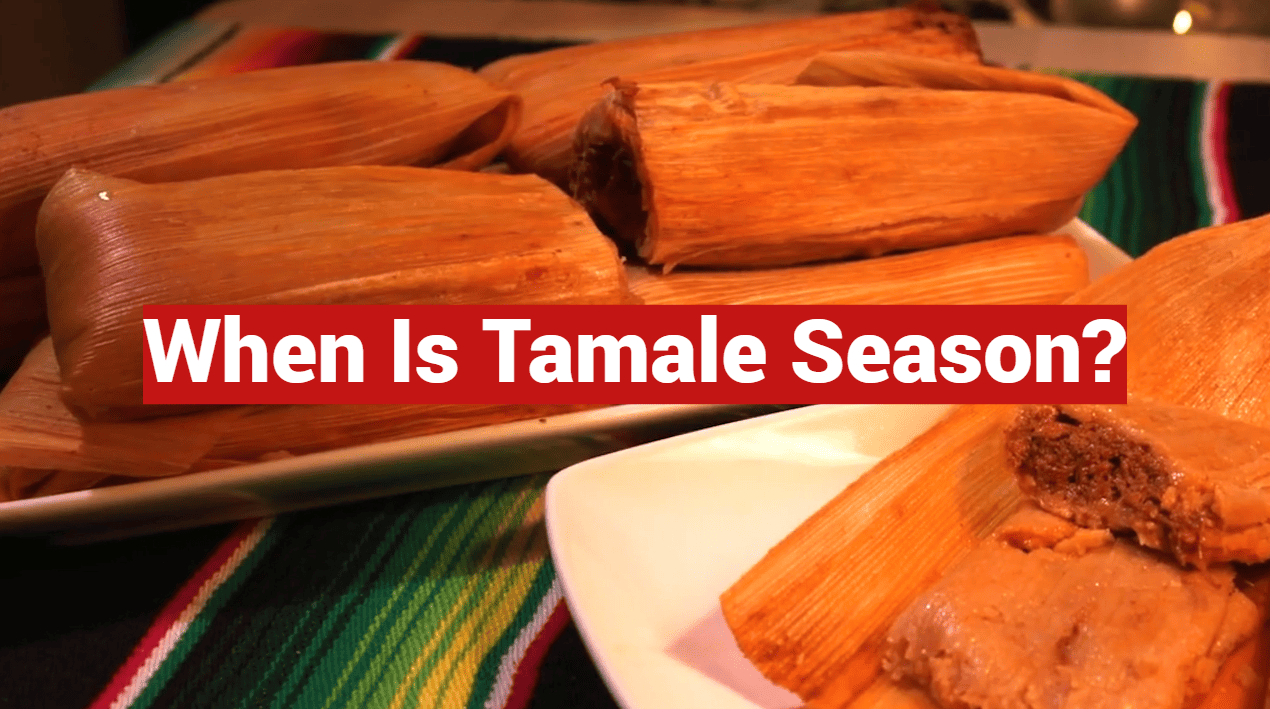
Ancient civilizations left hieroglyphs showing tamales as sacred food thousands of years ago. This beloved dish has deep cultural roots that still influence celebrations today.
The peak period for this traditional food runs from late October through early February. This timeframe covers Halloween to Candlemas across the United States.
Cooler weather and major holidays make this the perfect time for warm, comforting meals. Families gather to prepare large batches together, continuing generations-old customs.
While restaurants serve this delicious food all year, the tradition of homemade preparation peaks during these months. The holiday season naturally aligns with the historical corn harvest time.
This approximately four-month window represents the coldest part of winter in many regions. Hearty tamales provide ideal comfort during festive gatherings and family occasions.
Key Takeaways
- The peak period for tamales runs from October 31 through February 2
- This timeframe aligns with major holidays and cooler weather
- Ancient civilizations documented tamales as important cultural food
- Traditional preparation connects to historical corn harvest seasons
- Families often make large batches during this special time of year
- Restaurants serve tamales throughout all twelve months
- The custom represents both practical and cultural significance
Exploring the Rich History and Cultural Roots of Tamales
Archaeological evidence from pre-Columbian civilizations demonstrates tamales’ central role in spiritual and daily life. This beloved dish connects modern families to ancient traditions spanning thousands of years.
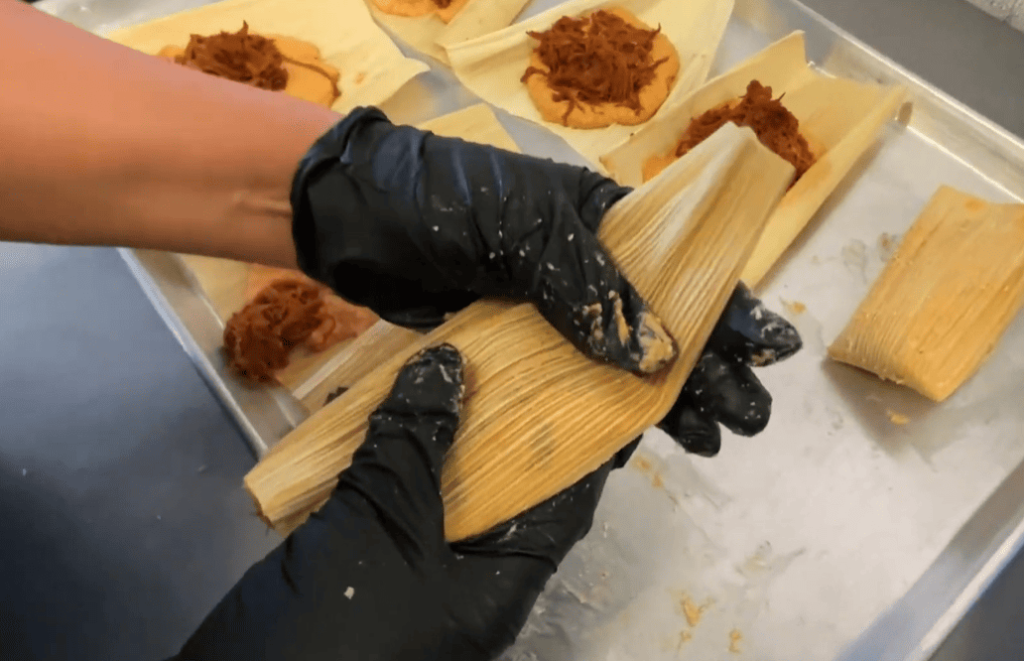
Ancient Traditions and Native Influences
Olmec and Toltec cultures left records showing tamales as essential food. These ancient people viewed the dish as sacred nourishment from the gods.
Mesoamerican civilizations considered themselves “people of the corn.” This identity made corn-based foods central to their cultural practices.
The Role of Corn, Masa, and Corn Husks
Authentic tamales rely on three key components working together. Each part contributes to the distinctive taste and texture people love.
| Component | Role | Cultural Significance |
|---|---|---|
| Corn | Primary ingredient | Sacred crop for ancient cultures |
| Masa | Dough foundation | Unique preparation method passed through generations |
| Corn Husks | Natural wrapper | Practical use of harvest leftovers |
Masa forms the essential base for all authentic tamales. This special dough comes from finely ground corn.
Family Traditions and Cultural Celebrations
Tamale-making became a cherished family activity over time. Multiple generations work together during special occasions.
Indigenous people passed down techniques through many years. Each family developed unique recipes that became cultural treasures.
Gathering to prepare large batches strengthens family bonds. This labor of love requires many hands working in harmony.
When is Tamale Season: Celebrations & Festive Traditions
Across four vibrant months, tamales serve as culinary centerpieces for numerous celebrations and family gatherings. This special period connects generations through shared cooking traditions.
Seasonal Highlights: Halloween to Candlemas
Halloween parties kick off the festivities with hearty red or green tamales. These delicious bundles fuel the night’s celebrations perfectly.
November brings Dia de los Muertos, where tamales become essential altar offerings. Families honor departed loved ones with these traditional foods.
Thanksgiving sees a surge in tamale popularity. Their easy preparation makes them ideal for football-watching gatherings.
December features the Feast of the Virgin of Guadalupe on the 12th. This major celebration centers around tamale feasts.
Christmas Eve represents the absolute peak of this special period. Families gather to make tamales together in cherished bonding rituals.
New Year’s celebrations rely on tamales as convenient party foods. They keep guests satisfied during year-end gatherings.
Tamales in Holiday Offerings and Rituals
The tradition continues into January with Epiphany on the 6th. Finding the toy baby in rosca cake means hosting a tamale party on February 2nd.
This Candlemas celebration marks the official end of the festive food period. The four-month stretch covers winter’s coldest months.
Warm, filling tamales provide ultimate comfort during this time. They help families and communities celebrate together through the season.
Tamale Festivals and Regional Celebrations in the United States
From California to Texas, cities organize large-scale tamale events that attract massive crowds each December. These public celebrations let everyone enjoy this traditional food together.
Local Festivals: La Habra, Indio, and Long Beach Events
The Indio International Tamale Festival holds a Guinness World Record. Over 50,000 people attend this two-day event with 200 vendors.
La Habra’s celebration draws about 10,000 attendees. Dozens of vendors serve delicious tamales while three stages feature live entertainment.
Long Beach hosts an international festival with exciting competitions. Visitors enjoy tequila tastings, Lucha Libre wrestling, and traditional dance performances.
Chain Restaurant Specials and Community Gatherings
Popular chains make tamales accessible throughout the holiday season. Acapulco, Chevys Fresh Mex, and El Torito offer convenient to-go options.
Miguel’s Jr. features special flavors like Spicy Chicken and Chile Rojo Pork. These restaurants provide great alternatives for busy families.
Whether attending a major festival or picking up a dozen from a local spot, there are many ways to participate. This tradition brings communities together through shared food experiences.
Conclusion
Creating authentic tamales is a multi-day process that brings generations together. Families dedicate a lot of time to this labor of love, especially during the holiday season.
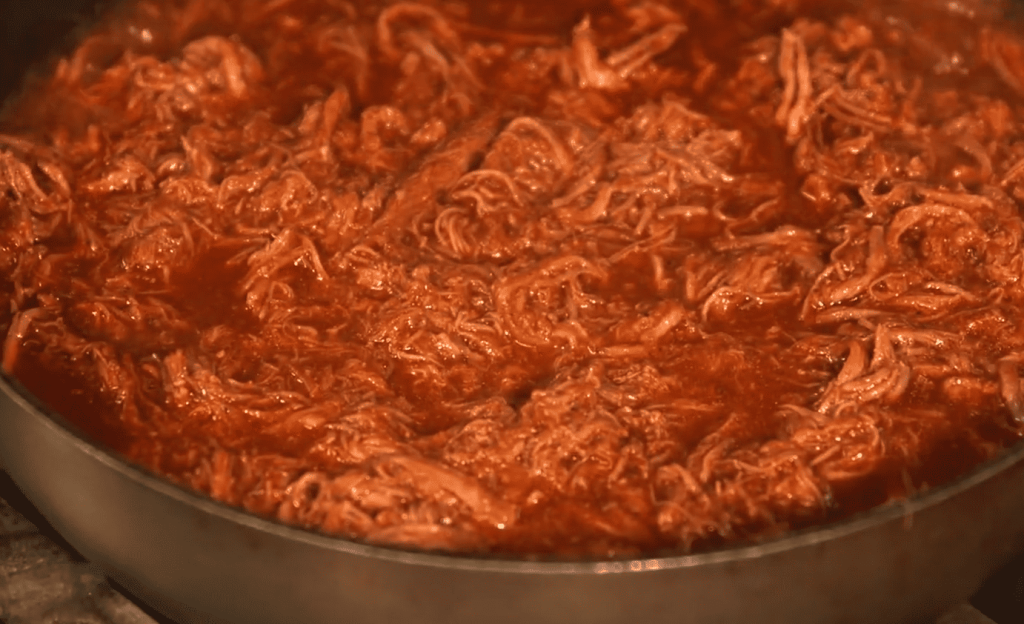
The work involves preparing the corn husks, mixing the special masa dough, and slow-cooking the meat filling for maximum flavor. Whether using pork, chicken, or other options, the filling soaks up rich seasonings.
Assembling each tamale by spreading dough, adding filling, and careful wrapping requires many hands. Most families make dozens at one time, freezing some for later enjoyment.
This cherished dish holds a special place in culture, with recipes passed down for years. We encourage you to embrace this warm tradition. Gather your people, share the food, and become part of the story.