
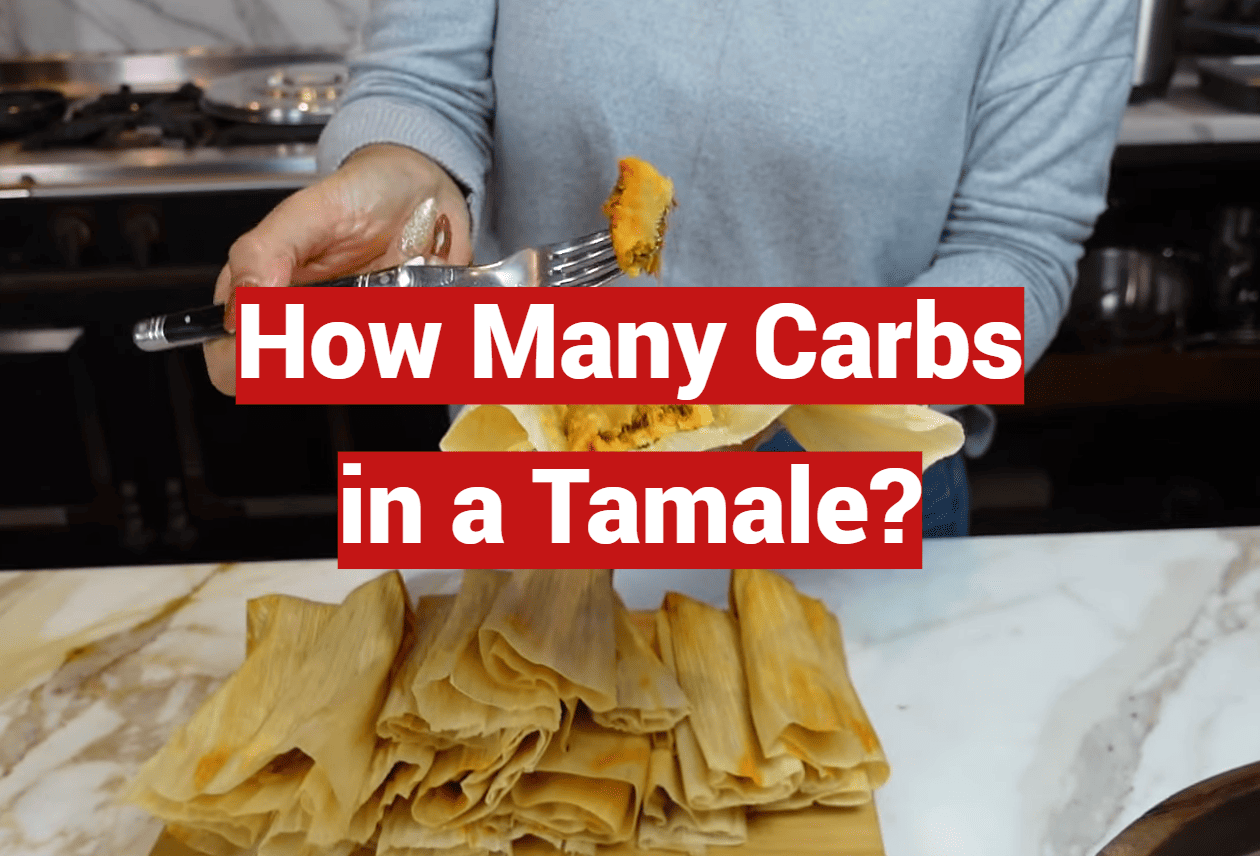
Across the United States, millions enjoy tamales each year, a testament to their deep cultural roots and delicious taste. This beloved traditional food is a staple in many Latin American celebrations and family meals.
Understanding the nutritional value of this popular dish is key for making informed dietary choices. The carbohydrate content is a common point of interest for many people.
A single answer is tricky because the amount varies greatly. The type of masa, the size of the portion, and the specific fillings all play a major role.
This guide offers a complete picture. We will explore the nutritional profile beyond just one component, looking at protein, fats, and fiber as well.
Our goal is to help you understand how this wonderful food fits into your eating pattern. You can enjoy cultural favorites while managing your health goals.
Key Takeaways
- Carbohydrate content in a tamale is not a single number and depends on several factors.
- Tamales are a culturally significant food with growing popularity.
- Nutritional value extends beyond carbs to include protein, fats, and fiber.
- This information helps with meal planning and making balanced food choices.
- You can incorporate tamales into various diets with the right knowledge.
Introduction to Tamales and Their Nutritional Appeal
More than just a delicious comfort food, tamales offer a balanced macronutrient profile that makes them nutritionally complete. They contain all three essential components—carbohydrates from masa, proteins from fillings like pork, and fats from traditional ingredients.
These traditional dishes have evolved from ancient Mesoamerican staples to modern comfort meals. Families enjoy them at celebrations, gatherings, and everyday occasions throughout Latin American communities.
The unique balance sets tamales apart from other popular foods. Corn masa provides complex carbohydrates while various fillings contribute protein and healthy fats.

| Dish Type | Carbohydrate Focus | Protein Focus | Fat Balance |
|---|---|---|---|
| Traditional Tamales | Moderate (Masa) | Significant (Meat Fillings) | Balanced |
| Pasta Dishes | High | Variable | Often Low |
| Salad Meals | Low | Variable | Dressing-Dependent |
Understanding the nutrition of these foods enhances rather than diminishes their cultural importance. It empowers mindful enjoyment as part of a balanced eating pattern.
“Tamales represent more than sustenance—they carry generations of family recipes and communal cooking traditions.”
This knowledge helps people incorporate tamales into various dietary approaches. Portion sizes and frequency considerations support overall health goals while honoring cultural traditions.
The complete nutrition profile makes these foods satisfying and energy-sustaining choices. They fit well within balanced eating patterns when consumed thoughtfully.
Historical and Cultural Significance of Tamales
Long before modern kitchens, indigenous cultures across Mesoamerica perfected the art of creating tamales as portable nourishment. The Mayans, Incas, and Aztecs enjoyed these wrapped food treasures as early as pre-Columbian times.
Corn, or maize, stood at the heart of this culinary tradition. Indigenous societies viewed this grain as sacred, making tamales one of its most important preparations.
Regional variations showcase incredible diversity across Mexico. Each state developed unique styles using local ingredients and traditional methods.
| Mexican Region | Key Characteristics | Traditional Fillings |
|---|---|---|
| Oaxaca | Spicy mole sauces | Chicken, complex chili blends |
| Yucatán Peninsula | Achiote seasoning | Pork, banana leaves |
| Central Mexico | Classic preparations | Pork, salsa verde |
These dishes remain central to celebrations like Christmas and Día de los Muertos. Family gatherings often feature tamale-making as a bonding activity.
The tradition continues as living culinary heritage. Understanding this rich history adds deep appreciation for tamales beyond their nutritional value.
“Each tamale carries generations of family recipes and communal cooking traditions that strengthen community bonds.”
This ancient corn-based preparation has adapted over centuries while maintaining its essential character. It represents cultural heritage worth preserving and celebrating today.
How Many Carbs in a Tamale: Understanding the Numbers
Understanding the specific carbohydrate grams in different tamale types helps with informed meal planning. The nutritional facts show significant variation based on ingredients and preparation methods.
| Tamale Type | Serving Size (grams) | Carbohydrate Content (grams) |
|---|---|---|
| Corn Tamale | 166 | 44 |
| Cheese Tamale | 179 | 32 |
| Pork Tamale | 142 | 22 |
Unfilled corn tamales contain the highest carbohydrate grams because they feature more masa relative to other ingredients. The corn masa provides complex carbohydrates that release energy gradually.
A typical pork tamale contains about 20-25 grams of carbs, representing a moderate serving size. This amount fits well into balanced meal plans when paired with appropriate foods.
Knowing these specific numbers supports effective carb counting for diabetes management. The carbs include dietary fiber, which influences blood sugar response and digestion speed.
Tamale Ingredients and Their Nutritional Impact
The nutritional value of tamales stems directly from their core ingredients, starting with the traditional corn masa. Each component contributes specific benefits that create the complete nutritional profile.
Corn Masa and Carbohydrate Sources
Corn masa forms the foundation of every tamale. This dough undergoes nixtamalization, where corn is soaked in an alkaline solution.
This traditional process enhances the nutritional value significantly. It improves protein quality and increases nutrient bioavailability.
The masa provides complex carbohydrates that digest slowly. This offers sustained energy release throughout the day.
Fillings: Pork, Cheese, and More
Fillings dramatically influence the final nutritional breakdown. Pork remains the most traditional meat choice for these dishes.
This pork filling adds substantial protein and healthy fats. Cheese options contribute calcium and additional protein content.
The ratio of masa to filling determines the overall nutrition. Heartier fillings create more balanced macronutrient profiles.
Comparing Nutritional Profiles: Pork, Cheese, and Corn Tamales
Pork, cheese, and corn tamales each offer distinct nutritional profiles that serve different dietary needs. The filling choice dramatically transforms the complete nutrition facts of these traditional foods.
| Tamale Type | Serving Size (g) | Protein (g) | Fat (g) | Carbs (g) | Fiber (g) | Calories |
|---|---|---|---|---|---|---|
| Corn Tamale | 166 | 6 | 12 | 44 | 5 | 200-250 |
| Cheese Tamale | 179 | 16 | 21.5 | 32 | 4 | ~250 |
| Pork Tamale | 142 | 11 | 13 | 22 | 3.4 | ~250 |
Corn tamales contain the highest carbohydrate content at 44 grams but only 6 grams of protein. This makes them primarily a carbohydrate source that pairs well with protein-rich sides.
Cheese varieties offer a middle ground with 32 grams of carbs and significantly higher protein at 16 grams. They also provide excellent calcium content for bone health.
The pork option delivers the most balanced macronutrient profile. With 22 grams of carbs and 11 grams of protein, these tamales promote better satiety and blood sugar management.
Fiber content remains consistent across all types, contributing to digestive health. Understanding these differences helps you choose varieties that align with your specific nutritional goals.

Carbohydrates, Fiber, and Blood Sugar Management
For individuals concerned about diabetes, the composition of tamales offers surprising benefits. The combination of ingredients creates a favorable nutritional profile for blood sugar management.
Role of Dietary Fiber
Tamales provide significant fiber content, with each variation containing 3.4-5 grams. This represents 12-18% of the daily recommended fiber intake for adults.
Dietary fiber supports healthy digestion and promotes feelings of fullness. It also slows carbohydrate absorption, helping moderate blood sugar responses after meals.
The traditional nixtamalization process enhances the corn’s nutritional value. This method increases resistant starch, which provides benefits similar to fiber.
Implications for Diabetes and Blood Sugar Control
Filled tamales balance carbohydrates with protein and fiber. This combination creates a gradual blood sugar response compared to refined carbohydrate foods.
People managing diabetes can benefit from this balanced approach. The slow digestion helps prevent rapid spikes in sugar levels.
| Tamale Type | Fiber Content (grams) | Percentage of Daily Value | Blood Sugar Impact |
|---|---|---|---|
| Corn Tamale | 5.0 | 18% | Moderate |
| Cheese Tamale | 4.0 | 14% | Low-Moderate |
| Pork Tamale | 3.4 | 12% | Low |
Monitoring individual responses helps determine appropriate portion sizes. Working with healthcare providers ensures tamales fit well within diabetes management plans.
The presence of fiber and resistant starch makes these traditional foods digest more slowly. This creates stable energy levels throughout the day.
Protein Breakdown and Satiety Benefits
Understanding protein content helps explain why different tamale varieties affect satiety differently. The filling choice dramatically influences both nutrition and how full you feel after eating.
Protein amounts vary significantly across tamale types. A medium pork tamale provides 10-15 grams, while corn versions offer only 6 grams.
Pork Tamale Protein Insights
Pork and other meat fillings deliver complete proteins containing all nine essential amino acids. Your body needs these for muscle repair and overall health.
A medium pork tamale’s 10-15 grams of protein represents 20-30% of daily requirements. This makes it a meaningful contribution to balanced nutrition.
Plant-based and Alternative Fillings
For those avoiding meat, plant-based options create balanced meals. Bean, cheese, or vegetable combinations provide substantial protein content.
Corn tamales work best when paired with protein-rich side dishes. Consider adding beans or cheese to create more satisfying meals.
The satiety benefits of protein-rich tamales help people feel fuller longer. This can support healthy eating patterns throughout the day.

Caloric Content and Serving Size Variations
Planning your meal with tamales requires understanding their energy content across various portion options. The total calories you consume depend heavily on the physical size of the tamale itself.
This knowledge empowers you to make choices that fit your daily energy needs perfectly.
Small, Medium, and Large Tamale Serving Sizes
Tamales come in a range of different serving sizes. A small one, weighing about 100 grams, typically contains around 200 calories.
A medium size, approximately 150 grams, provides about 250 calories. The largest versions, near 200 grams, can reach 300 calories.
These different serving options offer great flexibility for your eating plan.
| Tamale Size | Approximate Weight | Estimated Calories |
|---|---|---|
| Small | 100 grams | 200 |
| Medium | 150 grams | 250 |
| Large | 200 grams | 300 |
Practical Calorie Breakdown
Understanding these numbers helps with portion awareness. A medium tamale’s 250 calories represent 10-12.5% of a typical adult’s daily needs.
This makes it a moderate-calorie food. For comparison, its energy content is similar to three baked chicken tenders.
Smaller tamales work well as snacks, while larger ones can be a meal’s centerpiece. Remember, the quality of calories from whole corn and protein is as important as the quantity.
If you can’t weigh your food, a medium tamale is often about the size of your palm. This visual cue helps with estimation.
Impact of Saturated Fat and Micronutrients on Health
While tamales deliver impressive nutritional benefits, their saturated fat content deserves thoughtful consideration. Traditional masa preparation often uses lard, contributing to the saturated fat levels in these beloved foods.
Cheese varieties contain about 7 grams of saturated fat per serving, while pork and corn options range from 4-4.4 grams. The Dietary Guidelines recommend limiting saturated fat intake to under 10% of daily calories.
For a 2,000-calorie diet, this means about 22 grams daily. Moderate consumption within a balanced diet supports good health for most people.
Practical strategies help manage your fat intake:
- Enjoy tamales occasionally rather than daily
- Balance with lower-fat foods throughout your day
- Consider smaller portion sizes
Fortunately, tamales offer valuable micronutrients that benefit your health. They provide B vitamins like niacin, enhanced by the nixtamalization process for better absorption.
These foods also deliver meaningful mineral content. Iron supports blood health, while calcium in cheese varieties offers 15% of the daily value.
The complete nutritional profile means tamales contribute positively to your overall nutrient intake. Their benefits balance considerations about saturated fat when enjoyed mindfully.
Traditional Tamale Preparation and Its Effects on Nutrition
The traditional preparation methods behind tamales reveal fascinating nutritional transformations that elevate this beloved food beyond simple comfort fare. Ancient techniques continue to shape the nutritional profile in meaningful ways.
The Nixtamalization Process Explained
Nixtamalization involves soaking dried corn in an alkaline solution, traditionally limewater. This process fundamentally transforms the grain’s properties.
The technique makes corn more digestible and nutritious. It increases niacin bioavailability, making vitamin B3 more accessible to your body.
Resistant starch content also rises through this traditional method. This benefits blood sugar control and digestive health by feeding beneficial gut bacteria.
Protein quality improves as certain amino acids become more available. The nutritional value of masa surpasses what raw corn would provide.
Regional Variations in Preparation
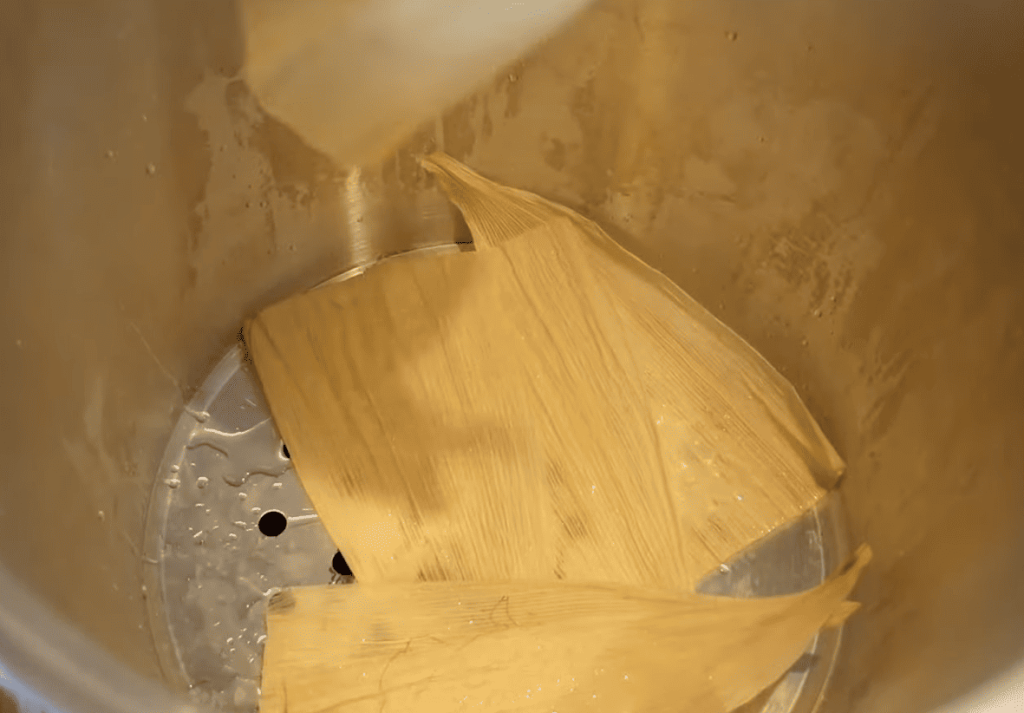
Traditional wrapping materials include banana leaf and corn husks. These natural wrappers protect the masa during steaming while adding subtle flavors.
Regional differences across Mexico create varied nutritional profiles. Oaxacan versions often include complex mole sauces with spices and sometimes chocolate.
Yucatan tamales feature achiote seasoning, creating distinct flavor and nutrition combinations. Steaming preserves nutrients better than frying would.
Understanding these preparation methods helps appreciate why traditionally made tamales offer superior nutrition compared to modern shortcuts.
Dietary Considerations: Gluten-Free and Low-Carb Adaptions
For those with specific dietary needs, tamales offer surprising flexibility. Traditional preparation methods naturally align with several modern eating patterns.
Adapting Tamales for Specific Diets
Traditional tamales are naturally gluten-free since they use corn masa instead of wheat flour. This makes them suitable for people with celiac disease or gluten sensitivity.
Always verify ingredients due to potential cross-contamination during preparation. Facilities processing wheat products require extra caution.
For low-carb diets, tamales present higher carbs than preferred. Pork varieties offer better protein-to-carb ratios for satiety.
People managing diabetes can incorporate tamales when counting carbs appropriately. The fiber content helps moderate blood sugar responses.
| Diet Type | Suitability | Recommended Strategy | Portion Guidance |
|---|---|---|---|
| Gluten-Free | Excellent (traditional) | Verify ingredients | Standard serving |
| Low-Carb/Keto | Limited | Choose filled varieties | Small portions |
| Diabetes Management | Good with planning | Balance with protein | Moderate serving |
| General Healthy Diet | Very good | Mindful consumption | Appropriate to needs |
Filled tamales provide a good source of nutrition when consumed thoughtfully. Following dietary guidelines ensures they fit various eating patterns.
The tamale contains beneficial components that support overall health. Cultural foods like tamales deserve consideration in any balanced diet.
Practical Tips for Incorporating Tamales into a Balanced Diet
Making tamales work for your wellness goals involves simple strategies for portion control and meal balancing. One or two medium-sized tamales typically make an appropriate serving for most adults.

This provides reasonable calories and protein without excess. Pair these traditional foods with complementary items to enhance overall nutrition.
Serve tamales alongside vegetables, salads, or beans to add fiber, vitamins, and additional protein. Corn versions with lower protein content work best when combined with protein-rich side dishes.
Consider refried beans, grilled meat, or cheese to create more balanced, satisfying meals. For people managing diabetes, count carbohydrates and monitor blood sugar responses.
Pair with protein and non-starchy vegetables. Work with healthcare providers on portion guidance.
Choose filled tamales like pork, cheese, or chicken over corn-only versions when seeking better protein content. These provide more balanced macronutrients for sustained energy.
Tamales serve as a good source of fiber that contributes to daily intake goals. This supports digestive health and helps meet recommended fiber levels.
Enjoy these foods mindfully, paying attention to hunger and fullness cues. Stop eating when satisfied rather than overly full.
Honor both nutrition and cultural food connections. Tamales offer meaningful health benefits through fiber, protein, and micronutrients.
They also provide important cultural and emotional nourishment. Prepare batches for convenient meals throughout the week.
Conclusion
The journey through tamale nutrition facts demonstrates that these traditional foods offer varying carbohydrate content—from 22 to 44 grams—with filled varieties providing better macronutrient balance.
Understanding the complete nutrition profile helps you make informed choices. Tamales deliver genuine health benefits through fiber, protein, and essential vitamins.
While containing moderate carbs and some saturated fat, these factors don’t disqualify tamales as nutritious food choices. They fit well into a balanced diet when consumed mindfully.
Appreciate tamales for both their cultural significance and nutritional value. Enjoy them as part of your overall health strategy, honoring tradition while supporting wellness.