
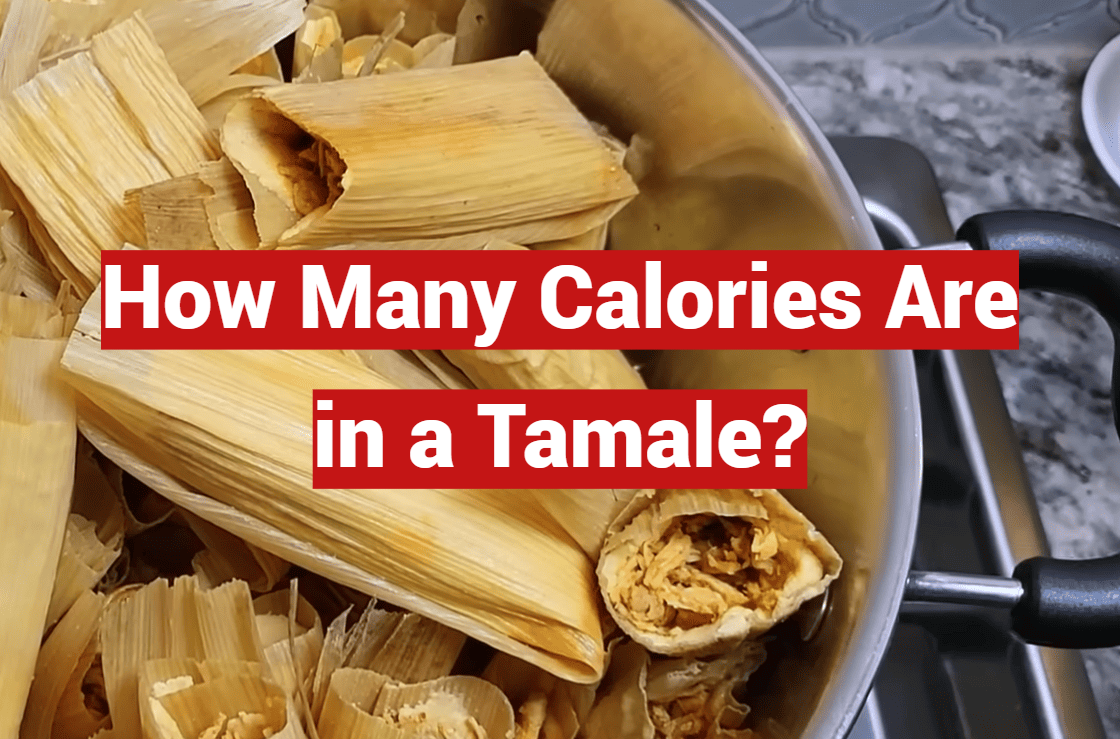
Every holiday season, millions of tamales are lovingly prepared and shared across the United States. This beloved food is a cornerstone of Latin American culture, cherished for its rich flavors and comforting presence at family meals.
Welcome! You’ve come to the right place if you’re curious about what’s inside that delicious corn husk. This guide is your friendly resource for understanding the nutrition behind this traditional dish.
We know you have questions about the calories and overall nutrition facts. This article will provide clear answers. We’ll also explore the bigger picture, including the vitamins and minerals that contribute to your health.
It’s important to remember that tamales come in many shapes and sizes. The ingredients can vary greatly. This means the exact calorie count is not a single number. But don’t worry! We will give you the practical information you need to make informed choices about your food.
Learning about nutrition doesn’t mean you have to give up your favorite meals. It’s about finding a balanced approach to eating. You can absolutely enjoy these delicious tamales as part of a healthy lifestyle.
Whether you are tracking your intake or simply love food, this exploration of calories and nutrients is for you. Let’s celebrate this amazing dish together!
Key Takeaways
- Tamales are a culturally significant food enjoyed by millions.
- Their calorie content can vary based on size and ingredients.
- Understanding nutrition facts helps you make informed food choices.
- Tamales can be part of a balanced and healthy diet.
- This guide provides a comprehensive look at their nutritional value.
Understanding the Traditional Appeal of Tamales
The story of tamales begins deep in Mesoamerican history, where corn was more than just food—it was life itself. This ancient dish connects us to civilizations that valued community and sustenance above all else.
The History and Cultural Significance
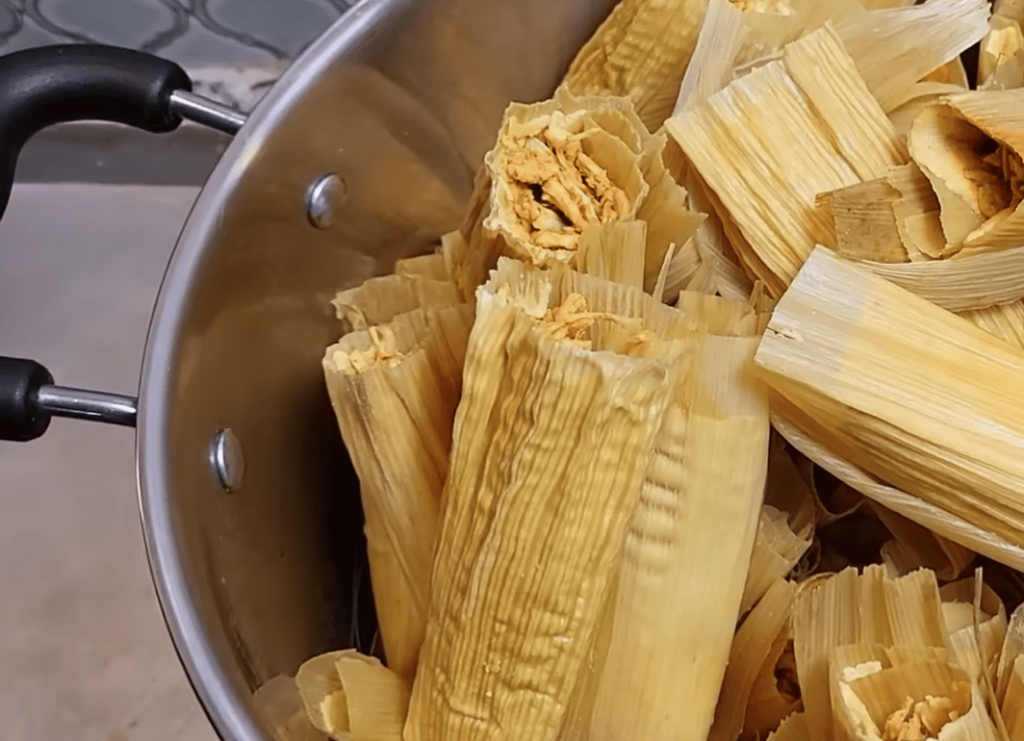
Centuries ago, the Mayans, Incas, and Aztecs enjoyed these wrapped delicacies. Tamales served as portable meals for warriors and travelers. They also featured prominently in religious ceremonies and family celebrations.
The tradition continues today across Latin America. Each region developed its own unique versions. From Oaxaca’s spicy mole-filled creations to Yucatan’s achiote-seasoned varieties, the diversity reflects local tastes and ingredients.
Ingredients and Authentic Preparation Methods
The foundation of every tamale is masa—a dough made from nixtamalized corn. This process involves soaking and cooking the kernels in an alkaline solution. The treated corn is then ground to create the perfect texture.
Traditional masa combines the ground corn with lard and broth. This mixture creates the soft, moist dough that envelops various fillings. Common fillings include meats, cheeses, fruits, and vegetables.
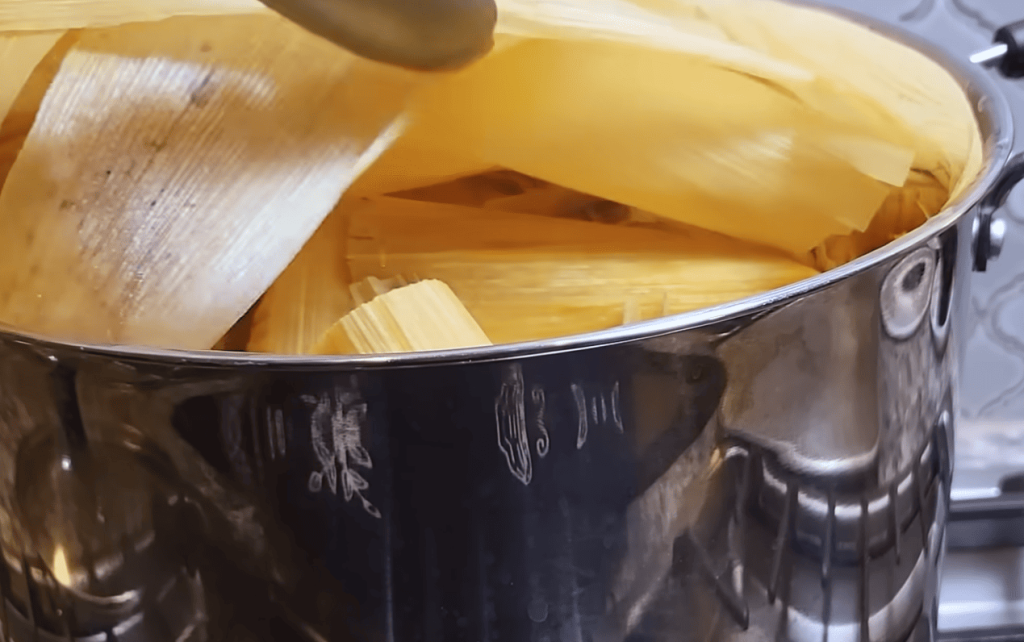
The assembly process is an art form. Cooks spread the masa onto a corn husk or banana leaf. They add the filling before carefully folding the wrapper. The final step involves steaming the packages until perfectly cooked.
This communal activity often brings family members together. The shared experience reinforces cultural bonds that extend far beyond the kitchen.
Exploring the Nutritional Profile of Tamales
Beneath the corn husk lies a surprisingly well-rounded nutritional profile that supports overall health. Understanding these nutrition facts helps you appreciate tamales beyond their delicious taste.
The complete nutrition picture reveals a balance of essential nutrients. This traditional dish provides more than just energy—it offers valuable vitamin and mineral benefits.
Macronutrient Breakdown: Carbs, Protein, and Fats
Tamales contain all three macronutrients in varying amounts. The carbohydrate content comes mainly from the masa, while fillings contribute protein and fats.
| Tamale Type | Protein (grams) | Carbs (grams) | Fat (grams) | Fiber (grams) |
|---|---|---|---|---|
| Corn Tamale (166g) | 6 | 44 | 12 | 5 |
| Cheese Tamale (179g) | 16 | 32 | 21.5 | 4 |
| Pork Tamale (142g) | 11 | 22 | 13 | 3.4 |
The fiber content supports healthy digestion and helps manage blood sugar. Different varieties offer varying amounts of each nutrient.
Micronutrient Benefits from Traditional Ingredients
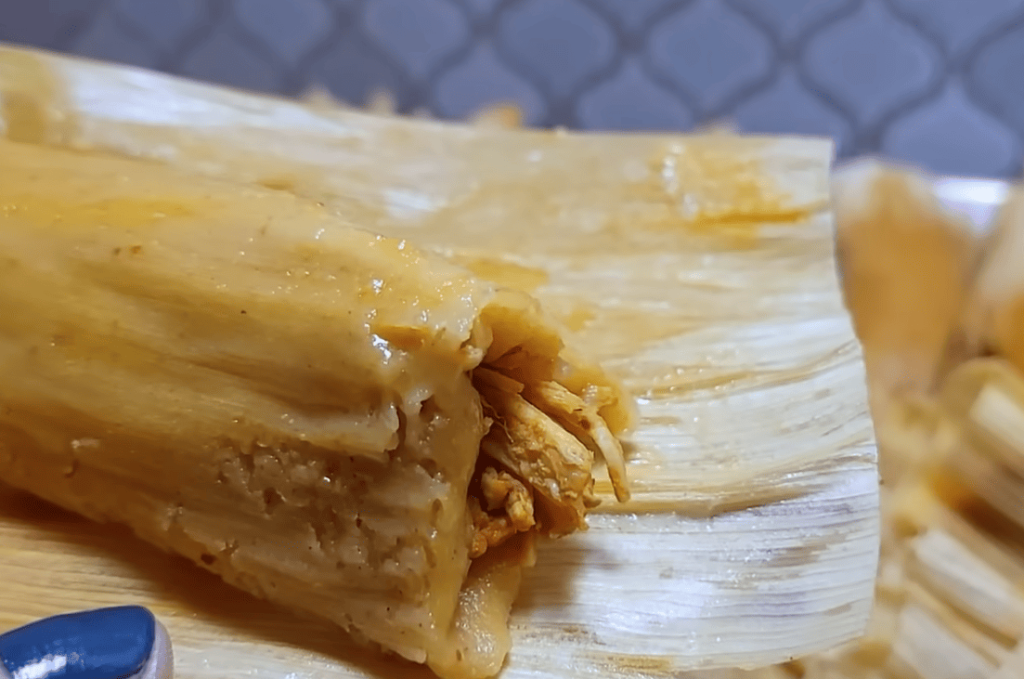
Traditional preparation methods enhance the nutritional value. The nixtamalization process increases vitamin bioavailability.
“The ancient technique of treating corn with lime water unlocks essential nutrients that would otherwise remain inaccessible to our bodies.”
Tamales provide B vitamins crucial for energy metabolism. They also contain minerals like calcium for bone health and iron for blood function.
This complete nutrition profile shows tamales offer substantial health benefits. The combination of carbohydrates, protein, and essential nutrients makes them a valuable part of balanced eating.
how many calories are in a tamale
The exact energy value of this traditional dish depends heavily on its construction and proportions. Different dimensions and fillings create significant variations in nutritional content.
A standard pork version typically provides around 250 energy units. The serving size dramatically influences the total count.
Calorie Comparisons by Tamale Size and Type
Small packages weighing approximately 100 grams contain about 200 energy units. Medium-sized options around 150 grams offer roughly 250 units. Larger versions near 200 grams can reach 300 units.
Specific varieties show distinct profiles. A corn tamal weighing 166 grams has 285 units. Cheese-filled versions at 179 grams contain 390 units. Pork options around 142 grams provide 231 units.
This amount represents 10-12.5% of typical daily recommendations. Understanding portion control helps with meal planning throughout your day.
For practical context, one medium tamale equals three baked chicken tenders in energy content. Three medium packages match a 16-ounce sirloin steak. This comparison helps visualize appropriate serving sizes.
Knowing the energy content empowers informed dietary choices. Whether tracking intake or simply curious, this information supports balanced eating habits.
Tamale Variations and Their Unique Calorie Content
The diversity of tamale fillings creates distinct nutritional profiles across different varieties. Each type offers unique benefits for your dietary needs.
Pork, Cheese, and Corn Tamales: A Comparative View
Pork tamales provide a balanced nutritional option. A 142-gram serving contains 231 calories with 11 grams of protein from the meat filling. They offer moderate fat content at 13 grams.
Cheese tamales deliver the highest energy value. Each 179-gram serving packs 390 calories with 16 grams of protein. The cheese contributes to higher fat levels at 21.5 grams.
Corn tamales focus on carbohydrates with 44 grams per 166-gram serving. They contain 285 calories but only 6 grams of protein. This makes them ideal when paired with additional protein sources.
| Tamale Type | Weight (grams) | Protein (g) | Fat (g) | Saturated Fat (g) | Carbs (g) | Calories |
|---|---|---|---|---|---|---|
| Pork | 142 | 11 | 13 | 4 | 22 | 231 |
| Cheese | 179 | 16 | 21.5 | 7 | 32 | 390 |
| Corn | 166 | 6 | 12 | 4.4 | 44 | 285 |
Other popular variations include beef and chicken tamales. Beef versions provide similar protein to pork options. Chicken offers a leaner alternative with less saturated fat.
Traditional lard in the masa affects all varieties. This ingredient contributes to texture but increases fat intake. Sugar and sugars remain low across savory tamales.
Health Considerations and Dietary Insights
Making informed dietary choices requires examining both the strengths and limitations of favorite dishes like tamales. Understanding their complete nutritional profile helps you enjoy them while supporting your overall health goals.
Managing Saturated Fat and Calorie Intake
The primary health consideration with tamales involves saturated fat content. Traditional masa preparation uses lard, which contributes to this type of fat.
According to dietary guidelines, saturated fat intake should stay below 10% of daily calories. A simple modification involves using olive oil instead of lard. This switch significantly reduces saturated fat while maintaining texture.
Incorporating Tamales into a Balanced Diet
Tamales offer impressive fiber benefits that support digestive health. This nutrient helps manage cholesterol and prevents blood sugar spikes.
For diabetes management, filled tamales work well. Their protein and fiber content slows digestion. Pair plain corn versions with beans or vegetables for balanced meals.
The nixtamalization process creates resistant starch. This special carbohydrate aids blood sugar control. Tamales are naturally gluten-free, making them suitable for various dietary needs.
With mindful preparation and portion control, tamales fit beautifully into a healthy diet. They provide valuable nutrition when enjoyed as part of varied meals.
Regional Flavors and Modern Twists on a Classic Dish
Across continents and cultures, the humble tamale has undergone remarkable transformations while maintaining its core identity. This beloved dish travels beautifully, adapting to local tastes while preserving its essential character.
The story of tamales extends far beyond any single region. Each area adds its unique signature through special ingredients and preparation methods.
Adaptations Across the United States and Latin America
Mexican regions showcase incredible diversity in their tamale traditions. Oaxaca offers rich mole-filled versions, while the Yucatan Peninsula features achiote-seasoned pork or chicken. Each state developed its signature style using local resources.
Throughout Latin America, countries incorporated their preferred meat choices like beef and different wrappings. Some use banana leaves instead of corn husk, creating distinct textures and flavors.
Modern American kitchens experiment with fusion filling ideas and healthier masa preparations. Cooks often substitute traditional lard with heart-healthy oil options. Vegetarian versions feature beans as the main protein source.
These adaptations demonstrate the dish’s wonderful versatility. Whether enjoying traditional ground beef versions or innovative plant-based options, the essence of sharing family meals remains unchanged.
Conclusion
Ultimately, tamales represent a perfect blend of cultural heritage and nutritional wisdom. These traditional packages deliver 200-400 energy units depending on size, with pork versions around 250 and cheese or beef options varying within this range.
The complete nutrition picture reveals impressive benefits. Tamales provide valuable protein (6-16 grams) and beneficial fiber (3-5 grams). They also contain essential vitamins and minerals that support overall health.
Beyond the nutrition facts, these foods connect us to centuries of tradition. They represent family bonds and cultural identity that transcend simple carbohydrates or fat content.
Enjoy tamales mindfully as part of balanced meals. Whether choosing traditional or modern versions, informed choices allow this beloved food to fit any diet. Celebrate their delicious contribution to both health and heritage.