
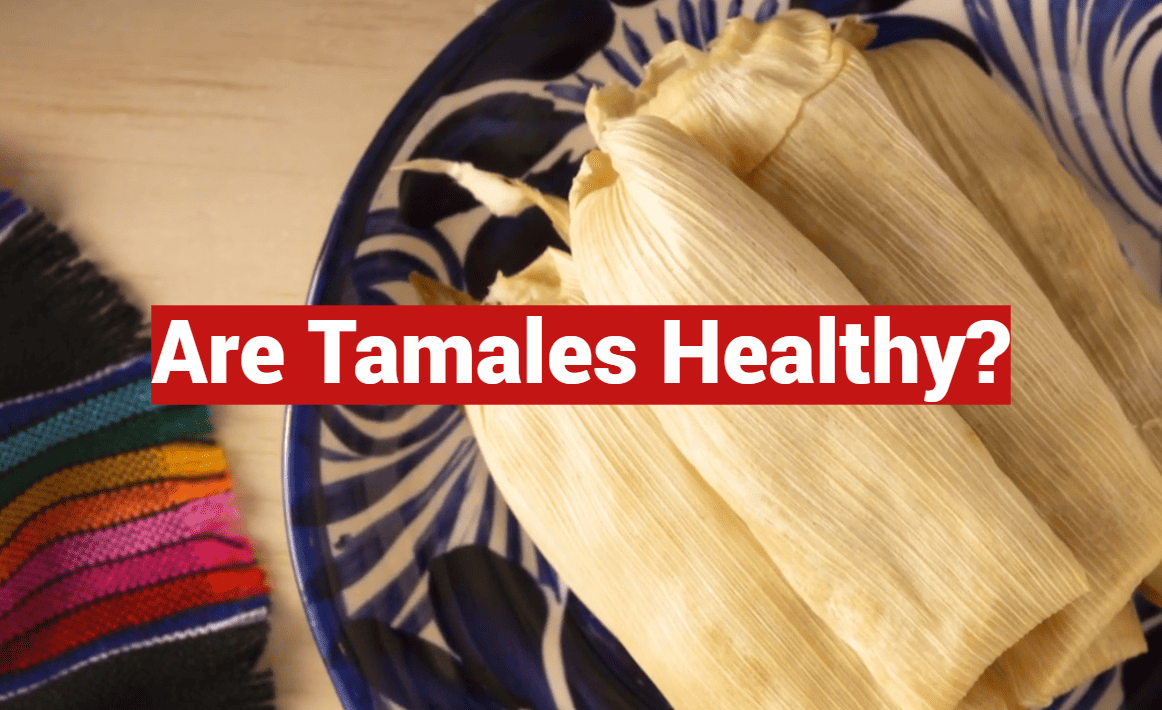
Across the United States, millions of people enjoy this traditional food every year, especially during holidays. This beloved dish has deep roots.
Many individuals wonder about the nutritional value of this staple. We will explore the facts behind this popular culinary choice.
Tamales hold a significant place in Mexican culture, with origins tracing back to ancient Mesoamerica. Civilizations like the Aztecs cherished them. They remain a cornerstone of festive meals and family gatherings today.
It’s common for people to question how this delicious food fits into a modern wellness plan. Concerns often center on ingredients and preparation methods.
This guide provides a clear, evidence-based look at the components of tamales. We will cover their history, detailed nutrition facts, and potential benefits.
You will also find practical advice for incorporating this cultural treasure into a balanced eating pattern. Our goal is to empower you with knowledge for your health journey.
Key Takeaways
- Tamales are a traditional Mesoamerican food with a rich history.
- Their primary ingredient is nixtamalized corn masa.
- Fillings can vary widely, influencing the overall nutrition profile.
- Steaming is the primary cooking method, which can be a healthier option.
- Understanding ingredients is key to making them part of a balanced diet.
- Portion control plays a significant role in enjoying them healthfully.
Discovering Tamales: History and Cultural Roots
Long before modern kitchens existed, ancient civilizations in Mesoamerica developed a culinary tradition that would span millennia. This beloved dish has deep historical significance across indigenous cultures.
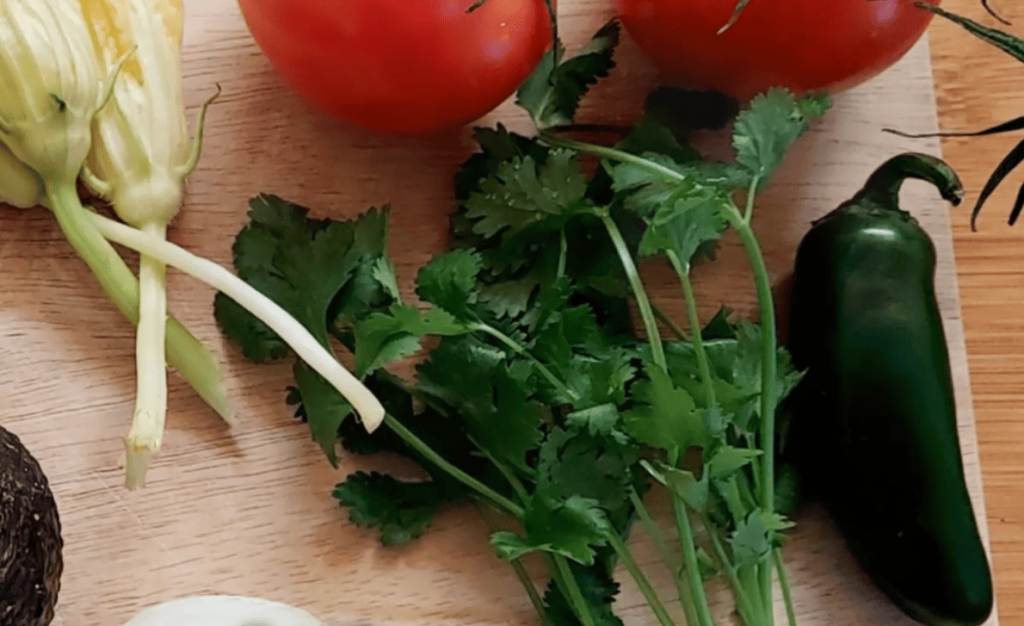
Pre-Columbian Origins and Traditional Methods
Ancient societies like the Mayans and Aztecs cherished this corn-based creation. They utilized maize as a sacred crop central to their sustenance.
The preparation process became a communal activity. Families gathered during special occasions to share in the tradition. This practice strengthened community bonds across generations.
Evolution into Modern Mexican Cuisine
Regional variations showcase incredible diversity across Mexico. Each state developed unique versions with local ingredients and flavors.
From Oaxaca’s spicy mole-filled varieties to Yucatan’s achiote-seasoned creations, the adaptability is remarkable. The dish spread throughout Latin America, with each country adding its own culinary touch.
This traditional food represents more than just nourishment. It serves as a powerful connection to heritage and family traditions that endure today.
Key Ingredients and Traditional Preparation
Understanding what goes into tamales reveals why they’ve remained a culinary favorite for centuries. The magic lies in the combination of simple, quality ingredients and time-tested techniques.
Masa, Fillings, and Cooking Techniques
Masa forms the foundation of every authentic tamale. This special dough comes from nixtamalized corn treated with an alkaline solution. This process boosts nutritional value and creates the perfect texture.
Traditional masa combines ground corn with lard and broth. These ingredients work together to create a soft, moist dough. Modern cooks sometimes use vegetable oils instead of lard for different dietary needs.
The filling options showcase incredible variety. Savory choices include seasoned meats like pork, chicken, or beef. Cheese and vegetables also make popular selections. Sweet versions feature fruits and other delightful ingredients.
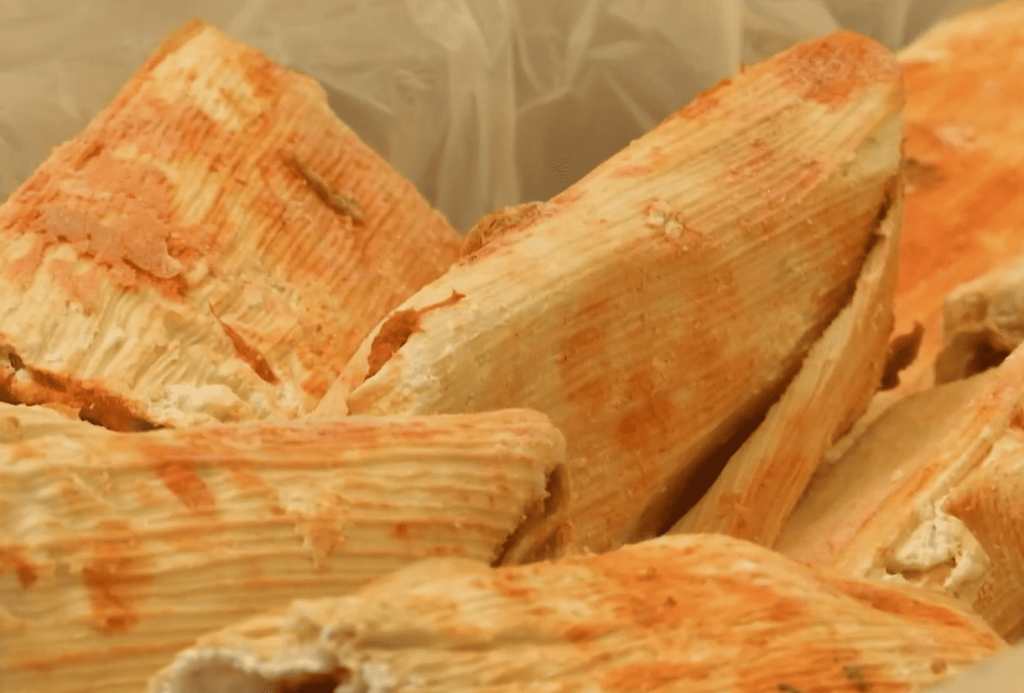
Preparation begins with making the masa and preparing the fillings. Cooks spread the dough onto corn husks or banana leaves. They add the chosen filling before carefully wrapping each package.
Steaming serves as the final cooking step. This method preserves nutrients beautifully. It keeps the masa moist without adding extra fats. Steaming creates a healthier final product compared to frying.
Nutritional Breakdown and Health Benefits
A closer look at the nutrition profile reveals both energy-providing macronutrients and essential vitamins and minerals. This combination contributes to the food’s value in a balanced eating plan.
Let’s examine the specific facts behind this beloved dish.
Macronutrient Profile: Carbs, Protein, and Fat
This traditional food contains all three essential macronutrients. The masa provides complex carbohydrates for sustained energy.
Fillings like meat or cheese contribute a significant amount of protein. This nutrient is vital for muscle repair and growth.
The fat content, often from lard or oil, adds flavor and helps absorb certain vitamins. A typical serving averages around 250 calories.
The table below shows a detailed comparison for different varieties.
| Nutrient (per tamale) | Corn | Cheese | Pork |
|---|---|---|---|
| Calories | ~250 | ~280 | ~300 |
| Protein (grams) | 6g | 10g | 12g |
| Carbohydrates (grams) | 44g | 35g | 30g |
| Fiber (grams / %DV) | 5g (18%) | 4g (14%) | 3g (11%) |
| Fat (grams) | 12g | 14g | 15g |
Micronutrient Highlights: Vitamins and Minerals
This dish is a good source of dietary fiber. Fiber supports healthy digestion and helps you feel full.
The nixtamalization process makes vitamin B3 more available to your body. This vitamin supports energy metabolism.
You also get important minerals like iron for blood health and potassium for heart function. Cheese fillings boost calcium content for strong bones.
These nutrition facts show how this food can fit into a varied diet.
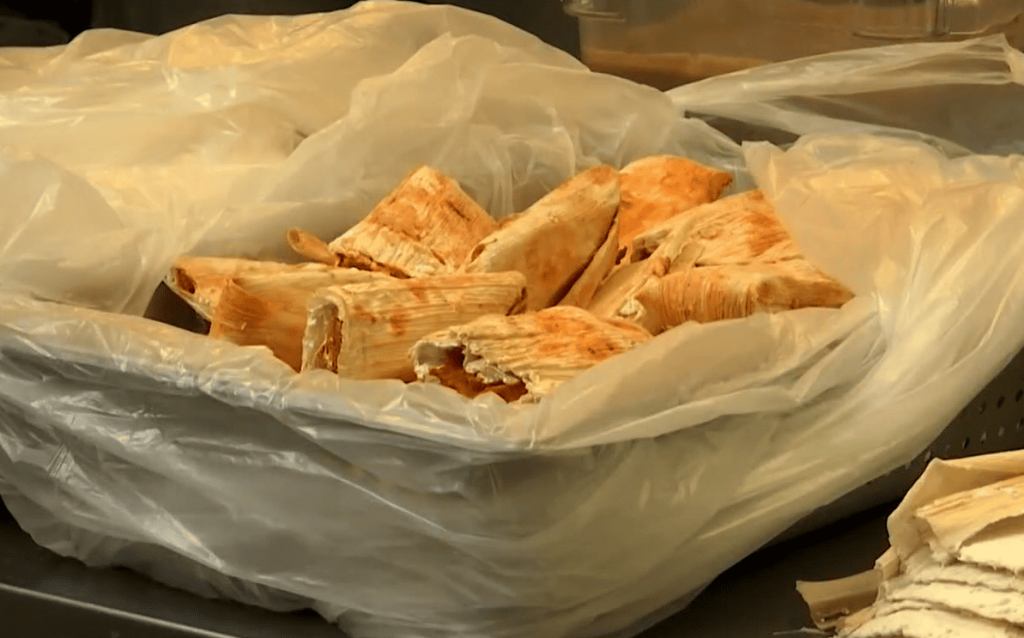
are tamales healthy
The question of whether this traditional dish supports well-being deserves a thoughtful, evidence-based answer. Yes, they can absolutely be part of a balanced eating pattern.
Some people may mistakenly believe these foods lack nutritional value. This myth often comes from not knowing the full facts.
These dishes offer a strong nutrition profile. They provide dietary fiber for digestion and resistant starch for gut health.
Protein from fillings and a mix of carbs and fats create a satisfying meal. Essential vitamins and minerals also contribute to overall wellness.
| Preparation Style | Key Feature | Health Impact |
|---|---|---|
| Traditional (Lard) | Authentic flavor and texture | Higher in saturated fat; enjoy in moderation. |
| Modern (Vegetable Oil) | Lighter fat content | Can be a heart-friendlier option. |
| Lean Protein Fillings | Chicken, beans, vegetables | Boosts protein and fiber for sustained energy. |
Their long history proves their value. They have nourished cultures for thousands of years.
The benefits go beyond physical health. Sharing this food connects us to family and heritage. This social connection supports emotional wellness.
Enjoying them mindfully is key. Pay attention to portion sizes and filling choices. When prepared thoughtfully, they are a tamales good choice for many people.
Celebrate this nutritious and culturally rich food without worry.
Comparing Different Varieties of Tamales
When selecting from the diverse world of tamale varieties, understanding their nutritional differences helps make informed choices. Each type brings unique benefits to the table.
Corn, Cheese, and Pork Tamales: A Nutritional Comparison
Corn versions without filling focus heavily on carbohydrates. They typically contain 37-44 grams of carbs with just 4.9-6 grams of protein. This makes them ideal as a side dish rather than a complete meal.
Cheese-filled options become protein powerhouses. They deliver around 16 grams of protein per serving. These also provide the highest calcium content at 15% of daily value.
Pork varieties strike an excellent balance. They offer moderate protein (10-11 grams) with reasonable carbohydrates (22 grams). The tomato-chile sauce in traditional pork preparations contributes surprising vitamin C content.
All three types share similar fat levels of 10-13 grams. This consistency shows the masa preparation primarily determines fat content rather than the specific filling.
These nutrition facts highlight how different varieties serve distinct dietary purposes. Cheese options work well for higher protein needs. Pork versions create balanced meals with good vitamin content.
Potential Nutritional Drawbacks and Considerations
Understanding the complete nutritional picture requires examining both the strengths and limitations of traditional foods. This balanced approach helps you make informed choices that honor both health and heritage.
Every culinary tradition has aspects that deserve thoughtful consideration in modern contexts. The goal is enjoyment with awareness rather than restriction.
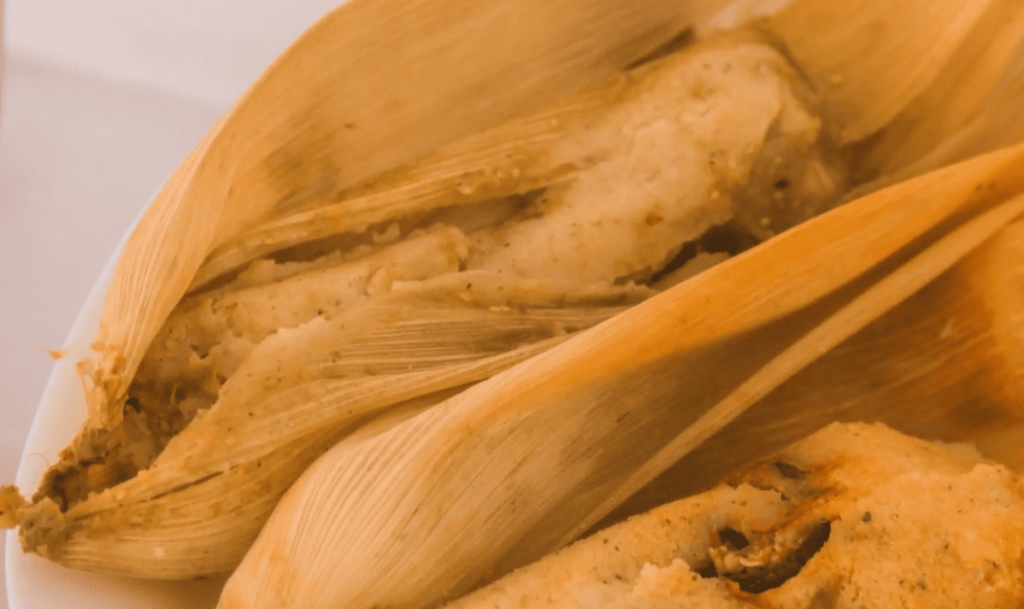
Saturated Fat and Lard: What to Watch For
The primary nutritional consideration involves saturated fat content. Traditional masa preparation typically uses lard, which contributes significantly to this fat profile.
Even unfilled corn versions contain this source of saturated fat in the dough itself. The American Heart Association notes that excessive saturated fat intake can impact cholesterol levels.
Dietary Guidelines recommend limiting saturated fat to under 10% of daily calories. This doesn’t mean elimination but rather mindful consumption.
Interestingly, lard also contains heart-healthy unsaturated fats. Emerging research suggests a more complex relationship between traditional fats and health.
Original pre-Hispanic versions didn’t include lard, which arrived later from Spain. Modern cooks can use alternatives like olive oil while maintaining tradition.
If you’re monitoring your cholesterol or have family history concerns, consider your overall fat intake. Portion control and occasional enjoyment allow you to savor this food thoughtfully.
Incorporating Tamales into a Balanced Diet
Creating satisfying meals that honor cultural traditions while supporting wellness goals is achievable with simple adjustments. This traditional dish fits beautifully into varied eating patterns when approached thoughtfully.
Meal Pairing and Portion Control Strategies
Eating these corn-based creations works well for blood sugar management. The fiber content slows digestion, helping prevent blood sugar spikes. Filled varieties provide extra protein for even better control.
For people watching cholesterol levels, the high fiber content offers benefits. Pair one or two servings with fresh vegetables like shredded cabbage or radish slices. This creates a balanced plate with all essential nutrients.
Unfilled versions need complementary foods. Serve them alongside beans and avocado slices. This adds protein and healthy fats for sustained energy.
Vegetable-filled options like rajas con queso boost both protein and vegetable intake. Fresh salsa adds flavor while increasing nutrient density. These simple strategies make every meal complete.
Portion control is key. One or two servings form a solid foundation when combined with other food groups. Your body benefits from the unique resistant starch in nixtamalized corn.
Conclusion
Centuries of culinary tradition have gifted us with a food that nourishes both body and soul. These traditional creations offer impressive health benefits through their fiber content, balanced macronutrients, and valuable micronutrients.
The unique resistant starch in nixtamalized corn supports digestive wellness. This makes tamales a nutritious choice that fits well into varied eating patterns.
While traditional preparation includes some saturated fat, this should be viewed within your overall diet. The cultural significance of sharing this food with loved ones brings emotional nourishment that complements the physical benefits.
Feel confident enjoying tamales using the practical strategies discussed. Their long history of nourishing communities demonstrates their valuable place at the table.
Celebrate this beloved food as part of a balanced approach to health and wellness. Good nutrition and cultural connection can beautifully coexist.