
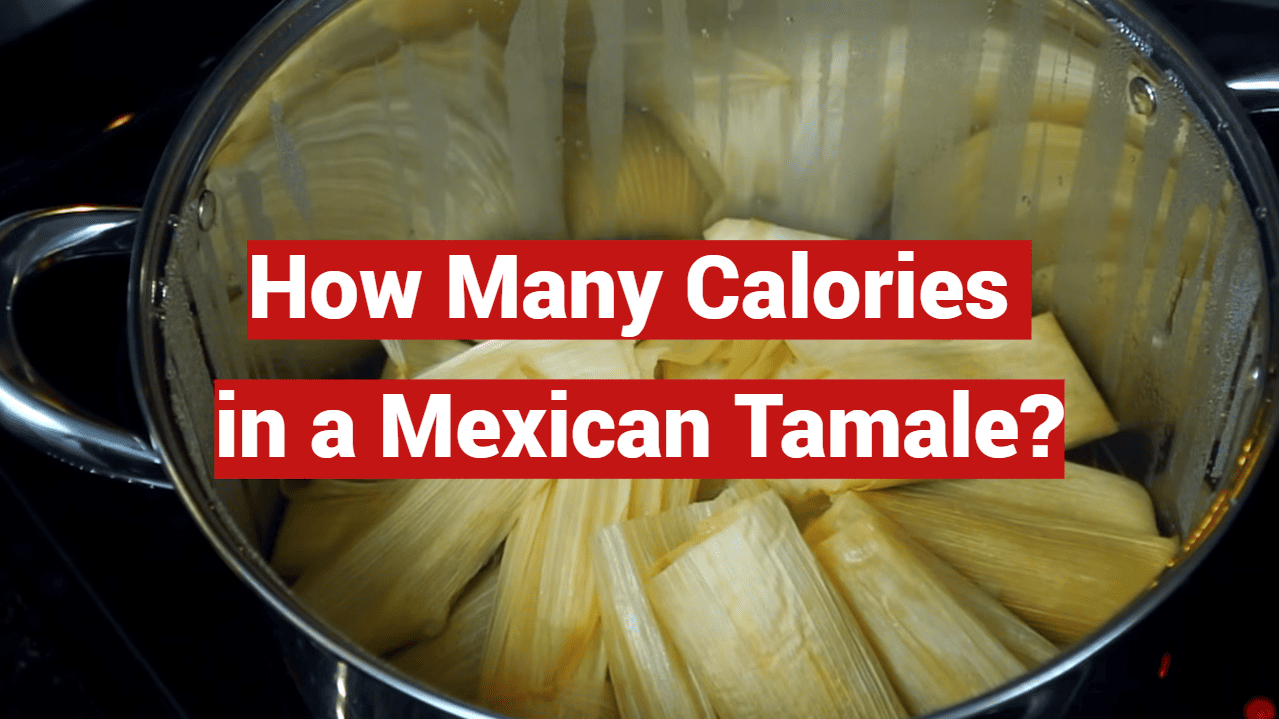
A typical Mexican tamale can land in a fairly broad calorie range because recipes and portions differ. The calorie estimate depends mainly on size, masa ingredients, filling, and toppings. Masa is corn dough made from ground corn and formed into the tamale’s outer layer. Knowing what affects the count can help when you plan meals or track intake for health reasons, without making enjoyment and informed choices feel like opposites.
A recipe made with more lard or oil may differ from one made with less, and a generous filling or topping can shift the total too. Even two tamales that look alike may have different weights and ingredients. A number is most useful when you know the serving it describes and how it was prepared.
You can use a practical calorie estimate as a starting point, not a judgment about what belongs on your plate. First, you’ll get a useful estimate, then a guide to the factors that change it.
Key Takeaways
- A standard 4-5-ounce serving is commonly estimated at 200-375 calories.
- Size, masa ingredients, filling, and toppings can shift the calorie estimate.
- Nutrition facts apply to a stated serving, not every homemade recipe.
- Checking a label or recipe gives you a closer estimate when you need one.
- A calorie estimate can inform a choice without deciding whether a food is good or bad.
How Many Calories in a Mexican Tamale?
A standard 4-5-ounce tamale is commonly estimated at 200-375 calories. The range gives you a starting point for one serving, rather than a fixed value for every recipe.
Recipe, size, lard or oil in the masa, and filling can move a serving within or beyond that range. An unusually large homemade or restaurant portion may exceed 400-500 calories. Treat the estimate as a guide, not a universal nutrition-facts label.
A standard 4-5-ounce tamale is commonly estimated at 200-375 calories, but a larger serving may exceed 400-500.
A practical estimate for one tamale
For a typical serving, 200-375 calories is a reasonable broad estimate. A tamale at the smaller end of the standard size range, with a modest filling, may be closer to the lower end. A larger or richer version may sit higher.
When a package lists nutrition facts, compare its serving size with the piece you plan to eat. A label may describe one tamale, a fraction of one, or a serving that contains more than one. The listed calorie amount only makes sense alongside that serving detail.
Why calorie estimates differ
Two tamales can share a filling but differ in the amount of masa and fat used. A cook may mix lard or oil into the masa, while another recipe uses a different amount or type. That difference affects the calorie estimate before the filling is considered.
Restaurants and home cooks also vary in portion size. Nutrition facts for one standard serving cannot account for every handmade piece, so use the weight and ingredients when precision matters. The next useful step is to consider how fillings change the estimate.
How Do Calories Vary by Tamale Filling?
Two tamales with different fillings can have noticeably different estimates even when they look similar in size. Filling matters, though the amount of masa and the recipe still affect the total.
The estimates below compare common types per tamale. Preparation and portion size can change every range, so use these figures as a guide rather than a product label.
| Filling | Estimated calories per tamale | Example or qualification |
|---|---|---|
| Pork or chicken | 250-350 | Meat filling; recipe and serving size vary |
| Cheese and jalapeño | 275-375 | Cheese amount affects the estimate |
| Sweet fruit | 200-300 | Fruit and added sugar vary |
| Bean or vegetable | Beans: 200-250; vegetables: 150-200 | Filling ingredients and preparation vary |
If you’re asking how many calories in one chicken tamale, the estimated range is 250-350. The same range applies to a pork tamale in this comparison. A leaner filling does not guarantee a lower total if the masa portion or added fat is larger.
For how many calories in a cheese tamale, cheese and jalapeño tamales are estimated at 275-375 calories. Cheese can add energy, and the amount used differs from one recipe to another. Sweet fruit versions are estimated at 200-300 calories, with added sugar affecting the result.
Bean tamales are estimated at 200-250 calories, while vegetable versions are estimated at 150-200. Those numbers describe broad examples, not a promise about a particular cook’s recipe. Filling is only one part of the total, so size and the number you eat matter too.
How Much Do Size and Number of Tamales Change the Total?
A small tamale and a large tamale can differ by about 100 calories in the pork-size estimates used here. Weight is a useful clue because a larger portion usually contains more masa and filling.
The pork examples below estimate about 200 calories for a 100-gram small tamale and 300 for a 200-gram large one. These are estimates, not universal values. Recipe and preparation still affect the calorie count.
| Pork tamale size | Approximate weight | Estimated calories |
|---|---|---|
| Small | 100 grams | 200 |
| Medium | 150 grams | 250 |
| Large | 200 grams | 300 |
For how many calories in a small tamale, this example gives about 200 calories at 100 grams. A small piece from another recipe may differ, since its masa, filling, and cooking ingredients may not match the example.
People also ask how many calories are in a tamale with beef. Size and recipe decide the estimate, and the beef filling alone does not support one precise universal count. A packaged label or the ingredient amounts and portion weight offer a closer answer.
For multiple servings, multiply the broad 200-375-calorie estimate by the number of tamales. For example:
- Two standard tamales: about 400-750 calories.
- Three standard tamales: about 600-1,125 calories.
These totals cover the tamales only, before toppings or sides. A portion estimate becomes more useful when you also know which ingredients contribute most to it.
Which Ingredients Add the Most Calories?
In a homemade recipe, the amount of fat mixed into the masa can matter as much as the filling. Recipe amounts count: a larger masa portion or more lard can change the estimate even when the filling stays the same.
Masa contributes corn-based carbohydrates. Lard or oil adds fat and energy, and the amount used varies between recipes. The ingredient list and portion weights are needed for an exact homemade count.
Masa, lard, and oil
Some cooks prepare masa with lard, while others use oil or a different amount of fat. More masa also means a larger outer layer in the serving. These details can make two tamales with similar fillings come out differently.
If you wonder how many calories in a homemade chicken tamale, first consider the masa amount, fat used, and weight of the chicken filling. For how many calories in a homemade pork tamale, those same details matter, along with the cut and amount of pork. Homemade recipes vary, so no exact count is possible without ingredients and portion weights.
Filling and toppings
Fillings may include meat, cheese, vegetables, or chile-based mixtures. Meat and cheese add their own energy, while vegetable fillings may have a different profile. The amount used is as important as the ingredient name.
Crema, extra cheese, and mole can add an estimated 50-150 calories as toppings. A spoonful is not the same as a generous pour, so count what actually reaches the plate if you’re tracking intake. A small topping can still change the total.
Once you know how masa, fat, filling, and toppings shape a recipe, the next question is what nutrients come with a defined serving.
What Nutrition Comes With a Typical Tamale?
One 166-gram pork or chicken tamale provides a more useful nutrition snapshot than a calorie count without a serving size. That defined portion is listed at 280 calories and includes carbohydrates, protein, fat, and fiber.
Nutrition facts describe this 166-gram serving, not every tamale. Its listed saturated fat is 4.4 grams, sodium is 427 milligrams, and sugars are 1.6 grams. It also contains iron and vitamin B12.
| Nutrient | Amount per 166-gram tamale | What it tells you |
|---|---|---|
| Calories | 280 | Energy in the serving |
| Protein | 10 grams | Protein contribution |
| Carbohydrates | 30 grams | Carbohydrate content |
| Fat | 12 grams | Total fat in the serving |
| Fiber | 5 grams | Fiber contribution |
The listed tamale has 2.2 milligrams of iron and 1.0 microgram of vitamin B12. Those values describe one example of a pork or chicken serving. Other recipes and portion sizes can have different nutrition facts.
Three nutrients beyond the table’s main entries have useful roles:
- Iron helps the body make hemoglobin, which carries oxygen in the blood.
- Vitamin B12 supports nerve function and the formation of blood cells.
- Fiber supports digestion and can help add fullness to a meal.
The numbers offer context, not a verdict about the food. How those nutrients fit depends on your dietary needs and the rest of your meals.
How Can Tamales Fit Different Dietary Needs?
Whether a tamale fits your diet depends on its ingredients, portion, and the rest of the meal. There is no single rule that makes every tamale suitable or unsuitable for everyone.
Corn masa can provide carbohydrates, and a meat, cheese, or bean filling can contribute protein. Fiber in a recipe can add to a meal’s fiber intake. A tamale can contribute to a meal, but it is not automatically a complete meal by itself.
Nutrients that can contribute to a meal
A tamale may be one part of a varied plate alongside other foods that meet your preferences and needs. The balance depends on what else you eat during the day, the recipe, and the portion that feels right for you.
Traditional corn-based tamales are generally gluten-free because they use corn masa. Still, recipes can include other ingredients, and cross-contamination can occur during preparation. If you need to avoid gluten, check the recipe or product information rather than relying on the name alone.
Dietary limits to keep in mind
The carbohydrate content may not suit every low-carb plan. Sodium and saturated fat can also matter to some people, depending on their health needs and overall diet. A label or recipe can help you see what is in a particular serving.
Food choices do not need a simple healthy-or-unhealthy label. You can consider the ingredients, serving, and other foods you enjoy, then decide what works for you. For people who need to pay particular attention to blood glucose, carbohydrate content deserves a closer look.
Will Tamales Affect Blood Sugar?
Because masa contributes carbohydrates, a tamale can raise blood glucose, though the size of the response differs from person to person. Individual response varies, even when two people eat similar portions.
A listed pork or chicken serving has 30 grams of carbohydrates. A reported glycemic-index range for tamales is 57-82, but that is an estimate, not a guaranteed response for your blood sugar. Your own response may differ from that range’s general estimate.
The glycemic index is one way to describe how a carbohydrate-containing food may affect blood glucose. It does not capture every person’s response or every recipe. Portion size, the rest of the meal, and individual factors can all matter.
If you manage diabetes, these practical steps may help you make a plan that suits you:
- Consider a smaller portion if that fits your meal plan.
- Pair the tamale with nonstarchy vegetables for a more varied meal.
- Account for the meal’s other carbohydrate-containing foods and drinks.
- Follow your personal glucose-monitoring plan or clinician’s guidance.
A side dish does not promise to prevent a blood sugar rise, and there is no universal half-tamale limit for everyone. Your own care plan is the best guide. From managing one meal, you can also consider recipe choices that change its overall profile.
How Can You Make a Tamale Meal Lighter?
A few recipe choices can change the balance of a tamale without requiring you to give it up. Small adjustments can affect the ingredients and portion, though they do not guarantee a set calorie reduction.
Using less lard or oil in the masa may reduce the fat in a recipe. The exact effect depends on how much the recipe changes and the finished portion. A substitution is a choice, not a precise calorie promise.
Adjust the masa and filling
At home, you can choose lean chicken breast or vegetable fillings such as peppers, beans, or zucchini. These options change the recipe’s ingredients, but they do not make every serving identical. The amount of masa and filling still matters.
Beans can contribute protein and fiber, while vegetables bring different flavors and textures. If you like pork or cheese, you can keep those ingredients and adjust the amount used. There is no need to treat one filling as the only acceptable choice.
Be selective with toppings and sides
Crema and cheese sauce can add substantial energy when used generously. You might use a smaller amount, or choose salsa for a different kind of topping. What matters is the portion you serve, not a rule that you must avoid a favorite ingredient.
Steaming cooks a tamale but does not erase the calories in its ingredients. Crisping a steamed tamale in a pan with added oil changes the total. If you want a closer estimate, include that added oil along with the masa, filling, and toppings.
Ingredient control is easier at home, where you can see the recipe and serving size. Packaged tamales call for a different approach: checking the label before you compare options.
What Should You Check in Homemade and Store-Bought Tamales?
The most useful comparison is the nutrition information for the serving you will actually eat. Serving size comes first, since calorie and sodium numbers are meaningful only when you know how much food they describe.
At home, cooks can adjust lard or oil, salt, filling, and portion size. A written recipe can also make it easier to estimate how much each ingredient contributes. Use the finished serving, rather than the whole recipe, as your comparison.
What homemade recipes let you control
When someone else made the tamales, ask about the ingredients and approximate portion if the details matter to you. A recipe that lists amounts makes a closer estimate possible than a description such as “one large piece.” The final weight can help too.
Homemade preparation does not automatically mean lower calories or sodium. Recipes vary, and generous portions can still be rich in ingredients that affect the total. The advantage is having more control over what goes in and how much is served.
How to compare packaged options
For packaged tamales, compare the serving size, calories, sodium, saturated fat, and ingredients on the label. Check whether the serving is one tamale or a different amount. If you eat more than the stated serving, the listed numbers do not describe your full portion.
Commercial tamales can contain 600 milligrams or more sodium per tamale, while a listed 166-gram pork or chicken serving contains 427 milligrams. Actual products vary, so these figures are not a brand ranking. No packaged option is automatically less nutritious than every homemade one.
Labels make a practical comparison possible without guessing from appearance. Once you have chosen a tamale, you can decide what else to put on the plate.
What Sides Go Well With Tamales?
Pairing a tamale with a vegetable or bean side can make the plate more varied than eating it alone. A simple side can add flavor, texture, and nutrients without changing the tamale itself.
Beans and vegetables add fiber and variety, while avocado contributes fat and energy. Sides add their own nutrition and calories, so include them when thinking about the whole meal.
Easy pairings include:
- A side salad with vinegar dressing for crisp vegetables and a tangy contrast.
- Black or pinto beans for a hearty option that also adds fiber.
- Avocado or guacamole for creamy texture and additional fat and energy.
- Salsa verde or pico de gallo for a fresh, bright topping or side.
These pairings can make the meal more satisfying and give you different textures on the plate. You might choose beans when you want something filling, or salad when you want a crisp contrast. There is no single side that every person needs to serve.
A side dish does not guarantee a particular blood-sugar response. Its portion and ingredients count too, just as the tamale’s do. Beyond the plate, tamales also carry meanings shaped by the occasions and regional styles in which people share them.
How Do Tamale Traditions Vary by Region and Occasion?
A tamale’s ingredients and wrapping can reflect the region and the occasion as much as the cook’s recipe. Local styles differ, and no one version stands for every family or community.
Families and friends often make tamales together at gatherings called tamaladas. Tamales may be served at Christmas, Día de los Muertos, weddings, and baptisms. Those occasions bring different households and recipes to the table.
- At a tamalada, people gather to prepare and assemble tamales together.
- Oaxacan tamales may be wrapped in banana leaves.
- Yucatan-style tamales may be seasoned with achiote.
These are a few examples, not a full map of tamale traditions. Wrapping, masa, fillings, and seasoning can vary across regions and households. A particular cook may also adapt a family recipe or use ingredients suited to the occasion.
Regional styles and family recipes vary, so one tamale cannot stand in for every tradition.
Knowing that variation helps you make a more informed calorie estimate without reducing the food to a number. You can consider the serving and recipe, while leaving room to enjoy its place in a meal or celebration.
Conclusion
For a useful estimate, start with the tamale’s size and filling, then account for the masa and toppings. Portion and recipe matter more than one universal calorie number.
A packaged label is the clearest starting point for a store-bought serving. For a homemade tamale, use its ingredients and portion weight when a closer count matters. An estimate can inform your choice without judging the food.
Enjoying tamales and making informed choices can go together. For your next serving, check the serving size and nutrition label, or ask how the homemade recipe was prepared.