
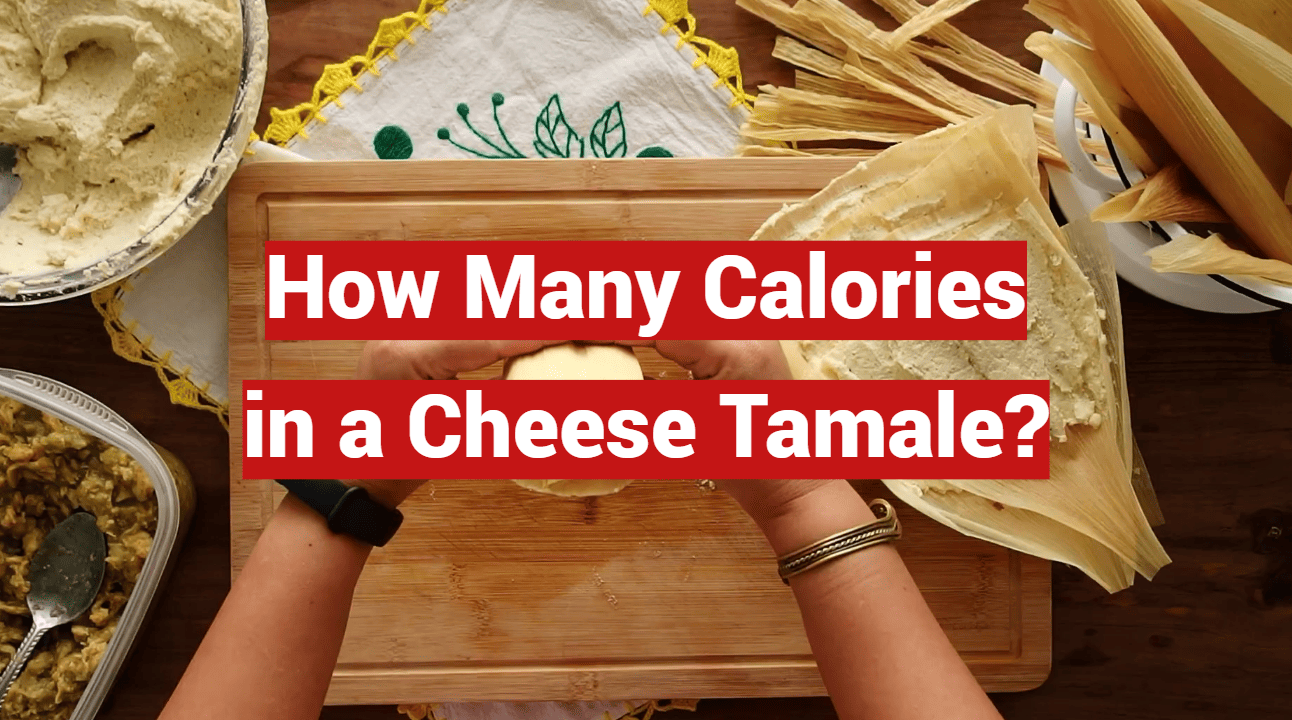
You’re checking a meal’s calories and wondering whether how many calories in a cheese tamale fits your day. The answer depends on what is inside and how much you eat, so one number cannot describe every version.
Masa is the corn dough that forms the main outer layer around a tamale’s filling. Size, recipe, and preparation all affect the nutrition estimate, whether you make one at home or buy it ready to eat. That variation is normal, not a reason to second-guess your food choices.
You can use a practical estimate to plan a meal without treating it as an exact measure of health. First, you’ll get a usable calorie estimate, then a closer look at the nutrition details and the factors that shift it.
Key Takeaways
- A standard cheese tamal has a broad estimated calorie range.
- Size, masa, cheese, added fat, and toppings affect the total.
- Nutrition values per 100 g are not automatically one-tamal totals.
- Package labels and measured homemade ingredients can narrow an estimate.
- A cheese tamal can be part of a meal that suits your needs.
How Many Calories in a Cheese Tamale?
A standard cheese tamal is estimated at 275-375 calories, with size and recipe determining where it falls. A medium cheese tamal is often estimated at about 280-360 calories.
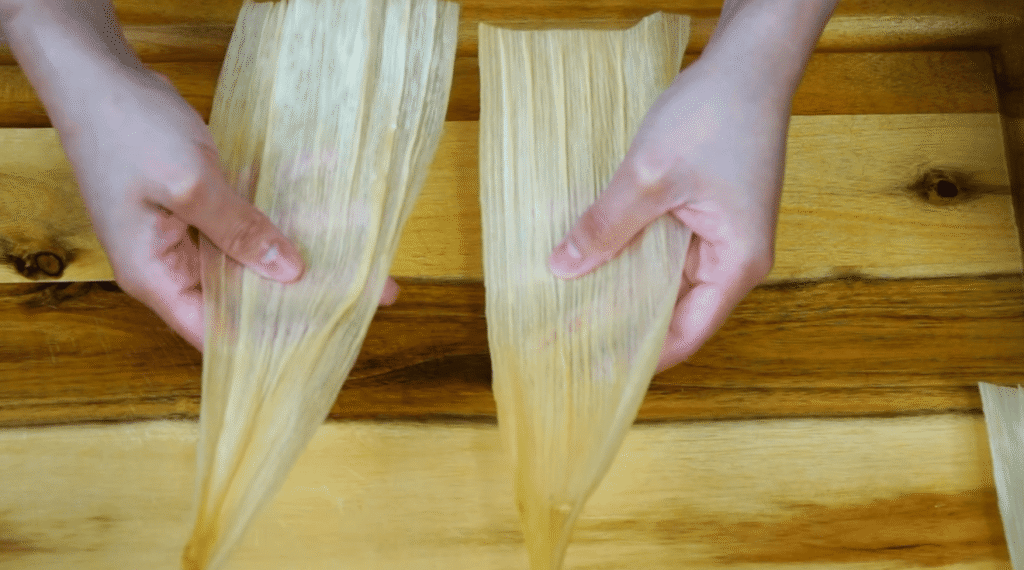
A standard cheese tamal is estimated at 275-375 calories, but size and recipe decide the more useful number.
A standard tamal is about 4-5 ounces, though individual pieces can be smaller or larger. A heavier tamal may contain more masa or filling, so its calorie total can rise even when the ingredients seem similar.
The amount of cheese matters, as does the recipe used for the masa. Some masa recipes include more fat than others, and that difference changes calories without changing the filling name.
Cheese and jalapeño tamales fit within the broader estimate for cheese and jalapeño tamales; they do not have a guaranteed separate value. Jalapeño adds flavor, but the masa, cheese, and finished size still shape the total.
These figures are useful estimates, not exact values for every tamal sold or made at home. A restaurant’s large, dense piece may differ from a smaller packaged one, and a homemade recipe can vary from batch to batch.
To compare the ingredients behind the calorie estimate, look at a nutrition snapshot measured per 100 g. That view shows what the calories include, while keeping the serving-size difference clear.
What Nutrition Does a Cheese Tamale Provide?
A nutrition panel per 100 g is not the same as the total in one whole tamal. Use the serving’s weight before treating these figures as a full-tamale count.
The snapshot below lists calories, protein, carbohydrates, fiber, and fat in Mexican cheese tamales. Daily values help put those amounts in context, but they use a 100 g portion here.
| Nutrient | Amount per 100 g | Daily value |
|---|---|---|
| Calories | 216 kcal | 11% |
| Protein | 9.0 g | 18% |
| Carbohydrates | 18.0 g | 7% |
| Fiber | 2.2 g | 8% |
| Fat | 12.0 g | 15% |
Per 100 g, sugar is 1.2 g, saturated fat is 4.0 g, and sodium is 503 mg. Sodium is worth checking if you monitor salt, since the amount in your portion depends on its weight.
The carbohydrates come largely from masa, while cheese contributes protein and fat. The fiber amount is one part of the picture; the rest of the meal also affects what your food provides.
These nutrition values describe a set weight, not automatically one cheese tamal. A piece weighing more than 100 g contains a larger portion of the listed nutrients, while a lighter one contains less.
Different fillings change the overall nutrition profile, even when the outer masa looks much the same. Comparing common fillings is a useful way to see how those choices shift calories.
How Do Cheese Tamales Compare With Other Fillings?
Changing the filling can shift calories even when two tamales look similar in size. Meat, cheese, vegetables, and sweet ingredients bring different amounts of fat, sugar, and other nutrients.
These estimates are for medium tamales, and each recipe can land outside its range. Sauces and the amount of filling also matter, so use the numbers as comparisons rather than exact counts.
| Filling | Estimated calories per medium tamal | Typical reason for variation |
|---|---|---|
| Chicken | 220-320 | Lean meat and sauce |
| Pork | 250-350 | Meat fat and sauce |
| Beef | 260-360 | Cut of meat and sauce |
| Vegetarian | 200-300 | Vegetables or beans |
| Cheese | 280-360 | Amount and type of cheese |
Meat-Filled Tamales
Chicken tamales are often lower in calories than pork or beef versions, especially when the chicken is lean. Still, the sauce and masa recipe can narrow that difference or shift the estimate.
Fattier pork or beef and richer sauces can raise the total. For three pork tamales, a broad estimate is 750-1,050 calories using the medium-pork range. That total is simple multiplication, not a statement about how many you should eat.
Vegetarian and Sweet Fillings
Vegetarian tamales are estimated at 200-300 calories per medium tamal, but ingredients make a noticeable difference. Vegetables and beans vary, and added fat or a dense masa layer can change the final amount.
Sweet tamales are also estimated at 200-300 calories each. Added sugar and fruit affect the recipe, so the word “sweet” does not tell you the precise calorie value.
Filling is only one part of the estimate. Masa, size, preparation, and what goes on top can also shift the total, so those details are the next things to consider.
What Makes a Cheese Tamale Higher or Lower in Calories?
Two cheese tamales with the same filling can have different totals if one has more dough or toppings. The amount matters, and the main calorie drivers are the masa, cheese, size, preparation, and toppings.
Use this checklist to spot the details that can move an estimate up or down:
- Masa fat: lard raises saturated fat, while vegetable oil can lower saturated fat without necessarily lowering calories.
- Amount of cheese: a thicker or more generous filling adds more than a modest amount.
- Tamal size: more masa and filling usually mean a larger edible portion.
- Preparation method: recipes and cooking choices affect the amount of fat in the finished food.
- Toppings: a spoonful of crema can add about 40-60 calories, and the amount varies.
Vegetable oil is not automatically a low-calorie choice. It can have fewer saturated fats than lard, while still providing similar calories when used in the masa.
Crema is only one possible topping. A small spoonful and a heavy pour do not add the same amount, and cheese, sauces, or other extras also depend on how much you use.
You do not need to remove every topping or avoid a particular ingredient to understand the estimate. Knowing which parts vary helps you make a recipe choice that feels practical, including a lighter version if that suits you.
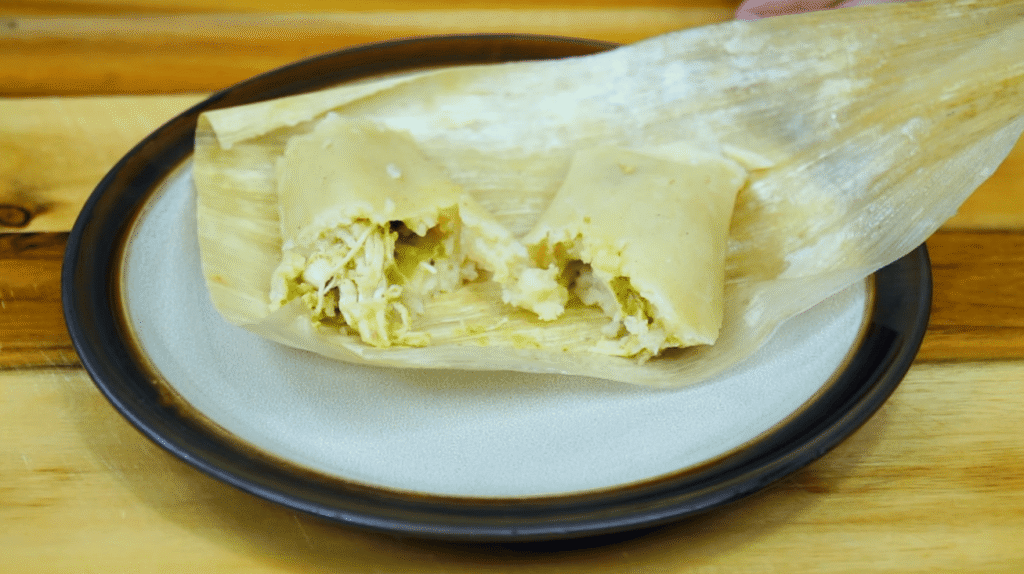
How Can You Make Green Chile Cheese Tamales?
The chile variety alone cannot determine a tamale’s calorie total. Cheese, masa, and added fat have a larger role in the finished estimate, and the recipe and size still matter.
Green chile and jalapeño bring distinct flavors, but neither gives you a fixed number for the whole tamal. The amount of masa and filling can differ from one batch to another.
Calories in a Cheese and Jalapeno Tamale
A cheese-and-jalapeño version is included in the broad estimate of 275-375 calories for cheese and jalapeño tamales. The exact figure depends on size, cheese quantity, and the masa recipe, just like other cheese versions.
Jalapeño gives the filling a peppery flavor, but it does not set a calorie value for the finished food. A larger piece or a richer masa recipe can matter more than the particular pepper used.
Green Chile and Cheese Tamales Calories
There is no universal calorie total for green chile and cheese tamales. The amount of cheese, masa, and added fat changes by recipe, so a separate green-chile figure would not describe every version.
For a homemade batch, use the actual ingredient amounts and number of tamales made. For a packaged product, the label gives the product-specific serving and nutrition values when those details are listed.
A Green Chile Cheese Tamales Recipe
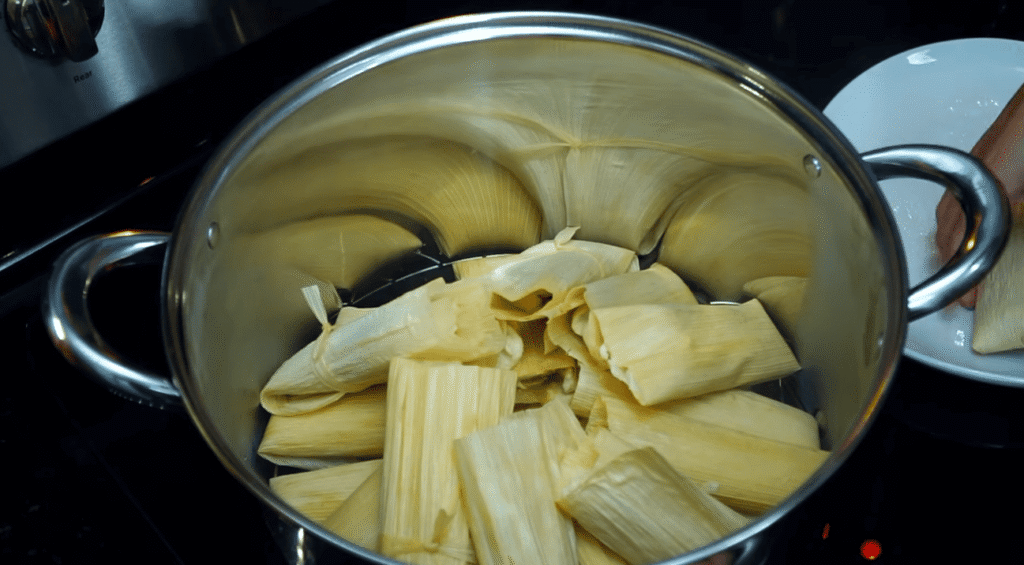
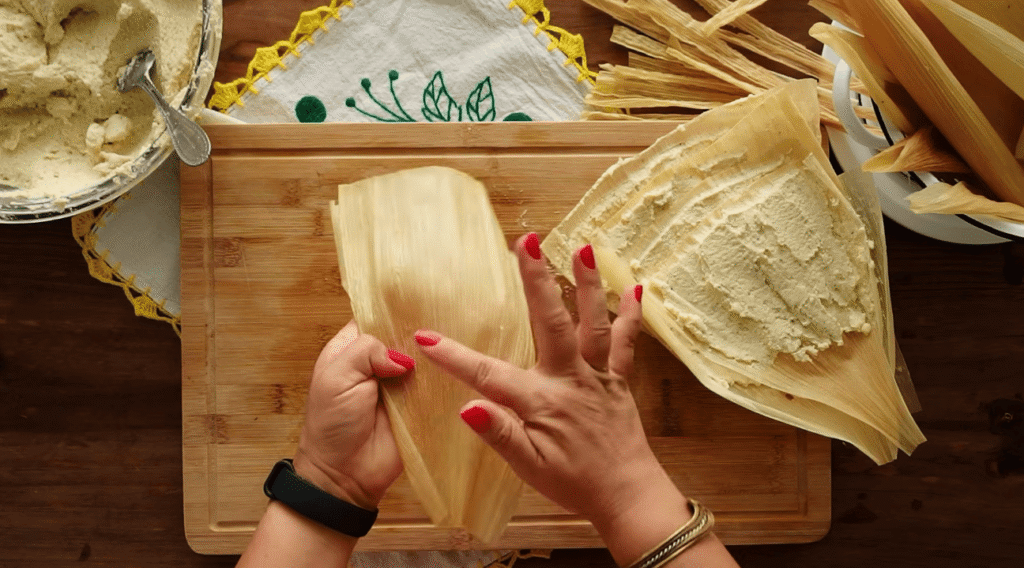
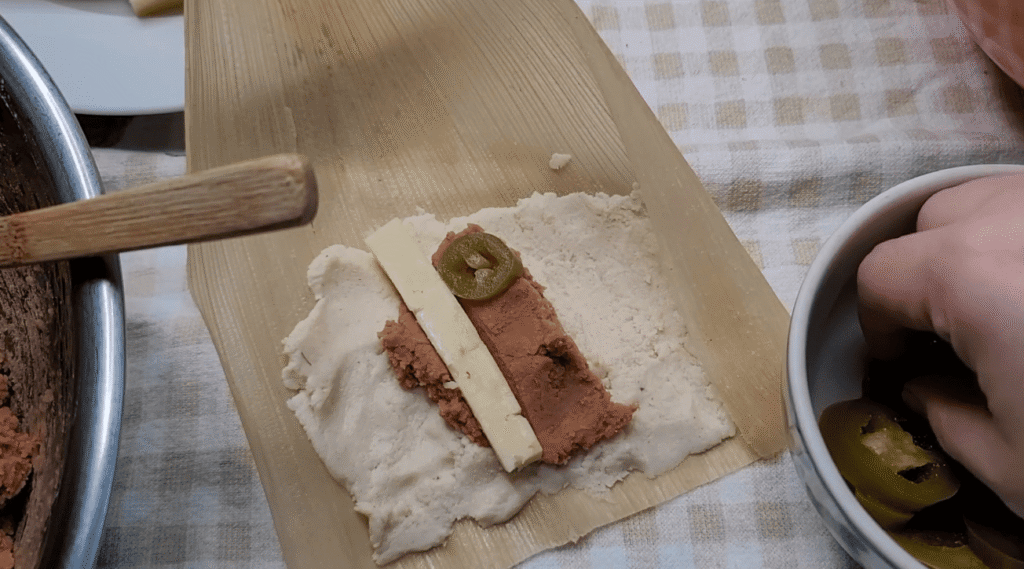
A practical green chile cheese tamales recipe starts with masa, green chile, and cheese. Spread the masa around the filling, fold each tamal in its wrapper, then steam until the masa is cooked through.
You can choose a recipe with less lard or vegetable oil to manage the type of fat. Vegetable oil can lower saturated fat compared with lard, but it does not necessarily lower calories.
Keep track of how much cheese goes into the filling, since that amount changes the finished recipe. A modest adjustment is easier to estimate than an ingredient amount you did not measure.
For an accurate homemade estimate, note the full batch’s ingredients and yield. The serving-size decision comes next: how many pieces you eat and how large each edible portion is.
How Many Tamales Make a Serving?
A serving has no fixed tamale count; it depends on the product and the meal. Use the package’s serving information when available, or count the pieces you actually eat.
One tamal is one piece, while a meal with several is a larger portion. Neither number defines a universal serving, since products and appetites differ.
The table uses the broad estimate of 275-375 calories per cheese tamal. It shows the arithmetic for several portion sizes, not a recommended amount.
| Number of cheese tamales | Estimated calories using 275-375 each | How to read the total |
|---|---|---|
| 2 | 550-750 | Two-item portion |
| 3 | 825-1,125 | Three-item portion |
| 4 | 1,100-1,500 | Four-item portion |
Actual totals can differ because individual tamales vary in size and recipe. A large homemade piece may not match the standard estimate, and a packaged serving may list a different count.
When you eat several foods together, consider the full meal rather than treating the tamale count as a rule. Counting what you ate gives a clearer estimate than assuming a serving always means one piece.
Portion arithmetic is one practical tool, not a judgment about your meal. With the count in mind, you can decide whether tamales fit comfortably into a balanced eating pattern.
Can Cheese Tamales Fit Into a Balanced Diet?
Yes, a cheese tamale can be part of balanced eating. The overall meal and how often richer foods appear help shape your eating pattern.
A single food does not decide whether your diet supports your health or heart. Look at the full day and the foods you tend to eat, without expecting every meal to follow one formula.
Pairing a Tamale With Other Foods
Pairing a tamal with vegetables can add variety, while beans may suit the meal if you want them. The right combination depends on your appetite and what else you are eating.
Try these practical options when you build a meal around one:
- Pair the tamal with vegetables or a salad.
- Add beans when they suit the meal.
- Keep rich toppings moderate if you want a less rich plate.
- Choose a portion that fits the day and your appetite.
Those are flexible ideas, not requirements. Protein, fat, and other nutrients vary with the tamal and its companions, so your meal can take different forms.
Enjoying Tamales While Managing Calories
If you are managing calories, start with the portion you plan to eat and include toppings in your estimate. A tamal can fit alongside other foods, rather than needing to stand alone as the whole meal.
People managing a health condition may benefit from individualized advice from a registered dietitian or clinician. Your needs can differ from general nutrition guidance, and a professional can help tailor choices.
There is no need to treat one meal as a test of willpower. Restaurant portions and packaged servings can make the calorie estimate less predictable, so the product details are useful to check.
What Should You Check in Restaurant and Store-Bought Tamales?
If a restaurant menu or package is the only product-specific information you have, use it as your starting point. Portion size can change the estimate, and the current label or restaurant nutrition information is the best place to check.
Look for the serving size as well as calories. A value for one tamal may not describe a meal with multiple pieces or toppings.
Restaurant Portions and Vallarta Tamales
No Vallarta-specific calorie value is available here, so do not assume a number based on another restaurant’s tamales. Check Vallarta’s current nutrition information or ask about the portion size and toppings.
Restaurant recipes may differ from homemade versions in size, masa, cheese, and preparation. If the staff cannot provide a calorie value, asking how large the tamal is can still help you judge the portion.
Packaged Tamales and Nutrition Labels
Packaged tamales can have a product-specific nutrition label with serving and nutrient values. Check how many pieces make up the stated serving, then compare that with the amount you plan to eat.
Del Real and Trader Joe’s are examples of brands with specific products to check on the current package. Neither brand is automatically the top choice for everyone; the best value depends on your taste, budget, and nutrition priorities.
A larger homemade tamal can reach 400-500 calories, especially when it is rich or dense. That possibility is another reason not to apply one product’s number to every version.
Restaurant and package details can clarify the tamal itself. The sides and meal combinations you choose also affect how complete and satisfying the meal feels.
What Goes Well With a Cheese Tamale?
A cheese tamal paired with a fresh side, such as a salad, can make a balanced meal without relying on several rich toppings. Choose companions that suit your appetite, and there is no single side that works for everyone.
These foods offer different textures and flavors alongside masa and cheese. Pick one or more based on what you enjoy and what else the meal needs.
- Salad: crisp greens or chopped vegetables add freshness.
- Vegetables: roasted, steamed, or raw vegetables can bring variety.
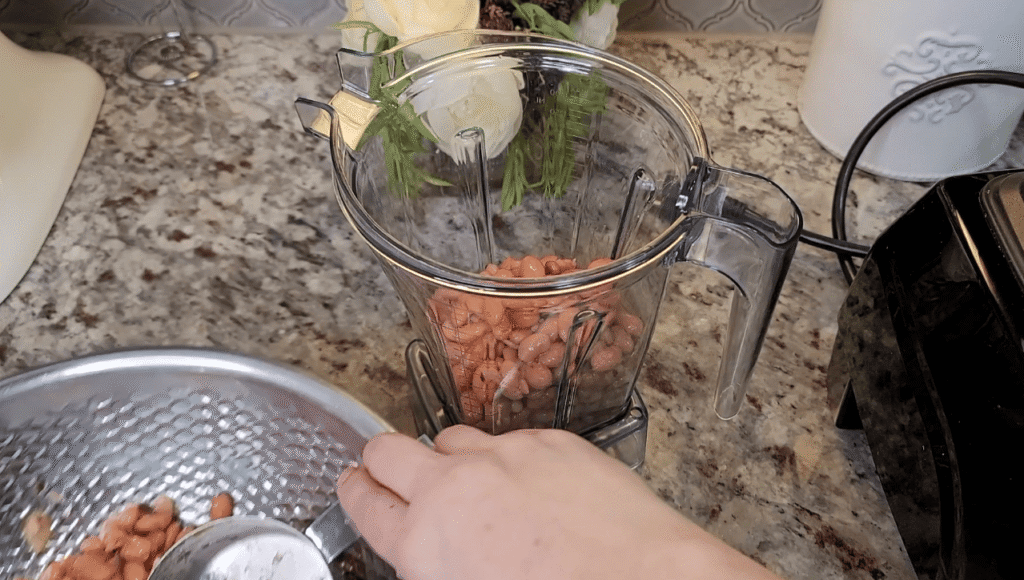
- Beans: add them when they suit your appetite and meal.
- Salsa: use it for a bright, spicy or tangy flavor.
Salsa adds flavor with almost no calories, though recipes and amounts differ. A spoonful can be enough to change the taste, and you can add more to suit your preference.
Beans, vegetables, and salad can contribute fiber, while beans also add protein and carbs. The exact amounts depend on the food and serving, so there is no need to assign every side a number.
One person may want a small fresh side, while another may prefer beans or more vegetables. Let the meal’s needs and your appetite guide the choice, rather than following a fixed pairing rule.
If you make the tamales yourself, ingredient amounts and portions offer a clearer path to estimating the meal. A careful homemade total starts with what went into the batch and how many pieces it made.
How Can You Estimate Calories in a Homemade Cheese Tamale?
A homemade calorie estimate is only as accurate as the ingredient amounts and yield. Measure what you use, and divide the recipe’s total calories by the number of tamales made.
Use this four-step checklist to calculate a useful estimate:
- Record the amounts of masa, cheese, and added fat.
- Use nutrition values that match those ingredients and their amounts.
- Total the calories for all recipe ingredients.
- Divide the recipe total by the number of tamales made.
Weighing the edible portion can improve your portion estimate when the tamales are different sizes. The corn husk is a wrapper, not part of the edible portion, so remove it before weighing the food you eat.
Nutrition values may differ between brands and ingredient types, especially for cheese and added fat. Use the values that match your actual ingredients rather than a number from a different recipe.
A homemade calorie estimate is only as accurate as the ingredient amounts and yield.
No ingredient weights are available here for an exact homemade recipe total. A carefully measured estimate is still more useful than treating an unmeasured recipe as a precise nutrition value.
Use your best estimate and note what you measured; it does not need to be exact to help you understand the meal. For a simpler next step, check the package or restaurant details, or record the ingredients and yield of your batch.
Conclusion
A cheese tamale’s calories depend on its size and ingredients. A practical estimate is more useful when it reflects the actual piece you eat.
Nutrition values can help you understand the food, but a package serving or measured homemade portion narrows the estimate. That small check gives you a clearer number for your day without making one food a verdict on your health.
For your next meal, check the package or restaurant information, or record the ingredients and yield for a homemade batch.