
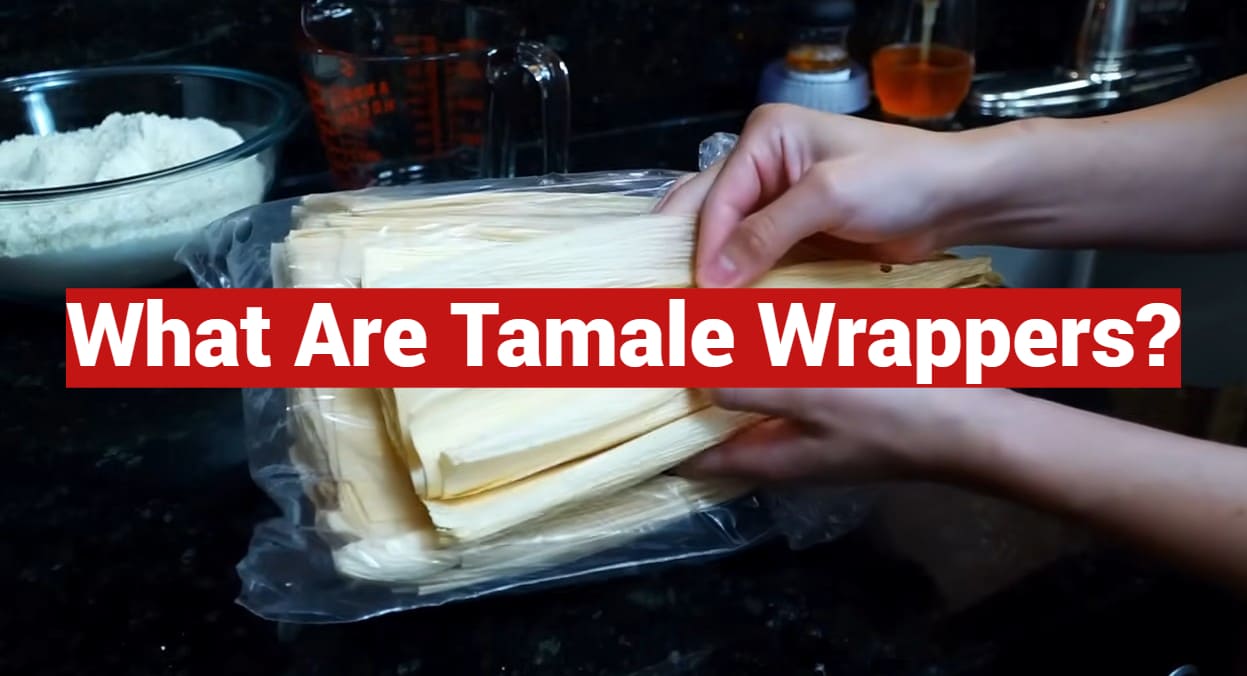
Did you know that Americans consume over 100 million tamales each year? This staggering number highlights the popularity of this delicious dish and the essential role of tamale wrappers in its preparation. These casings are not just any ordinary materials; they come in various forms, including traditional corn husks and innovative parchment sheets.
Modern tamale wrappers are designed for convenience and ease of use. The textured parchment hojas, which are corn-yellow and silicone-coated, are an excellent alternative to the traditional husks. They provide a practical solution for those looking to enjoy tamales without the hassle of soaking and preparing corn husks.
Available nationwide, these wrappers can be found in supermarkets and major retailers like Target and Costco. One popular option is the New Orleans hot tamale paper, measuring 4.5 by 4.5 inches, which comes in packages of approximately 250 sheets. With a retail price of $6.18 for a 24-count quantity, shoppers can easily find a format that suits their needs.
Key Takeaways
- Tamale wrappers are essential for holding masa and fillings.
- Modern parchment sheets offer a convenient alternative to corn husks.
- These wrappers are widely available in supermarkets and major retailers.
- New Orleans hot tamale papers are a popular choice among consumers.
- Packages typically contain a large quantity, making them economical.
Introduction to Authentic Tamale Wrappers
The love for tamales is evident, with over 100 million consumed in the U.S. each year. To enjoy this beloved dish, choosing the right wrapper is crucial. Traditionally, corn husks have been the go-to option. However, modern alternatives like parchment hojas are gaining popularity.
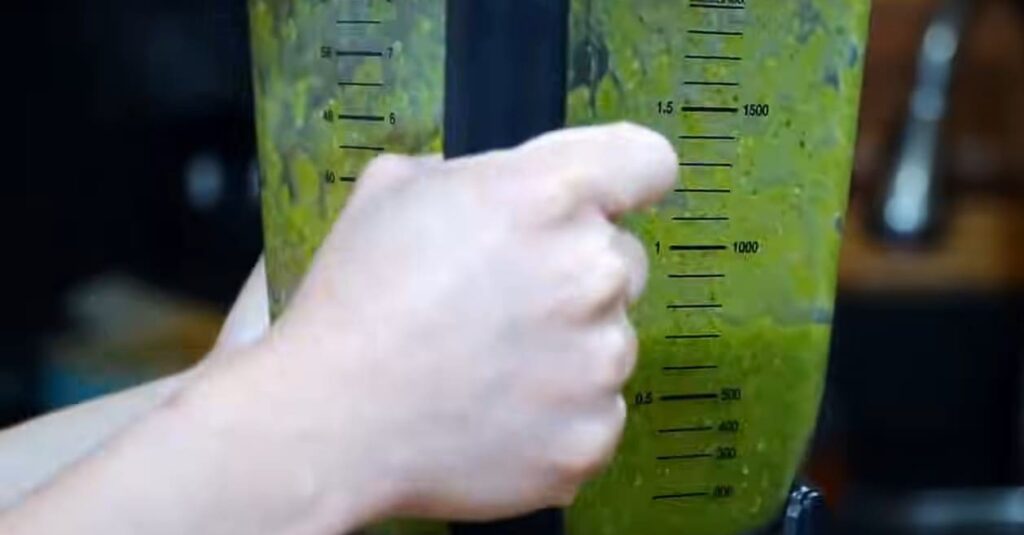
These textured parchment sheets are designed in trapezoid shapes that mimic the look of natural husks. They come in various sizes, including custom squares and rectangles, allowing manufacturers to cater to different recipes and filling sizes.
One of the significant advantages of parchment hojas is their ease of use. Unlike corn husks, these sheets do not require separating, trimming, or soaking. Simply spread the masa, add your filling, and steam away. This convenience makes them a favorite among home cooks.
| Feature | Corn Husks | Parchment Hojas |
|---|---|---|
| Shape | Natural | Trapezoid, custom shapes |
| Preparation | Soaking required | No soaking needed |
| Uniformity | Variable sizes | Standardized sizes |
| Availability | Seasonal | Widely available |
These products are now available nationwide in supermarkets, including Target and Costco, making them accessible for everyone looking to create delicious tamales at home.
Quality and Benefits of Parchment Hojas
The popularity of tamales is evident, with millions indulging in this cherished dish. One of the key components to their success is the quality of the wrappers used. Parchment hojas stand out for their health and cleanliness benefits.
Manufactured under audited and kosher-certified conditions, these products address concerns about dirt, mold, and pesticides. The silicone coating provides a nonstick surface without harmful chromium, often found in other nonstick materials.
Additionally, the parchment is made from wood pulp and silicone, ensuring it is Forestry Certified and compostable. This eco-friendly approach is complemented by ethical manufacturing practices in France, which avoid child and slave labor.
Uniform sizing and standard counts of parchment hojas contribute to reliable cooking results. This consistency helps commercial kitchens minimize rejects, leading to more predictable outcomes in food preparation.
Versatile Options for Authentic Cooking
With their diverse flavors and textures, tamales are a staple in many American households. Choosing the right cooking method is essential for achieving the perfect result. Various options exist to cater to both traditional and regional styles.
Coated sheets are ideal for steaming, ensuring that the masa cooks evenly. On the other hand, uncoated sheets are specifically designed for Southern U.S. hot tamales, which are cooked directly in flavorful broth.
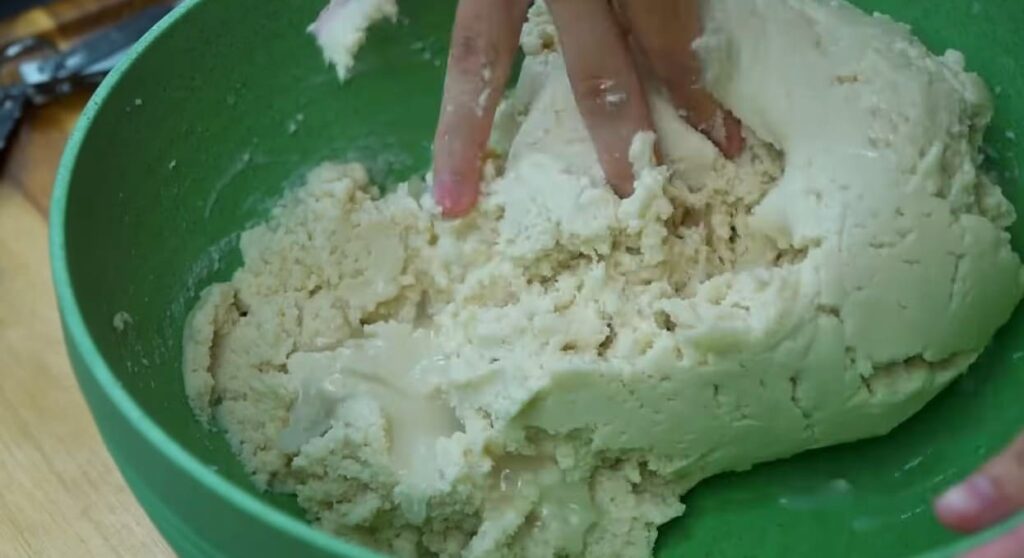
Perfect for Traditional, Hot, and Regional Tamales
New Orleans hot tamale papers measure 4.5 by 4.5 inches and are perfect for wrapping spicy, chile-laden fillings. These hot tamales can take 4.5 to 6 hours to cook on high heat, with checks starting after four hours. The casing plays a crucial role in promoting even cooking and preventing dryness.
Additionally, tamales can be baked or microwaved, making them versatile for any kitchen. Each method benefits from the right product, ensuring delicious results every time.
| Cooking Method | Wrapper Type | Cooking Time |
|---|---|---|
| Steaming | Coated Sheets | 1-2 hours |
| Boiling | Uncoated Sheets | 4.5-6 hours |
| Baking | Coated Sheets | 30-45 minutes |
| Microwaving | Coated Sheets | 10-15 minutes |
Product Variants: Coated, Uncoated, and Printed Options
In American kitchens, this dish has carved out a special place, enjoyed by families and friends alike. Choosing the right product can enhance your cooking experience. Various options are available, including silicone-coated, uncoated, and printed sheets.
Silicone-Coated Parchment for Non-Stick Performance
The silicone coating on these sheets helps prevent masa from sticking, making them easy to use. This feature is especially beneficial for those who want to ensure a smooth cooking process.
Uncoated and Outer Wrap Options for Various Cooking Methods
Uncoated sheets are specifically designed for Southern U.S. hot tamales cooked in liquid. Additionally, outer-wrap parchment keeps prepared tamales intact and separated during cooking. This also supports freezing and packaging.
Custom Printed Tamale Parchment for Retail Identification
Printed sheets provide visual identification for different varieties, including pork, chicken, and cheese. Stock designs feature red-striped and green-striped options for retail displays. For larger customers, custom logos can be printed, with a minimum order of 100 million sheets.
| Product Type | Features | Use Case |
|---|---|---|
| Silicone-Coated | Non-stick surface | Easy masa removal |
| Uncoated | For liquid cooking | Southern U.S. hot tamales |
| Outer Wrap | Holds tamales intact | Freezing and packaging |
| Printed | Variety identification | Retail display |
Mastering Tamale Wrappers in Your Culinary Journey
In the world of cooking, mastering techniques can lead to delightful meals. Understanding how to handle and store these products can enhance your culinary experience significantly.
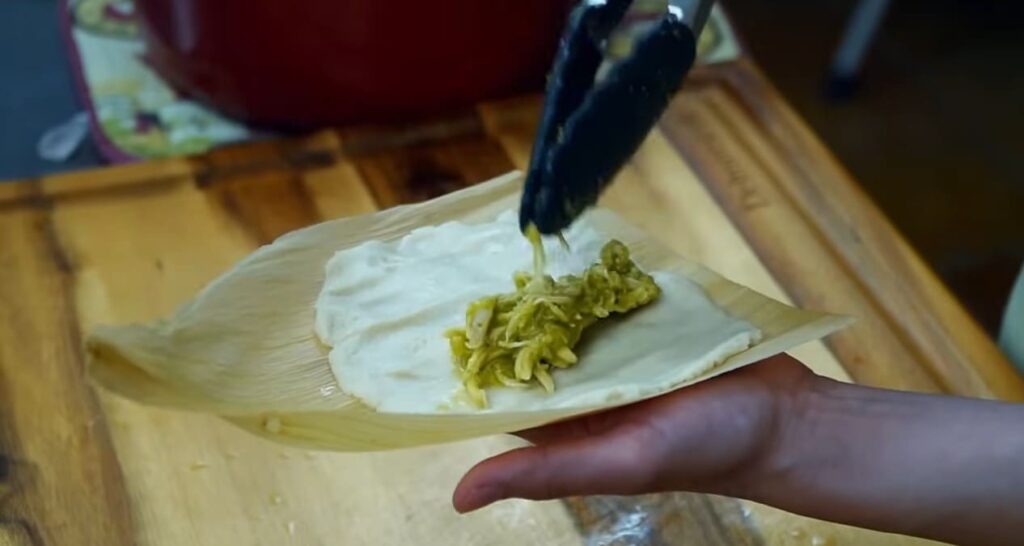
How These Products Enhance Cooking and Packaging
These sheets are incredibly user-friendly. They do not require separating, trimming, or soaking before use. Simply spread the masa, add your filling, and steam the prepared bundles. Once cooked, remove the casing before enjoying your dish.
Additionally, outer-wrap parchment is perfect for freezing and packaging. It keeps bundles separated during transport, ensuring they remain intact for later use.
Tips for Handling and Storing Tamale Wrappers
When preparing hot varieties, plan for 4.5 to 6 hours of cooking on high heat. Begin checking after four hours to ensure they are cooked to perfection.
These products can also be baked or microwaved, with the casing promoting even cooking and moisture retention. This versatility allows you to enjoy your meals in various ways.
| Preparation Method | Time Required | Notes |
|---|---|---|
| Steaming | 1-2 hours | Remove wrapper before serving |
| Boiling | 4.5-6 hours | Check for doneness after 4 hours |
| Baking | 30-45 minutes | Use coated sheets for best results |
| Microwaving | 10-15 minutes | Ensure even heat distribution |
Conclusion
With its rich flavors and textures, this dish has established a strong presence in American cuisine. Wrapper options range from traditional corn husk formats to consistent parchment hojas designed for faster, cleaner preparation.
Silicone-coated sheets help prevent sticking, while uncoated versions suit Southern U.S. hot varieties cooked in liquid. Additionally, certified compostable materials and audited manufacturing practices enhance quality and ethical considerations.
Outer-wrap and printed formats extend functionality into freezing, handling, and variety identification. Choosing the correct size, coating, and print depends on your recipe, cooking method, storage plan, and intended presentation.