

Did you know that nearly 70% of pet owners worry about what their furry friends can safely consume during family gatherings? With holiday meals featuring delicious treats like tamales, it’s crucial to understand the potential risks for your pet. While these festive foods may be a staple for humans, they can pose significant health hazards for our beloved companions.
In this article, we will explore why your pet should avoid tamales and how to keep them safe during celebrations throughout the year. Understanding the ingredients and preparation methods is essential for making informed choices regarding your pet’s diet.
We will provide expert tips on identifying potential hazards and what steps to take if your pet accidentally consumes any part of a tamale. By following our guidelines, you can enjoy festive meals with family and friends while ensuring your pet remains safe and healthy.
Key Takeaways
-
- Many owners question the safety of tamales for their pets.
- Understanding the risks is vital for your pet’s health.
- Learn how to keep your pet safe during family gatherings.
- Discover steps to take if your pet consumes tamale ingredients.
- Enjoy festive meals while protecting your pet from harmful foods.
Introduction
Many pet owners feel anxious about what their pets can safely consume during family meals. This guide provides critical information regarding the safety of tamales, a dish that dates back to ancient Aztec and Mayan civilizations. Understanding the risks associated with these festive foods is essential for every owner who wants to ensure their pet remains healthy and happy.
We examine why pets should avoid these items, focusing on specific ingredients that can cause severe health complications. Readers will learn how to recognize the signs of toxicity and the importance of keeping human food away from curious pets.

Additionally, we provide actionable advice on how to handle accidental ingestion and when to seek professional help from your local veterinarian. With this knowledge, you can enjoy family gatherings while keeping your furry friends safe.
| Key Topic | Details |
|---|---|
| Historical Background | Originates from Aztec and Mayan cultures. |
| Health Risks | Specific ingredients can be harmful. |
| Signs of Toxicity | Recognizing symptoms is crucial. |
| Action Steps | What to do if ingestion occurs. |
What Are Tamales and Their Key Ingredients?
During holiday celebrations, many owners fret over what their furry companions can safely enjoy. Tamales are a traditional dish with a rich history, dating back to the Aztecs and Mayans. They consist of masa, a dough made from corn, filled with various meats, cheeses, or spicy chilies.
While the corn base might seem harmless, the fillings often contain complex ingredients. Many of these spices can be dangerous for pets. The enticing aroma of tamales, wrapped in corn husks and steamed, can be irresistible to curious companions.
Understanding the specific ingredients is crucial. Recipes frequently use seasonings that may trigger gastrointestinal upset in pets. By breaking down these components, pet owners can better identify why these popular dishes pose risks to their furry friends.
Can Dogs Eat Tamale Husk?
Pet owners often find themselves questioning the safety of various foods during festive occasions. One common concern is whether the corn husk, often used to wrap tamales, poses any risks. Unfortunately, these wrappers are not digestible and can lead to choking hazards.
If a pet manages to swallow a piece of the husk, it might lodge in the throat or cause serious intestinal blockages. The husk absorbs rich, fatty flavors, making it tempting for a hungry pet to snatch up. However, due to its fibrous nature, it cannot be broken down by the digestive system.
This could lead to potential impaction, a serious condition that requires immediate attention. To keep your furry friend safe, always dispose of any corn husks right after meals. This simple step can prevent dangerous situations and ensure your pet stays healthy.
Health Risks Associated with Tamale Husk Consumption
As holiday meals approach, many pet owners find themselves concerned about their pets’ dietary safety. The consumption of tamale components can lead to severe vomiting and diarrhea, which are common indicators that a pet has ingested something irritating.
High-fat ingredients like lard, often found in tamale recipes, can trigger pancreatitis. This painful condition requires immediate care from a veterinarian. Furthermore, the presence of toxic substances may lead to systemic toxicity, causing pets to exhibit signs of lethargy, weakness, or even collapse.
If a pet experiences persistent vomiting or diarrhea, it is essential to monitor their behavior closely. Always contact your clinic for professional guidance. Protecting your furry friends from these health risks is a primary responsibility for every owner, especially during holidays when these foods are abundant.
“The best way to ensure your pet’s safety is to be aware of what they consume during festive occasions.”
Understanding Tamale Ingredients and Their Effects on Dogs
Understanding what foods are safe for pets during festive meals is a common concern among pet owners. Certain ingredients in tamales can pose serious health risks. This includes common items like onions and garlic, which are particularly harmful.
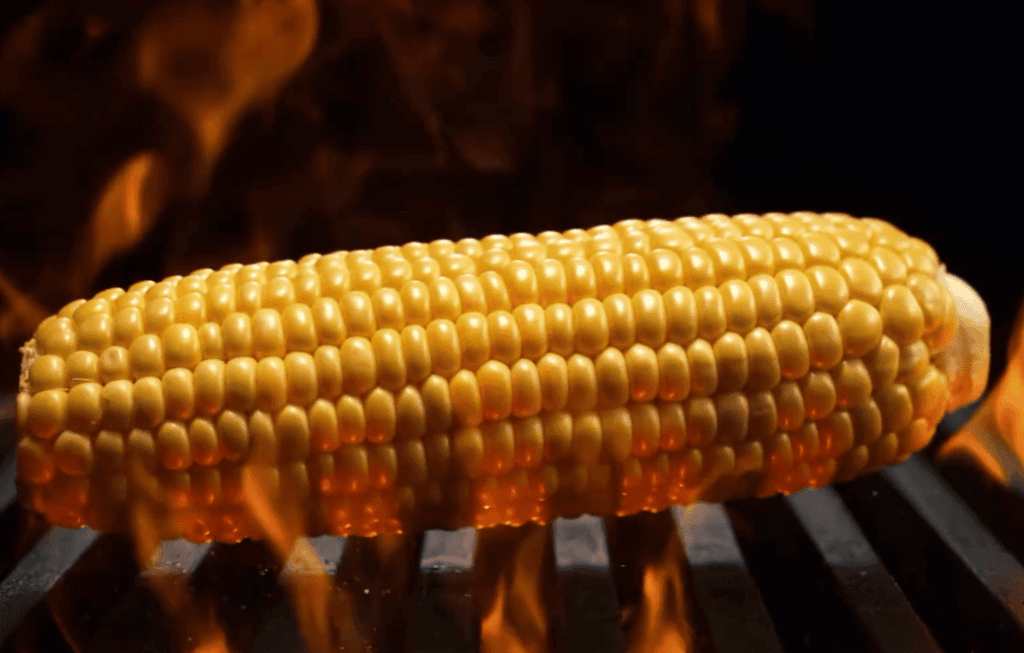
Onions contain N-propyl disulfide, a compound that can destroy red blood cells, leading to anemia. Garlic shares similar properties, making both ingredients dangerous for pets. Even small amounts can have a significant impact on their health.
Additionally, many recipes include excessive salt and various spices. These can cause dehydration and irritation in the digestive tract. The allium family, which encompasses onions, garlic, chives, and leeks, is notoriously toxic for pets. Damage may not be immediately visible, but it can be severe.
Fatty ingredients like lard or butter are often added to the masa, significantly increasing the risk of pancreatitis. Always check ingredient lists carefully, as even small traces of garlic or onion powder can be harmful.
| Ingredient | Effect on Pets |
|---|---|
| Onions | Can destroy red blood cells, leading to anemia. |
| Garlic | Similar effects as onions; toxic in small amounts. |
| Salt | Causes dehydration and digestive irritation. |
| Spices | May lead to gastrointestinal distress. |
| Fatty Ingredients | Increases risk of pancreatitis. |
How to Identify Signs of Tamale Toxicity in Dogs
It’s not uncommon for pet owners to be on high alert about their furry friends’ food choices during festive occasions. Recognizing the early signs of distress is crucial for ensuring their safety.
Watch for symptoms such as:
- Excessive drooling or signs of abdominal pain.
- A sudden change in normal behavior, which could indicate discomfort.
- Vomiting or diarrhea, which are common reactions to harmful ingredients.
- Lethargy and pale gums, signaling potential anemia from toxic substances.
- Difficulty breathing or collapse, which are emergency signs requiring immediate veterinary attention.
Keeping a close eye on your pet after they have been near human food can help catch these symptoms early. The sooner you notice these signs, the better the chances for a swift recovery.
Safe and Nutritious Alternatives to Tamales for Dogs
As celebrations approach, many pet owners are left wondering about the best food options for their pets. Fortunately, there are plenty of safe and nutritious alternatives to share with your furry friends during festive gatherings.
Consider offering:
- Plain cooked chicken or turkey meat: Ensure it is free from seasonings, butter, or fatty skin.
- Steamed vegetables: Carrots and green beans are great choices, providing essential vitamins without the risks associated with tamales.
- Plain rice: Small portions can be gentle on sensitive stomachs, especially during the holidays.
- Commercial pet treats: These are formulated to be safe and nutritious, making them a convenient option for rewarding your pet.
- Health-focused snacks: Always prioritize options specifically designed for pets, ensuring they meet their unique dietary needs.
By choosing these safe alternatives, you can enjoy your holiday meals while keeping your pets healthy and happy.
| Alternative Food | Benefits |
|---|---|
| Plain Chicken or Turkey | High in protein, easy to digest. |
| Steamed Vegetables | Rich in vitamins, low in calories. |
| Plain Rice | Gentle on the stomach, good for sensitive pets. |
| Commercial Treats | Safe and formulated for pets. |
| Health-Focused Snacks | Designed for optimal nutrition. |
How to Handle Accidental Tamale Ingestion
When festive meals are on the table, pet owners often worry about their furry friends’ safety. If your pet accidentally ingests a tamale, it’s important to act quickly. First, remove any remaining food from their reach. This helps prevent further ingestion of harmful ingredients.
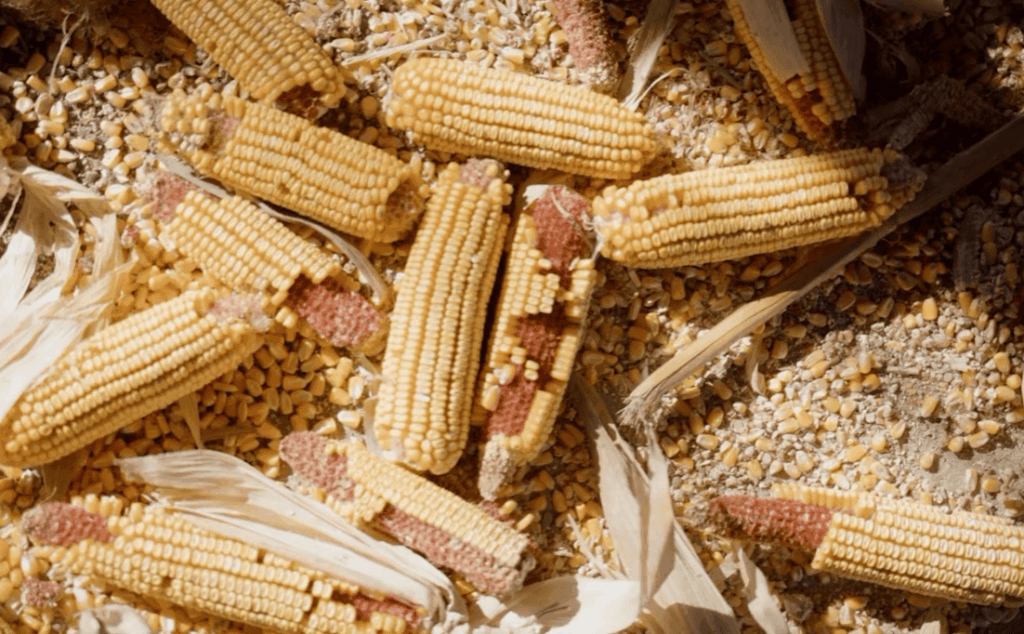
Next, contact your veterinarian for specific medical advice. A corn husk can cause a dangerous impaction, as seen in the case of AliCat518, whose dog required surgery costing $4000 after ingestion. This highlights the seriousness of the situation.
Monitor your pet closely for 24 hours. Watch for signs of choking, vomiting, or lethargy. These symptoms may indicate a serious health issue. Your vet may recommend bringing your pet in for an examination or even inducing vomiting if the ingestion was recent.
Always keep the contact information for your local veterinary clinic handy. This is especially important during the holiday season when accidents can happen. Being prepared can make all the difference in ensuring your pet’s safety.
| Action Steps | Details |
|---|---|
| Remove Food | Clear away any remaining tamale to prevent further ingestion. |
| Contact Vet | Seek immediate advice from your veterinarian. |
| Monitor Pet | Watch for signs of choking, vomiting, or lethargy. |
| Follow Vet Instructions | Follow your vet’s recommendations, including possible examination. |
| Keep Vet Info Handy | Have your local veterinary clinic’s contact details available. |
Preventive Measures to Avoid Tamale-Related Risks
With holiday festivities in full swing, many pet owners are concerned about their furry friends’ access to unsafe foods. To keep your pet safe, it’s essential to take proactive steps.
The most effective way to prevent issues is to keep tamales and other human foods stored securely where your pet cannot reach them. Educating your guests about the dangers of feeding your pet human food is also crucial. Even small amounts of seasoned tamales can cause significant health problems.
Training your pet with commands like “leave it” can help ensure they do not grab food that contains harmful ingredients during family gatherings. If your pet eats tamales, it often happens because they were left unattended. Always supervise your pet when food is being served.
By being proactive, you can ensure your pet stays safe and healthy while you enjoy your favorite holiday meals with your family.
| Preventive Measure | Details |
|---|---|
| Secure Storage | Keep tamales and human food out of reach. |
| Educate Guests | Inform visitors about food safety for pets. |
| Training Commands | Teach commands like “leave it” for safety. |
| Supervision | Always watch your pet during meal times. |
| Proactive Approach | Stay vigilant to protect your pet’s health. |
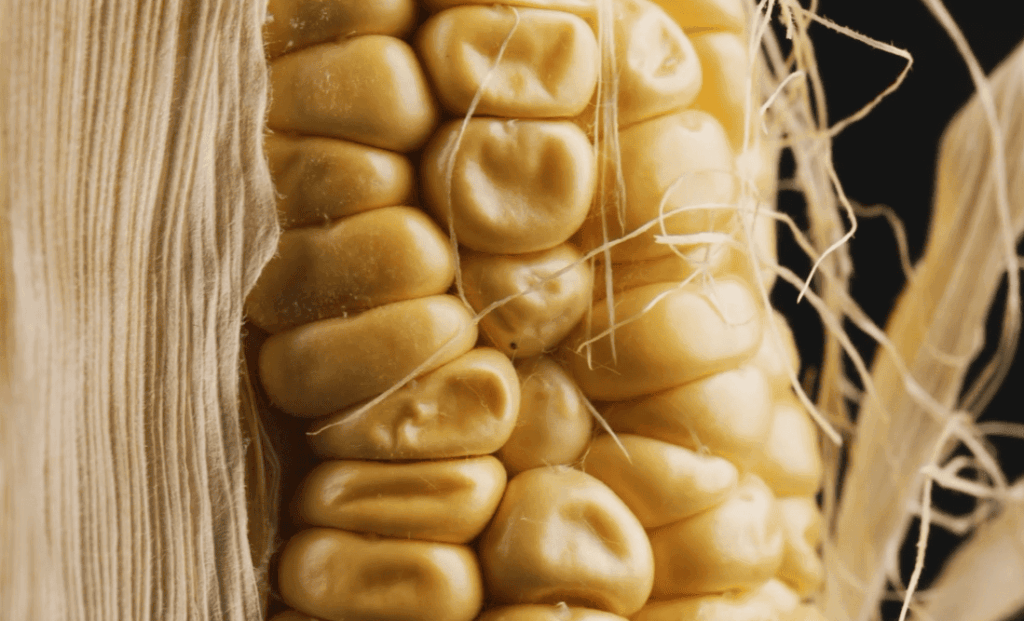
Insights from Community Experiences and Veterinarian Advice
As the holidays draw near, many pet owners ponder the safety of their furry companions’ food choices. Community experiences often highlight both the risks and the unexpected outcomes of pets consuming human food.
Real pet owner anecdotes
For instance, HalfArabian shared that their 8 lb pet ingested a corn husk but remained healthy. They were fortunate to live just 10 minutes from their veterinarian, MSU, ensuring prompt care.
Similarly, Foxtrot_s reported their pet survived after consuming chocolate, recovering after 4-5 days. These stories illustrate the varying outcomes when pets ingest harmful substances.
Expert recommendations for care and treatment
Veterinarians emphasize the importance of monitoring your pet’s behavior after any ingestion. While a small husk might pass without issue, vigilance is crucial for signs of distress or impaction.
Always consult with a veterinarian if you suspect your pet has eaten something unsafe. Their expertise ensures the best care tailored to your specific situation.
Community anecdotes serve as reminders that while some pets may be lucky, the risks of serious medical emergencies are significant. Never gamble with your pet’s health.
Comparing Tamales with Other Holiday Foods for Dogs
As families prepare for celebrations, the safety of holiday foods for pets becomes a pressing concern for many owners. When comparing tamales to other holiday treats, it’s crucial to understand the risks involved.
Unlike plain turkey, which is safe when prepared without salt or spices, tamales contain harmful ingredients like onions and garlic that are toxic to pets. Many holiday foods, such as latkes, also pose risks due to the presence of onions, known to cause gastrointestinal upset.
In contrast, corn husks are a major hazard when pets ingest them, while other holiday items might only be risky if they contain excessive salt. Always prioritize your pet’s safety by avoiding any food that could lead to a need for emergency treatment or specialized veterinary care.
By understanding the differences between safe treats and dangerous items like tamales, you can better manage your pet’s diet and overall behavior.
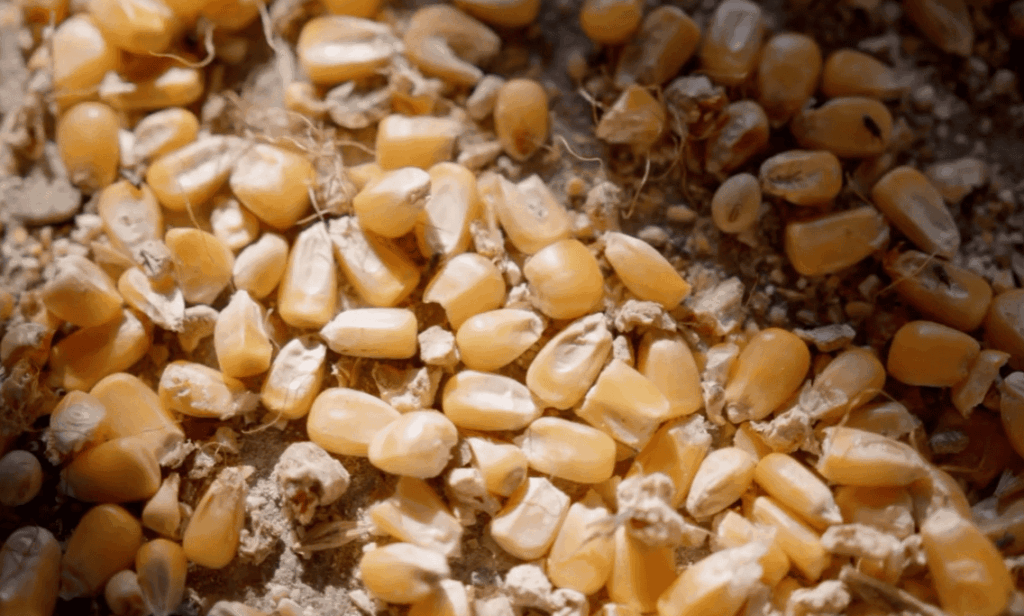
| Holiday Food | Safety for Pets |
|---|---|
| Plain Turkey | Safe if unseasoned |
| Tamales | Contains harmful ingredients |
| Latkes | May contain onions |
| Corn Husks | Choking hazard |
| Spiced Foods | Risky due to salt |
Conclusion
As the holiday season approaches, many pet owners are increasingly cautious about their furry friends’ dietary choices. In summary, tamales are not a safe option for your pet due to harmful ingredients like garlic and onions that are toxic to them.
Always keep the corn husk away from your pet, as it poses a significant risk of choking or intestinal blockage that requires urgent care. If your pet eats tamales, monitor them closely for any signs of illness and seek professional veterinary treatment if symptoms appear.
Providing safe, healthy alternatives ensures your pet can participate in the festivities without the risk of serious health complications. Protecting your furry friends means being vigilant about what they consume and ensuring they stay away from risky human dishes at all times.