
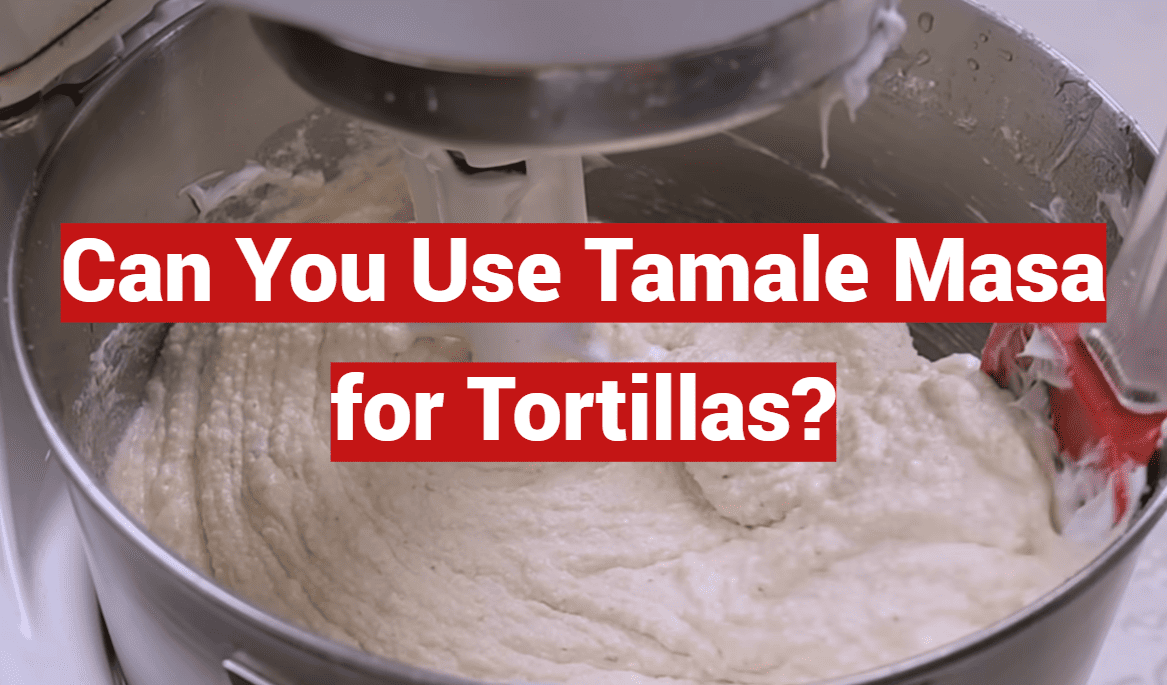
Did you know that many home cooks often wonder if leftover dough from tamales can transform into delicious tortillas? This question sparks curiosity in kitchens across the United States. Understanding the differences between these two types of dough is essential for culinary success.
Silvia Martinez emphasizes that tamale dough must be spongy, soft, and moist. This quality is crucial for delivering tasty fillings effectively. However, this same texture may not yield the ideal tortilla.
This guide aims to answer whether tamale dough works for making tortillas while exploring necessary adjustments. We will delve into how the fat content in tamale dough affects the final texture of your tortillas. With a friendly, step-by-step approach, you will learn how to ensure your dough creations turn out perfectly every time you head into the kitchen.
Key Takeaways
- Leftover tamale dough can be reimagined into tortillas with adjustments.
- Texture differences between tamale dough and traditional tortilla dough are significant.
- Fat content in tamale dough influences the final tortilla texture.
- Understanding these differences leads to better cooking outcomes.
- This guide offers practical tips for successful dough swaps.
Introduction to Tamale Masa and Tortilla Making
The question of whether leftover tamale dough can be transformed into tortillas intrigues many home chefs. Understanding the nuances of traditional masa is vital for achieving great results in tortilla making.
Traditional masa is crafted from nixtamalized corn, a process described by Jorge Gaviria in his book MASA. This method is a cherished culinary practice that can take up to twelve hours to complete, highlighting its importance.
Achieving the right dough consistency is crucial when transitioning from making tamales to pressing out thin tortillas. In a recent post, hydration levels in masa dough were discussed, emphasizing how they dictate the final product’s texture. Proper hydration ensures that the corn base holds together well during cooking, preventing issues like gumminess.
Effective dough management allows for a variety of dishes, from thick tamales to the thin, pliable tortillas essential for authentic street tacos. Mastering these techniques opens up a world of culinary possibilities.
Understanding the Differences: Tamale Masa vs. Masa Harina
Understanding the contrasts between tamale masa and masa harina opens a world of cooking possibilities. Each type of dough has its unique characteristics that impact the final dish.
What Is Tamale Masa?
Tamale masa is typically enriched with lard or shortening. This addition creates a rich, heavy texture that is quite different from standard dough used in tortillas. This moisture helps the masa hold fillings well, making it ideal for tamales.
Masa Harina and Its Role in Tortilla Making
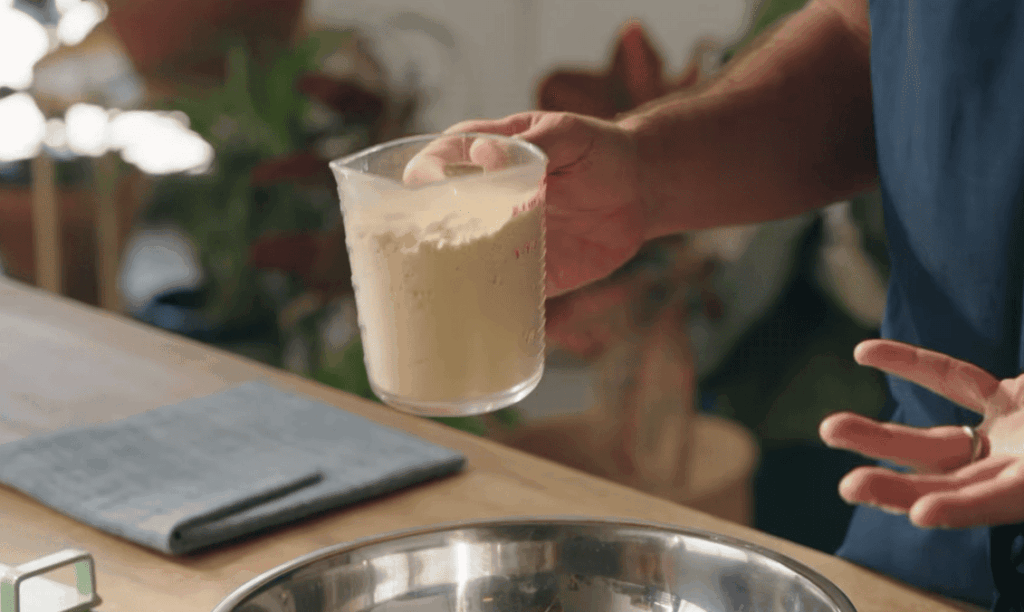
Masa harina is essentially dehydrated masa. Brands like Maseca have revolutionized how home cooks prepare dough. This product allows for quick preparation, taking just minutes to rehydrate.
When making tamales, the dough is designed to be spreadable. In contrast, tortilla dough requires a firmer structure to withstand the pressing process. The nixtamalization process used for masa harina retains essential nutrients, such as B vitamins like niacin and magnesium.
Rehydrating masa harina is much faster than preparing fresh masa from scratch, which can take up to twelve hours. This efficiency makes masa harina a favorite among busy cooks.
Essential Ingredients and Adjustments for Dough
When crafting the perfect dough, understanding the essential ingredients is vital. A standard ratio for tortilla dough includes 1 kg of masa, 250 grams of fat, one teaspoon of salt, and one cup of broth. These elements work together to create a balanced texture.
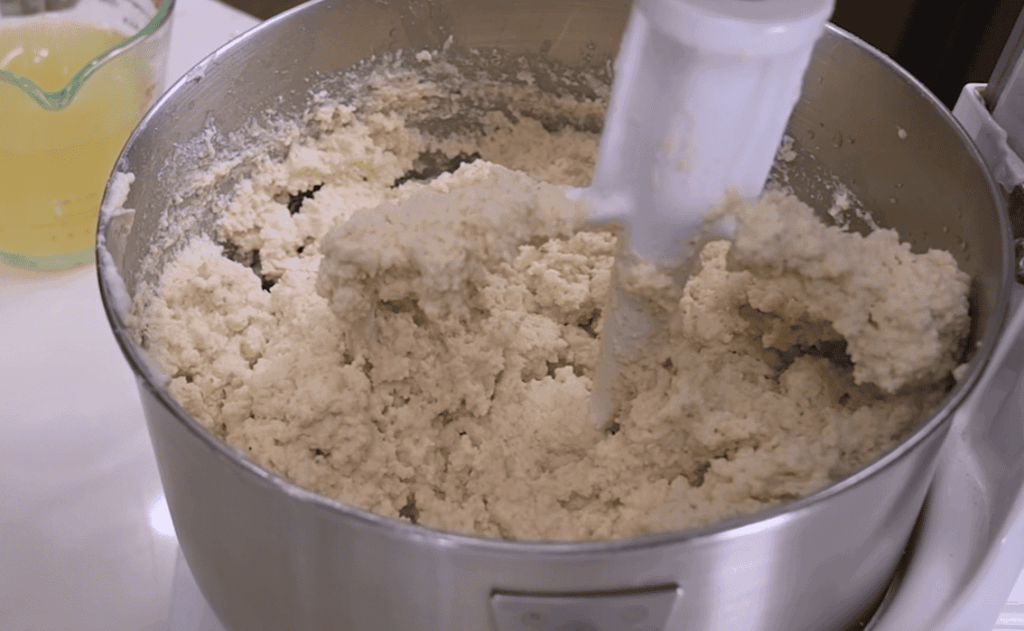
If the dough feels too wet, consider adding 1/4 cup of masa harina to every 2 cups of dough. This adjustment helps achieve the desired consistency.
Here are some tips for enhancing your dough:
- Incorporate 1/4 cup of masa harina to 2 cups of dough to improve texture.
- If the dough is rich due to excess lard or shortening, add more dry masa harina to balance it out.
- Using flavorful broth instead of plain water can elevate the taste, especially with leftover ingredients.
- When substituting oil for solid fat, reduce the amount of broth to maintain consistency.
- Always taste the dough and add a pinch of salt if needed, as steaming may leach flavor from the masa.
can you use tamale masa for tortillas: Tips and Troubleshooting
Many culinary enthusiasts ponder whether leftover dough from tamales can be adapted into flavorful tortillas. Monitoring the moisture level of dough is essential. Adjustments can lead to a better texture.
Silvia Martinez suggests, “If your dough is too dry or firm after refrigeration, add a little bit of broth to regain softness.” This advice is invaluable when transforming dough.
Key Considerations for Dough Modification
- When asking about using tamale dough, keep an eye on moisture levels.
- If the dough feels sticky, gradually add small amounts of masa harina until it reaches a non-sticky consistency.
- Aim for a dough that is moist but not tacky, ensuring it leaves no wet residue on fingers.
- Allow refrigerated masa to warm up for thirty minutes before rolling.
- Incorporating a small amount of warm water can help rehydrate corn particles, enhancing pliability.
Step-by-Step Guide to Forming Perfect Tortillas
Exploring the possibilities of repurposing dough into tasty tortillas excites many culinary enthusiasts. The right techniques can lead to delightful results. Start by separating your dough into golf-ball-sized rounds. Each piece should yield tortillas approximately four inches across when flattened.
To prevent sticking, line your tortilla press with a piece of plastic or a Ziploc bag. This simple step makes a big difference. If a press isn’t available, the bottom of a heavy casserole dish works perfectly to flatten the dough balls into uniform circles.
When preparing the dough, ensure your water is around 100 degrees F. This temperature helps activate the corn skin and improves the binding of your masa. Remember, if baking powder was added to the original recipe, it may cause the tortillas to puff slightly more than usual.
Cooking Techniques for Fluffy Corn Tortillas
Home cooks often explore different methods to achieve fluffy corn tortillas from various doughs. Mastering these techniques can significantly enhance the final product. Here’s how to get started.
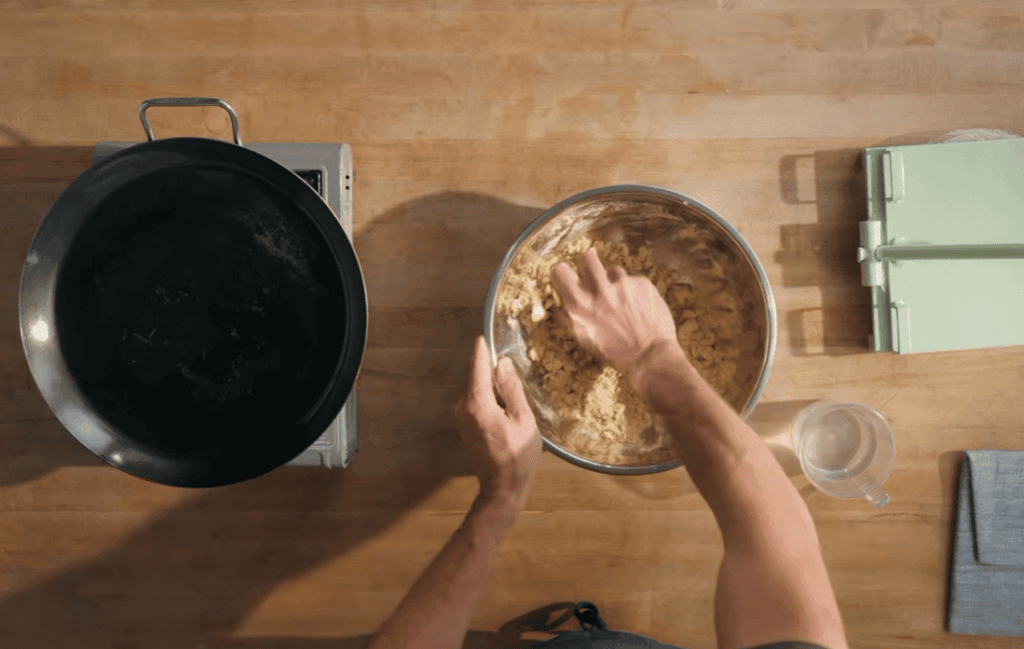
Using a skillet or comal is a popular method for cooking. Start by placing your tortilla onto a hot skillet over medium heat. Listen for a tiny sizzle, which indicates the pan is ready. Each side should cook for about 1-2 minutes until golden brown spots appear.
Skillet, Comal, and Press Methods
- Cooking each side for 1-2 minutes is standard, but flipping after 10 seconds can help the inside cook faster.
- A nonstick skillet with a sloped edge makes flipping easier, allowing fingers to slide the tortilla.
- If the heat is too high, lower the stove setting to prevent burning the outside before the center cooks.
- As you gain experience, using two pans simultaneously can speed up tortilla production significantly.
Managing Heat for Even Cooking
Consistent heat is key to perfecting the cooking process. Adjustments may be necessary based on the stove’s performance. With practice, achieving the right balance will become second nature.
| Cooking Method | Cooking Time (Minutes) | Notes |
|---|---|---|
| Skillet | 1-2 | Listen for a sizzle; flip after 10 seconds for even cooking. |
| Comal | 1-2 | Ideal for authentic flavors; keep an eye on heat levels. |
| Tortilla Press | Varies | Great for uniform thickness; preheat for best results. |
Common Troubleshooting and Tips for Masa Dough
Many cooks face challenges when working with masa dough, especially when it becomes sticky or crumbles. Addressing these issues is essential for creating the perfect texture in dishes like tamales.
If dough crumbles like queso fresco, it likely needs more liquid. Slowly incorporate broth until it reaches a spreadable texture. This adjustment can make a significant difference.
When making tamales, a quick test helps determine if the dough is ready. Drop a small piece into a glass of cold water. If it floats, the dough is good to go!
For vegan options, consider replacing traditional pork lard with vegetable shortening or one cup of oil. This substitution achieves a similar fluffy result.
Always combine dry ingredients, such as corn flour, salt, and baking powder, in a large bowl before adding fat and liquid components. This method ensures even mixing and better texture.
If using a stand mixer, beat the lard or shortening for five minutes until creamy. This step enhances the dough’s fluffiness. Store prepared masa in an airtight container in the refrigerator for up to three days, allowing it to reach room temperature before use.
If short on time, make tamale dough with oil. Let the liquid permeate the flour for 15 minutes before kneading. Remember, the flavor of tamales heavily depends on the quality of the broth used, so opt for rich chicken, beef, or vegetable stock.
Conclusion
In conclusion, this guide has provided insights into transforming leftover dough into delightful culinary creations. With the right adjustments, fresh tortillas can emerge from richer dough, enhancing your meals.
Masienda’s high-quality masa harina has earned 323 five-star ratings, proving its value in crafting both tamales and tortillas. Remember, the versatility of masa opens up a world of cooking possibilities.
Feel free to experiment with various corn flour types to discover flavors that suit your family’s favorite dishes. Whether preparing for a gathering or a quick dinner, the joy of cooking with masa is truly rewarding.