
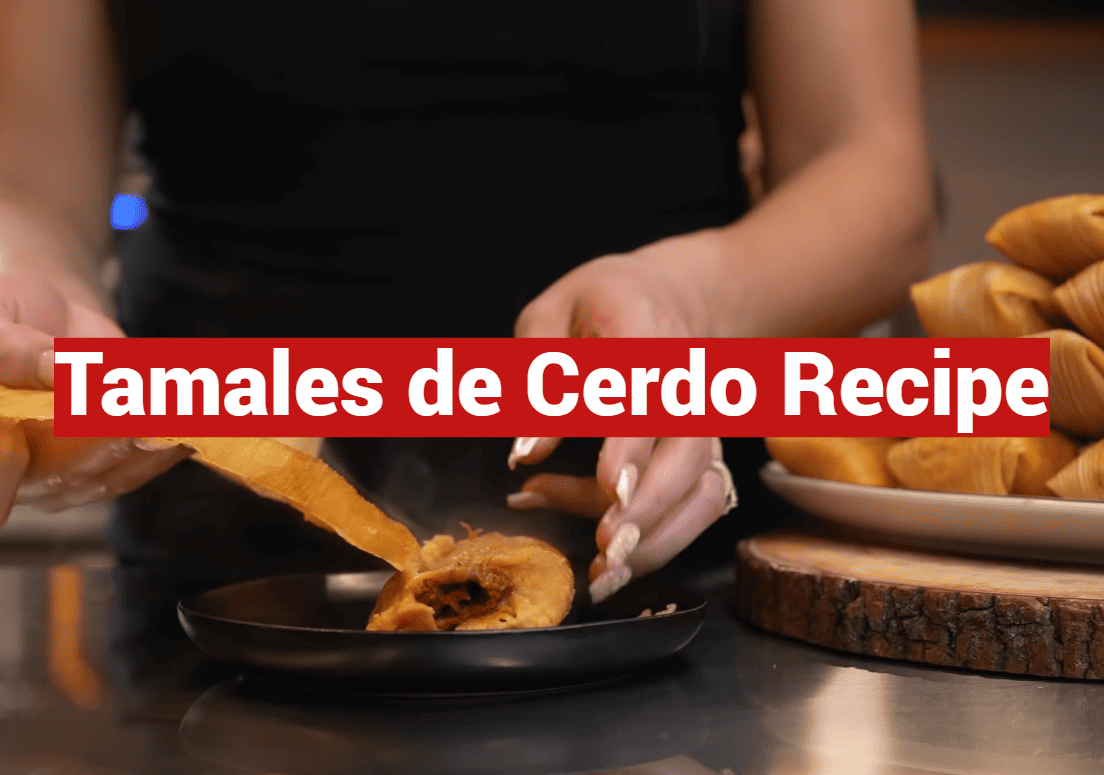
During major celebrations in Mexico, families often prepare hundreds of these traditional corn-husk wrapped delights to share with loved ones. This massive culinary effort showcases how deeply this dish is woven into the fabric of family gatherings and special occasions.
Welcome to our comprehensive guide on creating authentic pork-filled masa parcels. This cherished preparation represents generations of culinary tradition, bringing people together around the table. The combination of tender shredded meat and soft corn dough creates a memorable eating experience that truly melts in your mouth.
Our walkthrough will guide you through each stage of the process. You’ll learn how to prepare the flavorful filling, achieve the perfect masa consistency, and master the steaming technique that ensures ideal results.
While making this traditional dish requires some time and dedication, the rewarding outcome makes every minute worthwhile. This method makes the process accessible even for first-time creators.
Beyond the technical steps, you’ll discover the cultural significance behind this beloved preparation. It connects us to Mexican heritage and the beautiful tradition of sharing food with family.
Key Takeaways
- This traditional dish holds deep cultural significance in Mexican family celebrations
- The process involves preparing flavorful pork filling and soft corn masa dough
- Proper steaming technique is crucial for achieving the perfect texture
- While time-consuming, the results are incredibly rewarding
- The method is designed to be accessible for beginners
- You’ll learn both technical skills and cultural context
- This preparation creates opportunities for family bonding and tradition-sharing
Introduction to Tamales de Cerdo
The aroma of simmering pork and chile sauce filling the kitchen signals the beginning of a cherished culinary tradition. This particular preparation stands out for its harmonious blend of flavors and textures that create an unforgettable eating experience.
What Makes These Tamales Special?
These corn-husk wrapped creations feature tender shredded meat in a spicy chile colorado sauce. The secret addition of black olives provides a surprising briny note that complements the rich pork perfectly.
Each component works together beautifully. The soft corn masa dough envelops the savory filling, creating a portable package of comfort food. This balance of sweet corn, rich meat, and complex heat makes every bite exceptional.
The handmade wrapping process infuses the masa with an earthy authenticity. Unlike mass-produced versions, homemade preparations allow for customization and superior texture control.
| Feature | Homemade Version | Store-Bought Version |
|---|---|---|
| Texture Quality | Superior, fresh consistency | Often dry or mushy |
| Flavor Customization | Adjustable spice levels | Standardized flavor profile |
| Authenticity | Traditional family recipes | Commercial preparation |
| Preparation Experience | Family bonding activity | Convenience purchase |
This dish brings generations together in the kitchen. The shared preparation turns cooking into meaningful family time where traditions are passed along with laughter and stories.
History and Cultural Significance
The story of this beloved dish stretches back thousands of years to Mesoamerican cultures who valued both nutrition and portability. Ancient civilizations created these corn-husk wrapped meals as ideal sustenance for warriors and travelers. This practical beginning evolved into a cherished tradition.
Mexican Traditions and Celebrations
These parcels became deeply embedded in Mexican culture, transforming meal preparation into family bonding experiences. The cooking process brings generations together, turning what could be tedious work into joyful shared time. This tradition strengthens community connections across ages.
Grandparents teach grandchildren proper techniques while sharing family stories. The investment in cooking together creates lasting memories that preserve cultural heritage. This intergenerational exchange ensures traditions continue thriving.
Candlemas and Tamale Customs
Dia de la Candelaria on February 2nd represents one of the most important occasions for making these dishes. This Catholic feast day follows a unique tradition connected to Three Kings Day celebrations. The custom creates a beautiful cycle of continued festivity.
Whoever finds the baby Jesus figurine in the Rosca de Reyes cake on January 6th becomes responsible for providing the feast. This tradition keeps celebrations flowing from one holiday to the next. The post-holiday gathering maintains family connections throughout the year.
Beyond Candlemas, these creations appear at Christmas, weddings, baptisms, and quinceañeras. They symbolize joy, togetherness, and cultural identity across countless Mexican celebrations. Each bite carries centuries of tradition.
Understanding the Ingredients
Successful preparation begins with understanding each component’s unique contribution to the final dish. These traditional corn-husk wrapped creations rely on a harmonious blend of elements that work together to create authentic flavors and textures.
Key Ingredients Overview
The foundation of this preparation uses accessible items found in most grocery stores. Pork shoulder provides the ideal meat base, becoming incredibly tender during slow cooking. Masa harina forms the distinctive corn dough that envelops the flavorful filling.
Corn husks serve dual purposes as both wrapper and flavor enhancer. They infuse subtle earthy notes while keeping everything moist during steaming. The combination of dried chiles creates the signature red sauce with complex heat.
| Ingredient | Primary Function | Quantity Needed |
|---|---|---|
| Pork Shoulder | Tender meat filling base | 2 pounds |
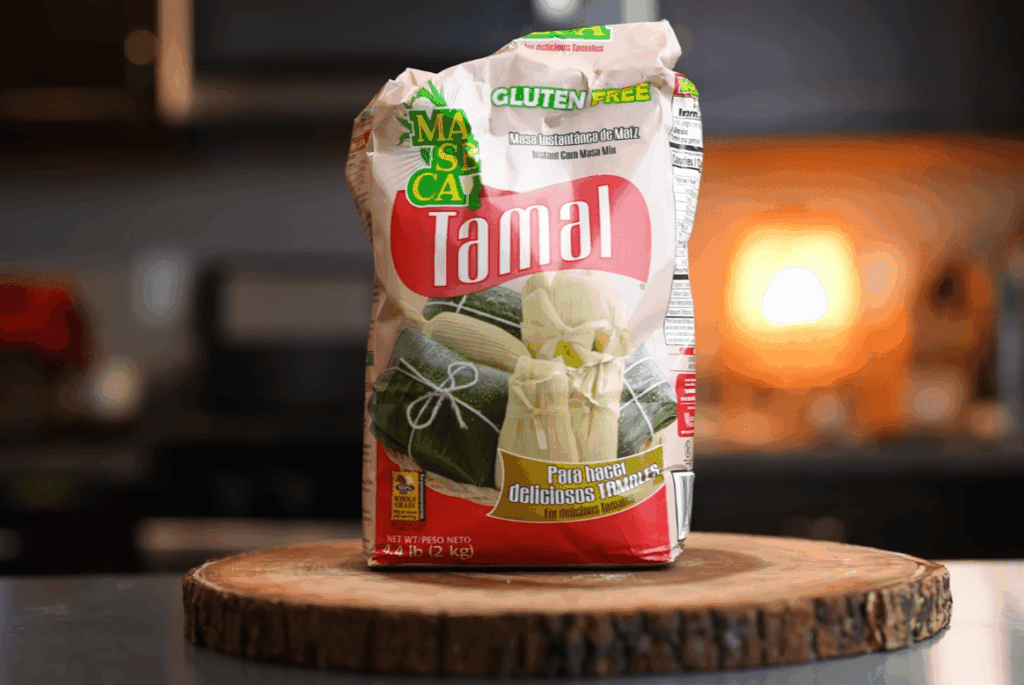
| Masa Harina | Corn dough foundation | 4 cups |
| Corn Husks | Wrapping and steaming | 24 large pieces |
| Broth | Moisture and flavor | 3 cups |
The Role of Masa, Corn Husks, and Spices
Masa forms the essential outer layer that defines these parcels. Combined with broth and traditional fat, it creates the perfect texture. The corn husks provide natural packaging that steams beautifully.
Spices like garlic and ground chiles build depth in the sauce. Baking powder lightens the masa while salt balances all flavors. Each ingredient plays a crucial role in achieving authentic results.
Preparing the Meat Filling
Creating the savory center for these traditional parcels requires careful attention to both pork preparation and sauce development. This stage forms the flavorful heart of each corn-husk wrapped creation.
You can prepare the meat filling a day or two in advance. This makes the assembly process much more manageable on cooking day.
Simmering Pork for Tenderness
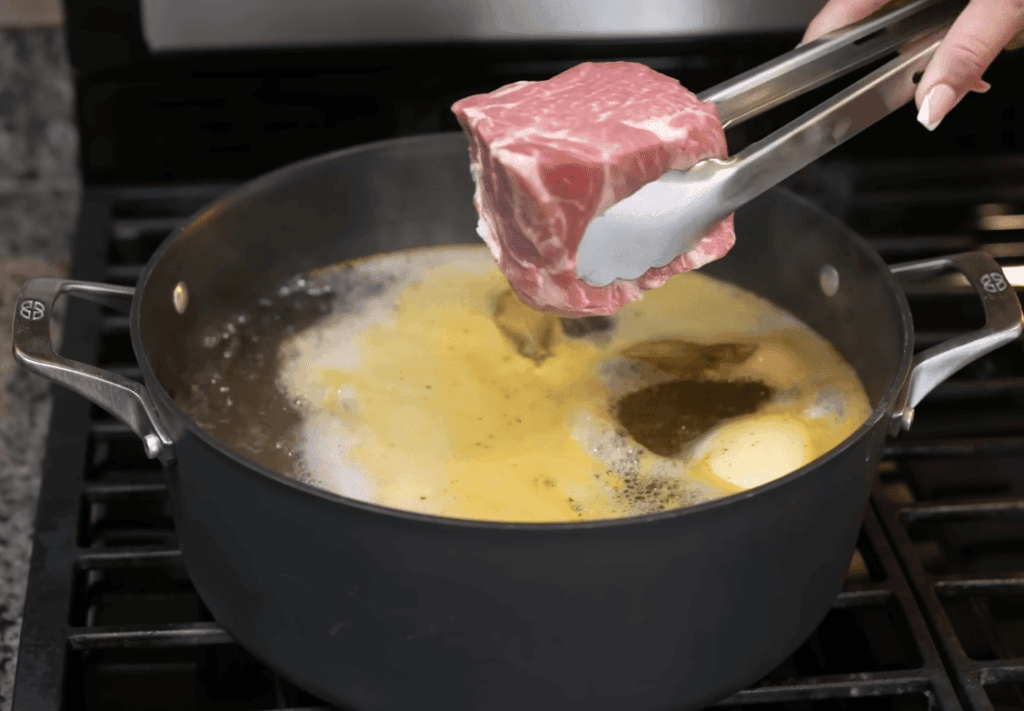
Begin by cutting your 2-pound pork shoulder into four large pieces. This ensures even cooking and perfect tenderness throughout.
Place the pork pieces in a 4-quart pot with onion and two garlic cloves. Season generously with salt and pepper before covering with 6-8 cups of water.
Bring the pot to a boil over medium-high heat. Then reduce to low heat and simmer gently until the meat becomes fork-tender. This typically takes about an hour.
Creating a Flavorful Chile Colorado Sauce
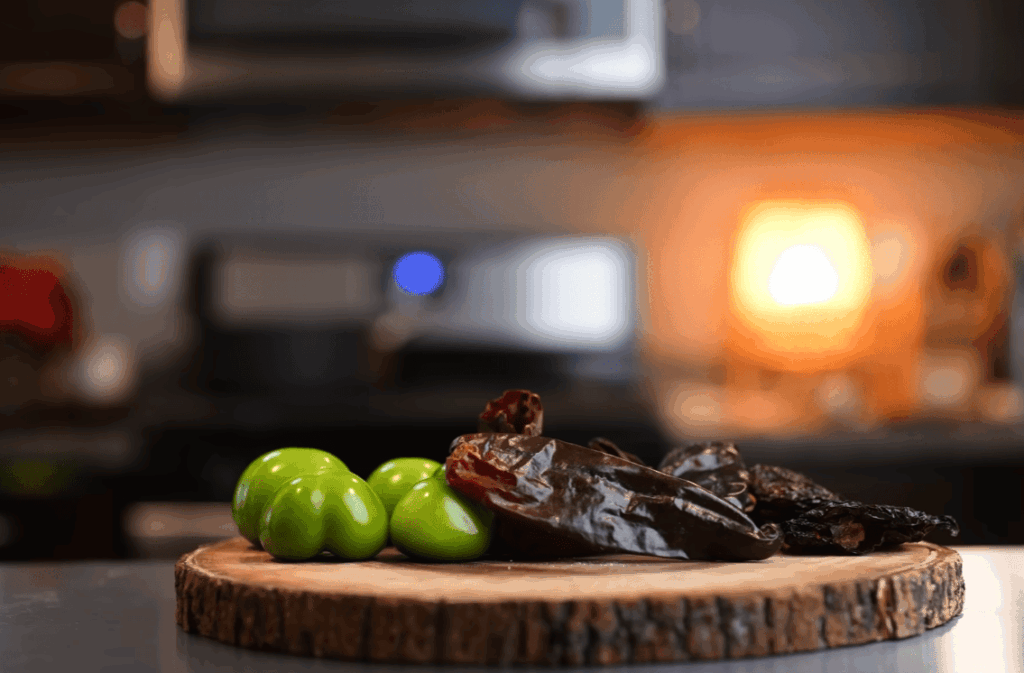
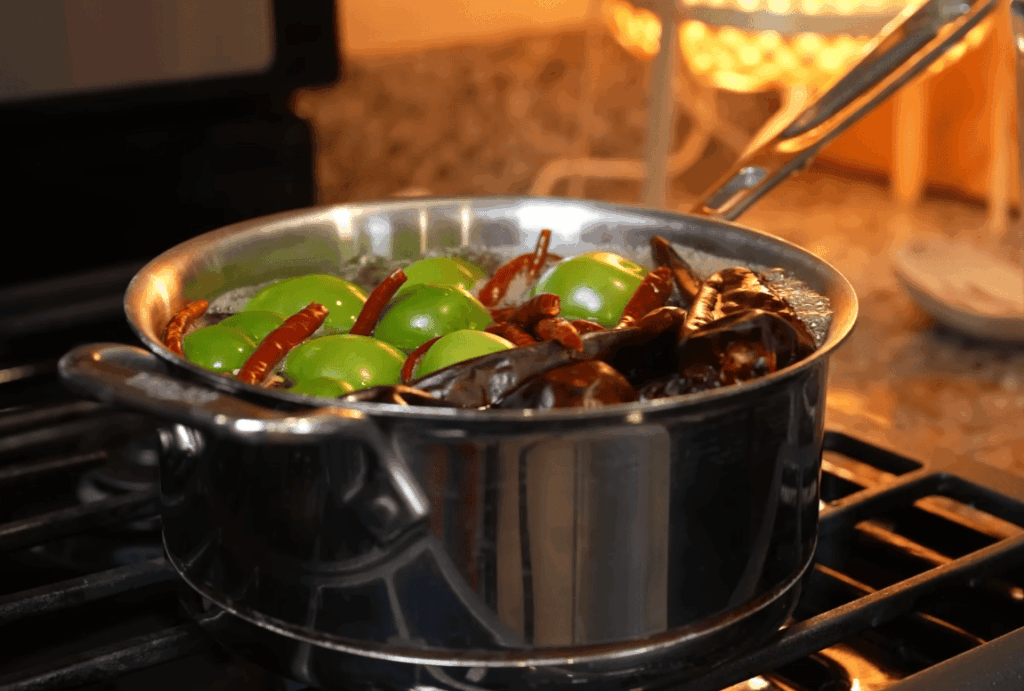
While the pork simmers, prepare the signature red sauce. Cook three dried ancho and two dried guajillo chiles in 2 cups of water for about five minutes.
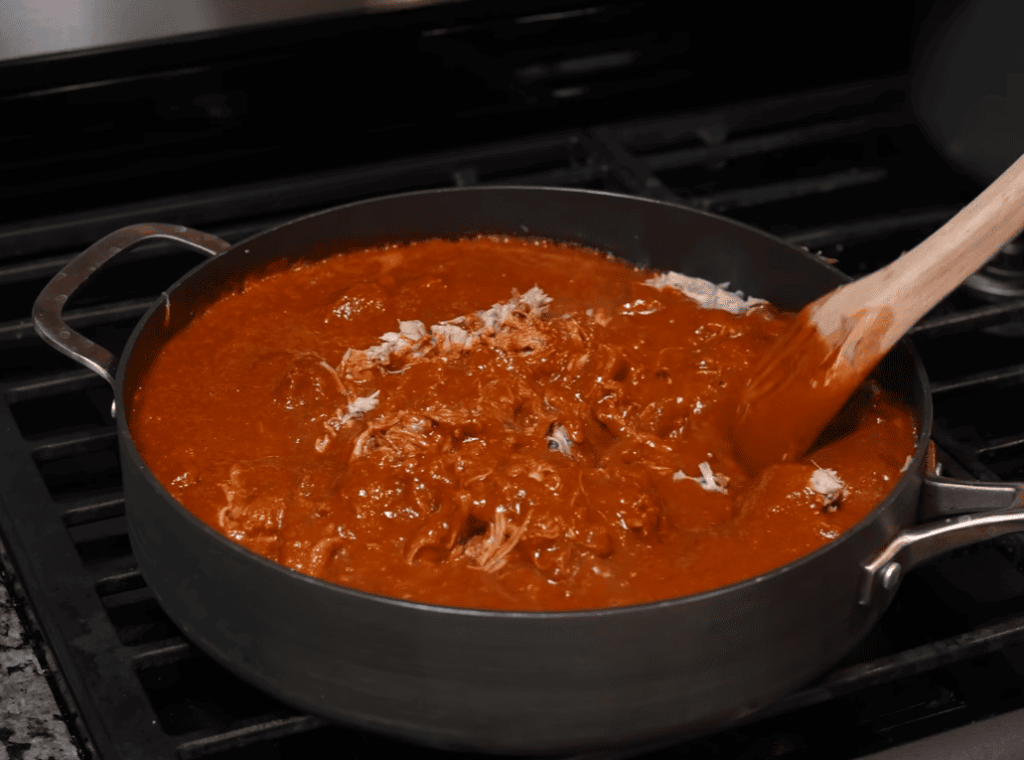
Remove the softened chiles from the water, reserving the liquid. Discard stems and seeds, then blend with garlic, chili powder, ground cumin, and both chile water and pork broth.
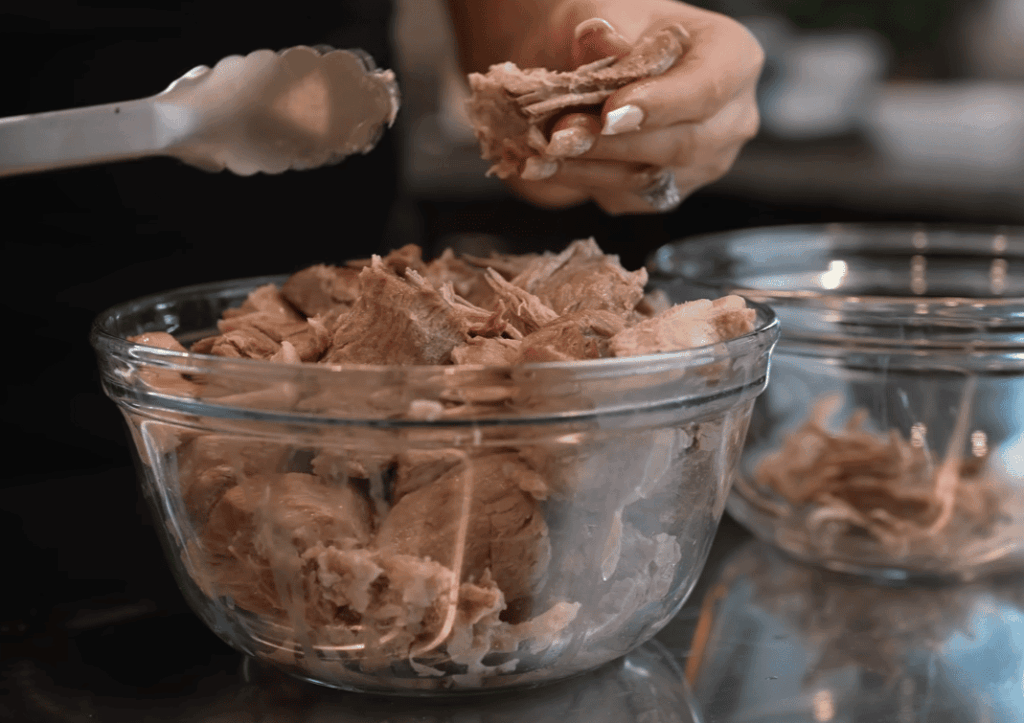
Once the pork has cooled slightly, shred it thoroughly using two forks. Pour the vibrant red sauce over the meat and mix until every strand is well-coated.
Remember to reserve the pork broth—this flavorful liquid will be essential for creating the perfect masa consistency later.
The tamales rojos get their distinctive color from this rich chile sauce. It should taste balanced—spicy but not overwhelming, with earthy depth from the cumin.
Step-by-Step Tamales de Cerdo Recipe
Let’s dive into the hands-on process of creating these traditional Mexican parcels from start to finish. This comprehensive guide breaks everything into manageable stages.
An Overview of the Method
Making these delicious masa-wrapped creations involves three key components working together. You’ll prepare the seasoned meat, create the fluffy dough, and master the wrapping technique.
The entire process takes approximately 2 hours and 45 minutes. This includes active preparation, cooking, and resting time before serving.
“The secret to great tamales lies in the rhythm of preparation – each step builds upon the last.”
Begin with the pork filling since it benefits from advance preparation. This allows flavors to develop fully and simplifies your workflow.
| Stage | Time Required | Key Activity |
|---|---|---|
| Preparation | 30 minutes | Meat mixing, husk soaking, masa making |
| Cooking | 2 hours | Steaming until masa separates from husks |
| Resting | 15 minutes | Cooling for perfect texture |
This approach yields 18-24 portions depending on size. You’ll have plenty to share or freeze for future meals.
The method ensures success even for first-time cooks. Each stage flows naturally into the next for a satisfying cooking experience.
Preparing the Masa
Getting the masa consistency right separates good results from exceptional ones. This corn dough forms the essential wrapper that holds your flavorful filling. The process requires patience but delivers incredible texture.
Mixing Masa Harina and Lard
Begin by combining four cups of masa harina with baking powder and salt in a medium bowl. Whisk these dry ingredients thoroughly to ensure even distribution.
In a separate large mixing bowl, beat one cup of lard until light and fluffy. This aeration creates the tender texture you want. Gradually incorporate the dry mixture one cup at a time.
Add three cups of warm pork broth slowly while mixing on low speed. The dough will transform from grainy to cohesive. Use your hands to press everything together.
Achieving the Perfect Dough Consistency
Your masa should feel soft and slightly sticky but not wet. Test readiness with the traditional water method. Drop a small ball into cold water—if it floats, you’ve succeeded.
If the ball sinks, continue beating to incorporate more air. This lightness prevents dense results after steaming. The right consistency spreads easily without tearing corn husks.
| Consistency Issue | Quick Fix | Resulting Texture |
|---|---|---|
| Too dry | Add broth by tablespoon | Moist and spreadable |
| Too wet | Mix in more masa harina | Firm but pliable |
| Not fluffy enough | Beat lard longer initially | Light and airy |
“Perfect masa should feel like moist playdough—holding its shape but spreading smoothly.”
Remember that the warm broth infuses rich flavor into your corn dough. The baking powder provides additional lift during steaming. Your attention to detail here ensures outstanding final results.
Wrapping with Corn Husks
Mastering the wrapping technique transforms your preparation from simple cooking to authentic craftsmanship. This stage brings together your flavorful meat filling and perfectly prepared masa into beautiful, portable packages.
Soaking and Softening the Husks
Begin by placing about 24 large dried corn husks in a big bowl. Cover them completely with boiling water. Let them soak for one hour until soft and flexible.
After soaking, rinse each husk under cold water to remove any dirt. Pat them completely dry with a kitchen towel. Dry husks help the masa stick properly.
Applying Masa and Meat Filling Properly
Select a large corn husk and spoon about 1/4 cup of masa onto the center. Spread it evenly across two-thirds of the husk. Leave space on one side and at the bottom.
Add 2 tablespoons of meat filling down the center. Include 2-3 black olives for authentic flavor. Fold the husk in thirds like a letter, starting from the edged side.
Tuck the ends to create a secure package. Place each wrapped creation seam-side down. Your technique will improve with each one you make.
Steaming Technique and Cooking Tips
Steaming is the magical step that brings together all your hard work into perfectly cooked parcels. This gentle cooking method transforms your raw masa and flavorful filling into tender, moist creations with ideal texture.
Traditional Steaming vs. Alternative Methods
For traditional steaming, use an 8 to 10-quart steamer pot. Fill the bottom with water just to the ridge where the insert rests. Arrange your wrapped creations loosely in the insert, open-end up.
This allows steam to circulate freely. Place the lid securely and cook over high heat for 10 minutes. Then reduce to low and simmer for 45 minutes to 1 hour.
Don’t have a dedicated steamer? Use a large roasting pan on the stove. Cover your parcels about one-third of the way with water. The cooking time remains similar.
Check for doneness after 45 minutes. The masa should pull away cleanly from the husks. The filling should be heated through completely.
Some cooks add salt or pork broth to the steaming water for extra flavor. But plain water works perfectly well too.
Once cooked, let them rest in the covered pot for 15 minutes. This helps the masa firm up slightly for easier handling.
Serving Suggestions and Pairings
Presentation and accompaniments transform your delicious parcels into a complete cultural feast. The right combination of flavors turns a simple meal into an authentic celebration.
Side Dishes and Sauces to Enhance Flavor
Classic Mexican rice cooked with tomatoes and rich broth provides a fluffy, tangy companion. This popular side balances the richness of your main creation perfectly.
Refried beans offer creamy texture and earthy flavor when served in a small bowl. Their simplicity complements the spiced meat and corn masa beautifully.
For authentic tradition, serve warm atole—a comforting beverage made from corn masa. This hot drink pairs wonderfully during celebrations or cold mornings.
| Side Dish | Flavor Profile | Preparation Time |
|---|---|---|
| Mexican Rice | Tangy, fluffy | 30 minutes |
| Refried Beans | Creamy, earthy | 15 minutes |
| Atole Beverage | Sweet, comforting | 20 minutes |
| Pickled Vegetables | Bright, acidic | 10 minutes (plus marinating) |
Tips for a Complete and Authentic Meal
Additional sauce options like salsa verde or Mexican crema add extra richness. A simple salad with lime dressing cuts through the masa’s richness effectively.
Important reminder: Always remove the corn husks before eating. These wrappers aren’t edible but protect the contents during cooking.
Each portion contains approximately 344 calories with balanced nutrition. Leftovers keep well refrigerated for several days or frozen for months.
Consider setting up a serving bar where guests can customize their plates. This interactive approach brings everyone together around your homemade feast.
Enjoying the Tradition at Home
The warmth of shared kitchen work connects us to loved ones both present and remembered. Preparing these traditional dishes becomes more than cooking—it’s a celebration of heritage that spans generations.
Creating Family Memories with Every Bite
Gathering to make these special parcels offers perfect opportunities for family bonding. Everyone can contribute according to their abilities, from young children to experienced elders.
Children enjoy simple tasks like patting dry corn husks or placing olives. These moments create lasting memories and teach valuable skills. The distinctive aroma of masa dough and simmering pork fills the home with comfort.
Many people experience strong emotions during preparation. Happy memories mix with bittersweet feelings for loved ones who taught the tradition. The conversations and laughter are as important as the finished meal.
| Family Role | Typical Tasks | Skill Level |
|---|---|---|
| Young Children | Drying husks, olive placement | Beginner |
| Teens & Adults | Masa spreading, filling assembly | Intermediate |
| Elders | Recipe guidance, quality control | Expert |
Consider hosting a tamalada where extended family makes hundreds together. This divides labor and multiplies joy. The time invested ensures traditions continue thriving for future generations.
These pork-filled creations become edible connections to cultural identity. They carry forward the love that previous generations poured into perfecting their methods.
Conclusion
Your journey into authentic Mexican cooking has reached its delicious completion. This guide has equipped you with everything needed to create these cherished parcels from scratch.
The true reward extends far beyond the flavorful meal. It lives in the shared experience and the connection to a beautiful culinary heritage. Your first attempt is a starting point for a lifelong skill.
Each time you prepare this dish, your technique will naturally improve. The process of making the masa dough and wrapping will become second nature. Don’t strive for perfection, but for the joy of creation.
Remember to save that rich pork broth for an authentic taste. Now, gather your ingredients and loved ones. You are ready to build your own family traditions, one wonderful bite at a time.