
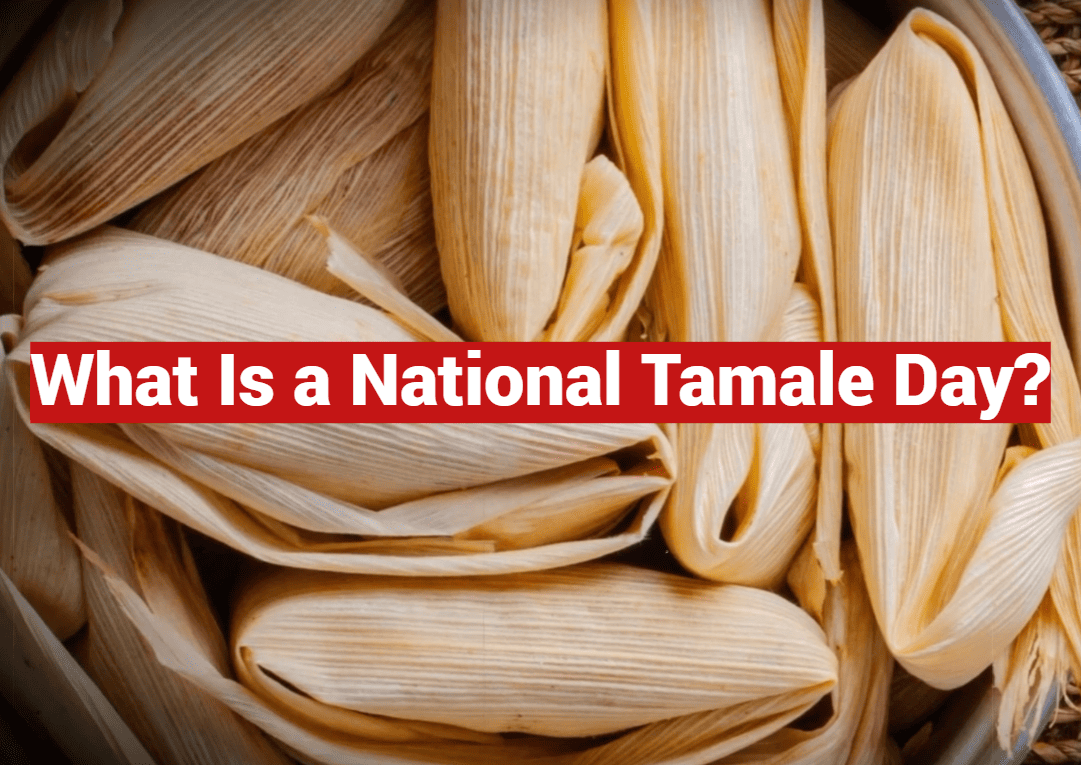
Every March 23rd, a quiet culinary phenomenon sweeps across the United States. Thousands of people unite to honor a single, cherished food. This is the annual observance dedicated to the beloved dish known as tamales.
This special celebration goes far beyond simply enjoying a tasty meal. It’s a vibrant tribute to deep cultural roots. The tradition of making tamales stretches back thousands of years to ancient Mesoamerica.
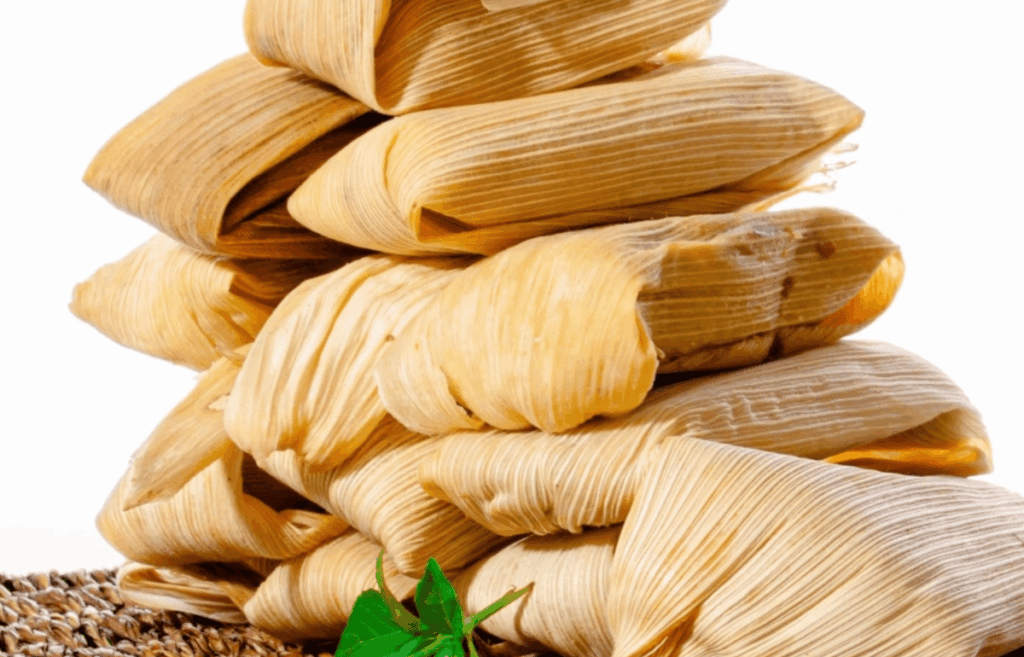
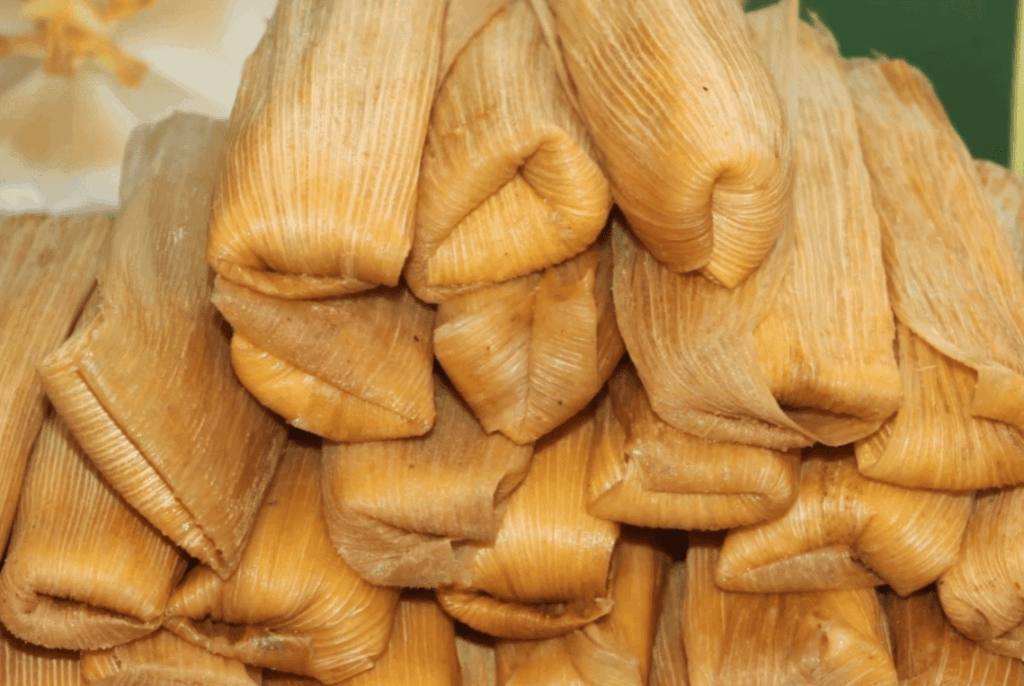
These delicious bundles are crafted from corn dough, or masa. They are filled with savory meats, cheeses, or vegetables. Wrapped in corn husks and steamed, they become soft, flavorful packages of joy.
The celebration encourages everyone to join in. You can visit a local vendor, try making your own, or share the experience online. It’s a wonderful way to connect with community and history through food.
This day recognizes the generations who have kept this tradition alive. It’s a heartfelt nod to the Latin American communities that share this gift. Get ready to explore the rich story behind this incredible dish.
Key Takeaways
- This special event happens every year on March 23rd.
- It honors the cultural heritage and history of tamales.
- Tamales are made from masa and filled with various ingredients.
- The day is about community, sharing, and appreciation.
- You can participate by eating, learning, and supporting local makers.
- It’s a celebration of a tradition passed down through generations.
History and Cultural Roots
Archaeological evidence reveals tamales as one of humanity’s oldest prepared foods. This history stretches back thousands of years to ancient Mesoamerica.
Ancient Origins and the Aztec Legacy
The earliest tamales appeared around 7000 B.C. Ancient civilizations like the Aztecs and Mayans developed this portable dish. They created these bundles for warriors and travelers.
Over time, the preparation evolved significantly. The basic concept remained remarkably consistent through the years.
| Time Period | Development | Significance |
|---|---|---|
| 7000 B.C. | Teocintle grass used | Precursor to modern corn |
| 5000 B.C. | Corn cultivation begins | Foundation for masa dough |
| 100 A.D. | Structured tamale recipes | Cultural staple established |
The Evolution from Teocintle to Modern Corn
Initially, people used teocintle, a wild grass. Indigenous farmers discovered sweet corn inside after pollination. This discovery transformed food preparation methods.
The development of modern corn enabled masa dough creation. This corn dough became essential for authentic tamales made today. Fillings like seasoned pork became traditional favorites.
“Their corne they rost in the eare greene, and bruising it in a mortar of wood with a Polt; lappe it in rowles in the leaves of their corne, and so boyle it for a daintie.”
The Transformation Through Centuries
In the 1800s, Mexican upper classes viewed tamales negatively. The Mexican Revolution changed this perception dramatically. The dish became a symbol of national pride.
During the 19th century, tamales crossed into the United States. Spanish-speaking communities embraced them in California, Texas, and Arizona. Each year brought new adaptations while honoring traditional methods.
This rich history shows how food connects cultures across time. The journey from ancient corn to modern masa reflects incredible culinary resilience.
Traditions and Community Celebrations
Family gatherings and community events mark this cherished occasion that honors time-honored cooking methods. The celebration brings people together through shared culinary traditions.
Cooking Competitions and Local Festivals
Exciting contests showcase creative approaches to making tamales. Both amateur cooks and professional chefs participate in these lively events.
Participants experiment with traditional and innovative fillings. Local festivals create a festive atmosphere for this special day.
Cultural Workshops and Storytelling
Hands-on classes teach proper techniques for making tamales. Instructors share skills passed down through generations.
These workshops blend cooking lessons with rich cultural stories. Participants learn about the dish’s significance during important holidays.
Tasting Events Bringing People Together
Restaurants and food vendors offer samples of their signature recipes. Food enthusiasts can taste a wonderful variety of flavors.
These gatherings strengthen community bonds. They keep culinary heritage alive for future generations to enjoy.
Regional Flavors and Modern Adaptations
Muskegon, Michigan offers a surprising showcase of authentic tamale craftsmanship and innovation. This culinary celebration highlights how different communities adapt traditional dishes while honoring their roots.

Tamales in U.S. Communities and Their Journey
Across America, tamales have evolved with remarkable regional personality. Each area adds unique flavors and creative fillings to this ancient tradition.
The dish traveled from Mexico into communities with large Spanish-speaking populations. It became an integral part of local food culture while maintaining its cultural significance.
Local Favorites: Spotlight on Muskegon Eateries
Muskegon’s “Taste of Tamales” guide features fantastic woman-owned restaurants. These establishments serve authentic tamales year-round, celebrating both the special day and Women’s History Month.
Navarro’s Mexican Takeout has been a family treasure for over 45 years. Third-generation owner Marisela Sierra stone-grinds corn for fresh masa, offering signature seasoned pork in spicy and mild varieties.
Hodgepodge Bake Shop, run by sisters Diana and Lorena Perez, serves fresh Saturday tamales. Their popular fillings include chicken, pork, and jalapeño cheese—a perfect lunch option that sells out quickly.
Isabella’s journeyed from a vibrant yellow food truck to a Lakes Mall food court fixture. Owner Isabella Guillen serves pork tamales that can be enjoyed as a simple meal or loaded with toppings.
Los Amigos Tequila Bar & Grill, owned by Ana Olson, delights the community with chicken tamales drenched in signature red sauce. They’re available as part of various lunch and dinner options.
This celebration demonstrates how supporting local businesses creates wonderful variety. Each establishment offers unique flavors that make every tamale experience memorable.
What Is a National Tamale Day?
Across America, tamale enthusiasts gather annually to celebrate the rich heritage of this wrapped delicacy. This special observance honors the cultural significance of steamed corn bundles enjoyed for generations.
Fun Facts, Food History, and Cultural Significance
The word “tamale” comes from the ancient Aztec word ‘tamalli,’ meaning ‘wrapped.’ This perfectly describes how corn dough gets wrapped around various fillings.
All authentic versions use masa as the basic ingredient. They get steamed inside corn husks or banana leaves until perfectly cooked.
One famous incident involved President Gerald Ford attempting to eat them with the husk still on. In Mexico, people enjoy these bundles for breakfast, lunch, and dinner.
Delicious Recipes and Nutritional Benefits
Many easy recipes help home cooks create their own versions. The corn dough provides valuable fiber and essential nutrients.
These steamed bundles contain healthy micronutrients like vitamin A, calcium, and iron. Both savory and sweet varieties offer wonderful nutritional benefits.
Steaming typically takes 20-30 minutes until the masa feels firm. The finished product should have no uncooked dough remaining.
Celebrating involves trying local varieties or making your own. Sharing experiences online helps spread appreciation for this cultural treasure.
Conclusion
As we reflect on this culinary celebration, the true meaning extends far beyond a single calendar date. It honors generations of family traditions and the communities that keep this heritage alive throughout the year.
The journey from ancient Mesoamerica to modern kitchens shows how food connects us across time. These delicious bundles bring people together, creating opportunities for cultural exchange and learning.
Supporting local vendors, especially woman-owned businesses, helps preserve authentic culinary traditions. Making or sharing tamales builds bridges between past and present.
Mark your calendar for future celebrations and incorporate these special tamales into your own gatherings. This cherished day reminds us how food traditions nourish both body and community spirit.