
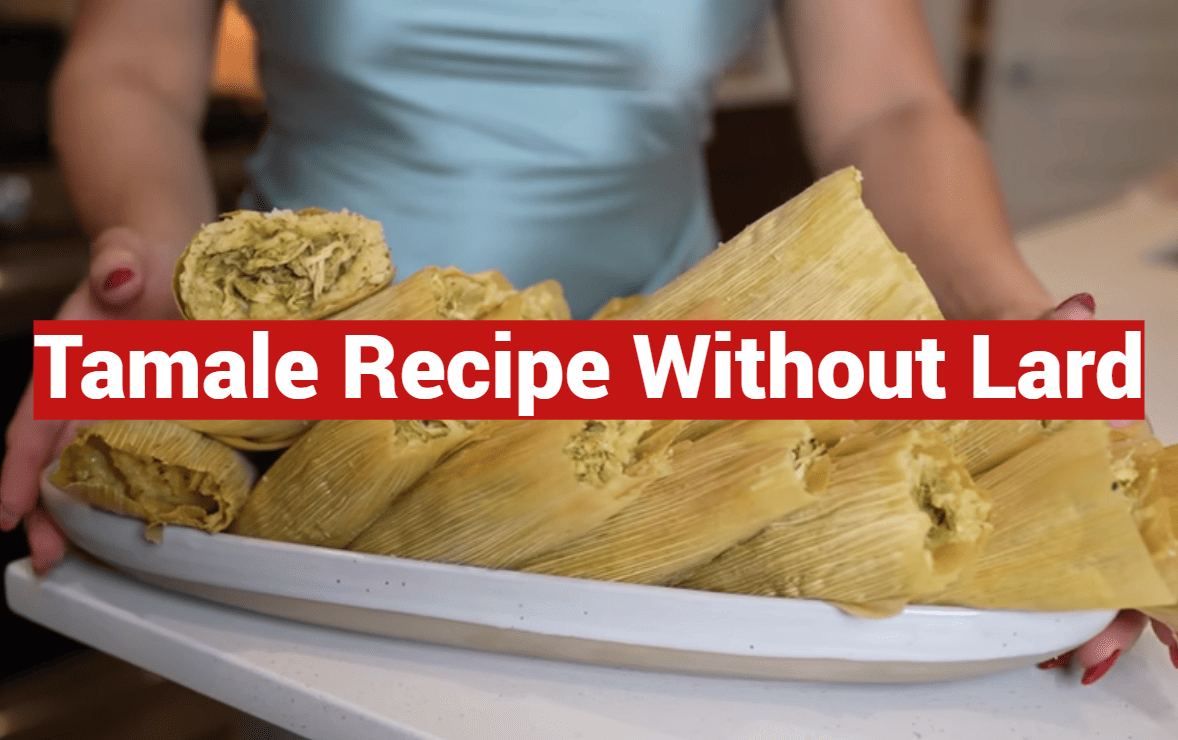
Did you know that over 70% of Americans now actively seek healthier versions of their favorite ethnic foods? This growing trend shows how people want to enjoy traditional flavors while making smart choices for their well-being.
Mexican cuisine offers some of the most beloved dishes worldwide, and tamales stand out as a true cultural treasure. These steamed bundles of masa and filling represent generations of family traditions and celebrations.
Many home cooks feel intimidated by the process of creating authentic tamales. The good news is that modern approaches make this culinary adventure much more accessible. Using oil instead of traditional animal fat creates equally delicious results.
This guide will walk you through every step of creating amazing tamales with a healthier twist. You’ll discover how simple ingredients like corn masa can transform into light, fluffy delights. The method actually simplifies the preparation while maintaining authentic texture and taste.
Whether you follow a plant-based diet or simply want to reduce saturated fats, this approach lets everyone enjoy this Mexican classic. The cultural significance remains intact while adapting to contemporary nutritional preferences.
Key Takeaways
- Traditional Mexican tamales can be made healthier without sacrificing authentic flavor
- Oil-based alternatives create light, fluffy results similar to traditional methods
- The preparation process becomes more accessible with modern ingredient swaps
- Corn masa remains the essential foundation for authentic texture and taste
- This approach accommodates various dietary preferences while honoring cultural traditions
- Home cooking these steamed delights is less intimidating than many people assume
- Health-conscious adaptations make classic dishes available to wider audiences
Introduction to Tamales and Their Cultural Legacy
Steaming from ancient Mesoamerican kitchens to modern family tables, these wrapped corn delights carry centuries of tradition in every bite. More than just food, tamales represent a living culinary heritage that connects generations. They transform ordinary meals into celebrations and bring families together in the kitchen.
The process of making these steamed bundles has always been a communal activity. Grandmothers teach grandchildren the proper way to spread masa. Aunts and uncles share filling secrets. This labor of love turns cooking into a cherished family ritual.
A Brief History of Tamales
These corn-based creations date back thousands of years to Aztec and Maya civilizations. Ancient peoples developed the technique of steaming masa inside corn husks or banana leaves. The method proved practical for travelers and warriors needing portable, nutritious meals.
Today, tamales remain central to Mexican holidays like Christmas and Dia de los Muertos. Each region developed unique variations using local ingredients. This diversity shows how adaptable the basic concept remains across different cultures and time periods.
Why Choose a Lard-Free Version?
Traditional recipes often use pork lard for richness and texture. This animal fat creates the characteristic fluffiness that makes tamales so delightful. However, modern health concerns have inspired creative adaptations.
Choosing vegetable-based alternatives makes sense for many reasons. It accommodates vegan and vegetarian diets while reducing saturated fat intake. Health conditions like heart disease and diabetes benefit from these lighter versions. The best part? You don’t sacrifice authentic flavor when making thoughtful substitutions.
Modern kitchen innovations prove that tradition and health can coexist beautifully. Today’s tamales honor cultural roots while embracing contemporary wellness values. This approach ensures everyone can enjoy these steamed treasures regardless of dietary needs.
The Essential Role of Masa in Tamale Making
When embarking on your tamale-making journey, understanding the core ingredient—masa—will determine the success of your final creation. This corn-based dough forms the foundation that holds everything together.
The texture and flavor of your finished product depend entirely on the quality of your masa. Choosing between different types can seem confusing at first, but each option has its advantages.
Understanding Masa Harina vs. Fresh Masa
Masa harina offers incredible convenience for home cooks. This dried corn flour simply needs mixing with water to create your dough. The Maseca brand dominates store shelves nationwide.
Fresh masa provides superior flavor when available. Local tortillerias sell unprepared versions that haven’t been mixed with animal fats. The nixtamalization process—where corn is treated with lime—creates this traditional ingredient.
| Feature | Masa Harina | Fresh Masa |
|---|---|---|
| Availability | Widely available in grocery stores | Found at Mexican markets or tortillerias |
| Preparation Time | Quick mix with water | Ready to use immediately |
| Flavor Profile | Good authentic taste | Superior fresh corn flavor |
| Texture Results | Consistent and reliable | Authentic traditional texture |
Both regular and tamale-specific masa harina work well for creating your dough. The specialized version might offer slightly better texture, but either choice produces excellent results.
Don’t stress about finding the “perfect” option. Great tamales come from quality ingredients and careful preparation, regardless of which masa you choose.
Ingredients for a Perfect Tamale Recipe Without Lard
Before you start mixing, understanding each ingredient’s role will help you make informed choices for your dietary needs. The right components create masa that’s both authentic and health-conscious.
Key Ingredients and Their Substitutes
Your foundation begins with 2 ½ cups of masa harina. This corn flour forms the base of your dough. Add ½ to 1 teaspoon of baking powder for lift.
Baking powder acts as a leavening agent. It creates light, airy results instead of dense masa. Use aluminum-free baking powder to avoid metallic flavors.
Include 1 ½ teaspoons of salt for balanced flavor. For hydration, use 3 to 5 cups of broth rather than water. Broth adds depth that plain water cannot provide.
Why Vegetable Fats Work Best
Vegetable fats like oil create excellent texture. Use ¾ to 1 cup of vegetable oil instead of solid shortening. Oil doesn’t harden like traditional fats.
Different oils offer various health benefits. Safflower oil contains only 1 gram of saturated fat per tablespoon. Olive oil adds distinct flavor notes to your masa.
Remember to use slightly less oil than shortening. Too much oil creates greasy results. This adjustment ensures perfect consistency every time.
Step-by-Step Guide to Preparing the Masa Dough
The secret to achieving authentic texture lies in mastering the mixing process for your masa foundation. Proper technique transforms simple ingredients into light, airy perfection.
Mixing Techniques for a Light and Airy Dough
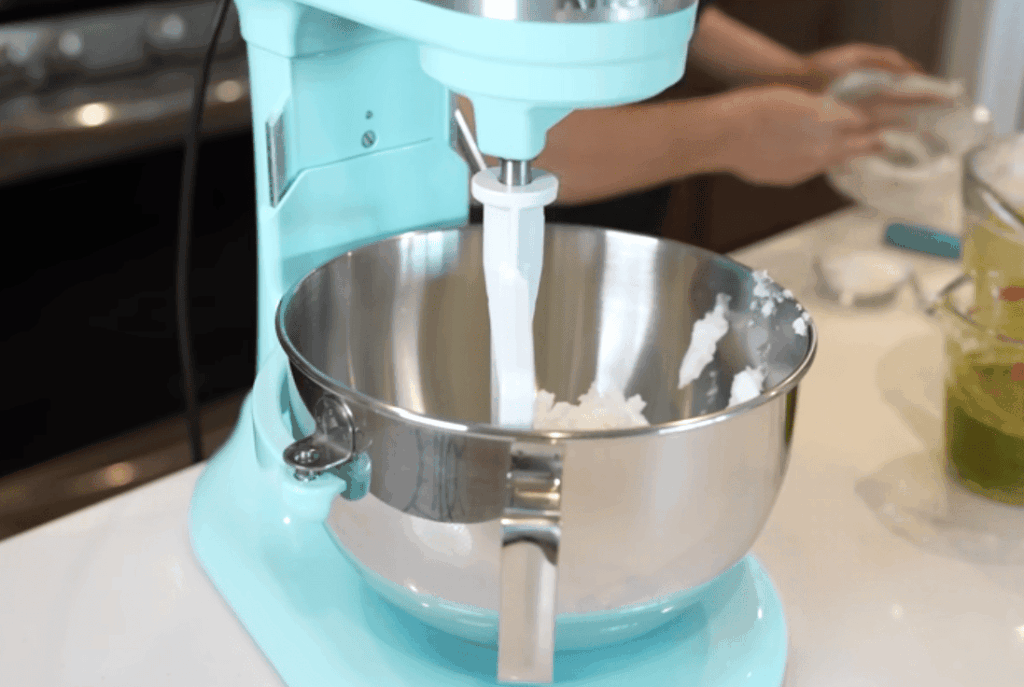
Begin with all ingredients at room temperature for optimal blending. Use a stand mixer or electric hand mixer in a large bowl. Whip your vegetable shortening until it reaches a light, creamy consistency.
Add half the masa harina along with baking powder and salt. Mix on low speed until the mixture resembles coarse breadcrumbs. Scrape the sides and bottom of the bowl with a spatula to ensure even incorporation.
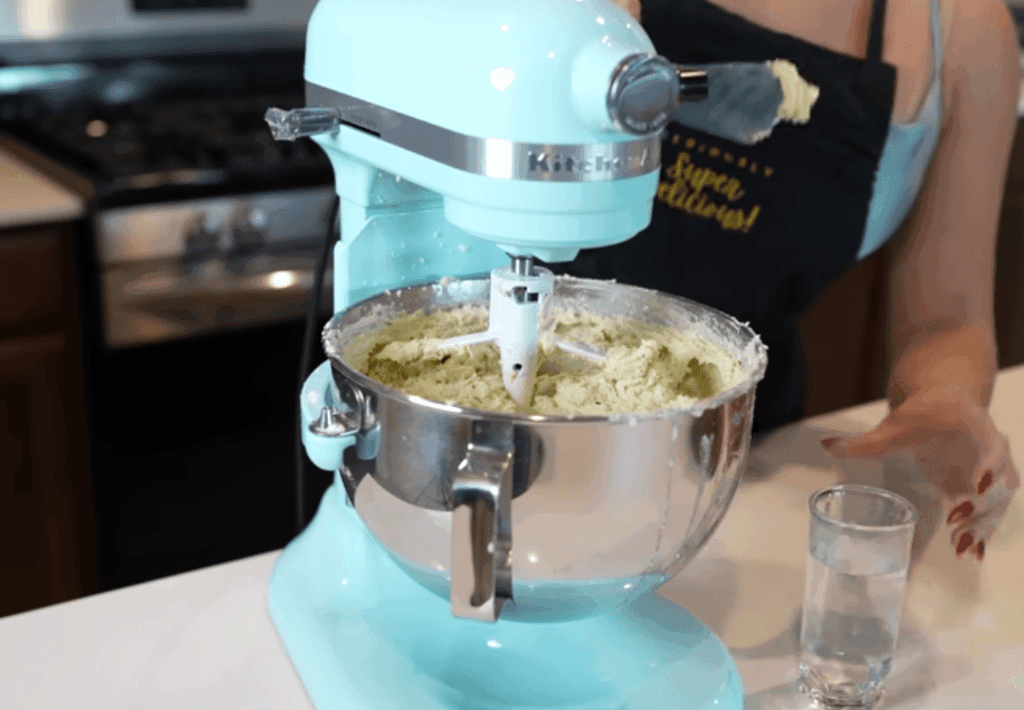
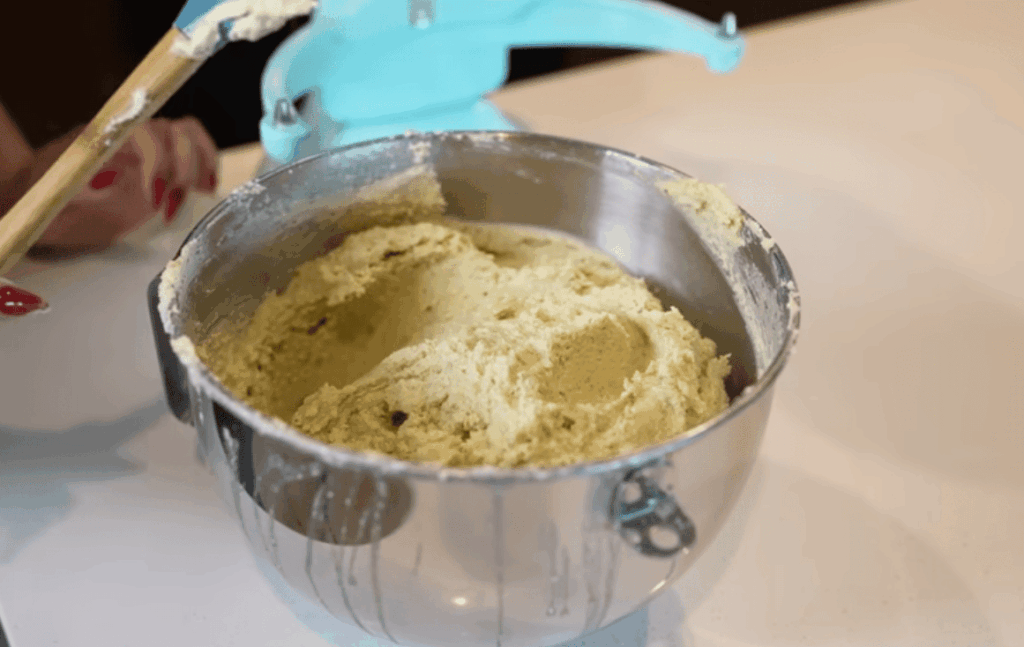
Incorporate the remaining masa harina with about one cup of broth. Continue scraping the bowl regularly. Add liquid gradually until the dough reaches a hummus-like consistency.
| Preparation Method | Equipment Needed | Time Required | Best For |
|---|---|---|---|
| Electric Mixer | Stand mixer or hand mixer | 10-15 minutes | Consistent, effortless results |
| Manual Mixing | Wooden spoon and strong arms | 20-25 minutes | Traditional approach |
| Oil-Based Method | Any mixing tool | 15-20 minutes | Health-conscious versions |
Environmental factors like humidity and altitude affect how much water or broth your dough needs. The final consistency should spread smoothly like cake batter. Don’t worry if mixing by hand—it requires more effort but delivers excellent results.
Remember that proper mixing technique ensures your masa foundation will steam to perfection. The right consistency makes all the difference in creating light, fluffy creations that honor tradition while embracing modern preferences.
Achieving the Ideal Tamale Texture
Achieving that light, airy texture everyone loves comes down to one simple kitchen test. This traditional method helps you confirm your masa foundation is perfectly prepared.
The Masa Float Test Explained
Fill a small glass with room temperature water. Pinch off a teaspoon-sized piece of your prepared masa dough. Gently drop it into the water.
Properly mixed masa will float immediately to the surface. This indicates enough air has been incorporated during mixing. Your dough has the ideal light, airy texture for perfect results.
If the masa sinks, continue mixing for several more minutes. The extra whipping incorporates additional air into your mixture. Test again until your sample floats successfully.
This simple test provides helpful confirmation that ingredients are well-combined. It ensures your masa is properly hydrated too. You’ll avoid dense results this way.
Many experienced cooks rely on visual and tactile cues instead. But beginners find the float test gives them confidence. It’s one reliable way to ensure consistency in your final product.
Remember—this test is completely optional. Don’t feel pressured to use it every time. Trust your instincts as you gain experience with the process.
Preparing and Soaking Corn Husks
Working with dried corn husks might seem intimidating at first, but proper conditioning makes them wonderfully pliable. These natural wrappers shape your creations during steaming while adding authentic presentation. Remember—you don’t eat the husks; they’re simply the traditional packaging.
Tips for Cleaning and Conditioning Corn Husks
Find corn husks in 10, 12, or 16-ounce packages at Mexican markets or supermarket ethnic aisles. For small batches, ensure your package contains at least 16-18 good-sized husks. Inspect each one carefully before use.
Discard any husks with dark spots or discoloration. Gently wash under cool water using a soft brush to remove debris and corn silks. Be careful not to tear these delicate dried wrappers during cleaning.
Place husks in a large pan or clean sink. Cover completely with hot water. Use a heavy plate to keep them submerged for even hydration. Soaking time varies from 30 minutes to a couple of hours depending on husk dryness.
They’re ready when flexible and easy to fold. Separate and pat dry just a few husks at a time as you assemble your creations. Keep the rest submerged to maintain perfect pliability throughout your preparation process.
Assembling Your Tamales with the Perfect Filling
The assembly stage transforms your prepared ingredients into beautifully wrapped packages ready for steaming. This hands-on process feels like crafting edible gifts, each one holding delicious surprises inside.
Spreading the Masa Evenly
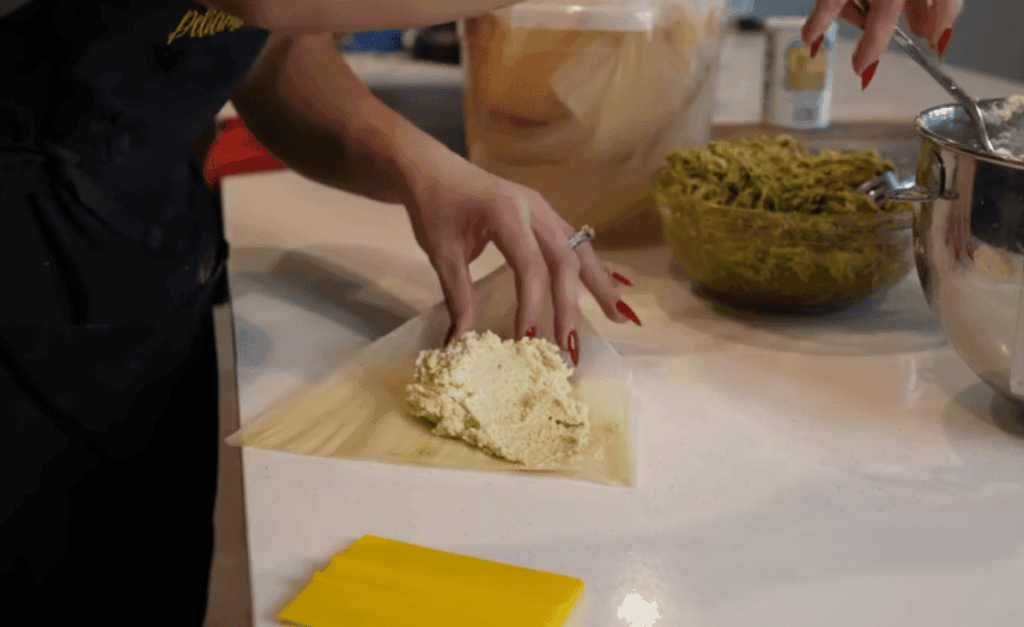
Take a prepared corn husk and place it smooth-side up. Use the back of a large serving spoon to spread three to four tablespoons of masa dough. Create a rectangular shape about 3-4 inches long.
If your masa feels sticky, keep a small bowl of water nearby. Dip your spoon occasionally for smoother spreading. Leave at least ½ inch margin on the sides where edges will join.
Filling Variations for Unique Flavors
Add about two tablespoons of your chosen filling in a line down the center. Fold the husk vertically, bringing edges together. Gently push and curl to form a neat tube shape.
Popular filling options include shredded chicken with salsa verde, vegan birria using jackfruit, or traditional pork in red chile sauce. Rajas con queso offers roasted pepper goodness, while beans provide hearty vegetarian options.
Tuck the narrow end underneath to secure your package. Place assembled creations seam-side down on your tray. Each tamale becomes a personal masterpiece waiting to be steamed.
Don’t worry about perfect folds at first. The technique becomes natural after a few tries. Soon you’ll be creating uniform packages with confidence.
Cooking Methods: Steaming Your Tamales Perfectly
Now that your packages are assembled, it’s time to transform them through the magic of steam. This cooking phase brings all your hard work together into delicious final results.
Using an Instant Pot vs. Traditional Steaming
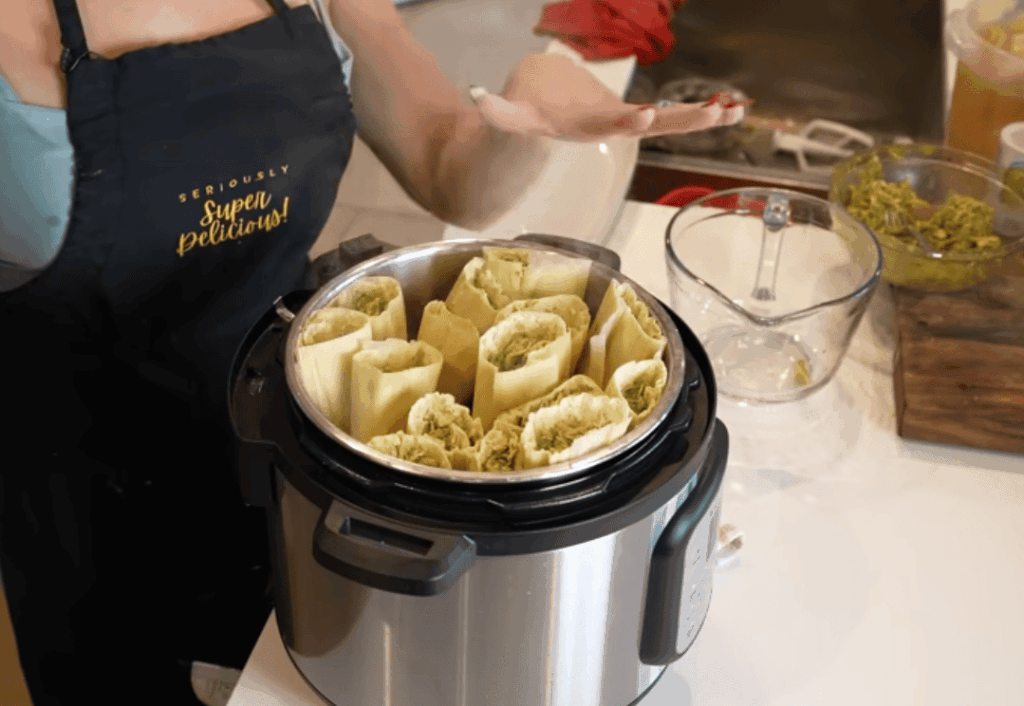
The Instant Pot offers modern convenience for busy cooks. Place your steamer basket inside the pot with water reaching just below it. Line the basket with extra corn husks for protection.
Arrange your creations upright with folded ends down. Cover them with more husks to shield from condensation. Set the device to Manual mode on high pressure for 65 minutes.
Allow full natural pressure release, taking about 95 minutes total cooking time. Let them rest inside the warm pot for 20 minutes after opening. They firm up beautifully during this resting period.
Traditional stovetop steaming uses a tall stock pot with a steamer insert. Keep water level below the basket and maintain steady steam. Check water every 10-15 minutes, replenishing carefully.
Cook for 60-90 minutes, testing after the first hour. When the masa releases cleanly from the husk, they’re ready. Handle gently while hot, as they’re quite delicate.
Both methods produce excellent results with proper attention to timing. Choose based on your available equipment and cooking preferences.
Enhancing Flavor Without Lard: Additional Tips and Tricks
Unlocking deep, satisfying taste without traditional fats is easier than you think with a few simple tricks. Your foundational masa offers a fantastic canvas for building incredible flavor.
Always choose a rich broth instead of plain water for savory versions. Water can make the masa taste bland. You have great options:
- Homemade vegetable broth
- Store-bought cartons
- Hot water mixed with vegan bouillon powder (vegetable, vegan chicken, or vegan beef)
For a beautiful regional twist, mix red chile sauce into the masa. This creates a stunning red color and mild heat. Ground spices like onion powder, garlic powder, and cumin also add wonderful aromatic complexity.
Your choice of oil significantly shapes the final taste. Olive oil adds a distinct, robust flavor. Neutral oils like vegetable or canola let other ingredients shine.
| Dish Type | Recommended Liquid | Flavor Boosters |
|---|---|---|
| Savory | Vegetable or chicken-style broth | Spices, chile sauce |
| Sweet | Milk (dairy or plant-based) or fruit juice | Cinnamon, raisins, piloncillo |
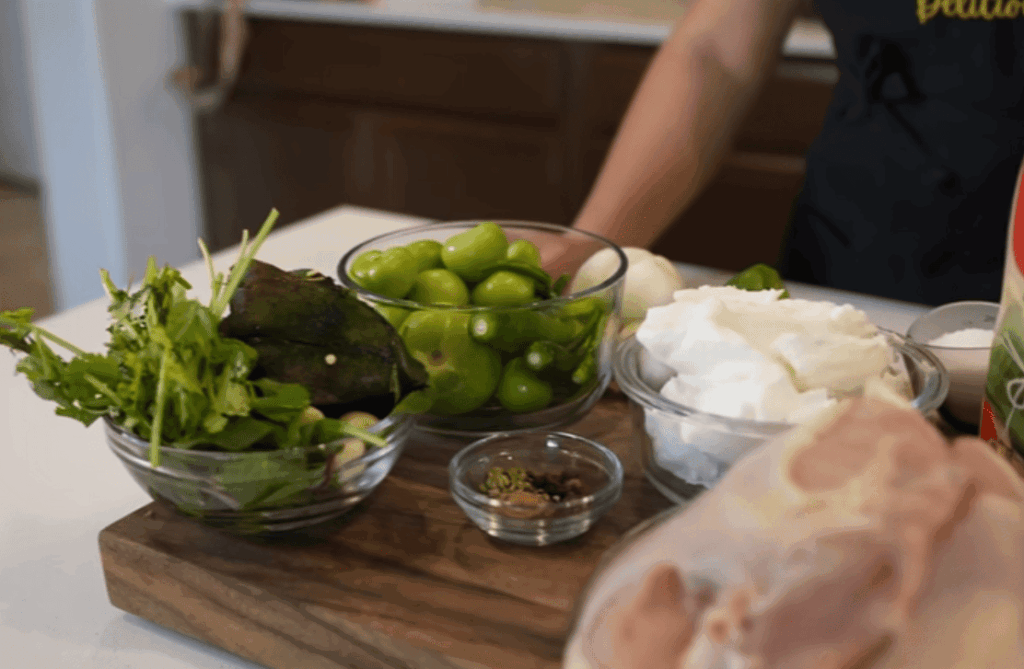
Serve your creations with fantastic accompaniments. A creamy verde sauce made by mixing salsa verde with sour cream is a winner. Fresh sides like avocado, lime wedges, or a simple tomato salad complete the meal perfectly.
The soul of good cooking lies in layering flavors with intention and care.
Experiment confidently. Thoughtful seasoning ensures your healthier versions are just as delicious and satisfying as the classics.
Adapting Traditional Recipes to Healthier Alternatives
Transforming classic dishes into healthier versions requires understanding how different fats behave in cooking. The right substitutions can maintain authentic texture while offering nutritional benefits.
Substituting Lard with Olive Oil or Vegetable Oil
Traditional preparations often rely on pork lard for richness. Modern alternatives provide excellent results with health-conscious benefits. Vegetable shortening mimics the texture of traditional animal fat most closely.
Various oil options offer distinct advantages. Olive oil adds heart-healthy monounsaturated fats and a pleasant flavor note. Neutral vegetable oils let other ingredients shine through beautifully.
When using liquid oils instead of solid fats, reduce the quantity slightly. Oil doesn’t harden like traditional shortening. Using the same amount creates greasy, heavy results.
Consider these popular alternatives:
- Safflower oil contains only 1 gram of saturated fat per tablespoon
- Avocado oil offers high smoke point and mild flavor
- Coconut oil works well but has higher saturated fat content
Butter serves as an option for vegetarian versions. It imparts a distinct flavor that complements certain fillings. All fats contain calories, but you can choose options with better nutritional profiles.
The key is mindful substitution that honors tradition while embracing wellness. Your healthier creation will delight everyone at the table.
tamale recipe without lard: Master Tips from the Pros
The difference between good results and exceptional ones often lies in the expert tips shared by experienced cooks. These professional insights transform the process from intimidating to intuitive.
Expert Advice on Consistency and Flavor
Always begin with ingredients at room temperature. This simple step ensures your masa blends smoothly and creates the perfect texture. Cold ingredients can lead to uneven mixing and dense results.
You can prepare your masa foundation a full day ahead. Store it covered in the refrigerator overnight. Bring it to room temperature before using for best results.
Test refrigerated masa by spreading it on a soaked corn husk. If it feels too stiff, gradually mix in small amounts of broth. This restores the ideal spreading consistency.
Scrape the sides and bottom of your mixing bowl regularly. This prevents dry pockets of masa harina from forming. Consistent mixing creates uniform texture throughout.
When you need to make tamales for larger gatherings, this approach scales beautifully. Double or triple the quantities without adjusting your technique. The process remains the same regardless of batch size.
Environmental factors affect liquid requirements. Humidity, altitude, and weather all influence how much broth your masa needs. Add liquid gradually rather than following measurements rigidly.
If your creations need extra cooking time, add one cup of water to the bottom of your Instant Pot liner. Cook for an additional 20 minutes. This ensures thorough steaming without drying out.
Conclusion
You’ve now mastered the art of creating healthier Mexican classics that honor tradition while embracing modern wellness. Your kitchen adventures will yield delicious tamales with reduced saturated fat that accommodate various diets.
Remember the essential techniques: selecting quality masa harina, using baking powder for lightness, and hydrating with flavorful chicken broth. Measure ingredients carefully in cups and teaspoons, mixing in your bowl until perfect.
Experiment confidently with different fillings like chicken with salsa verde, seasoned beef, or traditional pork. Each requires about 60-90 minutes in your pot with steamer.
Make sure to add broth gradually while scraping the bottom of your bowl. Use a spoon to spread masa evenly on each corn husk. This way ensures light, perfect texture every time.
Share your creations and adapt recipes to make these steamed delights part of your family traditions. You have everything needed to make tamales that celebrate culture while supporting health.