
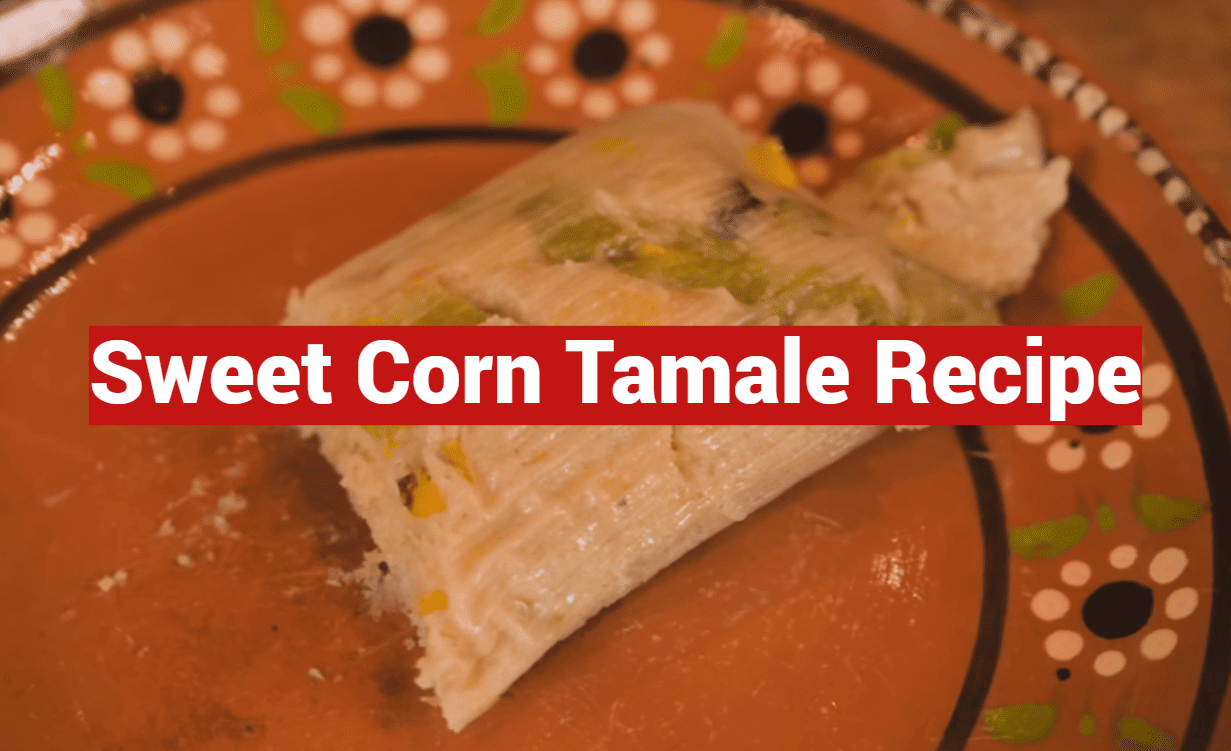
Across the globe, millions of these steamed bundles are enjoyed daily, yet many home cooks feel they are a secret too complex to unlock. This perception is about to change.
We are focusing on a beloved version known as tamales de elote. This variation celebrates the natural sugar found in maize. It blends a buttery richness with subtle, warm spices.
Unlike their savory cousins, these delightful parcels are incredibly versatile. They shine just as brightly at a morning meal as they do for an afternoon treat or a festive dessert.
Our guide is designed for success in any kitchen. You will learn to create a fluffy, moist masa that practically melts on your tongue. We provide flexibility, allowing you to use fresh or canned kernels based on what you have available.
The process is beautifully straightforward. There is no separate filling to prepare. The magic happens when a perfectly seasoned corn mixture is wrapped in husks and steamed to tender perfection.
You will also discover pro tips passed down through generations. These insights guarantee your results are light, flavorful, and absolutely irresistible every single time.
Key Takeaways
- This dish is a traditional Mexican favorite called tamales de elote.
- It is known for its natural sweetness and versatile serving options.
- The preparation method is simpler than many believe, with no separate filling needed.
- The instructions are designed to be accessible for home cooks of all skill levels.
- You can achieve an authentic, delicious result using either fresh or canned corn.
- Expert tips are included to ensure a light texture and fantastic flavor.
- It’s a perfect choice for holidays, gatherings, or a simple family treat.
Introduction
Unlike their savory counterparts, these delightful creations showcase the natural sweetness of fresh maize in every tender bite. They represent a cherished part of Mexican culinary heritage that’s surprisingly simple to master.
Overview of the Recipe
What sets these treats apart is their beautiful simplicity. There’s no separate filling to prepare—the seasoned masa mixture serves as both wrapper and center.
The texture is remarkably light and fluffy. Each bite practically melts in your mouth with a buttery richness that’s perfectly balanced.
Fresh corn husks wrap the mixture, imparting a subtle earthy aroma during steaming. This traditional method creates an unforgettable dining experience.
What Makes Tamales Special
In Mexico, preparing these steamed bundles is often a family affair. Generations gather to share techniques and create memories together.
Their versatility is another standout feature. They work equally well as a morning treat with coffee or as an after-dinner delight.
The cultural significance of these dishes cannot be overstated. They’re central to holidays, celebrations, and everyday family meals alike.
Each cook adds their personal touch, making every batch uniquely memorable.
Ingredients & Equipment Essentials
The foundation of any great culinary creation lies in selecting quality ingredients and having the proper tools at hand. Getting organized before you start will make the process smoother and more enjoyable.
Core Ingredients: Corn, Masa, and Butter
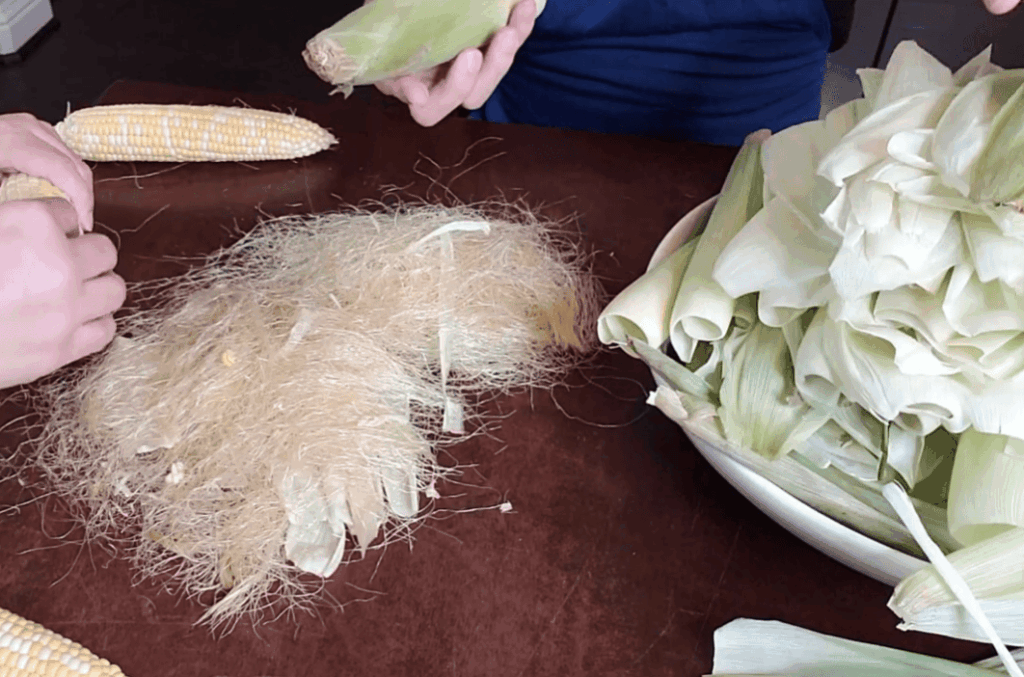
Your essential components begin with about 5-6 ears of fresh maize or four 15-ounce cans for convenience. The kernels provide the base flavor and texture that makes these treats special.
You’ll need half a cup of masa harina, which gives authentic structure to the dough. Combine this with another half cup of cornmeal for perfect consistency.
Butter is crucial for that rich, melt-in-your-mouth quality. Use half a cup of softened butter, though coconut oil works well for vegan versions. Traditional lard offers an authentic alternative.
Other key ingredients include half a cup of sugar, two teaspoons of baking powder, and flavor enhancers like vanilla and cinnamon. These work together to complement the natural taste of the main components.
| Ingredient | Fresh Option | Alternative | Vegan Choice |
|---|---|---|---|
| Corn Source | 5-6 ears fresh | 4 cans (15 oz each) | Same options |
| Fat Component | ½ cup butter | Lard or shortening | Coconut oil |
| Flour Base | ½ cup masa harina | Maseca brand | Same options |
| Sweetener | ½ cup sugar | Alternative sugars | Same options |
Must-Have Tools: Food Processor, Steamer, and More
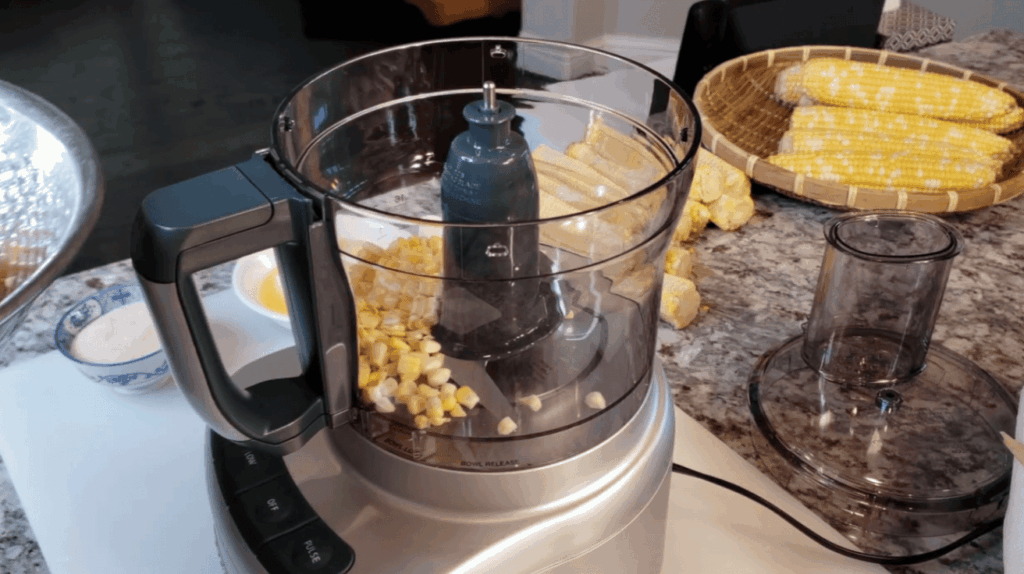
A food processor or blender is essential for grinding the kernels into a smooth puree. This forms the foundation of your dough mixture.
An electric mixer helps beat the butter and sugar to light, fluffy perfection. This step incorporates air for the right texture.
Your steamer pot with rack is non-negotiable for proper cooking. Choose one large enough to stand your creations upright during the steaming process.
Round out your toolkit with a large mixing bowl, sharp knife for preparing fresh ingredients, and soaked corn husks for wrapping. Having everything ready ensures success.
Cultural Background and Tradition
Family kitchens across Mexico transform into bustling workshops during holiday seasons as multiple generations gather to prepare these traditional treats. This communal activity represents much more than meal preparation—it’s a living tradition where stories, techniques, and family bonds are strengthened.
Tamales in Mexican Culture
These steamed bundles hold a deeply revered place in Mexican culture, serving as centerpieces for celebrations and significant family gatherings. The tradition dates back centuries, with each generation adding their personal touch to cherished family recipes.
The preparation of tamales de elote showcases the seasonal abundance of fresh maize. Home cooks transform simple ingredients into something extraordinary through techniques passed down through time.
Regional variations highlight Mexico’s incredible culinary diversity. In Michoacán, these creations are known as Uchepos, while in Chiapas they’re called picte. Some areas like Zacatecas add savory fillings, demonstrating how the basic sweet corn version adapts to local tastes.
These dishes embody the essence of Mexican home cooking, where recipes become treasured family heirlooms. Often associated with beloved grandmothers who perfected their methods over decades, each batch represents love, community, and the continuation of culinary heritage.
Preparing the Ingredients
Before the mixing begins, careful attention to ingredient preparation sets the stage for success. This phase ensures your components are ready for the next steps.
Cutting Fresh Corn and Handling Husks
Start by trimming both ends of each ear. This creates a stable base for removing the outer leaves.
Gently peel back the fresh husks, preserving them for wrapping. Wash the leaves thoroughly and pat them dry.
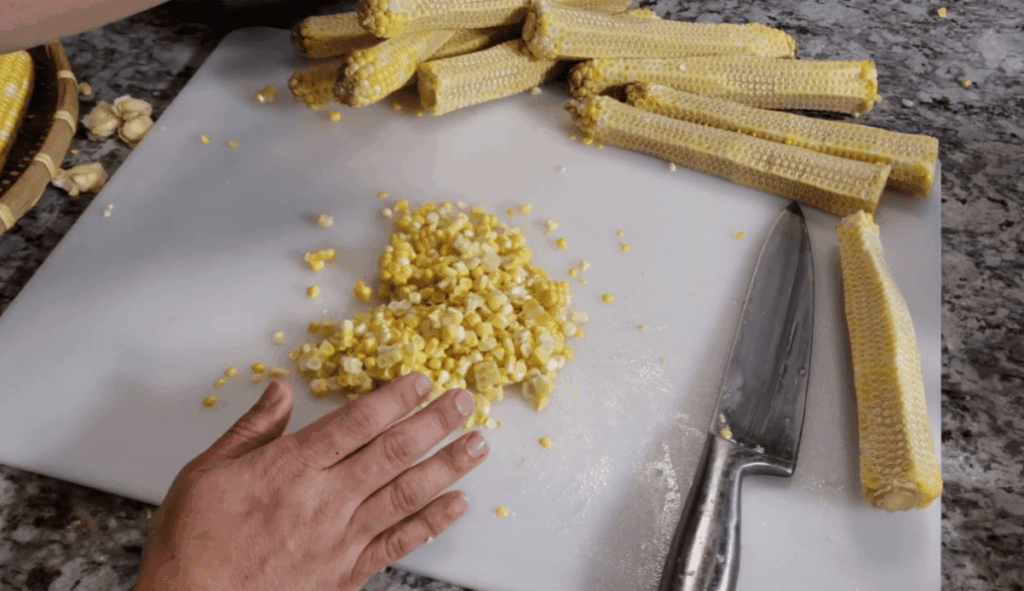
Use a sharp knife to remove the kernels. Cut downward with a gentle sawing motion. Place a small bowl inside a large bowl to catch flying pieces.
For dried husks, soak them in hot water for 30-60 minutes. This makes them pliable for folding.
Mixing and Adjusting Dry Ingredients
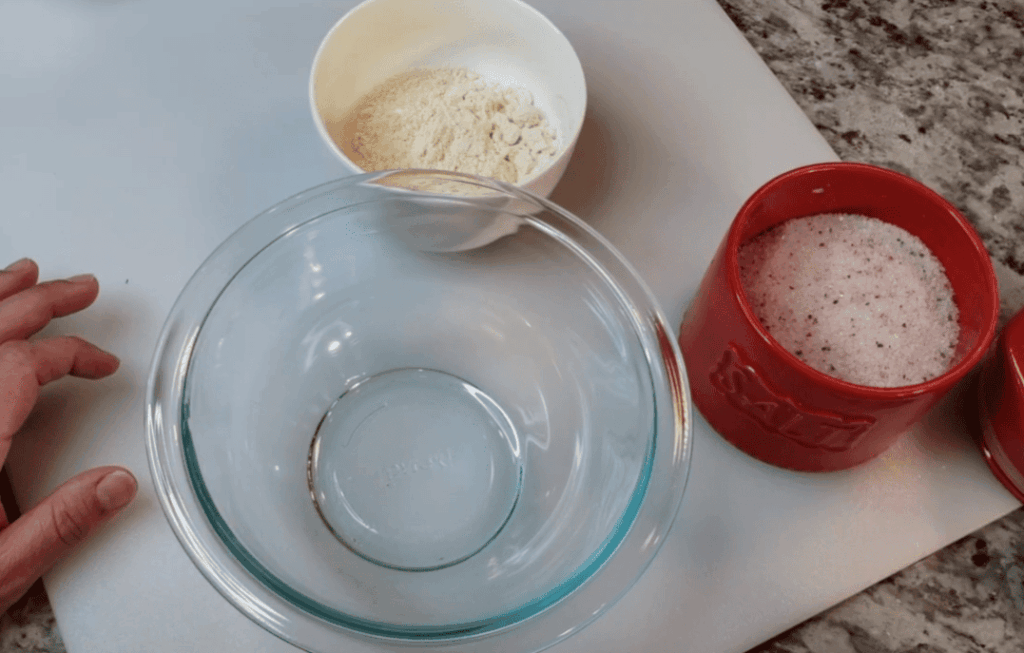
Combine masa harina with cornmeal in your large bowl. The proportions create the perfect texture foundation.
If your corn mixture appears too wet, add 2-3 tablespoons more dry ingredients. This adjustment ensures the right consistency.
Work in batches when processing the kernels. Aim for a textured puree rather than complete smoothness.
Check the mixture after blending. Drain excess water if needed before proceeding.
Step-by-Step Instructions for the Sweet Corn Tamale Recipe
This hands-on phase brings all your prepared components together in a process that’s both simple and rewarding. You’ll witness how basic ingredients transform into something special.
Mixing the Dough and Adding Flavor Enhancers
Begin by processing your kernels in batches using a food processor. Pulse about ten times for one-second intervals to achieve a rustic texture with some pieces visible.
Transfer the blended mixture to a large bowl. If it appears too watery, drain excess liquid in a colander for 10 minutes.
In a separate bowl, beat softened butter with sugar using an electric mixer. Continue for about 3 minutes until the mixture becomes light, fluffy, and almost white.
Combine the whipped butter-sugar blend with your corn puree. Gradually add masa harina and cornmeal along with baking powder and salt.
| Mixing Technique | Purpose | Key Indicator | Common Mistake |
|---|---|---|---|
| Pulsing in food processor | Create rustic texture | Small kernel pieces visible | Over-blending to smooth puree |
| Whipping butter-sugar | Incorporate air for lightness | Pale, fluffy consistency | Using cold, hard butter |
| Gradual dry ingredient addition | Achieve proper consistency | Thick, scoopable batter | Adding all at once causing lumps |
Folding and Assembling the Tamales
Take a prepared husk and dry both sides thoroughly. Spoon about 3 tablespoons of your mixture into the center of the wide end.
Fold the left side over the filling first, then the right side to create a tube shape. Fold the pointed bottom upward to seal each piece securely.
If working with smaller husks, overlap two or three together for adequate wrapping surface. Set each assembled creation upright with the open end facing upward.
Steaming and Cooking Techniques
Proper steaming technique is the final, crucial step that brings all your preparation work to delicious completion. This gentle cooking method ensures your creations achieve the perfect texture without drying out.
Steaming Tips and Best Practices
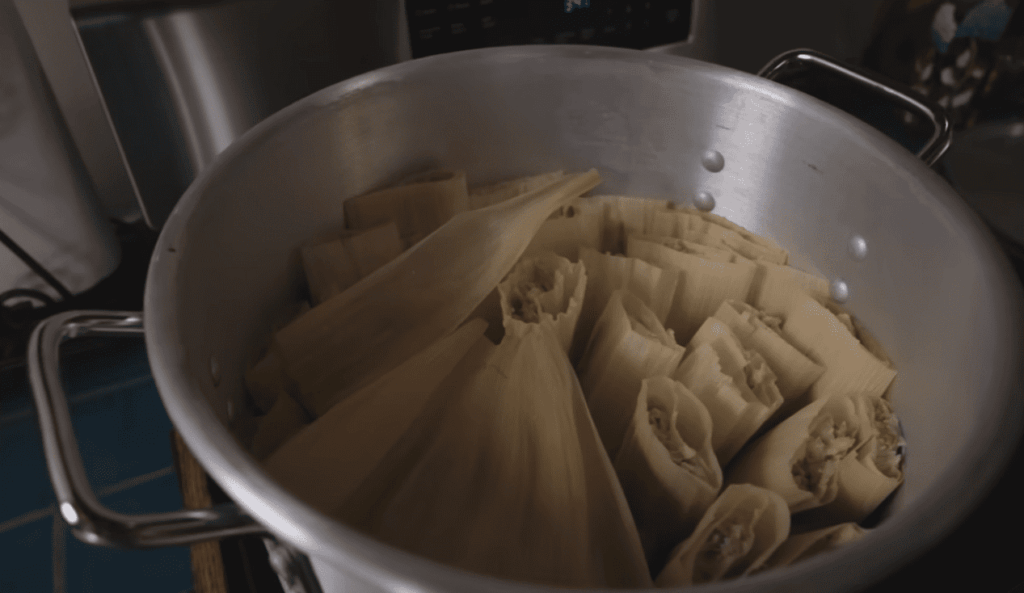
Begin by filling your steamer pot with several cups of water. Make sure the water level stays below the basket’s bottom. Line the basket with small or torn husks to prevent sticking.
Bring the water to a boil before reducing to a steady simmer. Arrange your bundles upright with open ends facing upward. They should lean against the pot’s side until they can support each other.
If your batch doesn’t fill the entire steamer, create a foil ball for the empty space. Cover with a kitchen towel before placing the lid. This prevents condensation from making them soggy.
| Steaming Issue | Cause | Solution | Prevention Tip |
|---|---|---|---|
| Water evaporates too quickly | Heat too high | Add hot water every 30 minutes | Maintain gentle simmer |
| Masa sticks to husk | Insufficient cooking time | Steam 15-30 minutes longer | Test one bundle first |
| Uneven cooking | Poor arrangement in pot | Reposition bundles upright | Use foil ball for support |
| Soggy texture | Condensation dripping | Use towel under lid | Ensure proper covering |
Testing for Doneness
After about an hour, carefully remove one bundle to test. Let it cool for a few minutes before unwrapping. The masa should separate easily from the husk.
Properly cooked creations have a firm yet spongy texture. If they need more time, turn off the heat and let them sit in the covered pot. Residual heat will continue the cooking process.
Recipe Variations and Flavor Customizations
Once you master the basic method, a world of flavor possibilities opens up for creative customization. The foundation you’ve learned serves as a perfect canvas for personal expression while respecting traditional roots.
Sweet Enhancements with Cinnamon and Vanilla
For deeper aromatic notes, consider increasing the cinnamon beyond the base amount. An extra teaspoon of vanilla extract adds warm, complex flavors that complement the natural maize sweetness beautifully.
Texture variations can transform your experience entirely. Fold in ½ cup of chopped pecans or almonds for a delightful crunch. Shredded coconut brings tropical sweetness and pleasant chewiness to each bite.
Savory Twists and Regional Variations
Mexico’s regional diversity shines through in different preparations. In Michoacán, they’re known as Uchepos, while Chiapas calls them picte. Each region adds unique local touches.
Some areas like Zacatecas create savory versions with fillings of chile poblano, pork, and tomato sauce. Traditional variations might use piloncillo instead of sugar or incorporate zucchini and epazote.
For a completely different direction, omit the sugar, vanilla, and cinnamon. Add ½ cup diced green chiles and 1 cup shredded Oaxaca cheese instead. This creates a savory option that’s equally delicious.
The flexibility of this preparation allows you to experiment with spices like cardamom or dried fruits. You can make each batch uniquely yours while honoring the traditional foundation.
Serving Suggestions, Storage & Reheating Tips
The final step in your culinary journey involves presenting and storing your finished dishes properly. Thoughtful serving enhances the experience, while correct preservation maintains quality for future enjoyment.
Presentation Ideas for Breakfast and Dessert
In Mexican tradition, these delights shine as a morning treat. Serve them warm with a glass of milk or coffee for a comforting start to the day.
For an elegant touch, drizzle with Mexican crema and crumbled queso fresco. The combination creates a delightful contrast that elevates the natural flavors. As a dessert option, try them with cajeta or condensed milk for extra indulgence.
Proper Storage and Reheating Methods
Once your tamales have cooled completely, transfer them to an airtight container. They will stay fresh in the refrigerator for 4-5 days. For longer storage, individually wrap each tamal and freeze for 2-3 months.
The best way to reheat uses a steamer. If frozen, thaw overnight in the fridge. Then steam for 10-15 minutes until hot and fluffy. Always let cool for a few minutes before serving.
| Reheating Method | Preparation Time | Result Quality | Best Use Case |
|---|---|---|---|
| Steamer | 10-15 minutes | Excellent texture | Optimal results |
| Microwave | 1-minute intervals | Good convenience | Quick meals |
| Oven | 20-25 minutes | Even heating | Large batches |
| Direct from freezer | 30 minutes | Surprisingly good | No thawing needed |
Conclusion
The process of crafting these steamed bundles connects you to centuries of culinary heritage while building confidence in your cooking skills. Each batch you create carries forward traditions that have warmed family tables for generations.
This approach proves that authentic Mexican preparations don’t need to be intimidating. With the right guidance, anyone can achieve fluffy, flavorful results. The versatility of these creations makes them perfect for any occasion.
Don’t hesitate to experiment with the variations suggested throughout this guide. Add personal touches to make each batch uniquely yours. Proper storage ensures you can enjoy your homemade delights for days or even months.
Now is the perfect time to gather your ingredients and experience the joy of creating something truly special. Share these delicious treats with loved ones and continue the beautiful tradition of homemade Mexican cuisine.