
Over 60% of home cooks who want to prepare tamales face a common hurdle: finding quality corn husks. This traditional wrapping can be difficult to source in many areas, turning a beloved cooking project into a frustrating search.
But what if you could achieve that authentic, steamy masa and flavorful filling using common kitchen items? This guide unlocks innovative methods for creating delicious tamales, bypassing the need for the traditional corn husk entirely.
We will explore three simple approaches. You can bake a tamale casserole in one dish, steam individual portions wrapped in foil, or use a slow cooker with parchment paper. Each technique delivers the classic taste and texture you love.
You will learn to prepare the perfect masa dough and select amazing fillings. The goal is to give you the confidence to enjoy homemade tamales any night of the week, using tools you already own.
Key Takeaways
- You can create authentic-tasting tamales even if you don’t have corn husks available.
- Three main methods will be covered: casserole, foil-wrapped, and parchment paper.
- The process involves preparing masa dough and your choice of fillings.
- These techniques are designed for convenience and use common kitchen equipment.
- This approach makes tamales an accessible meal for regular weeknights, not just special occasions.
Introduction to Tamale Making without Corn Husks
Imagine achieving the rich, comforting taste of tamales using tools already in your kitchen drawer. This guide opens up that possibility. We move past the need for specialty items and focus on the heart of the dish.
Overview of the Process
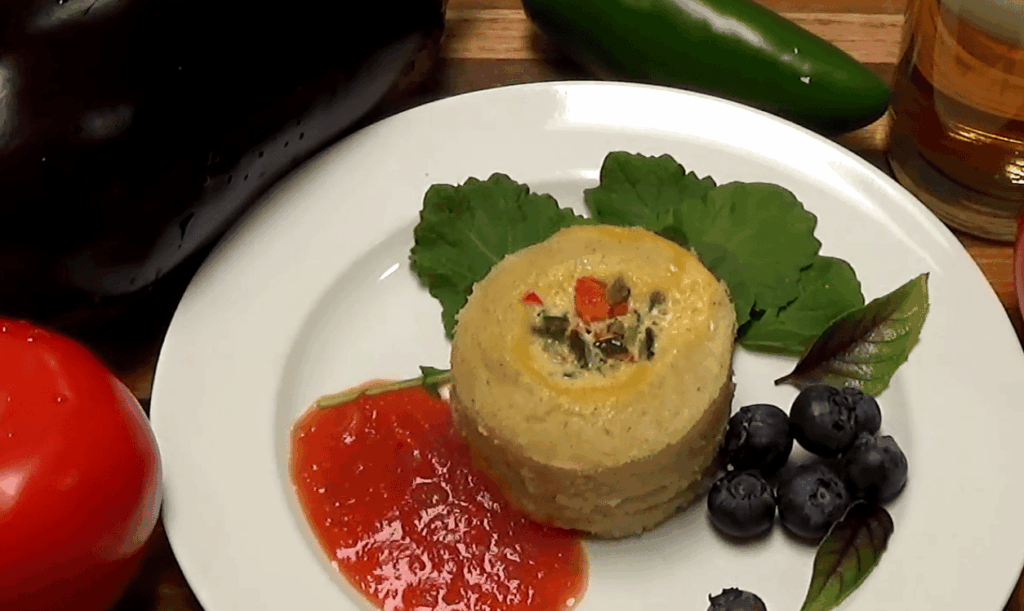
The core idea is wonderfully simple. Instead of searching for traditional wrappers, you use everyday materials. Aluminum foil, parchment paper, or a baking dish become your new best friends.
This streamlined process has three main paths. You can create a hearty casserole, steam individual foil packets, or use a slow cooker. Each method protects the flavorful masa and filling during cooking.
It’s rare to find the words easy and tamales in the same sentence, but with a few simple tricks you can make a scrumptious batch without having to devote an entire day to them.
Benefits of a Hassle-Free Approach
The advantages are significant. You save a considerable amount of time by skipping the soaking and preparation of husks. This makes the dish far more accessible for a weeknight dinner.
Easier assembly and more consistent results are major perks. There’s no worry about wrappers tearing or sticking. This friendly approach is less intimidating, encouraging you to enjoy these delicious recipes more often.
| Method | Best For | Prep Time | Key Tool |
|---|---|---|---|
| Casserole Style | Feeding a crowd easily | Fastest | Baking Dish |
| Foil-Wrapped | Individual portions | Moderate | Aluminum Foil |
| Parchment & Steamer | Traditional steam texture | Moderate | Steamer Basket |
Understanding Ingredients and Techniques
The secret to exceptional tamales lies in understanding three fundamental components. Quality ingredients create the authentic flavor and texture you desire.
Key Components: Masa, Lard, and Fillings
Masa harina forms the foundation. This special corn flour comes from nixtamalized corn. You can find it in most supermarkets’ Latin goods aisle.
Regular Maseca and Maseca Para Tamal both work perfectly. Don’t confuse masa harina with regular cornmeal. They are different products.
Lard provides rich flavor and fluffy texture. Traditional recipes rely on this fat. Your fillings offer endless creativity.
Seasoned chicken, pork, or vegetable options work beautifully. Generous salt and spices ensure every bite tastes amazing.
Ingredient Substitutions and Customizations
Vegetable shortening substitutes well for lard. This helps with dietary preferences. Butter also works if you prefer.
Chicken, beef, or vegetable stock adapts to your filling choice. Understanding substitutions empowers your kitchen creativity.
| Type | Texture | Primary Use | Availability |
|---|---|---|---|
| Regular Masa Harina | Fine | Tortillas | Widely available |
| Masa Para Tamal | Slightly coarser | Tamales | Latin markets |
Mastering the Masa Dough Technique
Your tamale success begins with mastering the art of masa preparation, a skill that ensures light, fluffy results every time. The foundation of your dish relies on this crucial step.
Mixing Masa Harina, Baking Powder, and Seasonings
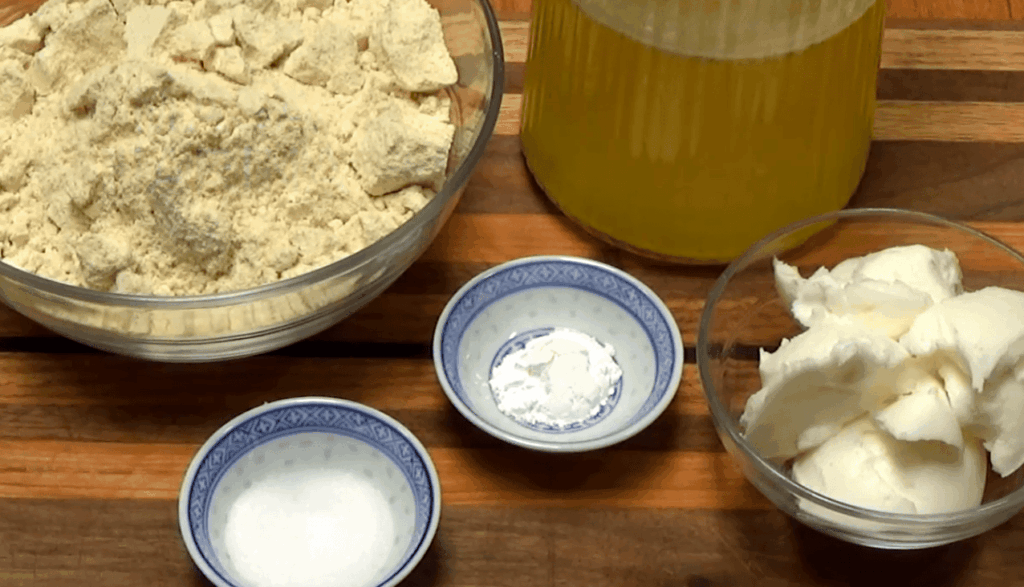
Start by combining dry ingredients in a large mixing bowl. Measure 1.5 cups masa harina with 1 teaspoon baking powder and 1 teaspoon salt.
Whisk them together thoroughly for even distribution. The baking powder creates light, fluffy results rather than dense ones.
Add 1 cup of stock or water gradually. The mixture will look shaggy at first—this is completely normal.
Achieving the Right Dough Consistency
Whip your fat separately using a hand mixer for about 2 minutes. This incorporates air for lighter masa dough.
Combine the whipped fat with the masa mixture gradually. Add additional liquid by the tablespoon until cohesive.
Test your dough by spreading a small amount in your hand. It should hold its shape without cracking.
The proper consistency resembles thick peanut butter—soft, spreadable, and slightly sticky. This perfect masa dough spreads easily with a spoon.
Guide to Preparing the Perfect Filling
The soul of a truly memorable tamale lies within its flavorful filling. This is where your personal taste shines. A great filling balances rich, savory notes with the soft masa dough.
You have incredible flexibility. Choose from slow-cooked meats, quick chicken options, or vibrant vegetarian combinations.
Traditional Pork and Alternative Fillings
A classic pork filling starts with a 3-5 pound boneless pork butt roast. Season it generously with black pepper, garlic, onions, salt, cumin, chili powder, and smoked paprika.
Cook everything in a crockpot on high for about four hours. The meat becomes fork-tender and easy to shred.
For a faster recipe, chicken is a fantastic choice. Use pre-cooked rotisserie chicken mixed with salsa verde. This saves considerable time.
Don’t overlook leftover options. Tinga, barbacoa, or even bean dip can become your filling. Using leftover ingredients simplifies the entire process.
Enhancing Flavor with Sauces and Spices
Sauces are crucial for moisture and depth. After shredding the pork, mix it with about 1½ cups of red chile or enchilada sauce.
The goal is a nicely coated meat, not a dripping wet one. Too much liquid can lead to soggy results.
Salsa verde offers a tangy, bright flavor that pairs perfectly with chicken. Always season your fillings boldly. The mild masa needs a strong flavor partner.
| Filling Type | Key Ingredients | Best Sauce Pairing | Prep Time |
|---|---|---|---|
| Traditional Pork | Pork butt, cumin, chili powder | Red Chile Sauce | Long (4+ hours) |
| Quick Chicken | Rotisserie chicken, onions | Salsa Verde | Short (10 mins) |
| Vegetarian | Black beans, corn, cheese | Green Enchilada Sauce | Moderate (30 mins) |
| Leftover Savior | Tinga, barbacoa, refried beans | Varies by base | Instant |
Comprehensive Steps: how to make tamales without corn husks
With your masa dough and filling ready, the construction phase begins using straightforward techniques. This assembly process bridges preparation and the finished meal.
Preparing and Cooking the Pork or Protein
Start by selecting your preferred cooking vessel. For the casserole approach, lightly coat a 9×13 baking dish. This prevents sticking during the long cooking process.
Individual portions work beautifully with foil or parchment paper. Cut pieces approximately 6×8 inches for easy handling. Both materials create excellent steam pockets.
Layering Masa and Filling in the Casserole or Steamer
Spread half your masa mixture across the baking dish bottom. Use the back of a spoon for an even layer about ¼ inch thick. This forms your foundation.
Add your prepared filling evenly across the masa base. Distribute it carefully for consistent flavor in every serving. Then top with remaining masa to seal everything.
For individual versions, place golf ball-sized masa portions on each wrapper. Press them flat, add filling, and roll upward. Tuck edges securely to contain the ingredients.
The water bath technique ensures perfect steam cooking. Place your filled dish inside a larger pan. Add water to the outer container before baking for approximately 90 minutes.
Crockpot versions need about 6 hours on high heat. Arrange wrapped parcels seam-side down. Check occasionally for even cooking progress.
Alternative Cooking Methods and Equipment
Several equipment options exist for cooking tamales, each offering unique advantages. The right choice depends on your kitchen setup and desired results.
Utilizing a Crockpot for Tender Pork
A crockpot serves double duty in the kitchen. First, it slowly cooks pork filling until fork-tender over four hours.
Later, the same appliance handles assembled portions. Cook them for approximately six hours on high heat for perfect results.
Steaming Techniques for Even Cooking
Traditional steaming requires a stock pot with a vegetable steamer insert. Fill the pot with about one inch of water.
The water should nearly reach the steamer level without touching it. Bring to a boil, then reduce to medium heat.
Stand individual portions vertically in the pot. Open ends face upward while folded edges rest against the sides.
Steam time typically ranges from sixty to seventy-five minutes. Check water levels every twenty to thirty minutes.
The water bath method works beautifully for casserole-style dishes. This creates a humid oven environment that prevents drying.
Baking time is about ninety minutes. Each approach delivers excellent texture with proper steam management.
Tips for Customizing Your Tamale Recipe
The real joy of this recipe comes from making it uniquely yours. Once you master the basic technique, a world of flavor combinations opens up. Personalizing your creation is part of the fun.
Feel free to experiment with the core components. Your choices in fat and liquid transform the final product.
Adjusting Fat and Liquid Ratios for Fluffier Dough
The type of fat you use defines the dough‘s richness. Traditional lard offers authentic flavor. For a vegetarian twist, vegetable shortening works perfectly.
You can even combine fats. Try six tablespoons of lard with three tablespoons of butter for extra depth.
Your liquid choice is equally important. Homemade chicken stock adds incredible savor. If using store-bought stock, check the sodium level. You may need less than a full teaspoon of salt.
For the fluffiest masa, whip your room-temperature fat with a mixer before blending. This incorporates air for a lighter texture.
Consider these simple upgrades for your next batch:
- Flavor the masa: Add a quarter cup of your filling sauce directly into the dough. It infuses every bite with color and taste.
- Boost seasonings: Go beyond salt. A teaspoon of cumin or chili powder in the masa creates a signature flavor.
- Get creative with fillings: Mix shredded chicken with beans or add cheese to any combination.
Keep notes on your adjustments. This helps you perfect your personal recipe over time.
Troubleshooting Common Issues in Tamale Making
Even experienced cooks can encounter challenges when preparing tamales, but most issues have simple solutions. Understanding what causes common problems helps you achieve perfect results every time.
Many preparation hurdles stem from just a few key factors. With the right adjustments, you can transform problematic outcomes into restaurant-quality dishes.
Fixing Dry or Crumbly Masa
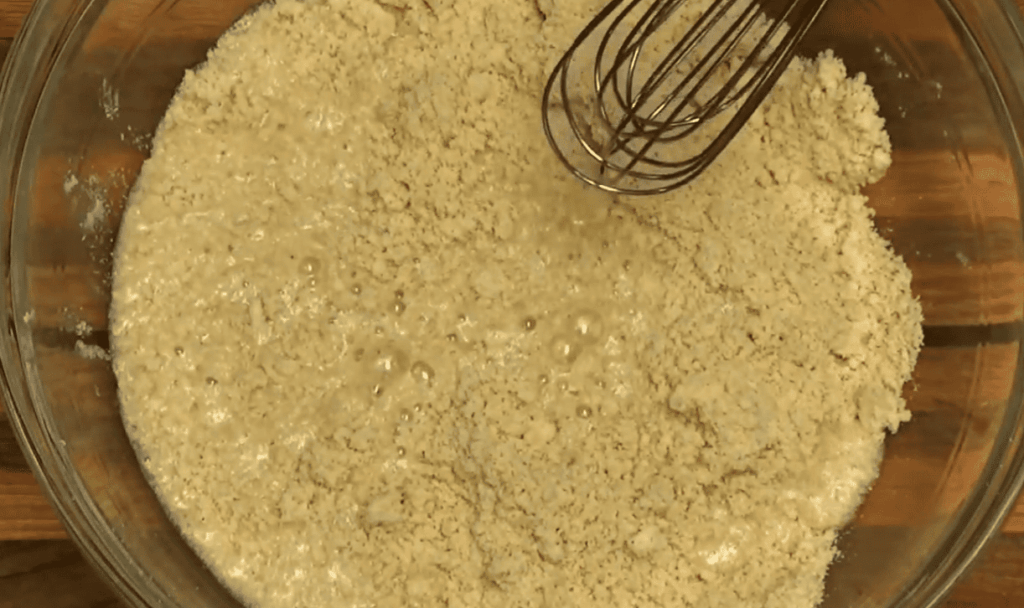
Dry or crumbly masa indicates insufficient liquid or fat. If your dough cracks when spread in your hand, add water or stock one tablespoon at a time.
Never add all liquid at once. Masa harina continues absorbing moisture after initial mixing. You can always add more but cannot remove excess.
Dense, heavy results often come from insufficiently whipped fat. Beat your lard or shortening for at least two minutes until light and fluffy before incorporating the masa.
Always include the full teaspoon of baking powder per 1.5 cups masa harina. This powder creates proper rise and texture.
Ensuring Proper Steam and Moisture Retention
Moisture retention is critical throughout cooking. Always keep your tamale covered during preparation and while resting afterward.
If steamed portions stick to their wrapper, they need more cooking time. Properly cooked tamale will pull away cleanly, typically after an hour or more.
Check your pot‘s water levels every 20-30 minutes. Running dry creates uneven cooking and dry spots. Add water as needed to maintain consistent steam.
Soggy results mean too much liquid in your filling. Aim for well-coated but not dripping ingredients. Excess moisture seeps into the dough during cooking.
For casserole versions, maintain foil covering for 15-20 minutes after baking. This allows the masa to set properly without drying out.
Conclusion
Modern kitchen innovations allow us to preserve cultural flavors while adapting preparation techniques. This approach brings authentic Mexican cuisine within reach for any home cook.
Whether you choose the casserole method or individual packets, you achieve the same delicious results. The key lies in mastering your masa harina technique for light, fluffy texture.
Don’t let the process intimidate you. Breaking it into steps makes these homemade tamales achievable for weeknight meals. Experiment with fillings like salsa verde chicken or vegetarian options.
Each attempt builds your confidence and skill. You eliminate the need for specialty items like dried corn husks. This preserves the essence of traditional recipes while fitting modern lifestyles.
Your kitchen becomes the perfect place to continue this delicious tradition. Enjoy creating memorable meals that honor authenticity through creative adaptation.