
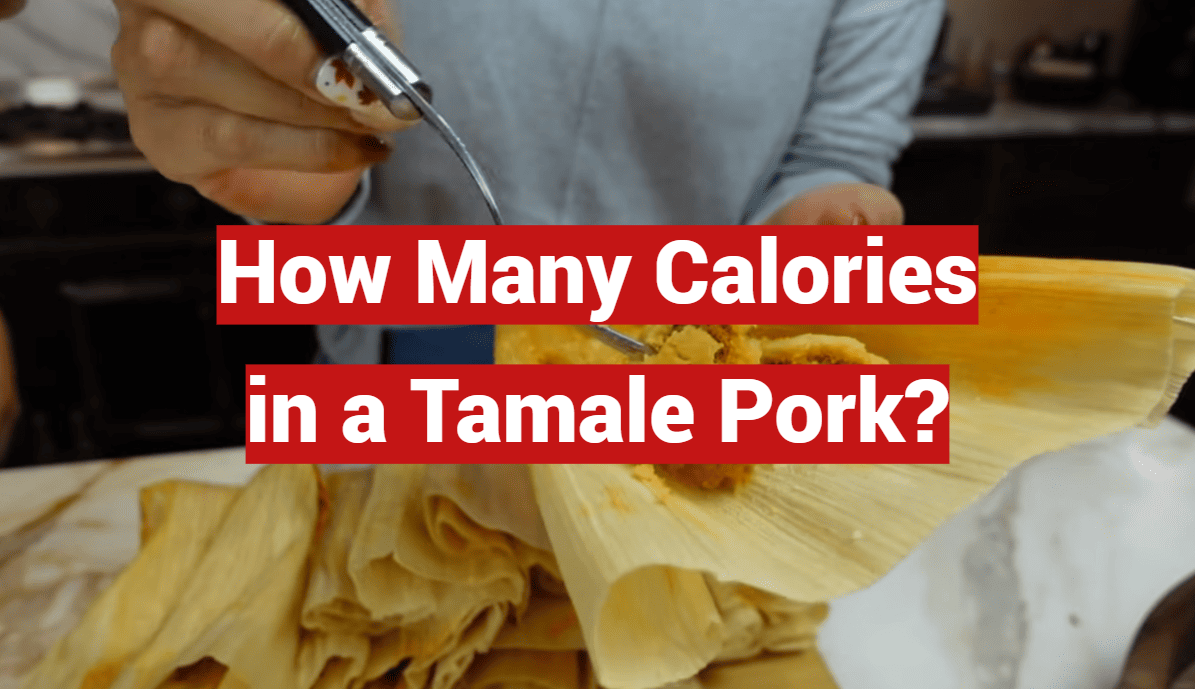
Did you know that a single, traditional dish can represent an entire cultural heritage while also fitting into a modern, health-conscious lifestyle? This is the beautiful reality of the beloved pork tamale.
In today’s world, understanding what we eat is more important than ever. Knowing the nutritional value of our favorite foods helps us make informed choices without sacrificing flavor or tradition.
So, what’s the quick answer? A standard serving of this delicious masa creation typically contains around 250 to 260 energy units. This gives you a solid starting point for your meal planning.
But there’s so much more to the story. These savory bundles are not just about a single number. They are a celebration of culture, packed with a rich nutritional profile that deserves a closer look.
This article will guide you through everything you need to know. We’ll explore the full spectrum of nutrients, discuss how portion size changes the count, and show how this classic dish can fit into various eating plans.
Remember, the final tally can change. The specific ingredients, preparation style, and overall size of the serving all play a significant role.
Consider this your friendly, comprehensive resource. Whether you’re tracking your intake, managing a health goal, or simply curious, we’ve got you covered.
Key Takeaways
- A typical pork tamale contains approximately 250-260 calories.
- Caloric content is influenced by serving size and specific ingredients.
- This traditional food offers more than just energy; it has a rich nutritional profile.
- Understanding portion control is key to enjoying tamales within a balanced diet.
- The preparation method can significantly impact the final calorie count.
- This dish can be adapted to fit various health-conscious eating approaches.
Introduction to Pork Tamales and Their Cultural Appeal
More than just a meal, tamales serve as edible history, preserving ancestral techniques and flavors through time. These savory parcels connect modern tables to ancient civilizations in a truly special way.
The Tradition Behind Tamales
The story of tamales begins with pre-Columbian cultures like the Mayans and Aztecs. They created these steamed bundles using local ingredients that remain essential today.
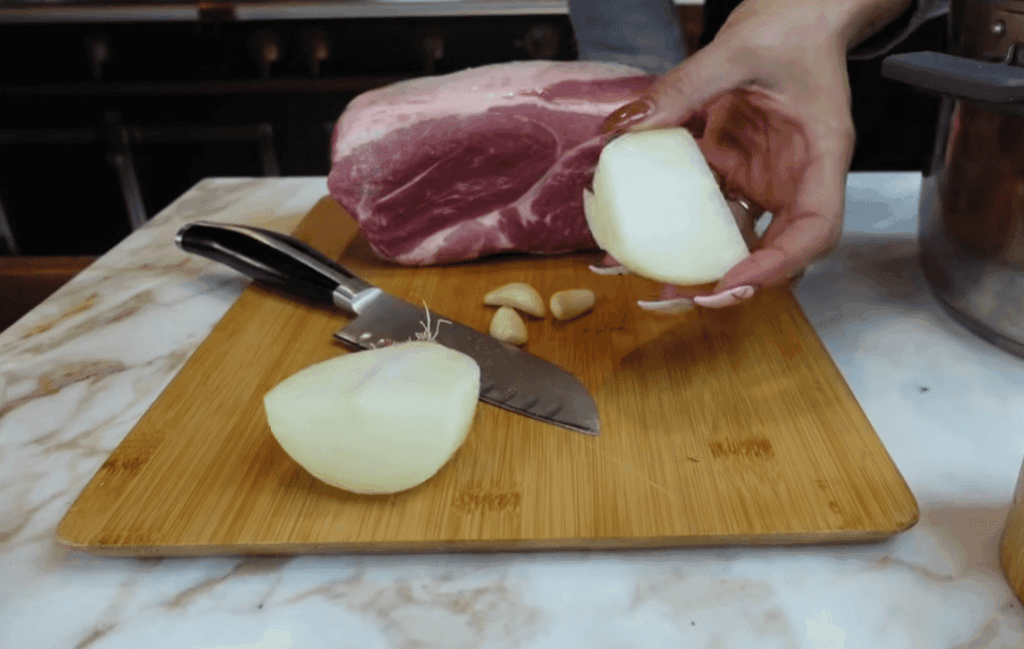
Traditional preparation involves simmering meat until tender. The seasoned filling gets wrapped in masa dough made from ground corn. This mixture then steams inside natural wrappers like corn husk or banana leaf packages.
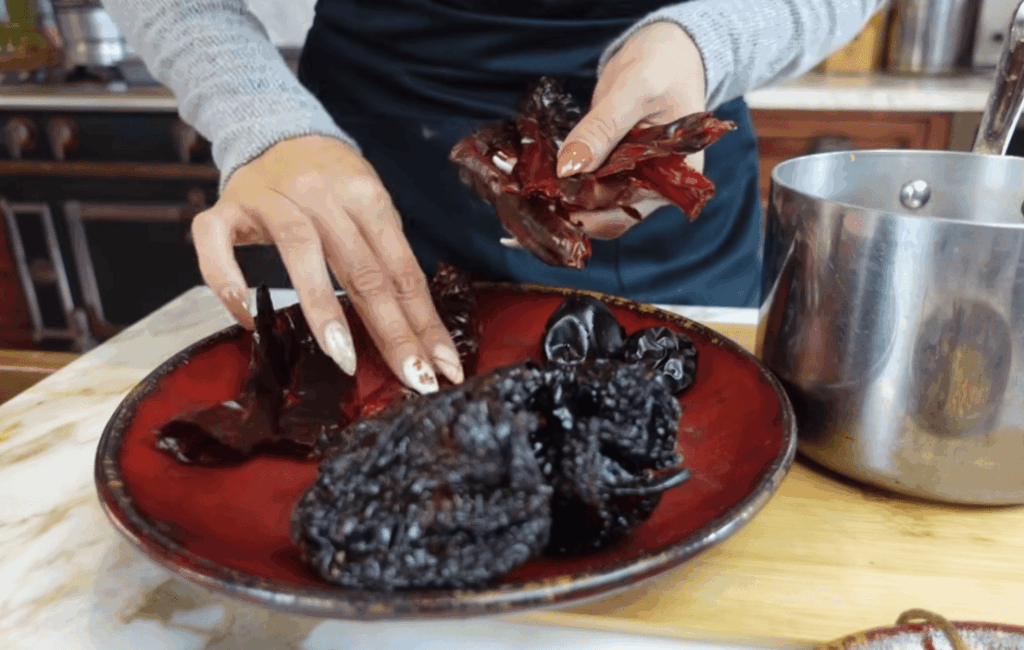
Across Latin American regions, each area adds its unique touch. From spicy mole sauces in Oaxaca to achiote-seasoned versions in Yucatán, regional diversity shines through. This food truly adapts to local tastes while maintaining its core identity.
For many people, making tamales becomes a family event that brings generations together. The process symbolizes shared heritage and communal celebration throughout Latin American cultures.
An Overview of Nutritional Importance
Understanding this traditional food‘s nutritional profile helps people make informed choices. The combination of masa and fillings creates a balanced nutritional foundation.
Corn remains central to both cultural significance and dietary value. When enjoyed mindfully, these steamed parcels can fit various eating approaches while honoring tradition.
Appreciating the craftsmanship behind each tamale enhances the dining experience. This awareness connects cultural appreciation with nutritional awareness beautifully.
Understanding how many calories in a tamale pork
Portion control plays a crucial role in enjoying cultural dishes while meeting dietary goals. The energy value of these traditional parcels depends heavily on their dimensions and ingredients.
Standard Serving Sizes and Caloric Estimates
Different sizes offer varying nutritional profiles. A small version weighing approximately 100 grams provides around 200 energy units.
Medium portions at 150 grams typically contain 250 units. Larger options reaching 200 grams can approach 300 units.
| Portion Size | Weight | Energy Units |
|---|---|---|
| Small | 100g | 200 |
| Medium | 150g | 250 |
| Large | 200g | 300 |
This means one medium serving represents about 10-12% of typical daily needs for adults. Understanding these numbers helps with meal planning.
Comparisons with Other Traditional Dishes
When compared to familiar foods, the energy content provides helpful perspective. One medium parcel equals roughly three baked chicken tenders.
Traditional dishes like burritos and enchiladas often have similar ranges. However, these steamed bundles generally contain fewer carbohydrates.
Variations occur due to ingredient quality and preparation methods. Regional recipes also influence the final nutritional profile.
This knowledge empowers informed choices about incorporating heritage foods into various eating patterns.
Macronutrient Breakdown of Pork Tamales
The unique nutritional signature of this traditional dish comes from its three primary building blocks: carbohydrates, protein, and fat. A standard serving offers a balanced mix, providing both immediate and sustained energy.
This balance is key to understanding its role in a meal. Let’s explore the details of each component.
Carbohydrates, Fiber, and Calories from Masa
The carbs in a tamal primarily come from the masa, or corn dough. A typical serving contains 20 to 25 grams of carbohydrates.
This includes 2 to 3 grams of beneficial dietary fiber. This fiber content supports slower digestion. It leads to a more gradual impact on blood sugar compared to refined grains.
This makes the carbs in these parcels a more steady energy source.
Proteins and Fats from Pork and Lard
The protein content is a significant feature. It comes directly from the pork filling. A medium-sized portion provides 10 to 15 grams of high-quality protein.
This protein supplies essential amino acids. These are vital for muscle repair and growth. Portion size directly affects your intake.
- Small: 8-10g protein
- Medium: 10-15g protein
- Large: 15-20g protein
The fat content comes from two sources: the pork and the lard used in the masa. One serving has about 13 grams of total fat.
Of this, approximately 4 grams are saturated fat. This breakdown is important for overall health awareness.
| Nutrient | Amount per Serving (142g) | Notes |
|---|---|---|
| Carbohydrates | 22g | Includes 3.4g dietary fiber |
| Protein | 11g | High-quality source from pork |
| Total Fat | 13g | From pork and traditional lard |
| Saturated Fat | 4g | Part of the total fat content |
This combination of carbs, protein, and fat creates a satisfying and energy-providing food. It can be a valuable part of a well-rounded meal.
Micronutrient Richness: Vitamins and Minerals in Tamales
The nutritional story of these steamed bundles extends far beyond their macronutrient profile to include vital micronutrients. These traditional foods offer a surprising wealth of vitamins and minerals that support overall wellness.
Understanding the complete nutrition picture helps appreciate their true value. The combination of masa and fillings creates a remarkably balanced food.
The Role of B Vitamins and Niacin
These parcels are a good source of essential B vitamins. Thiamin (B1) and Niacin (B3) play crucial roles in energy metabolism.
The traditional nixtamalization process enhances niacin’s bioavailability. This ancient technique makes the nutrient easier for your body to absorb.
Proper B vitamin intake supports nervous system function. It also helps convert food into usable energy efficiently.
Essential Minerals for Bone and Blood Health
The mineral content in these foods contributes significantly to bodily functions. Iron content supports healthy blood and helps prevent anemia.
Calcium and phosphorus work together for strong bones and teeth. Potassium plays a key role in cardiovascular health and muscle function.
These nutrition facts demonstrate the food’s comprehensive benefits. The minerals support everything from skeletal strength to blood pressure regulation.
The combination of protein, fat, and these micronutrients creates a nutritionally complete experience. This makes traditional tamales a valuable part of balanced eating.
Breakdown of Ingredients Impacting Nutrition
Every ingredient in these steamed parcels plays a specific role in shaping both flavor and nutritional value. The combination of masa, filling, and preparation methods creates the final nutritional profile.
Impact of Corn, Masa, and Lard
The foundation begins with corn transformed through nixtamalization. This traditional process treats corn with lime water, enhancing its nutritional value significantly.
This treatment increases resistant starch content, a type of fiber that supports digestive health. It also makes vitamins more available to your body. The resulting masa becomes a superior source of beneficial carbohydrates.
Traditional masa made with lard contributes to the authentic texture many people love. While it adds saturated fat, this ingredient has been used for generations. Modern versions sometimes substitute canola oil with different nutritional impacts.
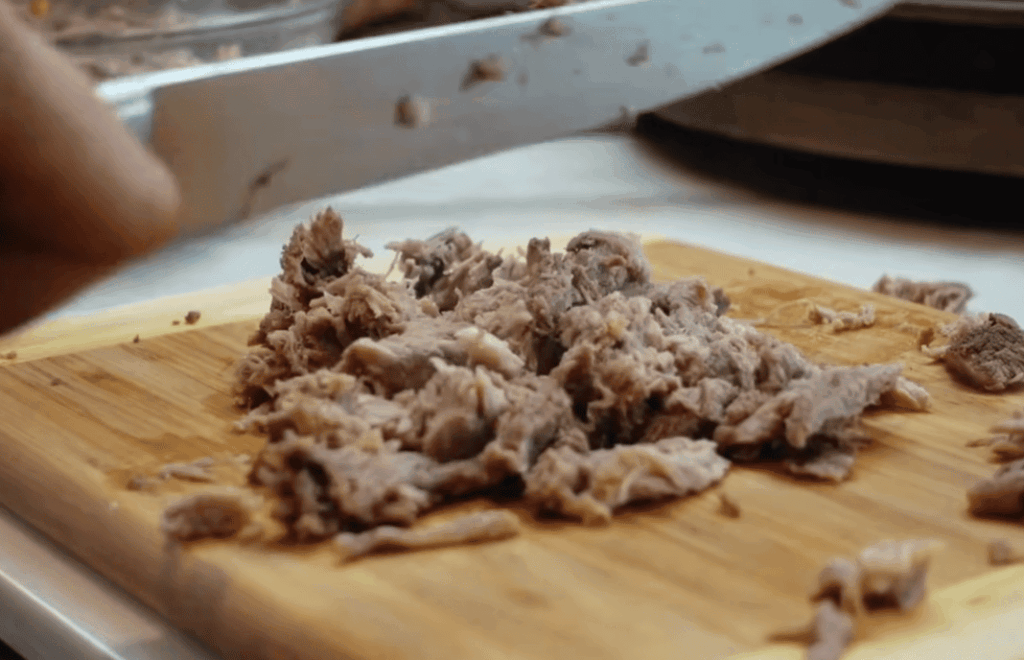
The pork filling contains seasoned meat, chile sauce, and spices. These ingredients provide high-quality protein and additional flavor complexity. Sometimes vegetables like jalapeños add extra nutrients.
Understanding these core ingredients helps you make informed choices. Whether preparing them at home or selecting store-bought options, knowledge of the process and components empowers better decisions about your nutrition.
Portion Control and Serving Size Considerations
Choosing the right portion is your first step to enjoying this classic dish with confidence. The physical dimensions of your tamal directly influence its nutritional impact.
Being mindful of size helps you fit this traditional food into your daily goals. It turns a guess into a conscious choice.

A Guide to Tamale Sizes and Their Values
Not all tamales are created equal. Their weight can vary significantly. This chart provides a clear reference for common portion sizes.
| Tamale Size | Approximate Weight | Estimated Energy | Protein Content |
|---|---|---|---|
| Small | 100 grams | 200 | 8-10g protein |
| Medium | 150 grams | 250 | 10-15g protein |
| Large | 200 grams | 300 | 15-20g protein |
For detailed tracking, a standard pork tamal (142g) offers a specific profile. It contains about 260 units of energy, 11g of protein, 13g of fat, 22g of carbohydrates, and 3.4g of fiber.
This detailed nutrition data is invaluable for anyone monitoring their intake.
A simple strategy for balance is pairing one tamal with a fresh side salad or steamed vegetables. This creates a more complete and satisfying meal.
Remember, sizes can differ based on the cook or brand. When possible, estimating by weight gives you the most accurate picture.
This knowledge empowers you to savor every bite without worry. You can make this beloved food work for your unique nutrition plan.
Health Benefits and Dietary Considerations
Enjoying a favorite food while supporting your well-being is a powerful combination. Traditional steamed parcels offer significant health benefits thanks to their balanced makeup.
They provide all three macronutrients. This creates sustained energy and a feeling of fullness.
Managing Blood Sugar and Diabetes with Fiber
The fiber content is a standout feature for metabolic health. A single serving provides about 3.4 grams of dietary fiber.
This nutrient is crucial for managing blood sugar levels. It slows digestion, preventing rapid spikes in sugar after eating.
For individuals managing diabetes, this makes tamales a thoughtful choice. The combination of fiber and protein works together to stabilize glucose.
The synergy between fiber and protein in traditional foods can be a valuable tool for glycemic control.
The nixtamalization process increases resistant starch. This special carbohydrate further aids blood sugar control and supports gut health.
For cholesterol management, the fiber is beneficial. It’s wise to balance this with the saturated fat content in your overall intake.
| Fiber Benefit | Impact on Health | Consideration |
|---|---|---|
| Slows Digestion | Prevents blood sugar spikes | Ideal for diabetes management |
| Promotes Satiety | Helps control overall intake | Aids in weight management |
| Lowers Cholesterol | Supports heart health | Balance with fat intake |
Most Americans fall short on recommended fiber intake. Including a tamal can help close this gap deliciously.
The high-quality protein also contributes to lasting fullness. This can prevent overeating later, supporting your health goals.
Key Factors Influencing Caloric and Nutritional Value
Understanding what makes each traditional parcel unique nutritionally begins with examining its preparation variables. The choices made during creation significantly impact the final health profile.

Cooking Methods and Ingredient Variations
Steaming stands out as a particularly health-conscious cooking method. Unlike frying, it doesn’t add extra fat during preparation. This preserves the natural qualities of the core components.
Ingredient selection plays the most substantial role. Using traditional lard in the masa dough contributes to saturated fat content. Modern recipes often substitute vegetable oils for a different nutritional impact.
The type of meat selected dramatically affects the protein-to-fat ratio. Leaner cuts provide more protein with less fat. Fattier traditional cuts offer richer flavor but higher energy content.
Regional and family recipes introduce further variation. Some include cheese for extra calcium and protein. Others add vegetables like peppers or beans to boost fiber and micronutrients.
For individuals managing specific health conditions like diabetes, these variations matter greatly. Recipes with higher fiber and protein relative to carbohydrates support better blood sugar control.
Traditional corn-based masa makes these parcels naturally gluten-free. However, cross-contamination during preparation should be verified for those with sensitivities.
This knowledge empowers you to ask informed questions when purchasing or make conscious choices when preparing at home. You can align this beloved food with your personal health goals.
Conclusion
Ultimately, enjoying a pork tamal is about balancing flavor, tradition, and personal health goals. We’ve seen that a standard serving provides a satisfying mix of energy, protein, and beneficial fiber.
This traditional food is a good source of essential nutrients beyond its macronutrient breakdown. The fiber content is particularly valuable for managing blood sugar levels.
Mindful eating is key. Paying attention to portion size, often measured in grams, allows you to fit this delicious dish into your overall intake. Pairing it with a vegetable side creates an even more balanced meal.
Tamales offer a wonderful connection to heritage and community. You can savor them confidently, knowing their rich nutrition profile supports a healthy lifestyle when enjoyed as part of a varied diet.