
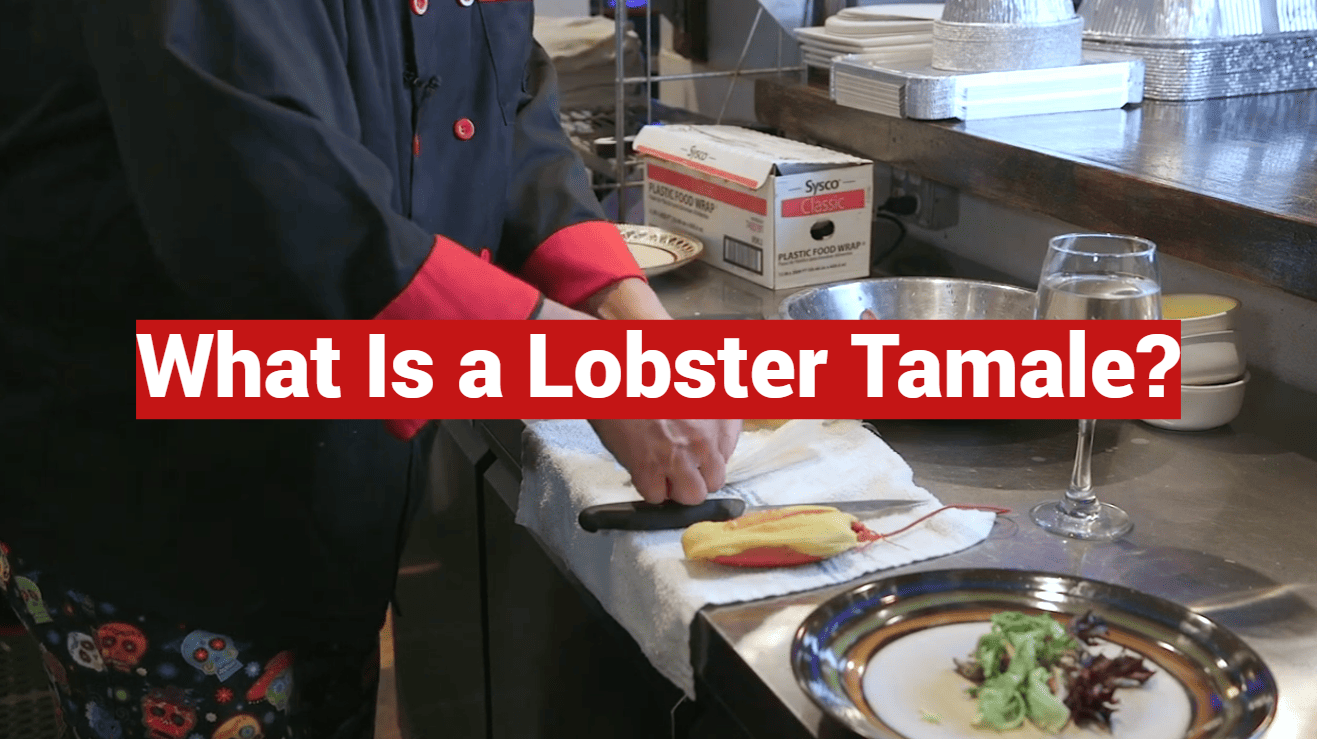
Did you know that fusion cuisine has grown by over 300% in popularity across American restaurants in the last decade? This culinary revolution brings us innovative dishes like the lobster tamale, which beautifully merges two distinct food traditions.
Many people confuse “tamale” with “tomalley,” but they’re completely different. A tamale is a traditional Latin American dish wrapped in corn husks. Tomalley refers to the green digestive gland found inside crustaceans. Understanding this distinction is key to appreciating the unique creation we’re exploring.
This innovative fusion combines traditional Mexican preparation methods with premium seafood. The result is an extraordinary culinary experience that bridges cultural boundaries. Chefs craft these delicacies using masa dough and succulent crustacean meat, often enhanced with the rich flavor of tomalley for authenticity.
Our guide will walk you through everything from cultural significance to home preparation. You’ll learn how to create restaurant-quality versions in your own kitchen. We break down each step to make the process accessible for cooks at every skill level.
Key Takeaways
- Lobster tamales represent a creative fusion of Mexican and seafood cuisines
- Tomalley is the green digestive organ, not to be confused with tamales
- This dish combines traditional masa preparation with premium crustacean meat
- Many chefs incorporate tomalley for enhanced flavor and authenticity
- Home preparation is achievable with proper guidance and techniques
- The dish reflects growing trends in cross-cultural culinary innovation
- Understanding both components leads to better appreciation and execution
Introduction to Lobster Tamale
Contemporary chefs are redefining traditional dishes by blending diverse culinary heritages. This creative approach brings us extraordinary creations that honor multiple food traditions while pushing boundaries.
Exploring the Fusion Concept
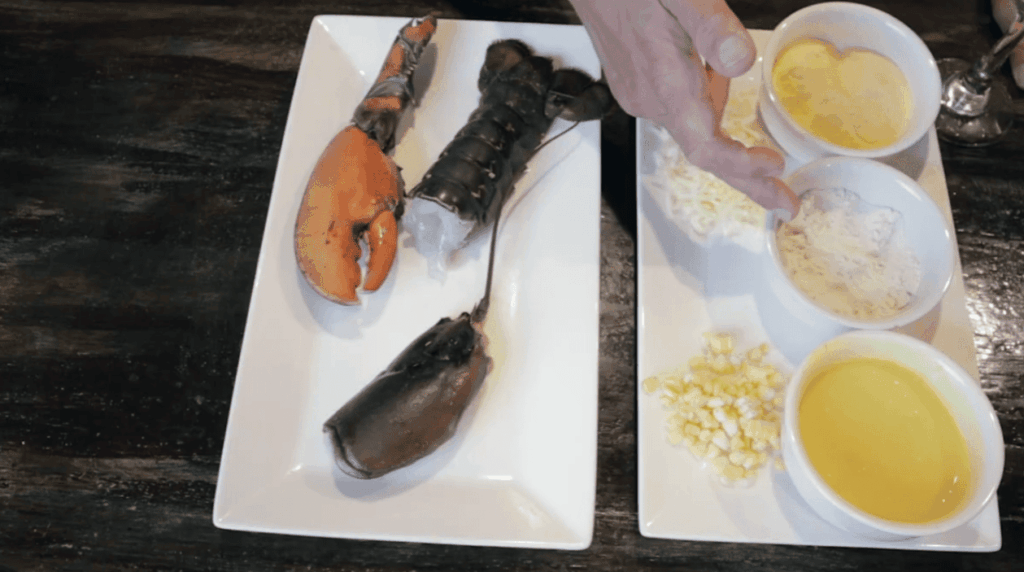
Traditional Latin American street food meets premium seafood in this innovative combination. The earthy corn masa provides a perfect canvas for sweet, tender crustacean meat.
Many chefs enhance the flavor profile by incorporating tomalley. This practice connects to sustainable cooking methods that use the whole animal.
Culinary Significance in Modern Cooking
This fusion represents evolving trends in contemporary gastronomy. It transforms humble comfort food into gourmet experiences perfect for special occasions.
Despite the luxurious ingredients, home preparation is achievable with proper guidance. The process brings restaurant-quality results to your kitchen any time you desire an impressive meal.
Understanding Lobster Tomalley and Its Role
Chefs prize the rich, creamy paste from crustaceans for its ability to elevate seafood dishes with intense flavor. This substance represents one of seafood’s most intriguing culinary components.
What is Tomalley?
The soft, green paste found in the body cavity serves as both liver and pancreas for the crustacean’s digestive system. When cooked, these organs transform into their characteristic vibrant color.
Unlike shrimp veins, this green substance contains no undigested food waste. Executive chefs describe the flavor as “the same flavor as a lobster, just richer and smoother in texture” with bold sea-like character.
Many culinary professionals consider it a delicacy for its concentrated flavor profile. The paste enhances sauces, soups, and butters with authentic richness. Female crustaceans typically produce a thicker, smoother consistency preferred by many chefs.
Health Considerations and Toxin Awareness
While delicious, the digestive system can accumulate environmental contaminants from surrounding waters. Studies show toxins like PCBs, dioxins, and mercury may concentrate in this substance.
The Maine Center for Disease Control & Prevention recommends that children and pregnant women avoid consumption entirely. During harmful algal blooms, paralytic shellfish poisoning becomes an additional concern.
For healthy adults, moderation remains key. Enjoying this delicacy occasionally rather than regularly helps minimize exposure while allowing you to experience its unique qualities.
what is lobster tamale: Key Ingredients and Flavor Profile
Quality components transform this fusion dish from ordinary to extraordinary through thoughtful combination. The right balance of elements creates a memorable culinary experience.
Essential Ingredients and Their Impact
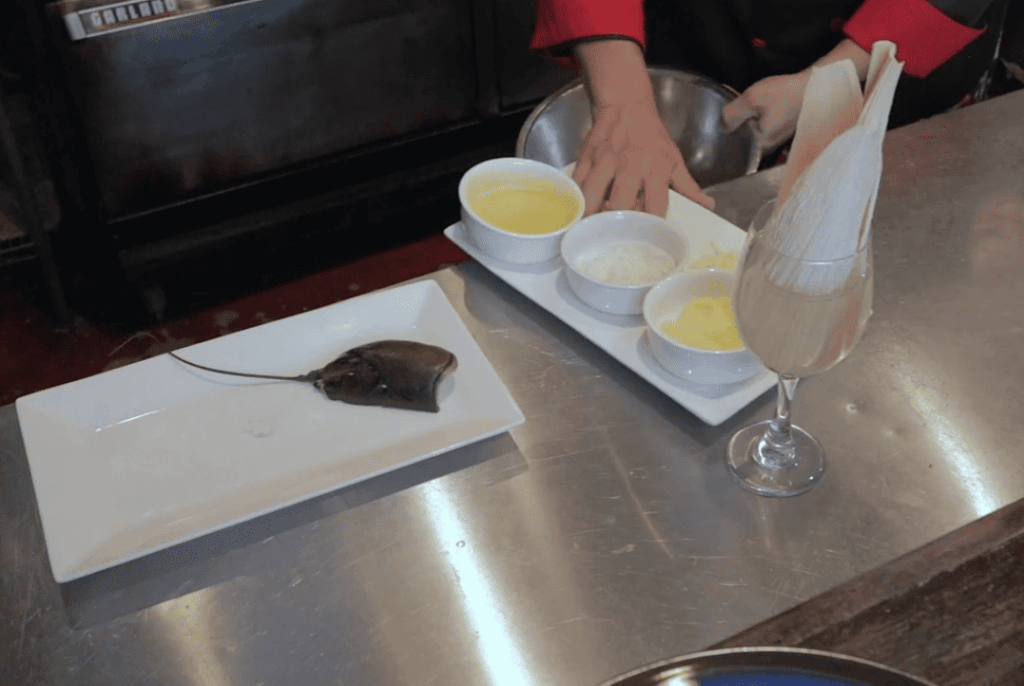
Fresh crustacean meat provides the sweet, delicate seafood essence that defines this creation. When sautéed in butter until rosy pink, it develops rich, complex notes.
The traditional corn masa foundation offers earthy sweetness that complements the seafood perfectly. This dough creates the authentic structure that makes the dish recognizable.
Butter and optional tomalley paste contribute luxurious richness. These fats carry concentrated flavor throughout the preparation.
Complementary elements like mushrooms and aromatic vegetables add depth. Seasonings such as cayenne pepper provide subtle heat without overwhelming delicate flavors.
Flavor, Texture, and Complementary Elements
The final profile balances sweet briny notes with comforting corn earthiness. Creamy, buttery elements enrich the experience while spices create harmony.
Texture plays a crucial role in the enjoyment. Tender seafood contrasts with soft yet structured masa, while vegetables provide pleasant variety.
Sauce components like cream, egg yolks, and cheese bind everything together. Mustard adds bright tang that enhances the overall flavor profile.
| Ingredient | Primary Role | Flavor Contribution |
|---|---|---|
| Lobster Meat | Star protein | Sweet, briny seafood essence |
| Corn Masa | Structural base | Earthy, slightly sweet foundation |
| Butter & Tomalley | Fat component | Rich, concentrated flavor carrier |
| Mushrooms & Vegetables | Complementary texture | Earthiness and aromatic depth |
| Cream & Egg Yolks | Sauce base | Luxurious richness and binding |
Step-by-Step How-To Guide for Making Lobster Tamale
Creating gourmet lobster tamales at home might seem complex, but our step-by-step guide makes it surprisingly approachable. Taking your time with each stage ensures restaurant-quality results that impress guests.
Preparing and Cleaning the Lobster
Begin by placing crustaceans on their backs. Use a sharp knife to split them lengthwise carefully. Remove the sand sacks from the head area and intestinal tubes running through the tail.
Extract the green tomalley innards and any red roe sacks. For smoother texture, push these through a sieve. Reserve the tail meat and other muscle meat separately from shells.
Creating the Rich Lobster Sauce
Make a proper roux with butter and flour. Gradually incorporate seafood broth while beating to avoid lumps. If using tomalley, mix it with mustard, egg yolks, and cream before combining.
Sauté the chopped tail meat in butter until rosy pink. This cooking process takes about five minutes. Incorporate complementary ingredients like mushrooms for added flavor depth.
Assembly, Stuffing, and Finishing Touches
Spread masa onto soaked corn husks in the traditional way. Create a well in the center for the filling. Portion the meat mixture appropriately and add sauce to keep everything moist.
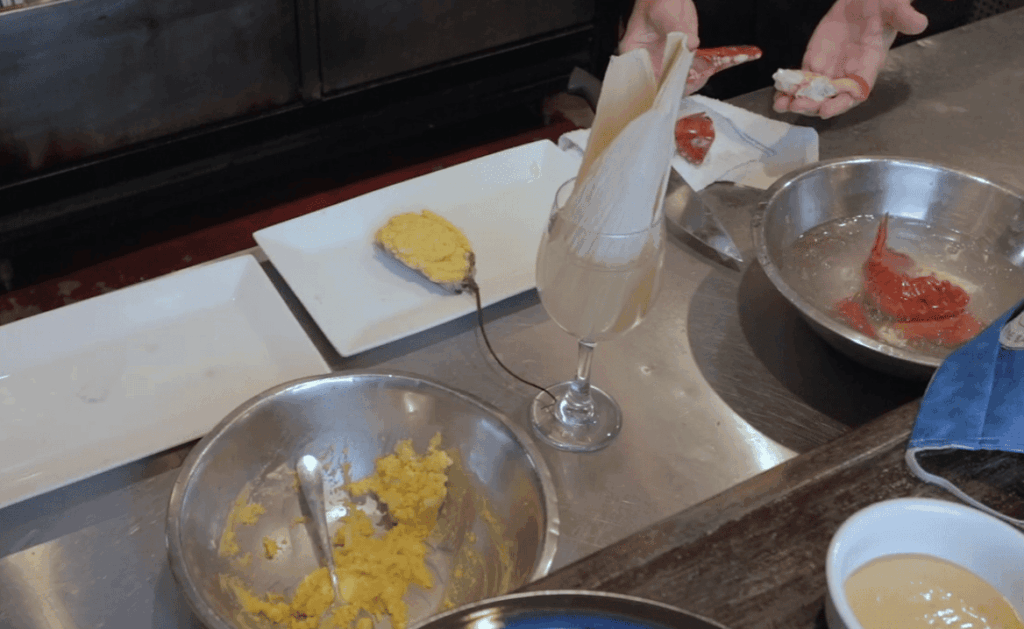
Properly fold and tie the tamales so the stuffing stays secure. Steam for 60-90 minutes depending on size. Test doneness by checking if masa pulls away cleanly from husks.
| Cooking Stage | Key Focus | Estimated Time |
|---|---|---|
| Lobster Preparation | Proper cleaning and meat extraction | 15-20 minutes |
| Sauce Creation | Flavor development and texture | 10-15 minutes |
| Assembly Process | Even distribution and secure wrapping | 20-30 minutes |
| Steaming | Thorough cooking without drying | 60-90 minutes |
Conclusion
The journey from understanding ingredients to creating memorable meals is deeply rewarding. You’ve now mastered an impressive fusion dish that bridges culinary traditions beautifully.
This creation combines comforting masa with premium seafood for special occasions. Remember the important health considerations around the green digestive organ. Enjoy it in moderation with proper awareness.
Feel free to experiment with your preparation. Use the rich paste for authentic flavor or focus on the succulent meat alone. Both approaches deliver delicious results.
Gather your ingredients and try this recipe for your next celebration. The process brings immense satisfaction and restaurant-worthy flavors to your table. Every step proves worthwhile when you taste the final masterpiece.