
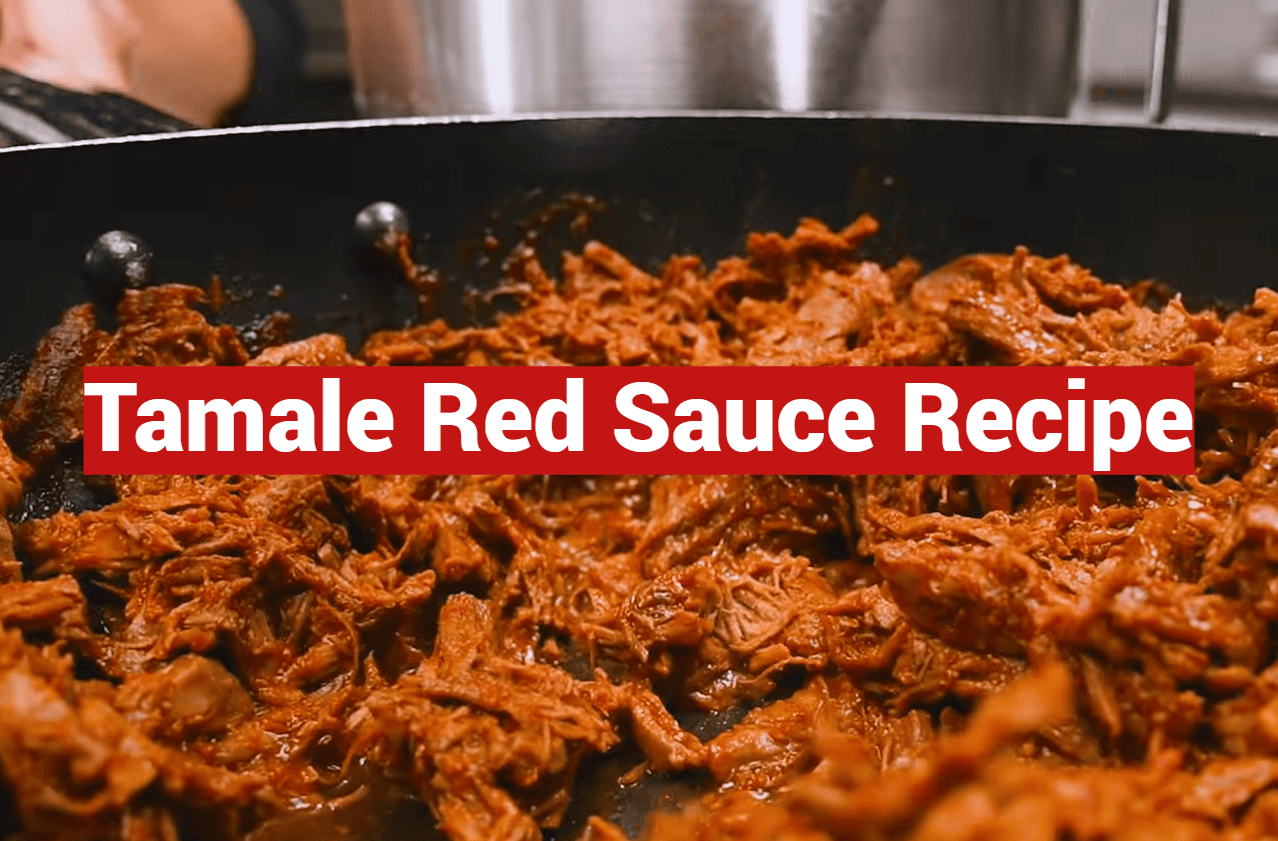
Did you know that over 90% of traditional Mexican households consider the accompanying chili-based condiment as important as the main dish itself? This flavorful companion transforms simple meals into unforgettable culinary experiences.
Creating an authentic Mexican red chile sauce from scratch elevates your homemade creations to restaurant quality. This fundamental component serves as the heart of many traditional dishes, bringing depth and character to every bite.
Our comprehensive guide walks you through both time-honored methods and modern adaptations. You’ll discover how to select the perfect dried chiles and master preparation techniques that have been passed down through generations.
Whether you’re hosting a festive gathering or simply exploring Mexican cuisine, this versatile condiment offers incredible flexibility. The same preparation works wonderfully with various meats and can even enhance vegetarian options.
Beyond its primary use, this essential mixture stores beautifully and adapts to countless recipes. You’ll be amazed at how one basic preparation can revolutionize your entire cooking repertoire.
Key Takeaways
- Learn to create authentic Mexican red chile sauce from scratch
- Discover why this preparation is essential for traditional dishes
- Master both traditional and modern adaptation methods
- Understand proper chile selection and preparation techniques
- Explore versatile uses beyond the primary application
- Learn effective storage methods for future use
- Gain confidence in creating restaurant-quality results at home
Introduction to Authentic Tamale Red Sauce
When exploring authentic Mexican cooking, one quickly discovers that the true magic often resides in the carefully crafted condiments rather than the main ingredients. This fundamental preparation represents generations of culinary wisdom passed down through Mexican families.
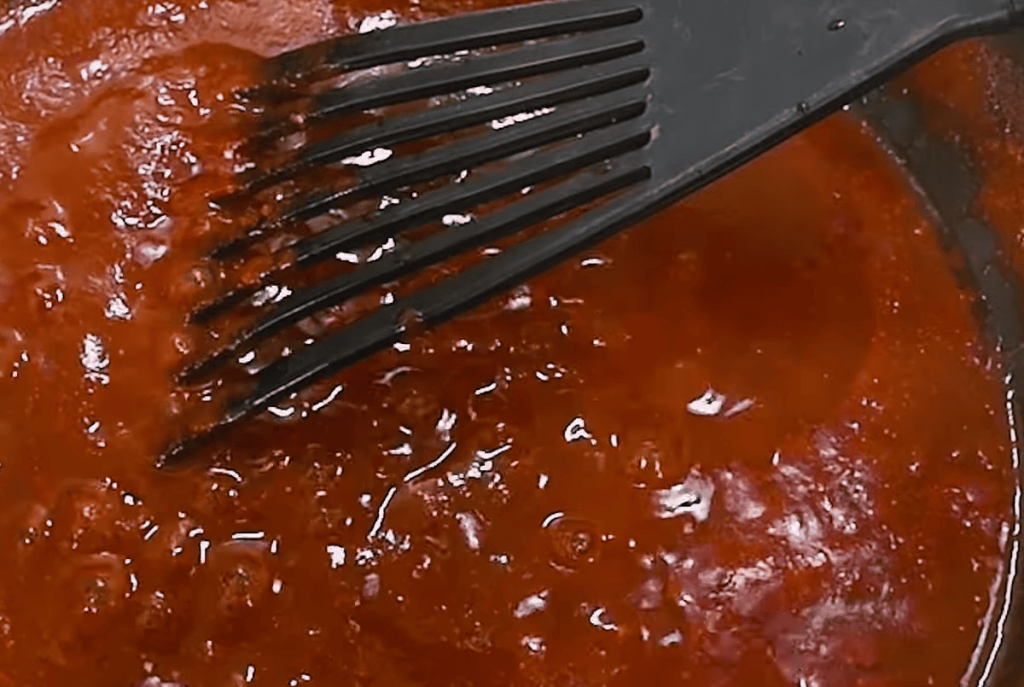
The rich, complex flavors come from using whole dried peppers rather than pre-ground powders. This traditional approach creates a more nuanced flavor profile that connects directly to authentic cooking methods.
Overview of the Recipe and Its Tradition
This preparation serves as the flavor foundation for some of Mexico’s most beloved dishes. It’s particularly essential for traditional pork variations served at celebrations.
The beauty lies in its versatility. You can customize the heat level and flavor by selecting different varieties of dried peppers to match your personal taste preferences.
The Role of Red Chiles in Mexican Cuisine
These peppers play a central role beyond just adding heat. They contribute depth, earthiness, and rich color that characterizes many traditional dishes from various regions.
Understanding their importance helps you appreciate why proper selection and preparation make such a significant difference. Well-made versions ensure every bite is packed with authentic flavor.
This introduction sets the stage for mastering an essential component of Mexican home cooking. The skills you learn will serve you well across many recipes beyond the immediate application.
Authentic Ingredients & Mexican Tradition
In Mexican cooking traditions, the careful selection of dried chiles serves as the cornerstone for building complex, layered flavors. This approach honors generations of culinary wisdom passed down through families.
Your personal taste preferences truly shine through when choosing the right peppers. Different varieties offer distinct profiles from sweet and mild to earthy and smoky.
Selecting the Best Chiles
California red chiles make an excellent base for their mild, slightly sweet character. They provide beautiful color and body without overwhelming heat.
New Mexico chiles deliver balanced, earthy flavor with moderate heat levels. These peppers are widely available throughout the southwestern United States.
Ancho chiles contribute deep, slightly smoky sweetness to your preparation. As dried poblano peppers, they add complexity that elevates the overall profile.
Pasilla chiles offer rich, slightly bitter chocolate-like notes. They work beautifully when combined with sweeter varieties.
Feel free to mix and match based on availability and taste. You might combine California chiles for body, anchos for smokiness, and a couple of arbol chiles for heat.
The key to authentic Mexican red chile sauce lies in using whole dried chiles rather than powdered versions. Whole peppers retain more essential oils for superior flavor and aroma.
Exploring the Variety of Red Chiles
Each variety of Mexican chile brings its own personality to the table, from mild sweetness to fiery intensity. Understanding these differences helps you create balanced, flavorful preparations that honor authentic traditions.
The incredible diversity available means you can customize heat levels and flavor profiles to match your preferences perfectly. This knowledge transforms your cooking from guesswork to precision.
Understanding Chile Heat and the Scoville Scale
The Scoville Scale measures pepper heat in Scoville Heat Units (SHU). This system helps you predict how much spice different chiles will contribute to your dish.
Ratings range from zero for bell peppers to millions for the world’s hottest varieties. Most Mexican chiles fall somewhere in between, offering wonderful options for every tolerance level.
| Chile Variety | Scoville Range | Heat Level | Flavor Profile |
|---|---|---|---|
| California | 500-2,500 SHU | Mild | Sweet, fruity |
| Guajillo | 2,500-5,000 SHU | Medium | Tangy, berry-like |
| Chile de Arbol | 15,000-30,000 SHU | Hot | Sharp, smoky |
| Ancho | 1,000-1,500 SHU | Mild | Sweet, raisin-like |
Remember that heat distributes throughout your final dish. A preparation that tastes quite spicy on its own may become perfectly balanced when combined with other ingredients.
It’s better to create a slightly bolder flavor profile than risk ending up with bland results. You can always adjust seasonings before final assembly, but it’s difficult to add flavor later.
Step-by-Step Cooking Process
Mastering the cooking process is essential for unlocking the full potential of your carefully selected chiles and creating a perfectly balanced final product. This phase transforms dried ingredients into a smooth, flavorful foundation.
Preparing and Simmering the Vegetables
Begin by splitting each dried pepper lengthwise. Remove all seeds and membranes to control the heat level. Use a firm brush to clean the peppers thoroughly.
Quarter tomatoes and roughly chop peppers into 1-2 inch pieces. Place them in your cooking pot with garlic cloves. Add about 2 cups of chicken stock or enough water to cover everything.
Bring the mixture to a boil over medium heat. Then reduce to low and simmer for 20-30 minutes. The vegetables should become completely soft.
Blending to Achieve the Ideal Texture
Transfer the softened vegetables and cooking liquid to your blender. Always exercise extreme caution when blending hot ingredients. Start on the lowest speed to prevent dangerous steam eruptions.
Blend until the mixture reaches a smooth, consistent texture. Stop occasionally to scrape down the sides. This ensures all pepper pieces incorporate fully.
| Pepper Type | Simmer Time | Blending Time | Texture Result |
|---|---|---|---|
| California | 25-30 minutes | 45-60 seconds | Silky smooth |
| Guajillo | 20-25 minutes | 60-75 seconds | Medium consistency |
| Ancho | 30-35 minutes | 30-45 seconds | Rich and thick |
| Arbol | 15-20 minutes | 90-120 seconds | Fine texture |
Essential Tips for Achieving Perfect Consistency
Achieving the right thickness is often the difference between a good sauce and a great one. The final texture determines how well your creation coats ingredients and delivers flavor.
Once your blended mixture reaches smooth perfection, return it to the original pan. Simmer for about 15 minutes to allow slight thickening and flavor concentration.
Balancing Liquid and Flavor
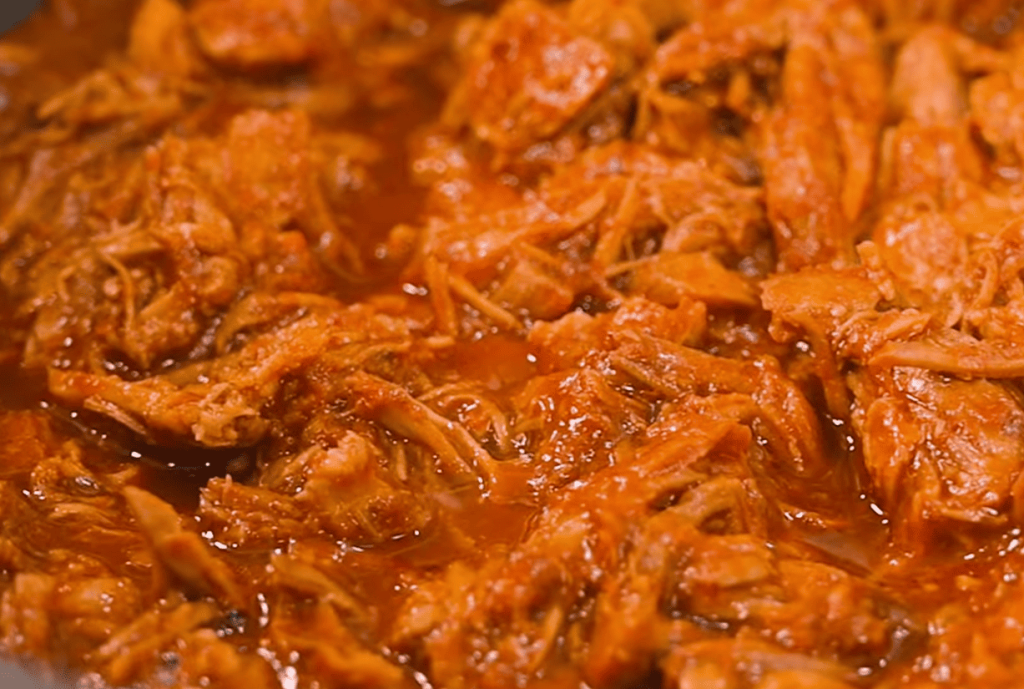
Your finished product should pour like thin gravy—not pasty or watery. This balance ensures proper coating without sogginess. The ideal consistency allows flavors to absorb beautifully.
If the mixture seems too thick after simmering, gradually whisk in small amounts of water or stock. Add just a tablespoon at a time until you reach the desired texture.
When the liquid appears too thin, let it simmer uncovered for extra minutes. This allows excess water to evaporate, creating a richer, more concentrated result.
| Consistency Issue | Solution | Amount to Adjust | Result |
|---|---|---|---|
| Too thick | Add liquid gradually | 1-2 tbsp at a time | Perfect pourable texture |
| Too thin | Simmer uncovered | 5-10 extra minutes | Rich, concentrated flavor |
| Dark liquid | Strain and replace | Fresh stock instead | Clean, vibrant color |
This preparation yields approximately one quart—perfect for numerous servings. Taste during the final cooking time and adjust seasonings as needed. The flavors should be slightly intense since they’ll distribute across multiple portions.
Don’t rush this crucial step. Perfecting the consistency and liquid balance now pays off significantly in your final culinary results.
Using the Sauce in Traditional Tamale Variations
Applying your homemade chile mixture to various fillings reveals its remarkable versatility and depth. This traditional preparation adapts beautifully to different protein choices, allowing you to create authentic flavors for every preference.
Adapting for Pork, Beef, and Chicken Tamales
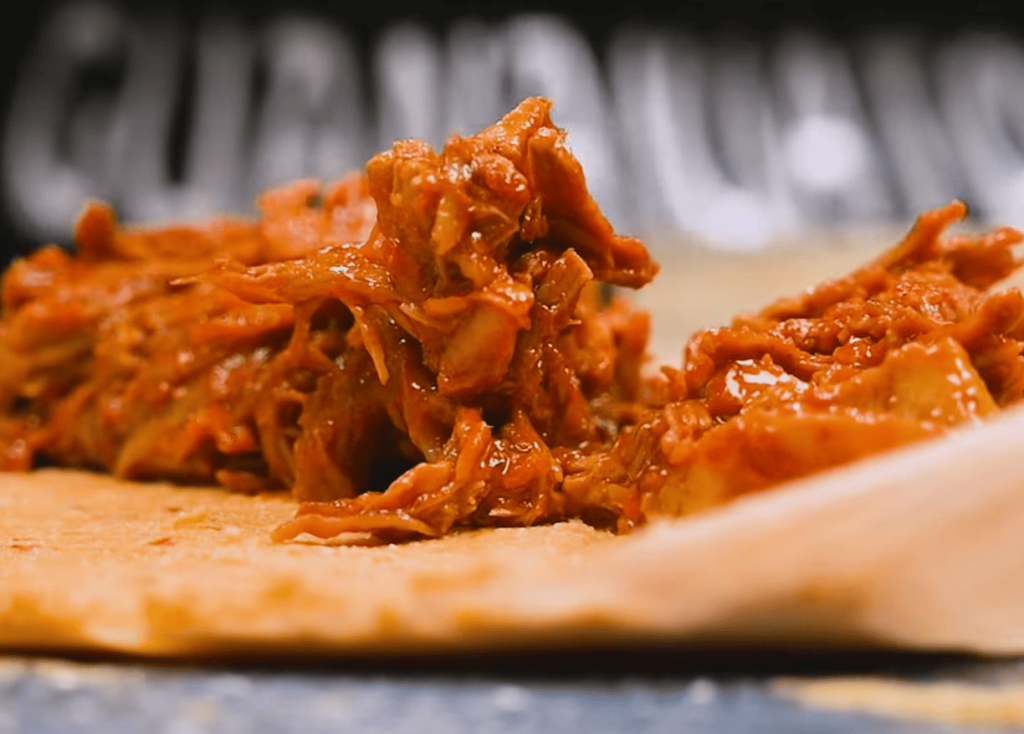
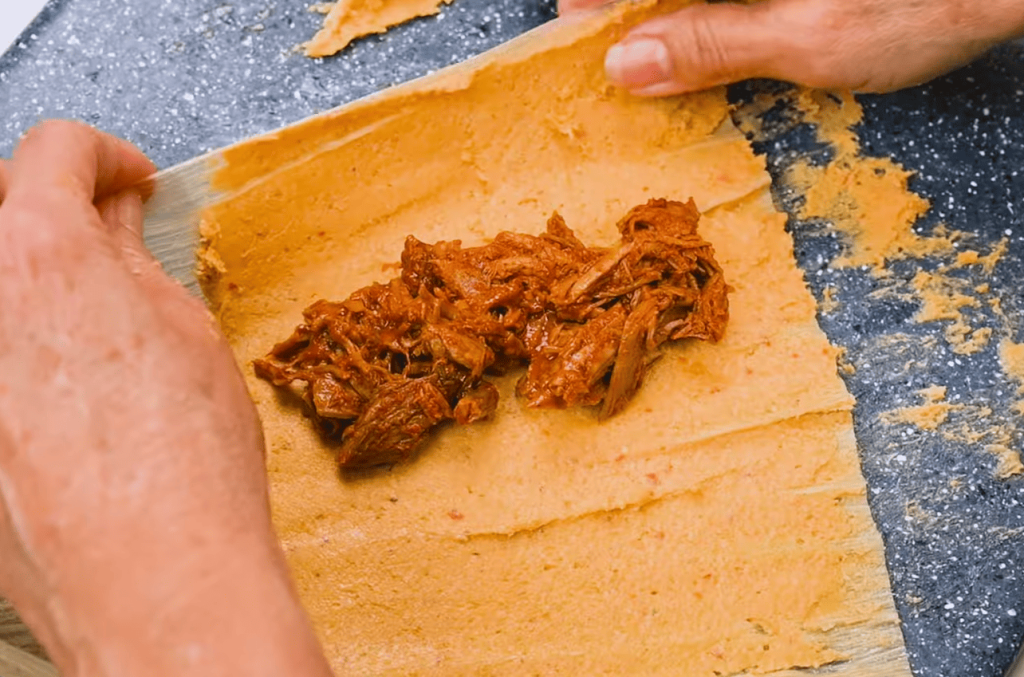
Traditional pork tamales benefit most from this rich chile blend. The preparation complements the meat’s natural richness while adding beautiful color. Reserve about half a cup to mix into your masa dough for extra flavor.
The majority of your mixture should coat shredded pork thoroughly. Whether you use a slow cooker or roast, every strand absorbs the spicy goodness. This creates the classic filling loved in Mexican households.
For beef variations, the robust character stands up well to stronger flavors. Shredded roast or barbacoa-style beef cheek work wonderfully. The chile mixture enhances the meat without overpowering it.
When making chicken tamales, many cooks prefer green tomatillo-based preparations. However, this version still works nicely with poultry. The choice depends on your desired flavor profile.
Vegetarian options adapt easily by using vegetable stock instead of chicken stock. Cheese, bean, or vegetable fillings all benefit from the spicy coating. Plan to use your preparation within 3-4 days for optimal freshness when you make tamales.
Mastering the tamale red sauce recipe
Many home cooks are surprised by the generous amounts of spices called for in traditional preparations. This intentional intensity serves a specific purpose in authentic Mexican cooking.
Enhancing Flavors with Additional Spices
The basic recipe calls for approximately one tablespoon each of ground cumin, Mexican oregano, and salt. While this might seem excessive, remember the mixture distributes across forty-five or more tamales.
Ground cumin adds earthy warmth fundamental to Mexican cuisine. It complements the chile peppers beautifully. Mexican oregano differs from Mediterranean varieties, offering citrusy notes that enhance complexity.
Salt proves crucial for bringing out all the flavors in your creation. Without proper seasoning, even quality chiles taste flat. Don’t hesitate with salt at this stage.
This preparation functions as a filling component rather than a table condiment. It needs stronger flavor since it mixes with meat and masa. For enchiladas or topping use, reduce seasonings to one teaspoon each.
Consider adding a teaspoon of garlic powder if you skipped fresh garlic. A pinch of ground cinnamon adds depth, while black pepper offers complexity. Always taste before final use and adjust to preference.
You might add a teaspoon of sugar to balance acidity or extra ground spices for customization. This flexibility lets you perfect the flavor profile for your specific needs.
Quick Alternatives: Tex-Mex Style Red Chile Sauce
For those moments when traditional preparation isn’t feasible, a quick alternative can still satisfy your craving for rich chile flavor. This version captures the essence of Tex-Mex cuisine with remarkable efficiency.
You can create this delicious chile sauce in just fifteen minutes. It yields approximately two cups, perfect for a dozen servings. The method requires no roasting or complex steps.
No-Roast, Creamy Variations with Adobo Sauce
Begin by melting two tablespoons of butter in a small pan over medium heat. Sprinkle three tablespoons of flour evenly across the surface. Whisk continuously until a smooth paste forms.
Gradually add two cups of vegan beef-style stock, whisking after each addition. This creates a smooth, slightly thickened base. Reduce to low heat and simmer for about five minutes.
The magic ingredient is one tablespoon of adobo sauce from canned chipotles. This provides instant smoky, spicy flavor without preparing dried peppers. Add two teaspoons of taco seasoning for that familiar Tex-Mex profile.
Finally, stir in ¼ cup of shredded mild cheddar cheese. Whisk until it melts completely into the sauce. The result is a creamy, rich texture that coats beautifully.
This quick chile sauce offers a different character than traditional versions. It’s creamier, milder, and features appealing smoky chipotle notes. Many find this approach more accessible than pure pepper-based preparations.
How to Store and Reheat Your Homemade Sauce
Proper storage techniques can transform your homemade creation from a single-use delight into a versatile kitchen staple ready for multiple meals. Planning ahead saves valuable time during busy cooking sessions.
Your flavorful preparation maintains its best quality when stored correctly. Follow these simple methods to preserve that vibrant color and rich character.
Refrigeration and Freezing Tips
Allow your finished creation to cool completely before storage. This prevents temperature changes in your refrigerator. Transfer to airtight containers for best results.
Refrigerated storage keeps your preparation fresh for 3-4 days. For longer preservation, freezing works beautifully up to six months. Consider portioning into 2-cup amounts for convenience.
| Storage Method | Duration | Container Type | Quality Notes |
|---|---|---|---|
| Refrigeration | 3-4 days | Airtight glass or plastic | Maintains fresh flavor |
| Freezing | 6 months | Freezer-safe bags or containers | Texture may change slightly |
| Room Temperature | 2 hours maximum | Covered bowl | For immediate use only |
Reheating requires gentle warmth in a pot over low heat. Stir occasionally to prevent sticking. If thickness increases during storage, add a splash of water or broth to restore perfect consistency.
Frozen preparations should thaw overnight in the refrigerator. This maintains food safety while preserving that beautiful color you worked so hard to achieve.
Conclusion
Your exploration of traditional cooking methods has equipped you with skills that extend far beyond a single application. The techniques you’ve mastered for this flavorful preparation serve as a foundation for countless Mexican recipes.
Whether you choose the authentic method or quicker variations, you can now create delicious dishes that honor tradition. The knowledge of working with dried chile peppers and achieving perfect consistency translates beautifully to other Mexican cooking.
Remember that personal preference guides great cooking. Adjust heat levels and ingredients to suit your taste. Your homemade versions will always surpass store-bought alternatives in flavor and authenticity.
This versatile sauce enhances not just traditional tamales but also enchiladas, tacos, and many other dishes. With corn-based masa as the foundation, these creations remain naturally gluten-free.
Your journey into authentic Mexican flavors has just begun. Share these delicious traditions with friends and family, creating memorable meals together.