
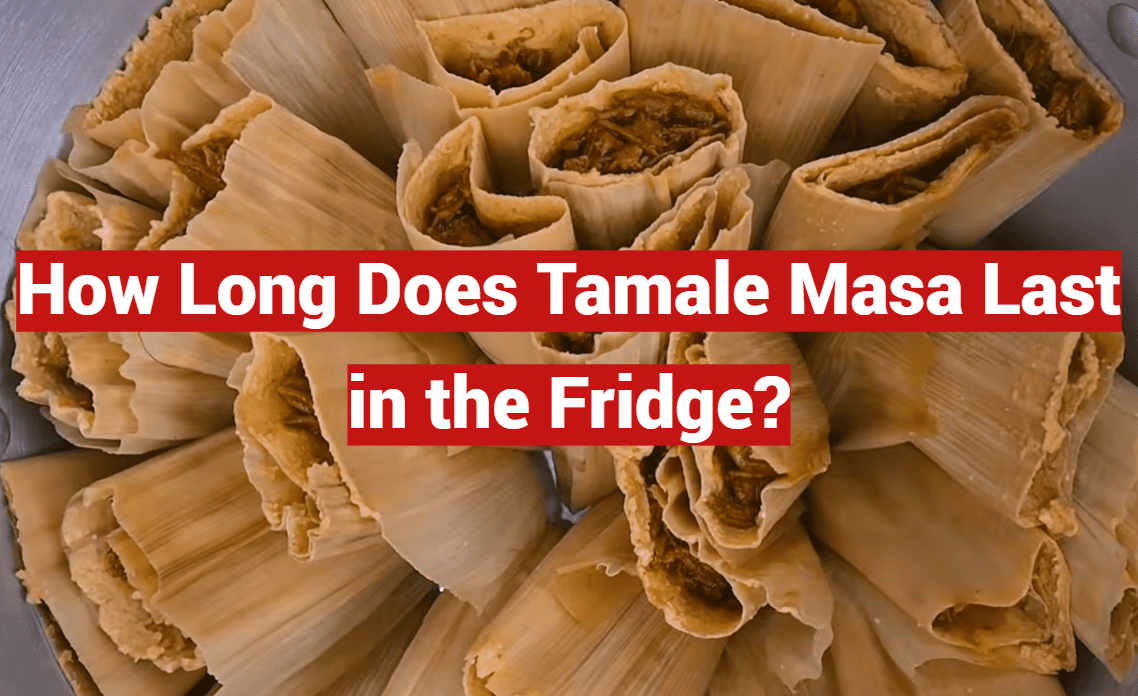
Every year, countless batches of homemade tamales are prepared with love, yet a surprising number are made with dough that has passed its prime. Knowing the shelf life of your corn dough is the first step to culinary success.
This traditional foundation for many Mexican dishes is called masa. It is crafted from nixtamalized corn. Proper care of this ingredient is crucial for both flavor and safety.
Understanding storage guidelines helps home cooks prevent waste. It also ensures your tamales turn out perfectly. This knowledge saves money and protects your family’s health.
Our guide covers refrigerator times and freezing options. We will also explore signs of spoilage. You will learn the difference between fresh masa and masa harina.
We provide actionable advice based on traditional practices. Our tips follow modern food safety standards. This makes it easy to enjoy delicious, authentic meals anytime.
Key Takeaways
- Fresh, uncooked corn dough typically remains good for 3 to 5 days when chilled properly.
- Cooked products made from this dough can often last between 7 and 10 days.
- Correct storage is essential for maintaining freshness and preventing foodborne illness.
- Recognizing the signs of spoilage helps you avoid using bad ingredients.
- Freezing is an excellent option for extending the life of your dough significantly.
- There is a key difference in storage needs between fresh dough and pre-made dry mixes.
- Following these simple steps ensures your homemade dishes are both safe and delicious.
Introduction to Tamale Masa and Its Importance
More than just a cooking staple, this corn-based foundation carries the weight of centuries-old traditions in every batch. It represents a living culinary heritage passed through generations.
The significance of this ingredient extends far beyond the kitchen. It connects modern cooks to ancestral practices and cultural identity.
The Cultural Significance of Masa
This versatile corn dough serves as the soul of Mexican and Central American cuisine. Families prepare special dishes for holidays like Christmas and Día de los Muertos.
Weddings and family gatherings often feature these traditional meals. The preparation becomes a communal activity that strengthens bonds.
“The making of masa-based foods is not just cooking—it’s a celebration of heritage and family unity.”
Overview of Shelf Life Challenges
Despite its cultural importance, this perishable ingredient presents storage difficulties. Proper handling ensures authentic flavor and safety.
Many home cooks face uncertainty about preservation time. Understanding these challenges prevents waste and maintains quality.
| Dish Type | Primary Use | Cultural Region | Storage Sensitivity |
|---|---|---|---|
| Tamales | Celebratory meals | Mexico | High |
| Tortillas | Daily staple | Throughout Latin America | Medium |
| Pupusas | Street food | El Salvador | Medium-High |
| Gorditas | Snacks | Mexico | Medium |
Each preparation demands specific care techniques. Mastering storage extends enjoyment of these cultural treasures.
What is Masa? Exploring Fresh and Masa Harina
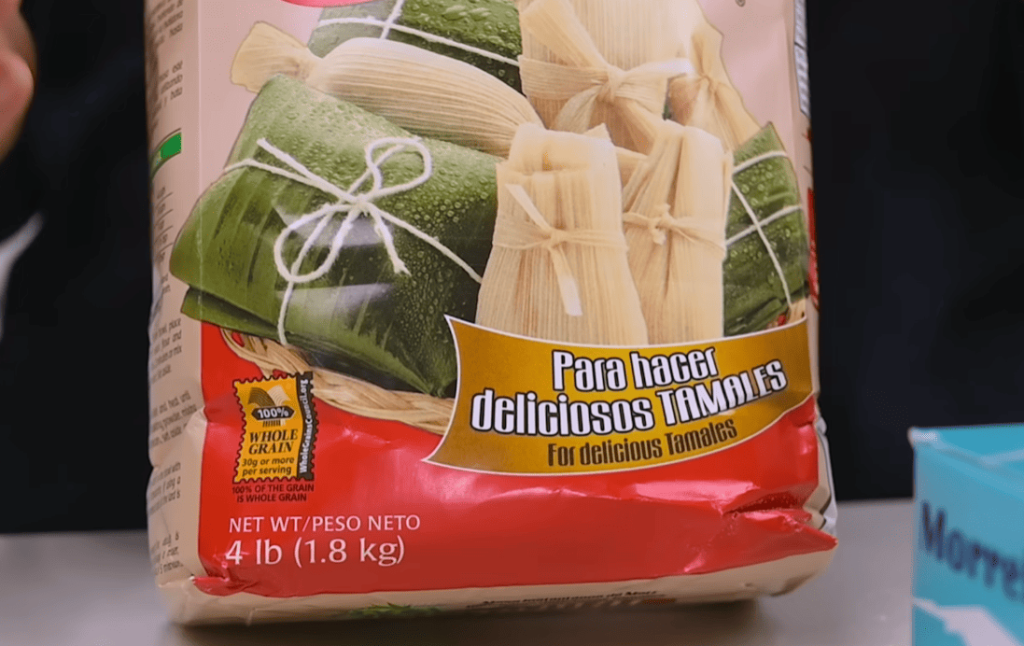
Understanding the foundation of authentic tamales begins with mastering the two primary forms of corn dough available to home cooks. This traditional ingredient, called masa, starts with nixtamalized corn.
The nixtamalization process involves soaking corn in an alkaline solution. This ancient technique enhances nutrition and digestibility. It creates the distinctive flavor profile cherished in Latin cuisine.
Fresh Masa from Tortillerias
Fresh masa offers the most authentic experience. Tortillerias provide this ground corn dough in two main varieties. Unprepared masa contains just corn and water, perfect for corn tortillas.
Prepared masa includes added fats and seasonings. It comes ready for immediate use. You’ll find smooth-grind for tortillas and coarse-grind for specific dishes.
“The texture of freshly ground corn dough cannot be replicated—it carries the soul of generations of traditional cooking.”
Masa Harina: Convenience Meets Tradition
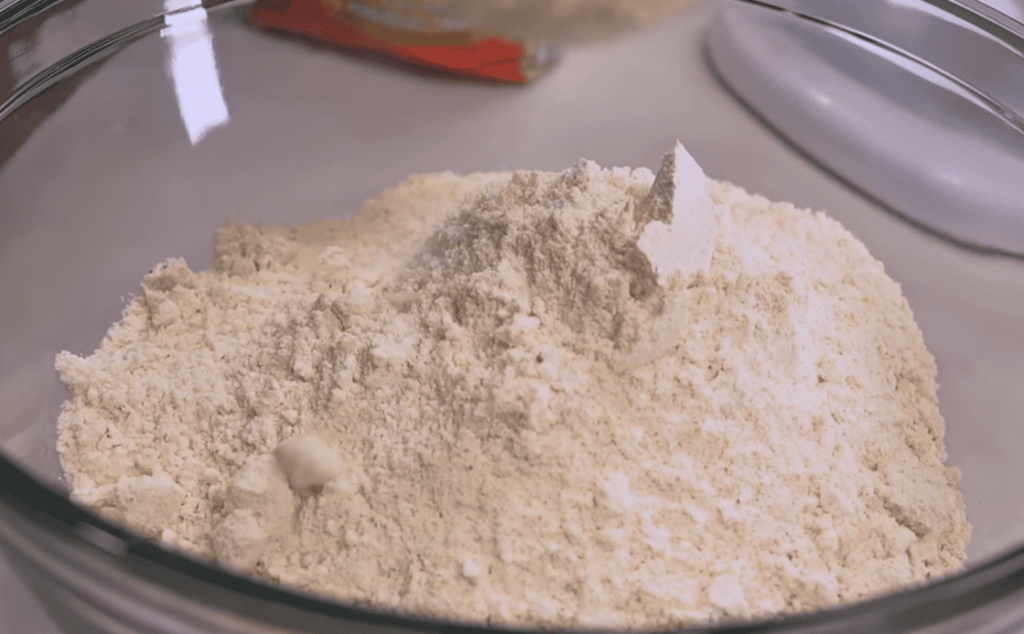
Masa harina provides a practical alternative. This dried corn flour rehydrates with water to create instant dough. The harina stores beautifully in your pantry.
Many brands offer coarse-ground masa harina specifically for tamales. While different from fresh, this flour delivers consistent results. It maintains the essential corn flavor.
| Feature | Fresh Masa | Masa Harina |
|---|---|---|
| Preparation Time | Ready to use | Requires mixing |
| Shelf Life | 3 days refrigerated | 6 months stored |
| Flavor Profile | Deeper corn taste | Consistent results |
| Texture Options | Smooth and coarse | Various grinds available |
Both options serve traditional recipes wonderfully. Your choice depends on availability and preparation time. Each brings unique qualities to your cooking.
How Long Does Tamale Masa Last in the Fridge?
The clock starts ticking on freshness the moment you bring your masa home from the market. Different types of corn dough have varying storage timelines in your refrigerator.
Shelf Life for Fresh vs. Cooked Masa
Fresh, uncooked corn dough typically maintains quality for 3 to 5 days when chilled correctly. Plain unprepared masa stays at its best for about 3 days.
Prepared masa with added fats can last up to one week. Cooked products like tortillas enjoy a longer shelf life of 7 to 10 days.
Smooth-ground fresh masa makes ideal tortillas when used within 12 hours. Refrigeration extends this window slightly, though texture may change.
Factors Affecting Masa Freshness
Several elements influence how long your masa remains usable. The initial freshness when purchased matters greatly.
Consistent temperature control is vital. Your refrigerator should stay below 40°F (4°C) to slow bacterial growth effectively.
Humidity levels and how often you open the container impact shelf life. Cross-contamination from other foods can also reduce storage time.
Remember these are general guidelines. Always check your fresh masa for signs of spoilage before use. Proper storage techniques maximize your unprepared masa‘s potential.
Proper Storage Techniques for Tamale Masa
The key to preserving your masa’s quality lies in implementing smart storage strategies. Simple steps make a significant difference in maintaining freshness and safety. Proper techniques ensure your corn dough remains perfect for cooking.
Using Airtight Containers
An airtight container provides the best protection for your masa. This essential tool prevents air exposure that causes drying and contamination. You can use the original bag from the tortilleria, but a proper container offers superior protection.
Press out excess air before sealing to minimize oxidation. This helps the dough maintain its proper consistency. Label each container with the purchase date for easy tracking.
Keep unprepared and prepared masa in separate containers. Clear labeling prevents confusion during cooking. This organization system simplifies your kitchen workflow.
Optimal Refrigerator Settings
Your refrigerator should maintain a temperature below 40°F (4°C). This setting effectively slows bacterial growth. Consistent cooling preserves the quality of your stored masa.
Place the container on a middle or upper shelf. Avoid the door where temperature fluctuations occur. This stable environment keeps your masa fresh longer.
Store masa away from raw meats and strong-smelling foods. The corn dough easily absorbs odors and can become contaminated. Proper placement prevents cross-contact issues.
These straightforward methods require minimal effort but deliver maximum freshness. Your masa will stay ready for delicious culinary creations.
Best Practices for Freezing Tamale Masa
Freezing transforms your corn dough from a short-term ingredient into a long-term kitchen staple. This preservation method extends usability for several months. Proper technique ensures quality remains excellent.
Preventing Freezer Burn
Air exposure causes freezer burn, damaging texture and flavor. Use heavy-duty freezer bags or airtight containers. Remove all air before sealing your packages.
Flatten the dough with a rolling pin inside bags. This saves space and promotes even freezing. The process takes minimal time but offers maximum protection.
Labeling and Portioning for Future Use
Divide larger quantities into single-use portions. This prevents repeated thawing and refreezing. Label each package with date and contents clearly.
Smaller batches make future cooking more convenient. You’ll have just what you need for spontaneous meal preparation. Organization simplifies your kitchen workflow.
| Freezing Method | Storage Duration | Best For | Protection Level |
|---|---|---|---|
| Heavy-duty freezer bags | 3-6 months | Space saving | Excellent |
| Airtight containers | 3-6 months | Portion control | Good |
| Vacuum sealing | 6+ months | Long-term storage | Superior |
Following these steps guarantees fresh-tasting results months later. Your frozen corn dough will be ready whenever inspiration strikes. This approach makes traditional cooking more accessible.
How to Defrost Frozen Masa for Tamales
Proper thawing methods ensure your preserved corn dough maintains its authentic qualities. The transition from freezer to preparation requires careful attention to temperature and timing.
Thawing Safely in the Refrigerator
The safest approach involves moving your frozen masa from the freezer to the refrigerator. Plan for at least 24 hours of thawing time before your cooking schedule.
This gradual process keeps the dough within safe temperature ranges. It prevents bacterial growth while maintaining texture integrity.
For same-day preparation, room temperature thawing offers an alternative. Place the frozen masa on your counter early in the morning.
Warmer kitchens work best for this method. Cool environments may require additional time for complete thawing.
Avoid quick-thaw techniques like hot water baths or microwave defrosting. These can create uneven temperatures and affect your final recipe results.
| Thawing Method | Time Required | Safety Level | Best For | Texture Results |
|---|---|---|---|---|
| Refrigerator | 24+ hours | Excellent | Planning ahead | Consistent |
| Room Temperature | 4-6 hours | Good | Same-day use | Variable |
| Quick Methods | Under 1 hour | Poor | Emergency only | Compromised |
After thawing, your masa may feel denser than fresh dough. This is normal due to ice crystal formation during freezing.
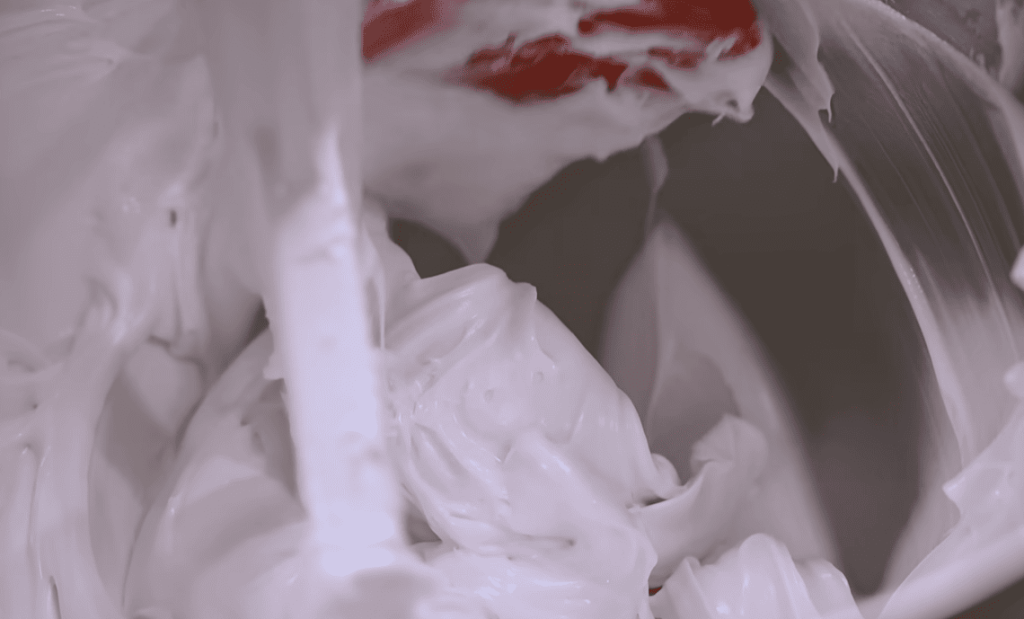
Revive the texture by placing it in a large bowl. Gradually add vegetable broth or water while beating with an electric mixer.
Test the consistency by pressing the dough between your fingers. It should feel pliable and smooth before spreading on corn husks.
Well-prepared thawed masa performs beautifully in your masa tamales recipe. It delivers the same delicious results as fresh dough.
Safety and Quality Considerations for Masa Storage
Your safety and enjoyment depend on recognizing when masa has gone bad. Proper inspection ensures your ingredients maintain quality and safety standards.
Always perform a quick sensory check before using any corn dough. This simple habit prevents potential health issues.
Recognizing Signs of Spoilage
Fresh masa has a pleasant, neutral corn aroma. It should never smell sour or unpleasant.
Texture changes provide clear warning signs. Good masa feels moist and pliable with consistent consistency.
Watch for these visual and sensory indicators:
| Characteristic | Fresh Masa | Spoiled Masa |
|---|---|---|
| Smell | Neutral corn aroma | Sour or off-putting odor |
| Texture | Moist and pliable | Slimy or overly sticky |
| Appearance | Uniform color | Mold spots or discoloration |
| Consistency | Smooth and even | Dry, cracked surface |
A tiny taste test can confirm suspicions. Never swallow if the flavor seems wrong.
Health Implications of Using Spoiled Masa
Consuming bad masa can cause food poisoning. Symptoms include nausea, vomiting, and stomach cramps.
Dangerous bacteria like Salmonella may develop. Vulnerable individuals face higher risks.
When in doubt, discard questionable ingredients. Replacement costs less than medical treatment.
Understanding Texture and Flavor Changes of Masa
Freezing inevitably alters the physical properties of corn dough. The formation of ice crystals during this process slightly disrupts the original structure. However, these changes are typically minor and manageable with the right techniques.
Understanding what to expect helps you achieve the best results. Your final dishes can still be delicious and authentic.
Impact of Freezing on Masa Consistency
As the water content in the masa freezes, it expands into crystals. This can make the thawed dough feel denser and less pliable.
The original light, airy texture might seem compromised. Don’t worry—this is a normal physical reaction.
“Minor changes in consistency after freezing are perfectly normal. They rarely affect the final taste or performance of the masa in your recipes.”
The key is a slow, gentle thaw in the refrigerator. This method helps preserve more of the original texture.
Tips for Restoring Aroma and Texture
If your thawed masa feels dry, gradually knead in small amounts of water or broth. This restores pliability and moisture.
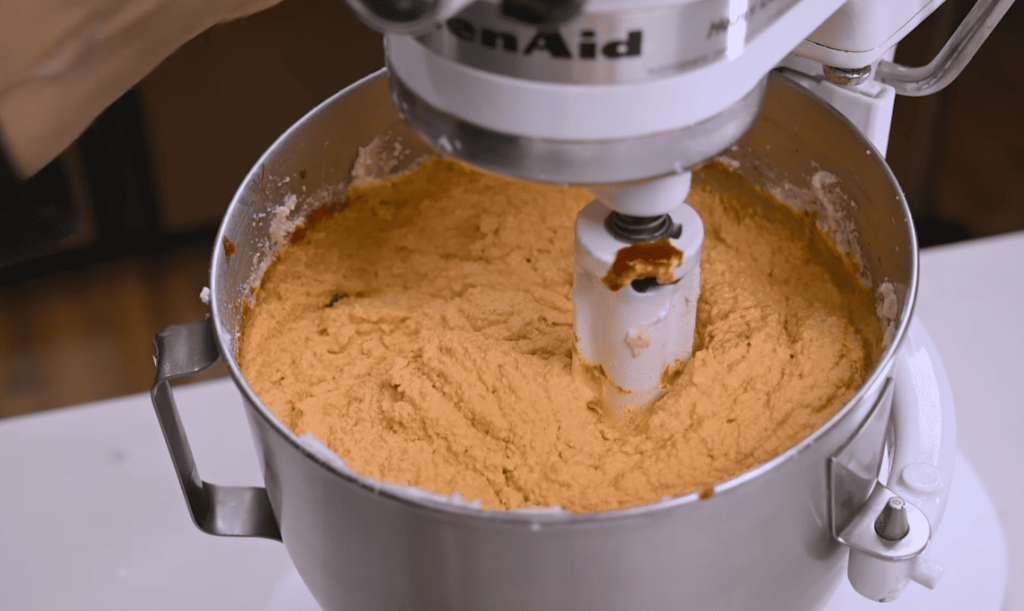
For the best consistency, use an electric mixer. Beating the dough reincorporates air, making it light again.
Flavor changes are usually minimal. A subtle loss of fresh corn aroma might occur, but the core flavor remains intact.
Always perform a quick test before using the masa. It should be smooth, spreadable, and hold its shape well. With these simple steps, your frozen masa will produce excellent results.
Extra Tips for Making Authentic Tamales
Elevating your tamale-making from good to great hinges on a few simple yet powerful techniques. Mastering these steps ensures your homemade tamales are bursting with flavor and have the perfect, fluffy texture.
Your journey to an amazing recipe begins with superb ingredients. Seek out fresh corn husks and high-quality corn flour.
Selecting High-Quality Ingredients
Flavor is paramount. Never use plain water when you make masa. Opt for rich vegetable broth or chicken stock instead. This builds a deep, savory base.
The dough’s consistency is crucial. It should be light and creamy, not dense. Proper beating with fat is key during the making masa process.
An optional test can confirm your dough is ready. Drop a small piece into water; if it floats, the consistency is ideal for tender masa tamales.
Soak corn husks until they are soft and pliable. This prevents tearing when you assemble your creations.
| Preparation Step | Key Action | Authentic Result |
|---|---|---|
| Masa Flavor | Use broth, not water | Deep, complex taste |
| Dough Consistency | Beat until light & airy | Soft, fluffy texture |
| Husk Preparation | Soak thoroughly | Easy, secure wrapping |
| Cooking Time | Steam 60-90 minutes | Fully cooked, tender masa |
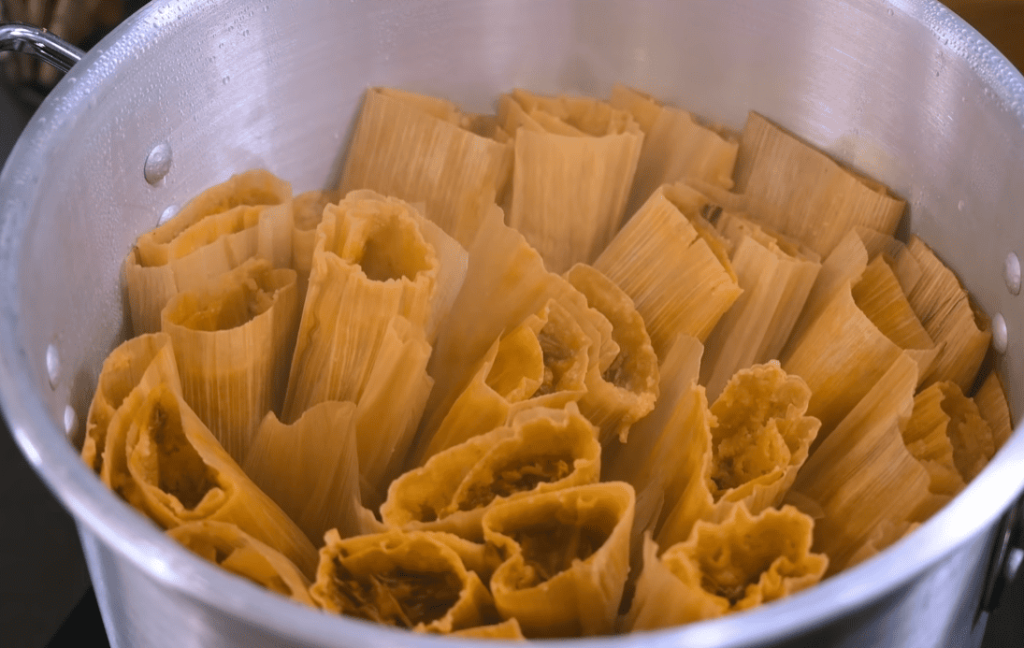
Make sure to steam your homemade tamales long enough for the filling to cook and the masa to become soft. Don’t rush the process.
When you make tamales with care, the reward is immense. Sharing delicious, authentic masa tamales with loved ones makes every step worthwhile.
Innovative Recipes and Uses for Tamale Masa
Masa offers a world of possibilities beyond its most famous application. This versatile corn dough adapts beautifully to countless culinary creations.
Traditional dishes showcase its flexibility. You can create authentic corn tortillas, stuffed gorditas, and Salvadoran pupusas. Each brings unique flavors to your table.
Beyond Tamales: Creative Masa Dishes
Modern cooking embraces masa’s neutral corn base. Use it as a thickener in soups and stews. The subtle corn flavor enhances any recipe.
Breakfast gets a creative twist with masa pancakes or fritters. Leftover dough makes excellent quick cakes when fried. Top them with beans and cheese for satisfying meals.
“Masa’s adaptability makes it the perfect canvas for both traditional and contemporary culinary experiments.”
Modern Twists on Traditional Recipes
Fusion cooking opens exciting new doors. Try masa pizza crusts or empanada-style turnovers. These innovations reflect today’s diverse tastes.
Proper storage ensures your masa stays fresh for any creation. Frozen dough allows spontaneous meal preparation. You can bring corn-based dishes to the table anytime.
| Dish Type | Traditional Use | Modern Variation | Key Ingredient |
|---|---|---|---|
| Flatbreads | Corn tortillas | Masa pizza crust | Corn flour |
| Stuffed Cakes | Gorditas | Empanada turnovers | Corn dough |
| Breakfast | Arepas | Masa waffles | Corn base |
| Thickener | Stews | Creative sauces | Corn masa |
Experiment with this amazing ingredient. Its neutral flavor profile welcomes both classic and innovative approaches. Your culinary adventures await!
Conclusion
Proper preservation techniques unlock the full potential of this versatile corn ingredient. Your fresh masa maintains quality for 3-5 days in the refrigerator, while freezing extends usability to several months.
Smart storage practices protect your dough‘s safety and flavor. Use airtight containers and maintain proper temperatures. Recognize spoilage signs like sour odors or texture changes.
Whether using fresh masa or convenient mixes, these fundamentals ensure quality ingredients. Freezing extra portions lets you enjoy homemade tamales wrapped in corn husks anytime.
This knowledge makes the tamales-making process more convenient. You can spread preparation over time without pressure. Confident storage empowers creative cooking.
Explore the wonderful variety of dishes this amazing ingredient creates. Your freezer keeps this versatile corn dough ready for spontaneous culinary adventures.