
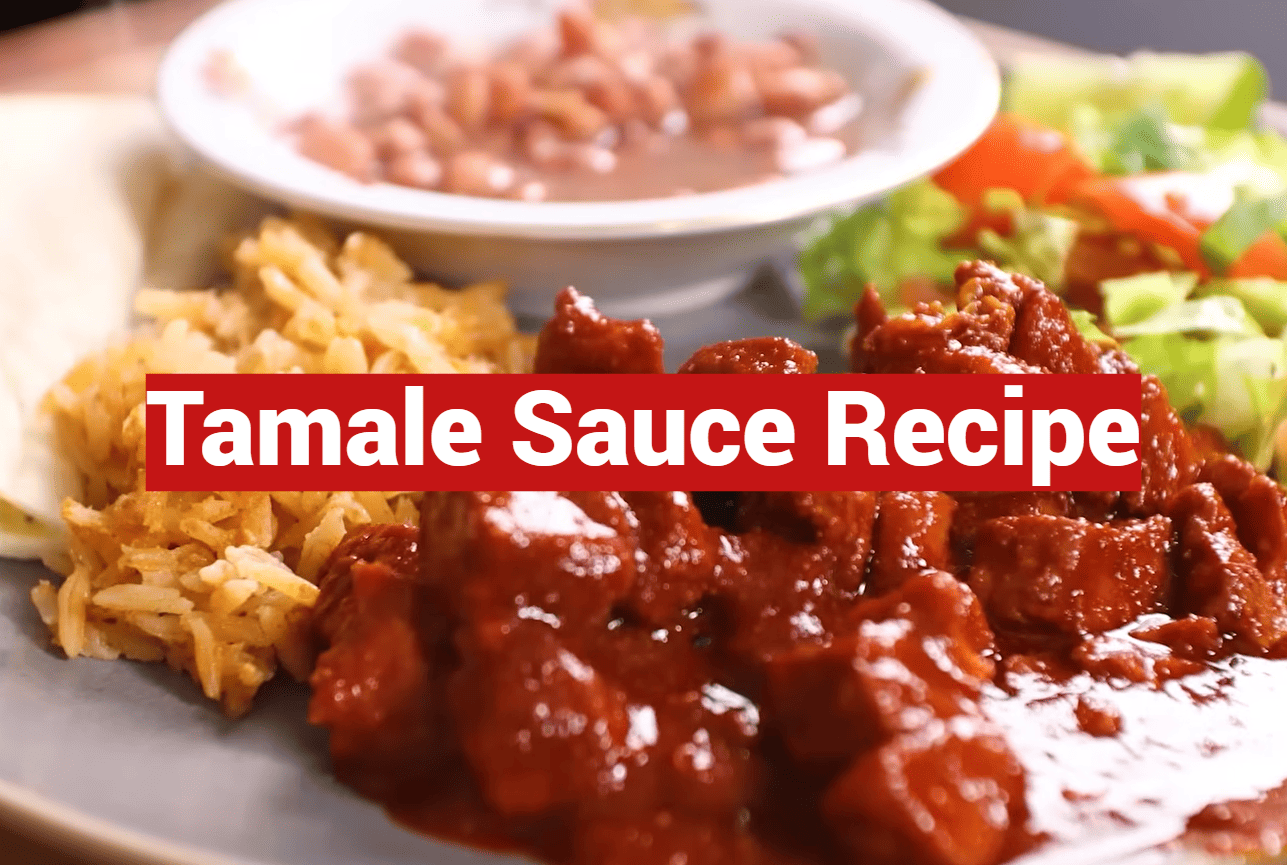
Did you know that over 85% of home cooks who make tamales from scratch still reach for store-bought sauce? This surprising fact means most people are missing out on the incredible flavor transformation that happens when you create your own authentic accompaniment.
That rich, flavorful liquid isn’t just an add-on—it’s the heart and soul of truly exceptional Mexican cuisine. When you pour homemade sauce over steaming masa, you’re adding moisture, complexity, and cultural authenticity that elevates the entire dish.
Whether you prefer traditional red chile-based preparations or quicker Tex-Mex variations, creating your own version gives you complete control. You can adjust heat levels, ingredient quality, and flavor intensity to match your personal taste perfectly.
This comprehensive guide will walk you through everything from selecting the right ingredients to mastering preparation techniques. You’ll discover methods that work whether you’re new to Mexican cooking or have years of experience in the kitchen.
By the end, you’ll have the confidence to create your perfect version every time. Get ready to transform ordinary meals into extraordinary culinary experiences!
Key Takeaways
- Homemade sauce dramatically improves the flavor and authenticity of your Mexican dishes
- You gain complete control over heat levels and ingredient quality
- Multiple preparation methods suit different skill levels and time constraints
- Traditional and modern variations offer unique flavor profiles
- Proper ingredient selection is crucial for achieving the best results
- Mastering this skill elevates your entire cooking experience
- You can customize the final product to match personal preferences perfectly
Introduction to Authentic Tamale Sauces
The story of this essential Mexican food component stretches back millennia. Pre-Columbian civilizations laid the foundation for the rich traditions we enjoy today.
Background and Cultural Significance
This culinary cornerstone is more than just a topping. It represents generations of family knowledge and regional pride.
Across Mexico, you’ll find distinct regional styles. Red versions, often using dried chiles, are classic for hearty meat fillings. Green, tomatillo-based options beautifully complement lighter dishes.
Choosing your chiles is a personal journey. It’s where your individual taste can truly shine through in the final dish.
Why Homemade Sauces Make a Difference
The gap between store-bought and homemade is vast. Commercial products often contain preservatives and lack depth.
Creating your own gives you complete control. You decide the heat level, from mild to intensely spicy, ensuring it suits your family’s palate.
The flavor profile develops incredible complexity through toasting and simmering. This process builds layers that mass-produced versions simply cannot match.
- Superior Taste: Fresh ingredients create a brighter, more authentic flavor.
- Total Customization: Adjust spices and heat to create your perfect blend.
- Cultural Connection: Experience the satisfaction of honoring traditional methods.
Investing time in a from-scratch preparation pays off in every bite. The result is a truly exceptional culinary experience.
Key Ingredients and Flavor Fundamentals
The magic of authentic Mexican cooking lies in the careful selection of fundamental elements. Choosing the right components transforms a simple preparation into something extraordinary.
Essential Chiles, Tomatoes, and Seasonings
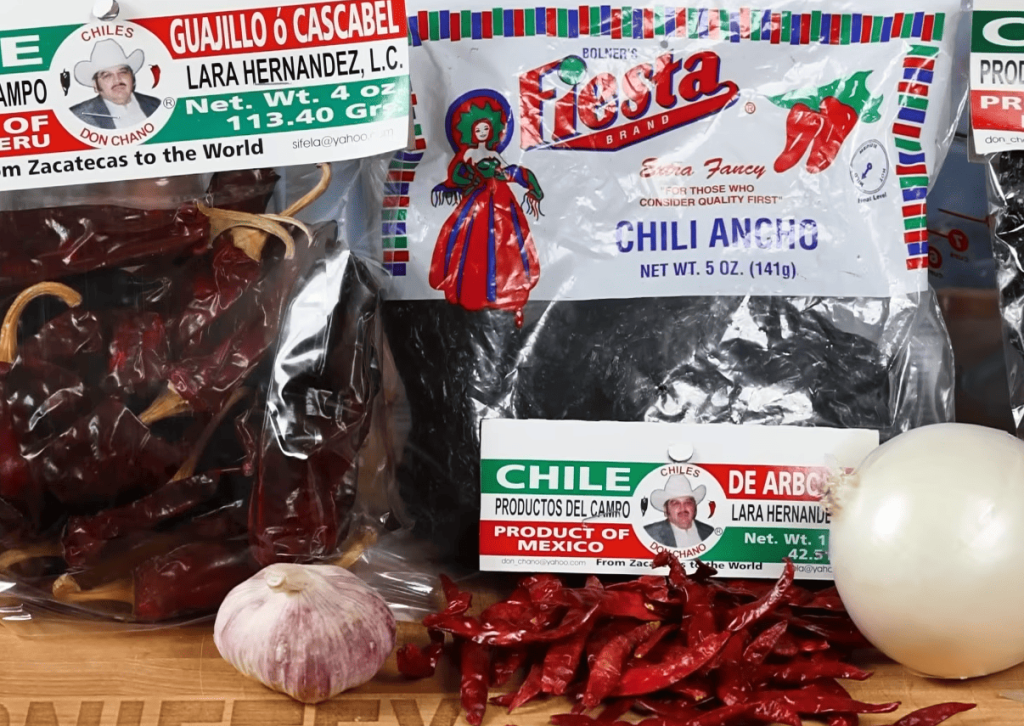
Dried chiles form the heart of this flavorful creation. California and New Mexico varieties provide mild, sweet notes with beautiful red color. Ancho chiles add rich, smoky undertones that create wonderful depth.
For those who enjoy heat, chile de arbol peppers pack serious punch. Just two or three can elevate the entire flavor profile.
Fresh tomatoes or quality canned products offer essential acidity and body. They balance the earthiness of dried chiles perfectly.
The right seasonings build complex layers of flavor. Garlic and cumin contribute aromatic warmth. Salt enhances all the other ingredients beautifully.
A small amount of sugar balances any bitterness without making the final product taste sweet. Quality water or broth extracts maximum flavor from all components.
Remember that seasoning amounts might seem generous at first. But they distribute evenly across many servings, creating perfect balance in every bite.
Mastering the tamale sauce recipe for Perfect Tamales
When preparing traditional masa-based dishes, the liquid component serves multiple purposes beyond simple topping. It becomes an integral ingredient that flavors both the corn dough and meat filling throughout the cooking process.
The key to success lies in creating a boldly seasoned mixture. What tastes strongly flavored on its own will become perfectly balanced when distributed across all components. This concentration principle ensures every bite delivers consistent taste.
| Component | Sauce Portion | Purpose | Effect on Final Dish |
|---|---|---|---|
| Masa Dough | Small amount (¼ cup) | Adds color and subtle flavor | Creates cohesive taste experience |
| Meat Filling | Generous portion (½-¾ cup) | Moistens and seasons protein | Provides rich, savory center |
| Reserved for Serving | Remaining quantity | Extra flavor enhancement | Allows personal customization |
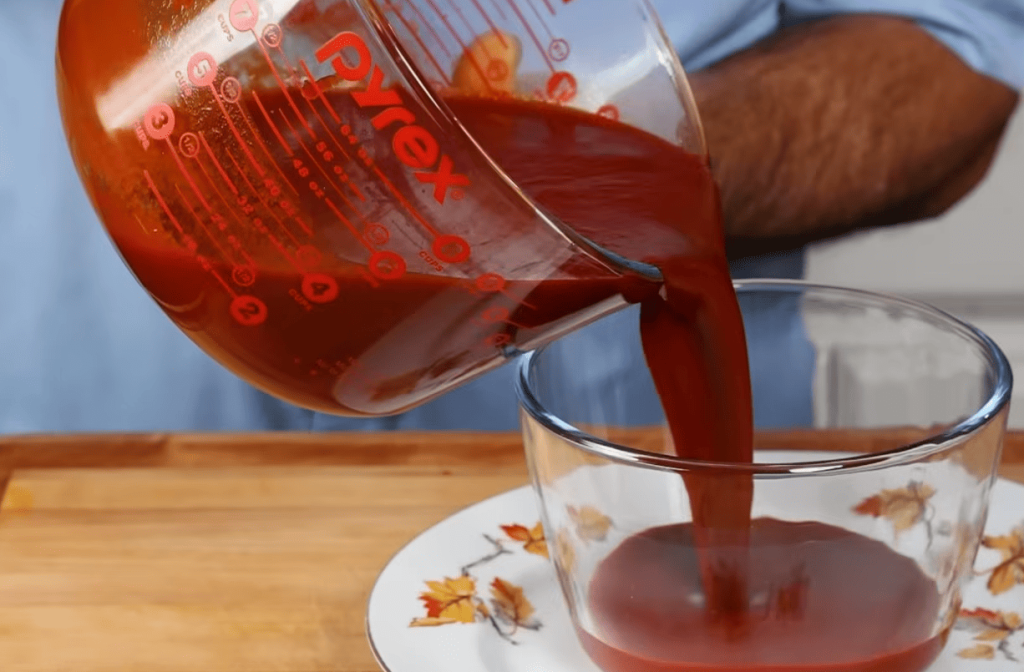
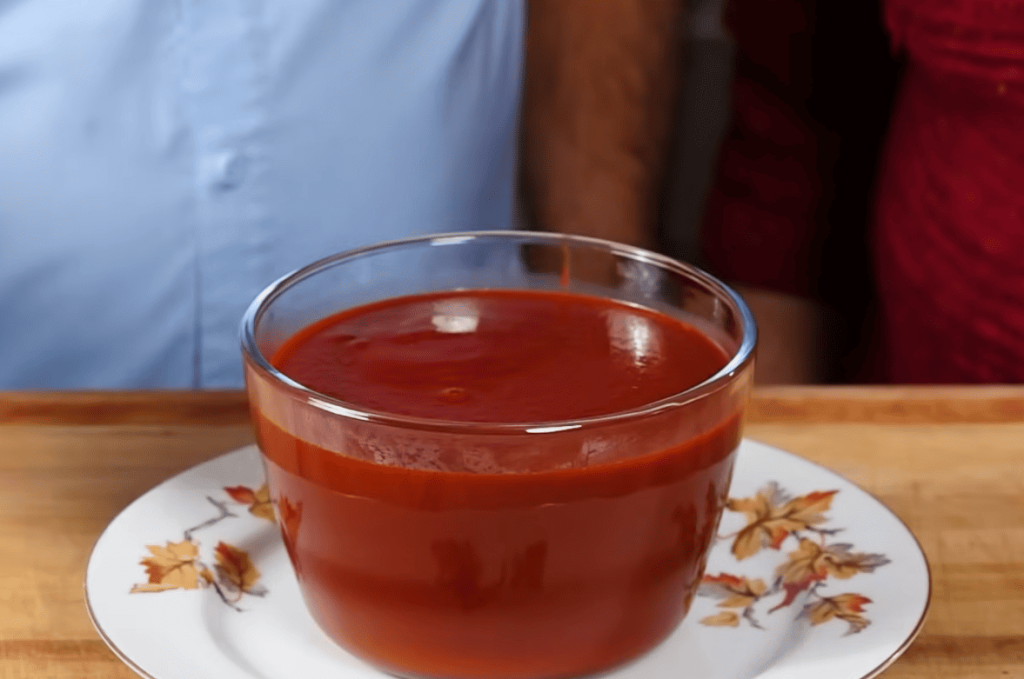
Achieving the right texture is crucial for proper distribution. Aim for a consistency similar to thin tomato soup—thick enough to cling to ingredients but fluid enough to spread evenly.
The spiciness level should be noticeable but not overwhelming. Remember that corn masa and other fillings naturally moderate the heat. Beef and pork pair beautifully with red chile-based versions, while chicken benefits from tangier, greener preparations.
Taking time to perfect your technique ensures harmonious results. Each component works together to create a complete culinary experience where outer masa and center filling complement each other perfectly.
Step-by-Step Guide to Creating Your Tamale Sauce
The journey to authentic flavor starts with proper vegetable preparation and simmering techniques. Following these steps ensures your creation achieves the perfect balance of richness and consistency.
Preparing Vegetables and Simmering for Richness
Begin by quartering tomatoes and loosely chopping peppers after removing seeds. Place them in a pan with garlic cloves and two cups of chicken broth. Use enough liquid to cover all ingredients completely.
Bring the mixture to a boil over medium heat, then reduce to a gentle simmer. Cook for 20-30 minutes until vegetables soften completely. This time allows flavors to meld together beautifully.
Blending Techniques and Consistency Tips
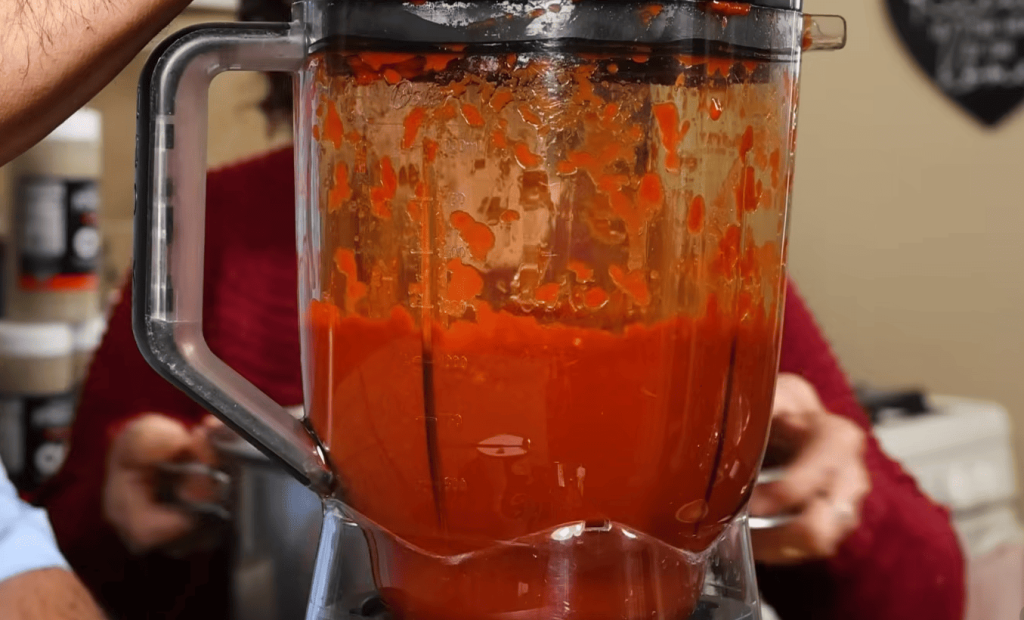
Carefully transfer the softened vegetables to your blender, working in batches if needed. Never fill the blender more than halfway with hot ingredients. Start at the lowest speed and gradually increase to prevent dangerous eruptions.
Blend for about two minutes until completely smooth. Return the mixture to the pan for a final 15-minute simmer. This step thickens the consistency and deepens the flavors.
| Preparation Step | Time Required | Key Purpose |
|---|---|---|
| Vegetable Simmering | 20-30 minutes | Softens ingredients and melds flavors |
| Blending Process | 2 minutes | Creates smooth consistency |
| Final Simmer | 15 minutes | Thickens and enhances flavor depth |
Always use caution when handling hot ingredients. The finished product should have a consistency similar to thin tomato juice. This makes it perfect for mixing with various dishes.
Exploring Chile Varieties and Heat Levels
The world of dried chiles offers endless possibilities for customizing your culinary creations. Understanding different pepper characteristics helps you achieve the perfect balance for your family’s taste preferences.
Understanding the Role of Arbol, Guajillo, and Ancho
Mild peppers like California and New Mexico varieties create a family-friendly foundation. They contribute beautiful color and earthy sweetness without overwhelming spiciness.
Guajillo chiles offer moderate heat with bright, tangy notes. Their slightly fruity quality adds wonderful complexity to any preparation.
Ancho peppers provide rich, chocolate-like undertones. As dried poblanos, they add sophisticated smoky flavor without significant heat.
Small but mighty chile de arbol peppers pack serious punch. Sometimes called “rat’s tails,” just two or three can elevate mild creations to medium-hot intensity.
| Chile Variety | Scoville Heat Units | Flavor Profile | Best Use |
|---|---|---|---|
| California/New Mexico | 500-2,500 | Sweet, earthy | Mild foundation |
| Guajillo | 2,500-5,000 | Tangy, fruity | Medium heat balance |
| Ancho | 1,000-1,500 | Smoky, chocolate-like | Flavor complexity |
| Chile de Arbol | 15,000-30,000 | Sharp, intense | Heat enhancement |
| Chipotle | 2,500-8,000 | Smoky, bacon-like | Depth transformation |
Experimenting with different combinations lets your personality shine through. Mix mild peppers with hotter varieties to create your signature flavor profile.
Chipotle peppers introduce distinctly smoky dimensions. These smoked jalapeños transform traditional red chili preparations into something deeper and more complex.
The beauty of homemade creations is adjusting pepper selection with each batch. You learn through experience which combinations your family enjoys most.
Mixing Aroma and Flavor with Additional Spices
The true artistry of Mexican cooking reveals itself in the careful balance of supporting spices. While chiles create the foundation, it’s the secondary ingredients that build complexity and depth.
Enhancing Your Creation with Cumin, Garlic, and Sugar
Cumin stands as one of the most essential spices, contributing warm, earthy notes that complement dried chiles beautifully. This generous seasoning adds aromatic depth that makes your creation smell as inviting as it tastes.
Fresh garlic cloves transform during cooking into sweet, savory enhancers. They provide a foundation of umami richness throughout your preparation.
The amounts might seem surprising—one tablespoon per quart appears excessive. But remember this distributes across four to five dozen servings, meaning each portion receives just the right amount.
Salt plays a critical role in amplifying all other flavors. Adjust quantities based on your final use. For fillings, use more salt. For table condiments, reduce it significantly.
A teaspoon or two of sugar isn’t for sweetness but for balance. It counters the natural bitterness of certain chiles and tomato acidity, creating harmonious flavor.
Additional spices like Mexican oregano or black pepper can add interesting complexity. Use them sparingly to avoid overwhelming primary chile flavors.
The key to successful seasoning is tasting as you go. Flavors concentrate during simmering, so start conservatively and adjust at the end. For table use where dilution is minimal, reduce seasoning quantities by about half.
Cooking Techniques: From Roux to Final Simmer
Two distinct approaches—roux-based and traditional simmering—yield different but equally delicious results. The roux method creates quick, smooth textures while extended simmering develops deeper flavor complexity.
For the Tex-Mex style, begin by melting butter in a saucepan over medium heat. Sprinkle three tablespoons of all-purpose flour evenly across the surface. Whisk continuously until a smooth paste forms.
The flour must cook for three to five minutes to eliminate raw taste. This creates a paste ranging from white to golden depending on cooking time.
Gradually add two cups of broth or water, whisking vigorously after each addition. This prevents lumps and ensures silky consistency. The gradual incorporation allows flour particles to distribute evenly.
Traditional preparations skip the roux step entirely. Natural starches from vegetables provide sufficient body. After blending, these versions require fifteen minutes of simmering to meld flavors properly.
| Method | Initial Heat | Thickening Agent | Simmer Time |
|---|---|---|---|
| Roux-Based | Medium Heat | All-Purpose Flour | 5 Minutes |
| Traditional | Medium then Low | Natural Starches | 15 Minutes |
After incorporating all liquid, reduce to low heat for final simmering. Roux-based versions need about five minutes while traditional methods require fifteen. This time allows flavors to develop fully.
Stir occasionally during the final stage to prevent sticking. Monitor consistency carefully—add more broth or water if the mixture becomes too thick. Proper heat management prevents scorching while achieving perfect texture.
Variations: Smoky Tex-Mex and Traditional Red Sauce Styles>
Your culinary journey takes an exciting turn when exploring different sauce styles. Each approach offers unique advantages depending on your time, ingredients, and flavor preferences.
Comparing Ingredients and Personalizing the Recipe
Traditional Mexican red chili sauce builds complexity through dried chiles and fresh tomatoes. This method requires more time but delivers authentic depth.
Quick Tex-Mex versions use a roux base with convenient ingredients. Adobo sauce and taco seasoning create bold flavors in just fifteen minutes.
Personalizing your creation allows you to blend traditions. You might start with a traditional base and add Tex-Mex elements like cheese.
Using Adobo or Chipotle for a Smokier Profile
For authentic smokiness, use adobo sauce from canned chipotle peppers. This contains the actual smoking liquid from chipotle production.
The chipotle peppers themselves add deeper, more robust flavor. Store leftovers in an airtight container for up to a week.
Both styles work beautifully for tamales. Your choice depends on available time and whether you prefer regional authenticity or comfort food tastes.
Serving Suggestions and Creative Uses for Tamale Sauce
Your homemade creation becomes a kitchen superhero when you discover its many uses beyond the main event. This flavorful liquid transforms ordinary meals into extraordinary experiences throughout your weekly cooking.
Pairing with Tamales, Enchiladas, and Tacos
While specifically designed for masa-based dishes, this versatile preparation works beautifully across Mexican cuisine. The rich, tomato-based version complements hearty beef and pork perfectly.
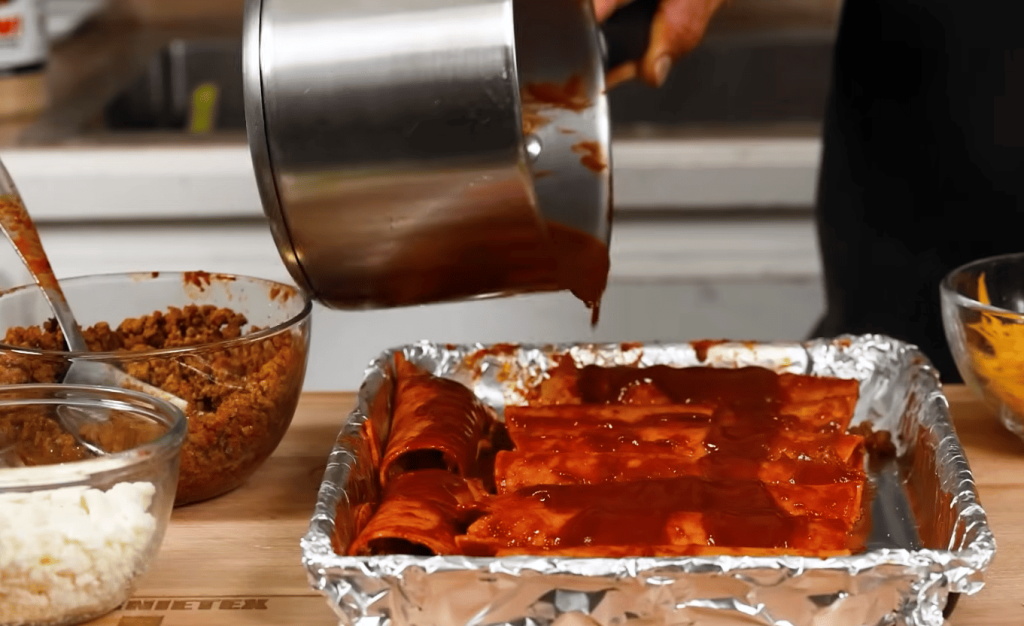
When using it for enchiladas, remember to reduce seasoning quantities significantly. What flavors forty-five to fifty tamales would overwhelm just eighteen enchiladas. Adjust spices to one teaspoon instead of one tablespoon for perfect balance.
Serve your main dishes with additional preparation on the side for customization. Popular accompaniments include fresh salsa, cool sour cream, and Mexican crema. These sides create a complete dining experience.
Transform your creation into indulgent Mexican gravy by stirring in one cup of shredded cheese while hot. This creamy topping elevates smothered burritos, nachos, or chile rellenos.
Don’t let leftovers go to waste—freeze excess for up to six months. Thaw for quick weeknight meals like tacos or quesadillas. The mixture also works wonderfully as a braising liquid for meats.
Experiment with fresh toppings like pickled jalapeños, cilantro, or lime wedges. This allows each family member to create their perfect bite and makes every meal special.
Conclusion
The difference between store-bought convenience and homemade authenticity becomes immediately apparent with your first bite. Your creation elevates every dish it touches, bringing rich, complex flavors that mass-produced versions simply cannot match.
Whether you invest more time in traditional methods or prefer quicker approaches ready in minutes, both paths lead to superior results. The ability to customize heat levels and ingredients means you can perfect your signature blend.
Remember to refrigerate your cooled preparation and use within three to four days. For longer storage, freeze portions for up to six months. Making this component ahead streamlines your cooking process.
This fundamental skill opens doors to countless Mexican dishes beyond the main event. As you gain confidence, you’ll discover the joy of serving truly authentic food that honors tradition while delighting modern palates.