
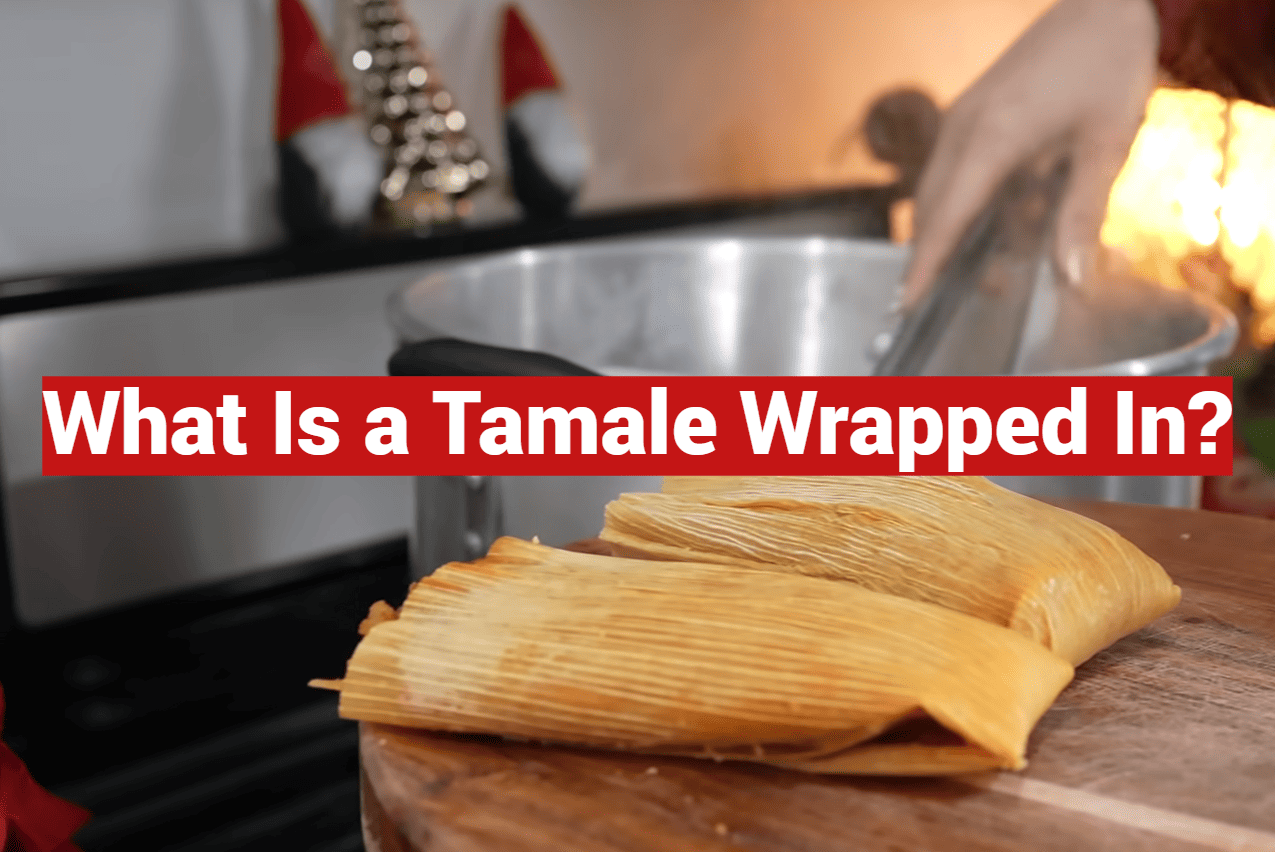
Every year, Americans devour hundreds of millions of these steamed bundles of joy. The magic begins not with the filling, but with the package itself.
Traditional tamales get their unique character from a natural casing. This beloved dish typically uses either dried corn husks or broad banana leaves. The wrapper acts as a natural steamer, locking in flavor and moisture.
Understanding this outer layer is the first step to appreciating the entire tamale. The preparation of the husk or leaf is a crucial ritual. For authentic mexican tamales, the corn husk must be soaked to become pliable. This ancient technique transforms simple ingredients into a celebrated feast.
This guide will walk you through the history, regional variations, and modern methods. We will clear up common confusions, like which parts are edible. You will discover the secrets to creating perfect tamales at home, starting with the perfect wrap.
Key Takeaways
- Corn husks and banana leaves are the primary traditional wrappings.
- The wrapper is not meant to be eaten; it serves as a cooking vessel.
- Proper preparation of the wrapping is essential for successful steaming.
- Different regions use different materials, reflecting local ingredients.
- The wrapping process is a fundamental part of the tamale’s cultural significance.
- Learning to handle the wrapper is the first step to mastering tamale-making.
Introduction to Tamales and Their Cultural Legacy
Archaeological evidence reveals tamales as one of the oldest prepared foods in the Americas. This beloved dish carries a rich history spanning thousands of years.
The tradition connects modern kitchens with ancient Mesoamerican cultures. Understanding this legacy adds depth to every bite.
Origins and Historical Significance
Researchers like Karl Taube traced pictorial references to around 100 AD. The Mural of San Bartolo in Guatemala shows early versions of these steamed bundles.
Ancient civilizations relied on tamales for practical needs. Warriors and hunters carried them as portable nourishment. Fossilized corn husks found near Teotihuacan pyramids confirm their importance.
These foods held sacred status in pre-Columbian societies. Aztec women spent days making tamales before weddings. The Maya served them at festivals throughout the calendar year.
Traditional Versus Modern Influences
The fundamental concept has endured through time. Wrapping masa in natural leaves remains the core technique.
Contemporary kitchens have streamlined the process. Modern equipment reduces preparation time. Yet many families maintain traditional gathering customs.
Holiday tamales continue the communal spirit of ancient feasts. The connection between past and present flavors each steamed package.
Anatomy of a Perfect Tamale
At the heart of every successful tamale lies a careful balance of masa, filling, and wrapping material. These three elements work together to create the signature texture and flavor that defines this beloved dish.
Understanding the Masa, Filling, and Ingredients
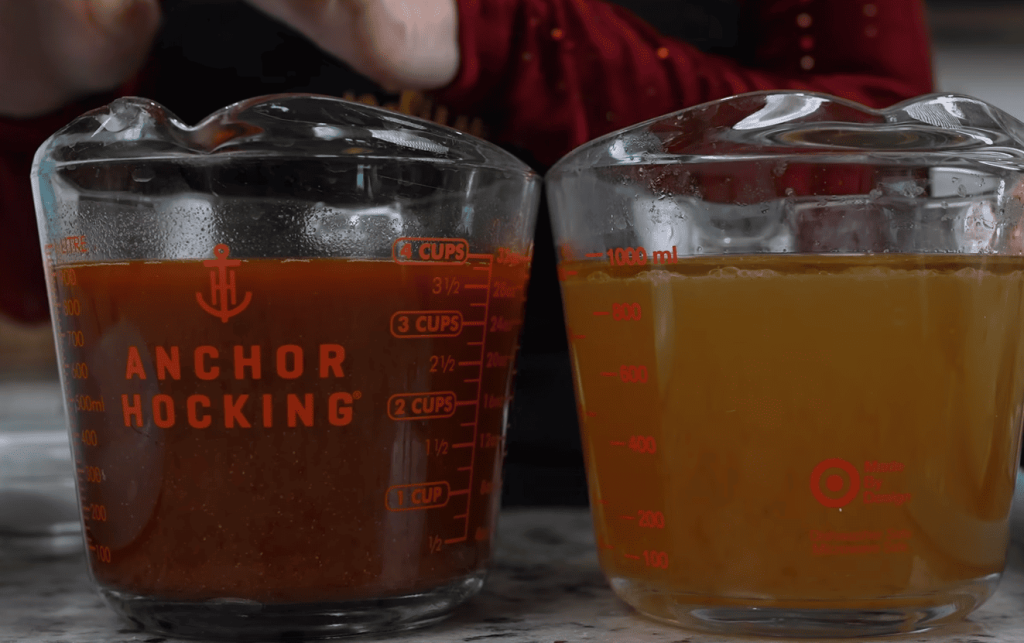
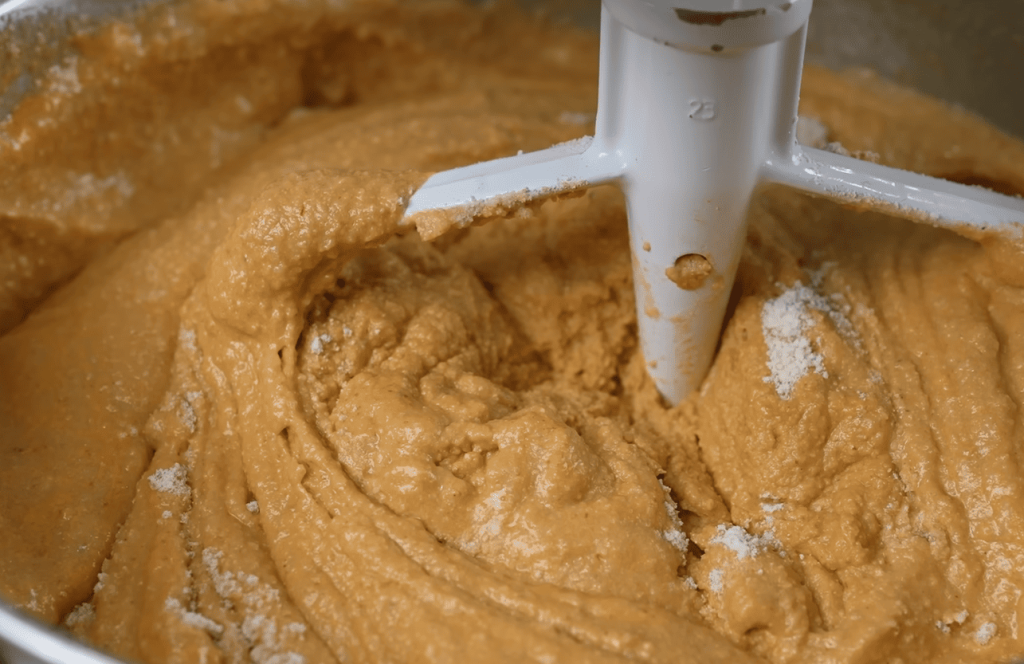
The foundation begins with masa, a special corn dough made from ground nixtamalized corn. Traditional preparation involves whisking lard until fluffy, then blending it with the masa and broth. This technique incorporates air for that signature soft texture.
Fillings showcase incredible versatility in these steamed bundles. Cooks use seasoned meats like chicken or pork, along with vegetarian options featuring cheese and vegetables. Both savory and sweet variations remain popular choices.
Seasonings in the filling and cooking liquid infuse flavor throughout the masa during steaming. This creates a cohesive dish rather than separate components.
The Craft of Wrapping: Corn Husks and More
Natural wrappers like corn husks serve as biodegradable cooking vessels. They hold everything together during the steaming process while allowing moisture circulation.
The choice of wrapping material often reflects regional traditions and ingredient availability. Each type contributes subtly to the final product’s character.
| Component | Primary Role | Key Characteristics |
|---|---|---|
| Masa Dough | Foundation and structure | Soft, fluffy texture from whipped preparation |
| Filling | Flavor centerpiece | Versatile – meats, cheeses, vegetables, or fruits |
| Wrapping | Steaming vessel and holder | Natural materials like corn husks or banana leaves |
| Final Result | Complete culinary experience | Harmonious blend of texture, flavor, and tradition |
What Is a Tamale Wrapped In?
Traditional wrappers provide both functional and flavorful benefits to the final product. These natural casings serve essential roles beyond simple packaging.
The Role and Purpose of Corn Husks
Dried corn husks offer structural support during the steaming process. They hold the masa firmly in place while it cooks and sets.
These natural husks also contribute subtle earthy notes to the dish. The steaming process allows flavors to infuse gently into the masa.
Proper preparation involves soaking dried corn husk materials in cold water. This makes them pliable for easy wrapping. After soaking, pat them dry thoroughly.
Many recipes recommend overlapping two husks for larger portions. Secure bundles with corn husk strips or kitchen string before steaming.
Exploring Alternative Wrapping Options
Banana leaves serve as popular alternatives in tropical regions. They impart a slightly sweet, aromatic quality to the finished dish.
These broad leaves typically require thawing if purchased frozen. Cut them into rectangular sizes and pat dry before use.
Historical records show Maya civilizations used avocado or piper plant leaves. Local availability often determined wrapping choices.
| Wrapping Material | Flavor Profile | Preparation Required | Common Regions |
|---|---|---|---|
| Corn Husks | Earthy, subtle | Soak 5 minutes in water | Northern Mexico, US |
| Banana Leaves | Sweet, aromatic | Thaw, cut, pat dry | Oaxaca, Yucatán |
| Avocado Leaves | Anise-like flavor | Fresh or dried | Historical Maya |
How to Assemble and Steam Tamales
Mastering the final assembly and steaming process transforms your ingredients into perfect, fluffy bundles. This hands-on guide breaks down each step into simple, manageable actions.
Step-by-Step Preparation Process
Begin with the crucial masa readiness test. Drop a teaspoon of batter into a glass of water. If it floats, your mixture has enough air for that light texture.
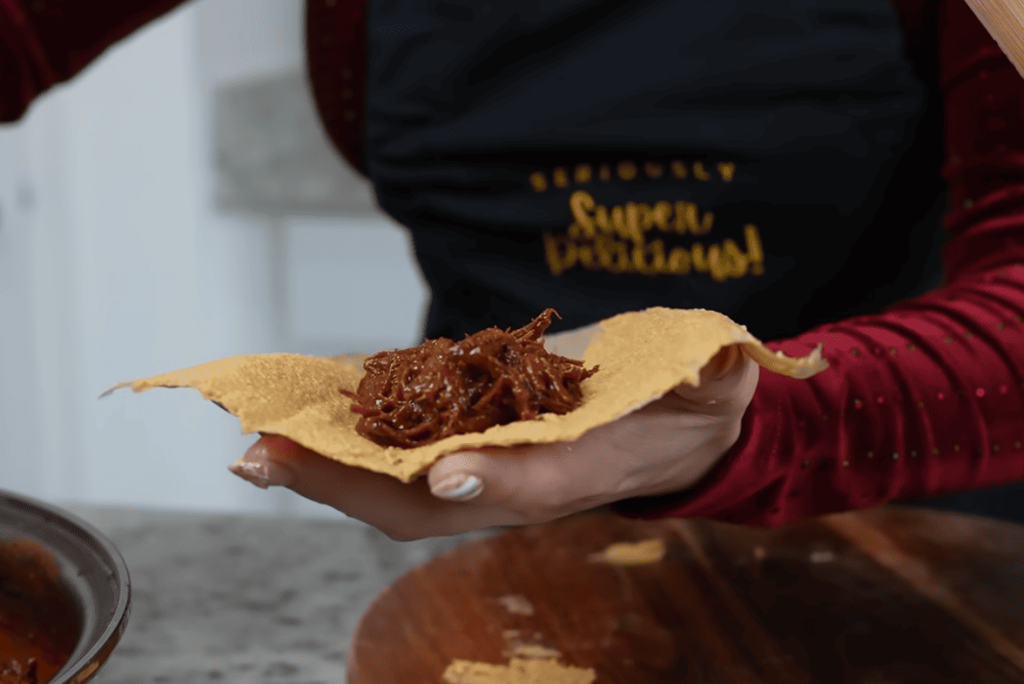
For corn husk assembly, spread two tablespoons of masa down the center. Form a rectangle leaving space at the edges. Place your filling in the center.
Cover the filling completely by folding the masa over it. Fold the sides toward the center, then the bottom up. Secure with a corn husk strip or kitchen string.
Banana leaf assembly follows a different technique. Fold the leaf itself in thirds after placing the filling. This creates a secure package that holds everything neatly.
Effective Steaming Techniques
Set up your steamer or large pot with a rack. Add water to the bottom, ensuring it stays below the steamer level. You want steam, not boiling.
Arrange your bundles standing upright with open ends facing up. Cover and steam for about 50 minutes. Check one for firmness before removing the entire batch.
Monitor the water level throughout cooking. Add water as needed to prevent the pot from running dry. This ensures consistent steaming for your entire recipe.
Your patience rewards you with beautifully cooked results. The masa should pull away easily from the wrapper when done correctly.
Secrets to Achieving the Ideal Texture and Flavor
Master tamale makers understand that flawless texture starts with balanced ratios. The difference between good and exceptional results lies in precise ingredient measurements.
Proper proportions transform simple components into professional-quality masa. Too much liquid creates soggy bundles, while insufficient moisture yields dry, crumbly results.

Balancing Ingredients: Baking Powder, Water, and Masa
Contemporary recipes often include baking powder to achieve that signature airy texture. This modern leavening agent creates lift similar to traditional whisking methods.
Begin by creaming fats in your mixing bowl. Combine oil, butter, sugar, milk, and salt thoroughly. This foundation ensures rich flavor distribution throughout the dough.
Add pureed corn to the fat mixture, then incorporate corn flour and baking powder. The powder must distribute evenly for consistent rise. Beat the mixture for several minutes to develop proper structure.
Liquid components like half and half add richness without heaviness. Adjust sugar based on your corn’s natural sweetness and whether you’re making savory or sweet variations.
Measure ingredients accurately using standard cups. The goal is a thick, spreadable batter that passes the floating test. This careful balance creates the tender, melt-in-your-mouth texture that defines perfect tamales.
Regional Variations and Modern Twists in Tamale Preparation
From Texas family gatherings to Caribbean innovations, regional variations showcase the incredible adaptability of this ancient food tradition. Each culture adds unique flavors and techniques while preserving the essential character of steamed masa bundles.
Texas Tradition and Community Gatherings
Texas communities celebrate with tamaladas during holidays like Christmas. Families gather to make dozens of these steamed bundles using cherished family recipes.
Traditional fillings include seasoned pork shoulder, shredded chicken in red chile sauce, or cheese with jalapeños. Home cooks often source corn husks and lard from the local grocery store.
Innovative Takes from Modern Mexican and Caribbean Kitchens
Beyond Texas, regional diversity flourishes. Guatemalan red tamales feature achiote and tomato stuffing, while black versions get color from chocolate.
Nicaragua’s nacatamal contains annatto-seasoned pork, rice, and vegetables. Caribbean innovations include Puerto Rico’s guanime and Jamaica’s sweet duckunoo made with sweet potato and coconut.
| Region | Specialty Variation | Key Ingredients | Unique Characteristics |
|---|---|---|---|
| Texas-Mexico | Traditional Holiday Tamales | Pork, Chicken, Cheese | Family recipes, communal preparation |
| Guatemala | Red and Black Tamales | Achiote, chocolate, various meats | Color variations, complex fillings |
| Nicaragua | Nacatamal | Pork, rice, potatoes, vegetables | Large size, multiple ingredients per cup |
| Caribbean | Guanime & Duckunoo | Seafood, sweet potato, coconut | Sweet and savory fusion approaches |
Conclusion
Creating authentic tamales connects modern kitchens with ancient culinary wisdom passed down through generations. This journey from masa preparation to final steaming honors a rich cultural legacy.
The process blends art and science, requiring precise measurements by the cup and proper technique. Natural wrappers like corn husks do more than hold the dough—they infuse flavor and maintain perfect moisture during the essential steaming time.
Start with a straightforward recipe featuring familiar fillings like seasoned pork or chicken. Remember to spread masa evenly from the bottom upward and secure bundles with kitchen string. The communal experience makes preparing dozens of these delights truly special.
Embrace this living tradition and share your homemade creations. Quality ingredients like masa harina and lard are accessible at most grocery stores. Your perfect tamales await—steaming for about fifty minutes to fluffy perfection.