
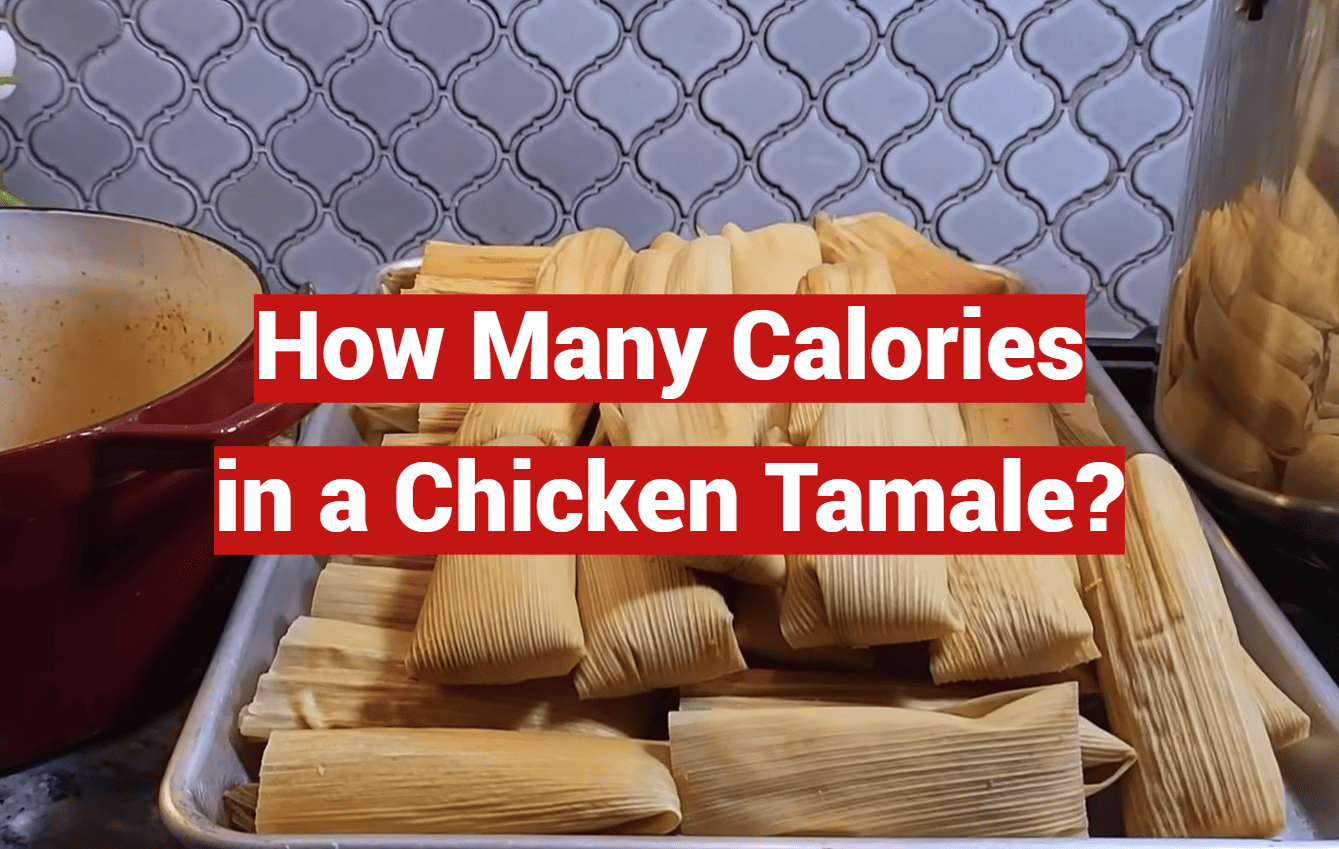
During holiday seasons across the United States, families collectively prepare over one billion tamales. This traditional Mexican dish brings people together in kitchens nationwide. The comforting aroma of steaming corn masa and savory fillings creates lasting memories.
Understanding the nutritional content of this beloved food helps with meal planning and dietary goals. Our guide provides clear answers about what goes into each serving. We’ll explore the factors that influence the final count.
Beyond just numbers, you’ll discover how to create authentic versions in your own kitchen. The process may seem complex at first, but we break it down into manageable steps. Home cooks of all experience levels can achieve delicious results.
This versatile recipe works perfectly as either a main course or complementary side dish. Family gatherings and special occasions become more memorable when you share homemade tamales. The rich cultural heritage behind this food adds depth to every bite.
Throughout this article, you’ll learn traditional preparation methods and creative variations. We cover everything from ingredient selection to cooking techniques. You’ll gain practical skills while appreciating this timeless culinary tradition.
Key Takeaways
- Traditional Mexican cuisine offers flavorful and culturally significant dishes
- Nutritional awareness supports informed meal planning decisions
- Homemade preparation allows for ingredient control and customization
- The cooking process is accessible to beginners with proper guidance
- Versatile serving options make this food suitable for various occasions
- Understanding preparation methods enhances appreciation for the dish
- Cultural context adds meaning to the cooking and eating experience
The Tradition and Culture Behind Chicken Tamales
Steeped in cultural significance, tamales serve as edible history, connecting modern families to ancestral cooking practices. This time-honored food tradition spans across Latin America, with each region adding its unique touch to the beloved dish.
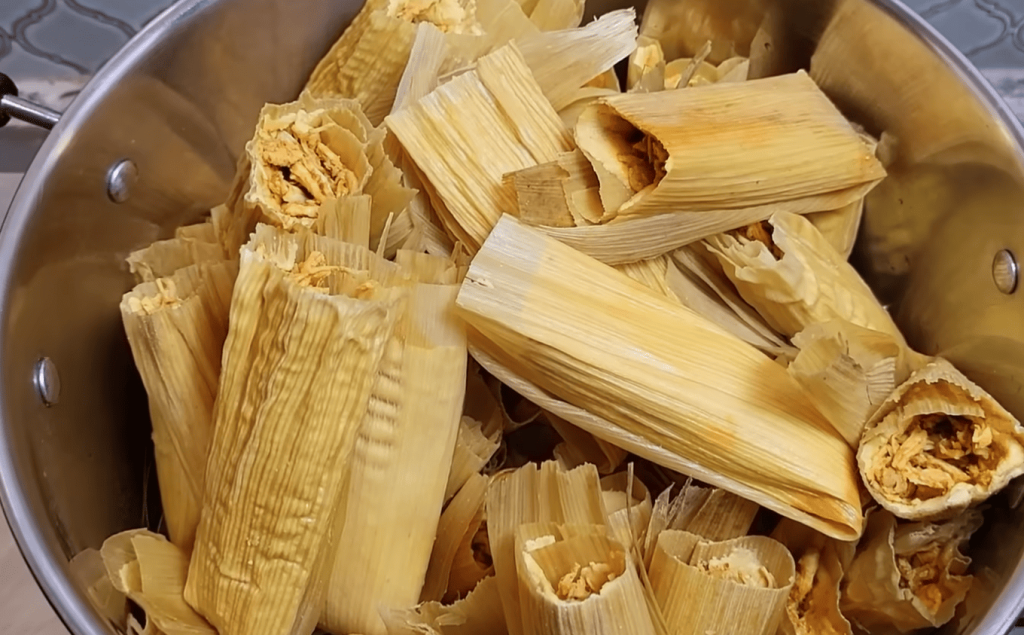
In Mexican culture particularly, tamales hold special meaning during holidays and celebrations. Families often reserve these labor-intensive treats for festive occasions when multiple generations gather together. The chicken variation has gained popularity for its lighter profile compared to traditional pork versions.
The art of tamale-making represents a cherished heritage passed down through family lines for centuries. Recipes and techniques become precious heirlooms, carefully preserved and shared between generations. This continuity maintains cultural identity through food.
The process itself creates valuable bonding time for relatives. What could feel like tedious work transforms into joyful social gatherings filled with storytelling and laughter. The communal nature reflects the importance of togetherness in Mexican culture.
While especially popular during Christmas, people enjoy tamales year-round as comfort food that brings people together. Whether featuring chicken or other fillings, each batch carries the warmth of family tradition and cultural pride.
Key Ingredients and Their Impact on Flavor
At the heart of every memorable chicken tamale lies a thoughtful combination of traditional ingredients. These components work together to create the signature flavor and texture that defines this beloved dish.
The foundation begins with masa, made from specially treated corn flour called masa harina. This gives tamales their distinctive corn flavor and tender texture. The preparation method matters greatly for authentic results.
Canola oil or traditional lard enriches the masa, adding moisture and richness. This fat component helps create a light, fluffy texture when steamed. The choice of fat significantly influences the final mouthfeel.
For the filling, chicken leg meat remains preferred for its moisture retention during steaming. This cut provides rich, savory flavor that complements the corn base perfectly. The quality of protein makes a noticeable difference.
| Ingredient | Primary Function | Flavor Contribution | Texture Impact |
|---|---|---|---|
| Masa Harina | Structural base | Earthy corn notes | Tender, crumbly |
| Canola Oil | Moisture binding | Neutral richness | Light, fluffy |
| Chicken Leg Meat | Protein filling | Savory depth | Moist, tender |
| Nixtamalized Corn | Nutrition enhancement | Authentic corn taste | Traditional texture |
| Salt & Seasonings | Flavor balancing | Seasoned throughout | Enhanced mouthfeel |
Corn treated with lime water (nixtamalization) enhances nutritional value while creating authentic taste. Salt and chicken bouillon season the masa itself, ensuring flavor throughout the entire tamale.
Using authentic ingredients makes a significant difference in achieving traditional taste and texture. Each component plays a crucial role in the final experience.
how many calories in a chicken tamale
The nutritional composition of authentic Mexican cuisine offers valuable insights for meal planning. Understanding these details helps you make informed choices about your favorite dishes.
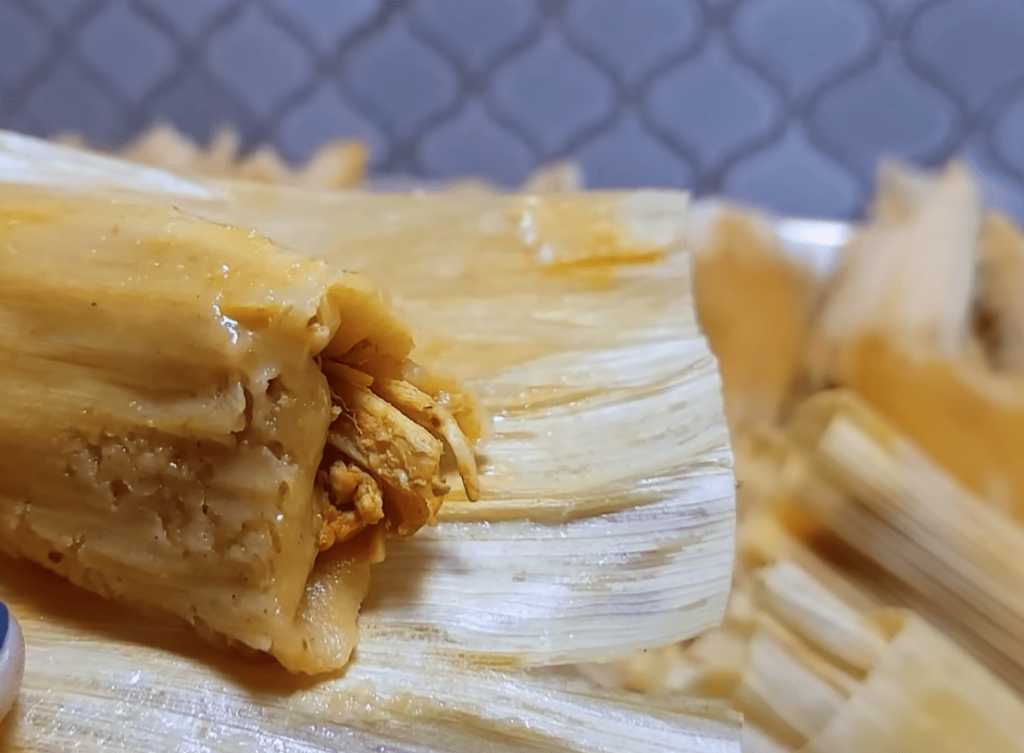
A standard serving of this traditional food contains approximately 230 energy units. This measurement applies to a typical 4-ounce portion weighing 113 grams.
| Nutrient | Quantity | Daily Value % |
|---|---|---|
| Total Energy | 230 | N/A |
| Total Fat | 14g | 18% |
| Saturated Fat | 1.5g | 8% |
| Carbohydrates | 18g | 7% |
| Protein | 9g | 10% |
The fat content primarily comes from the oil or lard used in the masa preparation. This component creates the signature texture that makes the dish so enjoyable.
Protein levels provide satisfying nourishment that helps maintain fullness. The total amount can vary based on preparation methods and ingredient proportions.
This nutritional profile fits well within balanced eating patterns. Pairing it with fresh vegetables creates a complete, satisfying meal.
Homemade versions allow for adjustment of sodium and other components. This flexibility makes the dish adaptable to various dietary preferences.
Step-by-Step Chicken Tamale Recipe
Creating authentic chicken tamales begins with mastering two essential components. The fluffy masa dough and savory chicken filling work together to create the perfect balance. This recipe guides you through each critical step.
Preparing the Masa and Dough
Start by beating shortening until light and fluffy for about one minute. Gradually incorporate masa harina and reserved chicken stock in small amounts. Use no more than 2 cups of stock for optimal consistency.
Test your tamale dough readiness with the traditional float method. Drop a small amount into cold water. If it floats, your masa is ready use for assembly.
Cooking the Chicken Filling
Begin by placing chicken, onion, salt, and garlic in a stockpot with 3 quarts of water. Bring to a boil, then simmer covered for 45-60 minutes until tender. Remove the chicken to cool before shredding.
For the chicken filling, heat oil in a Dutch oven and stir in flour until blended. Cook over medium heat for 7-9 minutes until lightly browned. Add seasonings, shredded chicken, and remaining stock.
Bring the mixture to a boil, then simmer uncovered for about 45 minutes. The filling will thicken to the perfect consistency for spreading. This careful preparation ensures authentic flavor in every bite.
Mastering the Tamale Assembly Process
Proper technique during assembly ensures your tamales hold together perfectly during cooking. This stage brings together all your prepared ingredients into the final product.
Soaking and Preparing Corn Husks
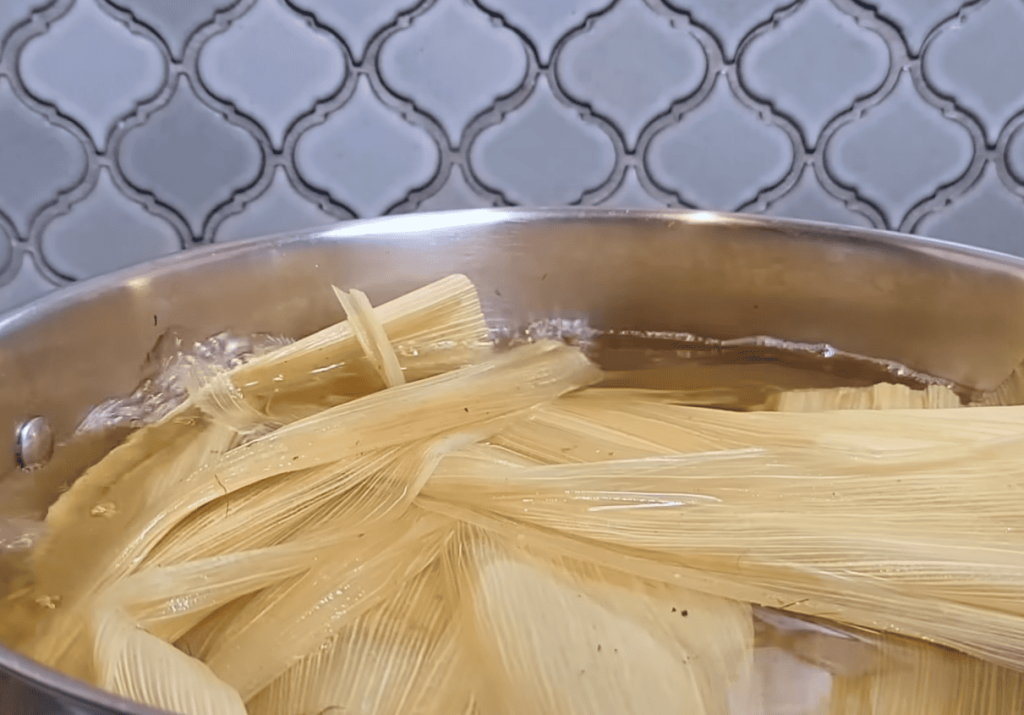
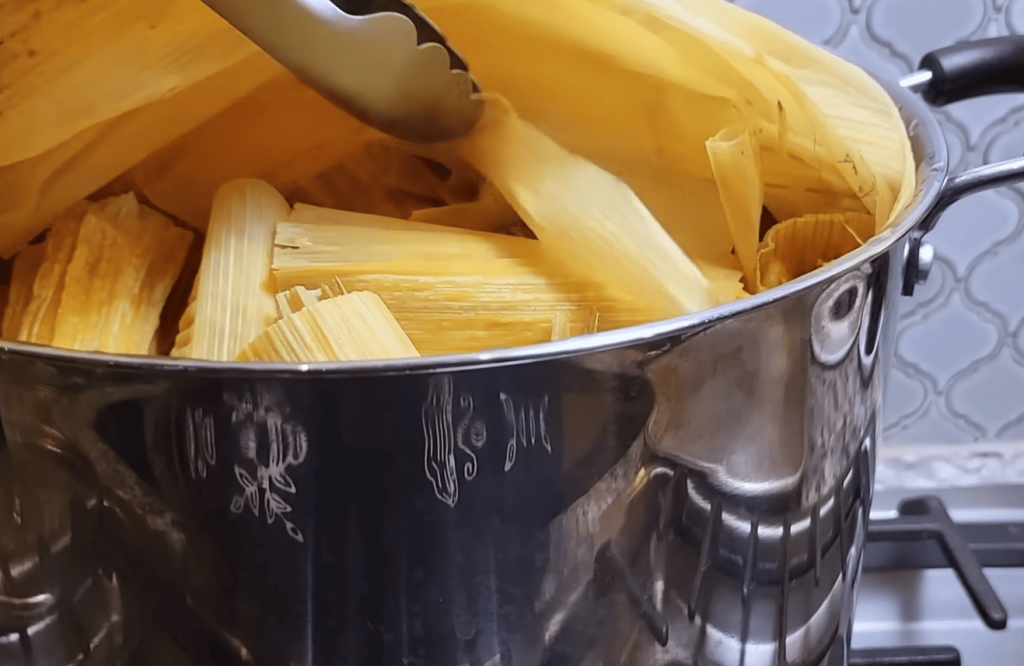
Begin by covering dried corn husks with cold water. Soak them for at least two hours until they become pliable. Patience is essential here.
Rushing this step causes corn husks to crack during assembly. After soaking, drain the corn husks and pat them dry. Keep them covered with a damp towel.
Tear four corn husks into strips for tying. This creates about twenty secure ties for your finished products.
Folding and Tying Techniques
Place three tablespoons of dough on each corn husk‘s wide end. Leave a half-inch border around the edges. This prevents spillage during cooking.
Add two tablespoons of filling down the center. Fold the long sides over the filling, overlapping slightly. Then fold up the narrow end.
Tie each tamale with a prepared husk strip. This wrap ensures everything stays in place during steaming.
| Step | Action | Key Tip | Time Required |
|---|---|---|---|
| 1 | Soak corn husks | Use cold water | 2+ hours |
| 2 | Prepare husk strips | Tear lengthwise | 5 minutes |
| 3 | Spread masa dough | Leave border space | Varies by batch |
| 4 | Add filling | Center placement | Varies by batch |
| 5 | Fold and tie | Overlap sides | Varies by batch |
Essential Cooking Methods: Steaming, Microwave, and Oven
Three distinct approaches bring your prepared tamales to perfect doneness. Each method suits different situations and time constraints while delivering excellent results. Understanding these options helps you choose the best technique for your needs.
Steaming in a Traditional Steamer Basket
Place a large steamer basket in a stockpot over water. Arrange your creations upright in the steamer to prevent dough spillage. Bring water to a boil and steam covered for about 45 minutes.
Check frequently and add hot water as needed to prevent boiling dry. The dough should easily peel away from the husk when fully cooked. This traditional cooking method delivers authentic texture.
Quick Microwave and Oven Approaches
For speedy reheating, wrap each portion in a damp paper towel. Place them on a microwave-safe plate and microwave for 1 to 1:15 minutes. Frozen items need one extra minute.
The oven method works well for larger batches. Wrap in foil and heat at 350°F for about 20 minutes. Both alternative cooking methods provide convenient options.
| Method | Time Required | Best For | Key Tip |
|---|---|---|---|
| Traditional Steamer | 45 minutes | Fresh preparation | Keep water boiling |
| Microwave | 1-2 minutes | Quick reheating | Use damp paper towel |
| Oven | 20 minutes | Large batches | Wrap in foil |
Always let your cooked creations rest for 1-2 minutes before unwrapping. This standing time allows the steam to finish the cooking process. The result is easier handling and perfect texture every time.
Nutritional Breakdown and Calorie Insights
Looking beyond just energy content, the full nutritional profile offers valuable guidance for meal planning decisions. Understanding the complete makeup of a chicken tamale helps you make informed choices about including it in your diet.
The fat content deserves special attention. With 14 grams total, only 1.5 grams come from saturated sources. There are zero trans fats, making this a relatively heart-friendly option compared to many traditional dishes.
Protein provides 9 grams per serving, supporting muscle maintenance and keeping you satisfied. Carbohydrates total 18 grams, with 2 grams coming from dietary fiber. This combination delivers sustained energy throughout your day.
Sodium levels reach 650mg, which represents 28% of the daily value. Those watching salt intake can reduce this amount in homemade versions. The mineral content includes calcium and iron, adding nutritional value.
Cholesterol measures 35mg, moderate compared to other protein-rich foods. Understanding these details helps determine appropriate portion sizes. You can confidently incorporate this dish into balanced eating patterns.
Tips for Hosting a Tamale-Making Party
Gathering friends and relatives for a tamale-making party turns what could be tedious work into joyful social time. This traditional approach, known as a tamalada, transforms kitchen labor into celebration.
Planning a Fun Tamalada Gathering
Prepare your tamales ingredients ahead of the event. Have the masa dough and chicken filling ready when guests arrive. This allows everyone to focus on the assembly process.
Set up an efficient assembly line system. Assign different tasks to various family members. One person can spread masa while another adds filling.
Others can handle the folding and tying steps. This division of labor saves significant time and makes the work enjoyable.
Plan for a full day of festivities. Play music and serve light snacks to maintain high energy levels. Conversation flows naturally while hands stay busy.
These gatherings create perfect opportunities for passing down recipes through generations. Elder family members can share techniques with younger ones.
Each participant takes home a portion of the finished chicken tamales to freeze. This ensures everyone benefits from the collective effort.
The experience strengthens bonds and preserves cultural traditions. Your family will cherish these memories for years to come.
Incorporating Traditional Mexican Flavors and Ingredients
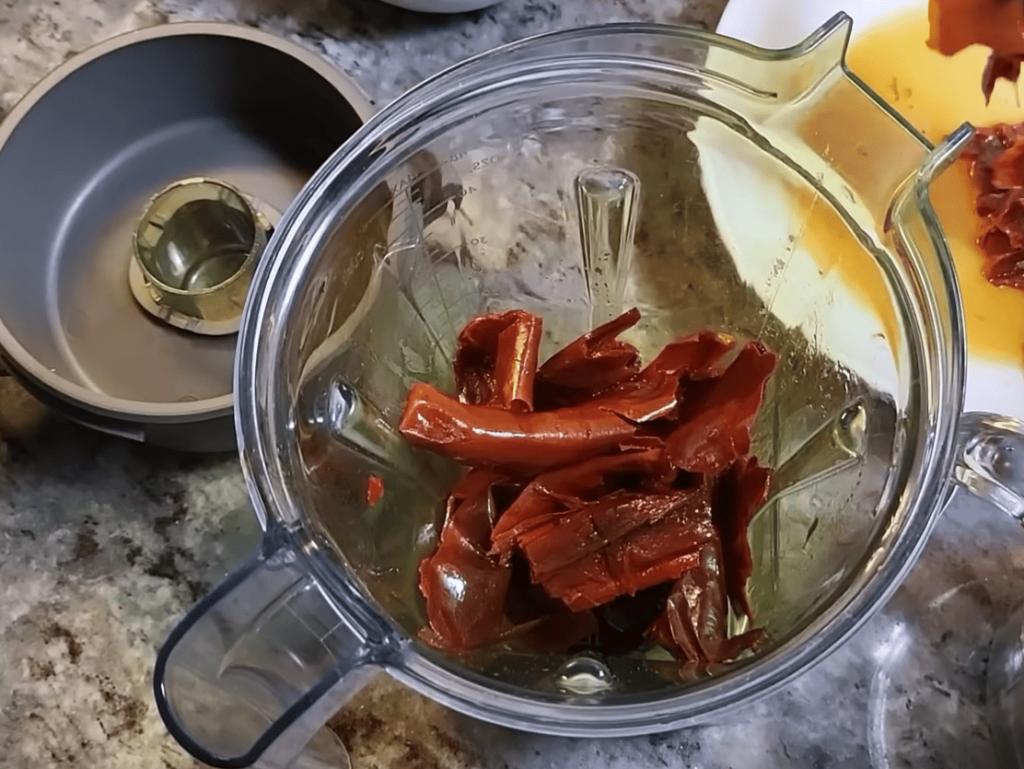
The true magic of authentic Mexican cooking lies in its masterful use of foundational flavors. A rich chile sauce forms the savory base that coats the chicken filling. This traditional sauce simmers red chili peppers with water to create deep, mild heat.
Jalapeno peppers add bright, tangy notes to the mixture. Typically preserved in water, vinegar, and salt, they provide a distinctive kick. The complex seasoning blend includes paprika, chili peppers, red pepper, garlic, and spices.
These ingredients create layers of flavor throughout every bite. Even the corn masa dough gets seasoned with chicken bouillon for authentic taste. This ensures the corn base is savory rather than bland.
Nixtamalized corn enhances both flavor and nutritional value. The process of treating corn with lime water creates the signature taste. Balancing the heat from peppers with rich chicken and sweet corn creates the perfect profile.
Feel free to adjust the amount of chile sauce and peppers to suit your preference. The traditional foundation remains delicious whether you prefer mild or spicy versions.
Creative Variations and Recipe Adaptations
The beauty of tamale-making lies in its incredible adaptability to different tastes and dietary needs. Once you master the basic technique with chicken tamales, you can explore countless delicious variations that suit your family’s preferences.
Using Different Proteins
For meat lovers, try shredded beef brisket or carnitas-style pork as alternative fillings. These proteins create rich, savory tamales with distinct flavor profiles. Ground beef seasoned with chili powder offers another popular option.
Each protein brings its unique character while maintaining the traditional preparation method. The masa harina base remains consistent across all variations.
Vegetarian and Alternative Tamale Ideas
Vegetarian options shine with creative fillings like green chile and cheese combinations. Roasted peppers paired with melted cheese create satisfying meat-free tamales.
Other delicious ideas include black beans seasoned with cumin or fresh corn mixed with peppers. Sautéed mushrooms with garlic make another flavorful filling choice.
For vegan versions, substitute canola oil or vegetable oil for traditional fats. The masa dough adapts beautifully to these adjustments.
Experiment with regional variations like banana leaf wraps instead of corn husks. These leaves are ready use after brief softening and impart subtle flavor differences.
Cut finished tamales into slices as a creative side dish alongside other Mexican favorites. Top them with extra green chile sauce for added zest.
This basic recipe serves as your foundation for endless culinary exploration. Your kitchen becomes a playground for delicious tamale creations.
Conclusion
We’ve explored the full journey of this classic dish, from its rich cultural roots to your kitchen. You now know a typical serving offers balanced nutrition and contains about 230 energy units.
Making tamales is a rewarding project. While it requires some time, like steaming for 45 minutes, the results are worth the effort. The process is more accessible than it seems.
This versatile recipe is perfect for batch cooking. You can freeze them to enjoy as a main course or a convenient side for weeks. Hosting a party makes the preparation even more fun.
Whether you use a traditional steamer or a quick reheat method, you’ll have a delicious meal ready. Feel free to experiment with different types of oil or chili powder.
Grab some corn husks to wrap your own batch of homemade tamales soon. You’ll create a fantastic chicken tamale and lasting memories.