
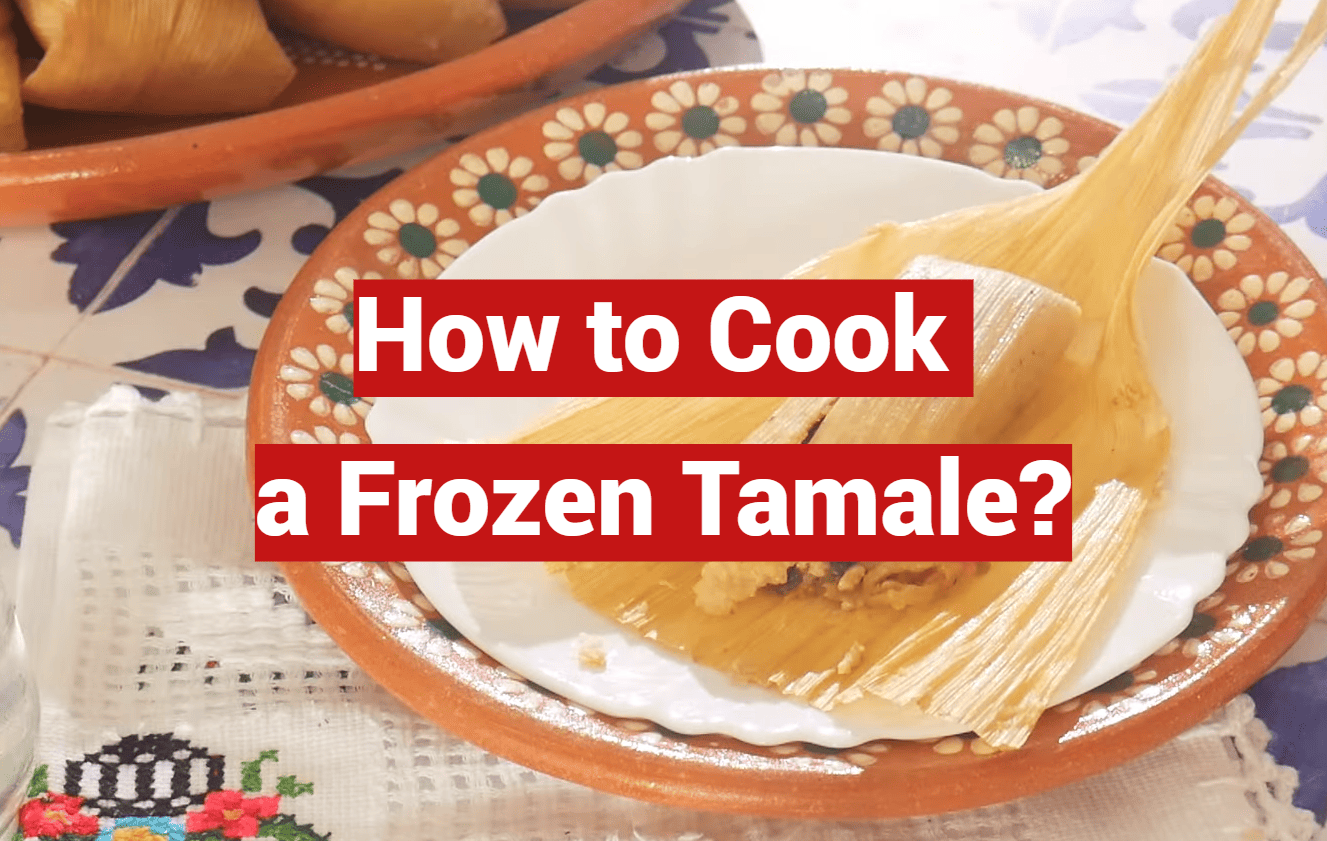
Imagine having a delicious, homemade meal ready in minutes, straight from your freezer. That’s the incredible convenience of frozen tamales. These traditional Mexican bundles are perfect for a quick, satisfying lunch or dinner.
You might have received them as a gift or saved some from a big batch you made. No matter the source, bringing them back to life is simple. The process requires no defrosting, saving you precious time.
This guide covers the best methods for preparing your frozen tamales. You’ll learn techniques for both pre-cooked and uncooked varieties. The goal is to achieve a perfectly tender texture every single time.
Understanding the right temperature and moisture levels is the secret. With a few pro tips, you can enjoy a meal that tastes just-made. Let’s get started on your journey to a perfect tamale.
Key Takeaways
- Frozen tamales offer a quick and convenient meal solution without needing to defrost.
- Proper cooking techniques ensure the masa stays tender and doesn’t dry out.
- Different methods work best for pre-cooked versus uncooked frozen varieties.
- Mastering temperature and steam is the key to a successful outcome.
- You can easily prepare a single serving or an entire batch with confidence.
Introduction to Cooking Frozen Tamales
Large family gatherings often result in an abundance of tamales, making freezing an essential preservation method. This traditional approach allows you to enjoy authentic Mexican cuisine whenever the craving strikes.
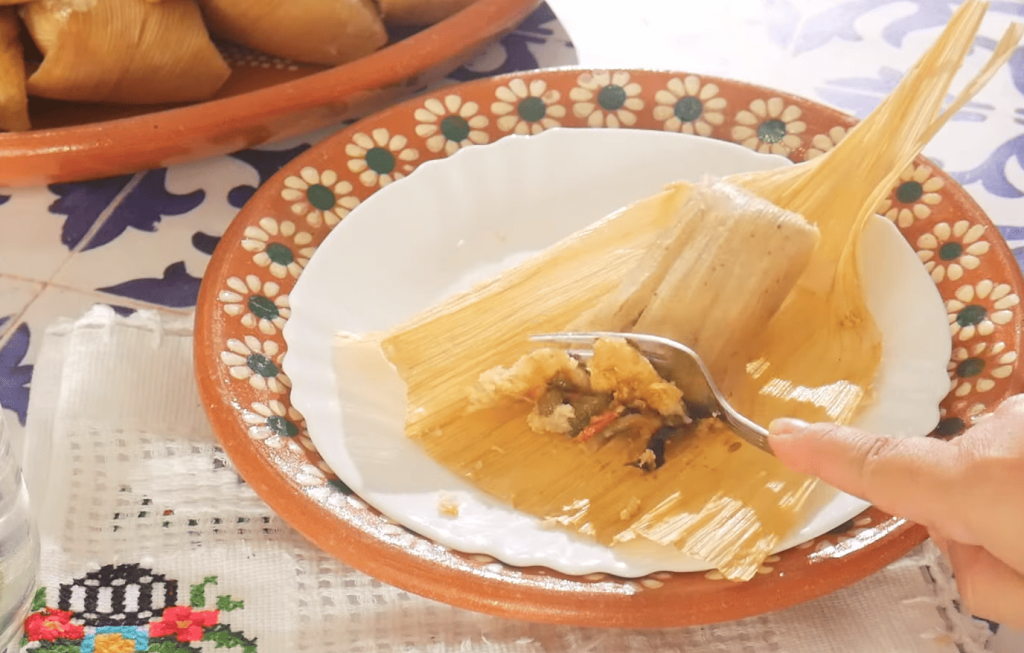
Overview and Benefits
Frozen tamales provide remarkable convenience for busy households. They eliminate lengthy preparation times while delivering genuine homemade taste.
The corn husk wrapper acts as a natural protector during freezing. This maintains the structural integrity of both masa and filling.
| Aspect | Fresh Tamales | Frozen Tamales |
|---|---|---|
| Preparation Time | Several hours | Minutes to heat |
| Storage Life | 3-5 days refrigerated | 5-6 months frozen |
| Convenience | Immediate consumption | Ready when needed |
| Flavor Preservation | Best immediately | Maintained through proper freezing |
When and Why to Enjoy Frozen Tamales
These versatile dishes shine during holiday seasons and spontaneous meals alike. They’re perfect for unexpected guests or quick weeknight dinners.
Proper freezer organization prevents masa from squeezing out of husks. Arrange them loosely to maintain quality for up to six months.
The cooking process rehydrates the ingredients beautifully. This brings back the original texture and rich flavor profiles.
Essential Tools and Ingredients
The foundation for perfectly reheated tamales lies in selecting the appropriate cooking vessels and supplies. Having the right setup makes the process smooth and ensures excellent results.
Required Equipment and Utensils
You have several excellent options for steaming equipment. A traditional tamalera pot is specifically designed for this purpose.
Alternatively, a standard large pot with a steamer basket works beautifully. Modern appliances like an Instant cooker with a trivet are also effective.
Essential tools include reliable tongs for safe handling. You may need aluminum foil for covering lids. A large microwave-safe plate or heat-safe dish can serve as an improvised rack.
Key Ingredients and Pro Tips
The most crucial ingredient is simply water for creating steam. This water generates the moist environment needed for proper heating.
Your tamales wrapped in traditional corn husks or banana leaves are the main attraction. Keep extra corn husks available to fill empty spaces in your steamer.
This helps maintain upright positioning and adds authentic flavor. An instant-read thermometer ensures they reach the safe internal temperature of 160°F.
Step-by-Step Guide: how to cook a frozen tamale
Achieving that perfect, tender texture from your frozen tamales is simpler than you might think. Following a clear sequence of steps ensures a fantastic result every time. This guide focuses on the steaming method, which is ideal for preserving moisture.
Preparing Your Cooking Environment
First, gather your equipment. You will need a large pot with a tight-fitting lid and a steamer basket. Ensure you have enough counter space for safe handling.
Having everything ready before you start makes the process smooth and efficient. This preparation is a key part of learning how to cook a frozen tamale successfully.
Detailed Cooking Steps for Steaming
Pour water into your pot until it sits just below the steamer basket. Arrange your frozen tamales upright in the basket. Do not overcrowd them; steam needs to circulate.
Secure the lid and turn the heat to medium-high. Once you see steady steam escaping, reduce the heat to medium. This maintains a consistent temperature.
Pre-cooked tamales typically need 35-40 minutes of steaming. Uncooked varieties require about 60 minutes. Always check for doneness before serving.
The gentle power of steam revives the masa beautifully, bringing back its original flavor and texture.
To test, remove one tamale and let it rest for five minutes. If the husk peels away easily, they are ready. If the masa sticks, steam for another 20 minutes.
Exploring Different Cooking Equipment Options
Your choice of cooking equipment can transform the texture and flavor of reheated tamales. Each method offers unique benefits for different situations.
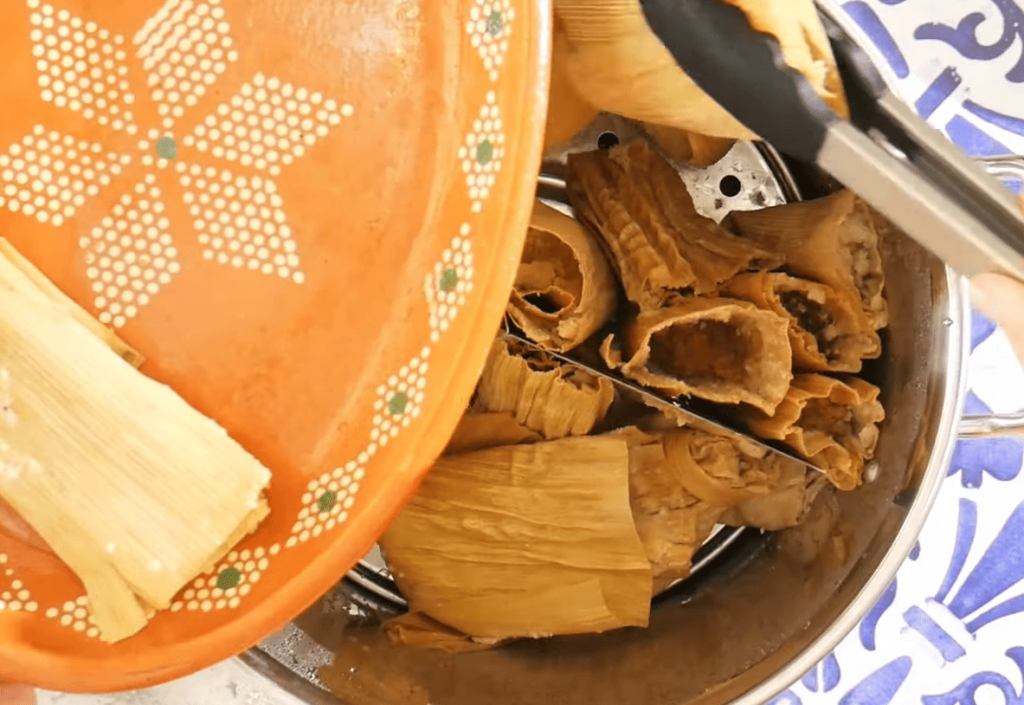
Using a Tamalera Pot and Steamer Basket
The traditional tamalera pot with a steamer basket remains the gold standard. This setup creates perfect steam circulation around each tamale.
Always place tamales upright in the basket. The corn husks protect the masa while allowing steam to penetrate evenly.
Alternative Methods: Microwave, Instant Pot, and Air Fryer
Modern appliances provide quick alternatives. The Instant Pot functions as an electric pressure cooker for efficient preparation.
Set the pressure valve to sealing and allow natural release. For smaller portions, the microwave offers speed.
An air fryer uses circulating hot air for a crispier exterior. Each cooker requires specific techniques.
| Equipment | Best For | Cooking Time | Texture Result |
|---|---|---|---|
| Tamalera Pot | Large batches | 35-60 minutes | Authentically soft |
| Instant Pot | 4-8 portions | 20-40 minutes | Perfectly steamed |
| Microwave | 1-2 servings | 6-8 minutes | Quickly heated |
| Air Fryer | 1-4 pieces | 15-20 minutes | Slightly crisp |
Remember to keep the lid secure on any stovetop pot. Proper equipment selection ensures delicious results every time.
Tips for Maintaining Moisture and Enhancing Flavor
Preventing dryness is the single most important goal when preparing frozen tamales. The corn-based masa can easily become tough without proper care. These simple tips ensure a tender, delicious result every time.
Always cook them straight from the freezer. Defrosting first often leads to a crumbly texture. The steam from cooking rehydrates the masa perfectly.
Utilizing Damp Paper Towels and Foil
The microwave method benefits greatly from a damp paper towel. Place it over your tamales on a microwave-safe plate. This creates essential steam.
If the towel dries out, add a few more drops of water. For stovetop steaming, use foil if steam escapes around the lid. Cover the pot with foil, poke a small hole, and secure the lid.
This trick conserves precious moisture inside the pot.
Expert Advice to Prevent Dryness
Air fryers produce drier heat. Combat this by spraying the corn husks with water before cooking. This adds a bit of protection.
Steaming remains the best method for an authentic, soft texture. The gentle heat revives the masa beautifully. There are several effective ways to lock in flavor.
| Appliance | Best Moisture Technique | Pro Tip |
|---|---|---|
| Microwave | Cover with a damp paper towel | Re-wet the paper if it dries |
| Air Fryer | Spray husks with water | Prevents a tough exterior |
| Stovetop Steamer | Use foil under the lid | Controls steam escape |
Variations and Serving Suggestions
Transforming your prepared tamales into a complete meal experience involves thoughtful pairing with traditional Mexican accompaniments. The right combinations elevate each flavor profile and create a balanced plate.
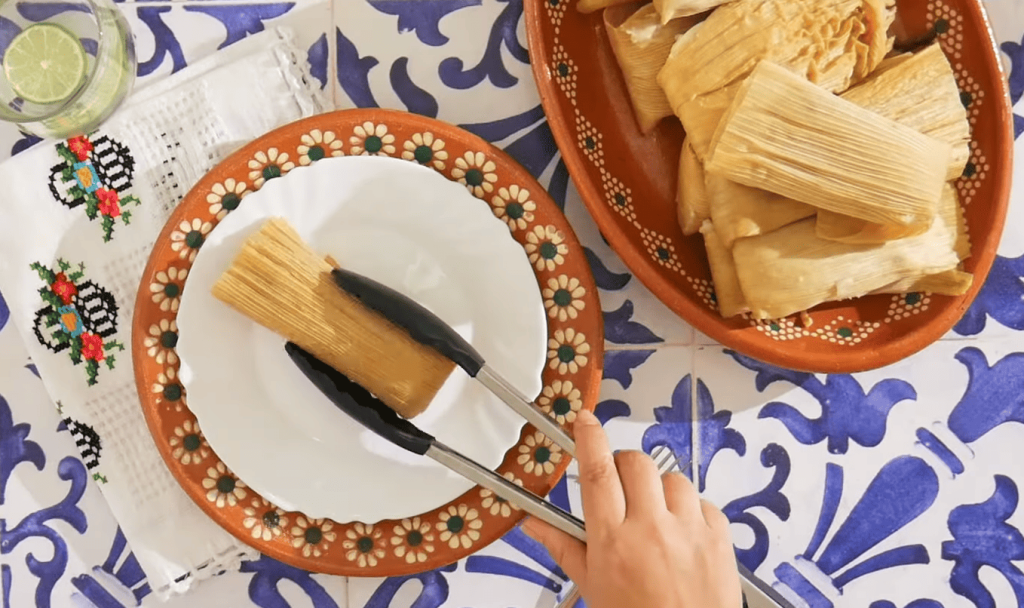
Creative Serving Pairings and Sides
Traditional toppings like sour cream, salsa, and hot sauce enhance your tamales beautifully. These classic additions bring moisture and complexity to every bite.
For a complete dinner dish, consider classic Mexican side options. Spanish rice, refried beans, or cilantro lime rice make excellent companions. A refreshing black bean and corn salsa adds vibrant color and texture.
Mexican street corn (elote) creates a perfect contrast with its sweet and savory profile. Warm beverages like atole or Mexican hot chocolate complete the authentic experience.
| Tamale Variety | Recommended Toppings | Ideal Side Dish |
|---|---|---|
| Chicken with Mole | Sour cream, salsa roja | Spanish rice |
| Pork with Salsa Verde | Guacamole, lime wedges | Cilantro lime rice |
| Cheese & Jalapeño | Pico de gallo, cheese | Black bean corn salsa |
| Sweet Fruit Varieties | Whipped cream, fruit | Fresh fruit salad |
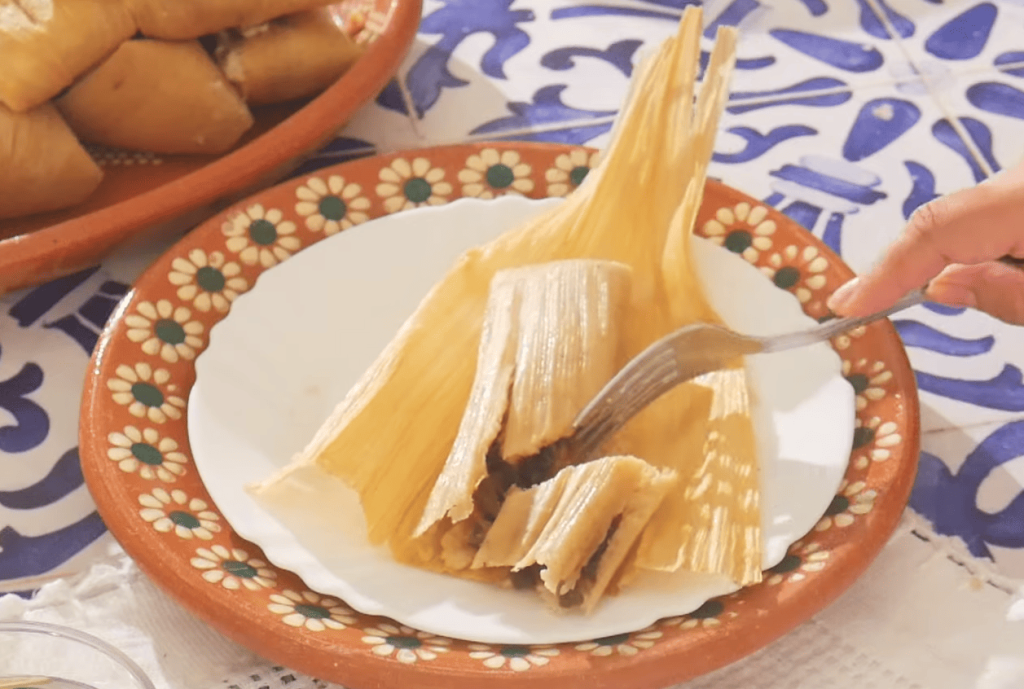
Different occasions call for varied presentation styles. Casual meals work well with tamales served in their husks. For celebrations, unwrap them and arrange on a decorative plate with fresh garnishes.
Explore different recipes and combinations to discover your favorite pairings. The versatility of these tamales makes them suitable for any meal. Enjoy them with a warm cup of coffee for breakfast or as the centerpiece of holiday feasts.
Troubleshooting Common Cooking Issues
Even the most carefully followed instructions can sometimes lead to unexpected results. Knowing how to adjust and identify doneness is essential for perfect tamales every time.
Adjusting Cooking Times for Perfection
The most reliable test is the unwrapping method. After the recommended time, carefully remove one tamale and let it rest for five minutes.
If the masa peels away cleanly from the husk, they are ready. If it sticks, they need more steam for about twenty more minutes.
Patience during the resting period is crucial; it allows the masa to set and makes the test accurate.
For absolute certainty, use an instant-read thermometer. The internal temperature should reach 160°F.
Uneven cooking often means the pot is overcrowded. Ensure there is space for steam to circulate around each one.
If you don’t have enough to fill the pot, use extra corn husks or foil to fill gaps. This keeps them upright.
| Common Issue | Likely Cause | Quick Solution |
|---|---|---|
| Masa sticks to husk | Not enough cooking time | Steam for 20 more minutes |
| Uneven heat | Overcrowded pot | Leave space between tamales |
| Dry, tough texture | Insufficient water/steam | Check water level, seal lid |
| Long cooking time | Heat too low | Ensure a steady simmer |
If the water evaporates, add boiling water carefully down the side of the pot. A little extra time usually fixes most problems.
Conclusion
Your freezer now holds the key to enjoying authentic Mexican cuisine on demand. You’ve gained the confidence to prepare delicious meals from those precious frozen bundles. No more worrying about wasting homemade treasures.
Each preparation method offers unique benefits for different situations. The traditional steamer provides authentic texture, while modern appliances offer speed and convenience. Remember the core principles: maintain moisture and skip defrosting.
Feel free to experiment with different approaches to discover your favorite. These versatile tamales bring comfort and cultural connection to your table. Enjoy the delicious results of your newfound skills!