
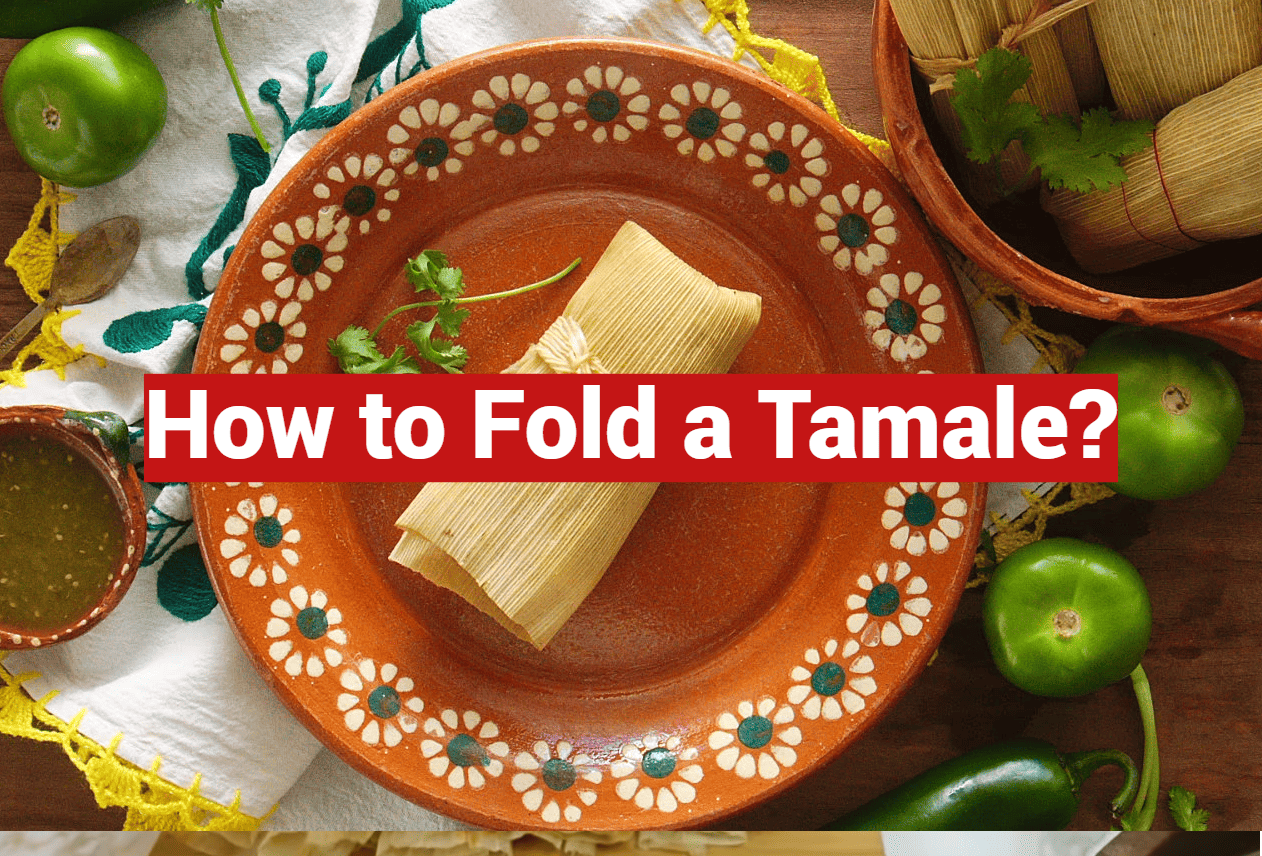
Archaeologists believe people have been enjoying tamales for nearly 9,000 years, making them one of the oldest prepared foods in the world. This incredible history connects you to ancient traditions right in your own home kitchen.
Today, these delicious parcels remain a cornerstone of Mexican cuisine. They are a celebratory food, bringing people together during holidays and family gatherings for generations.
While making tamales might seem complex, the art of wrapping them is quite simple. This guide will walk you through the process with clear, easy-to-follow steps. You will gain the confidence to create beautiful, authentic tamales.
We will explore the cultural significance of these beloved recipes and then master the wrapping technique itself. Whether you are preparing for a special event or simply exploring new recipes, this skill is the key to success.
Making tamales at home is a deeply rewarding experience. It allows you to control ingredients and customize your recipe. Soon, you might even host your own tamalada, sharing this wonderful food with loved ones.
Key Takeaways
- Tamales have a rich history spanning thousands of years.
- They are a traditional food central to Mexican celebrations.
- The wrapping technique is straightforward to learn.
- Mastering this skill allows for homemade, customizable recipes.
- Creating tamales is a rewarding way to connect with culture and family.
- This guide provides all the knowledge needed for success.
Introduction to Tamales and Their Cultural Significance
More than just a meal, tamales represent generations of culinary heritage and community connection. These corn-husk wrapped parcels carry stories of family traditions and festive gatherings.
Overview of Traditional Tamales
At their core, tamales are traditional Mexican food made from corn-based masa dough. The dough gets filled with savory or sweet ingredients before steaming. This creates a delicious, portable meal.
During Christmas Eve and major holidays, these recipes become centerpieces of celebration. Families pass down their unique methods through generations. The process often turns into a social event called a tamalada.
Regional variations showcase incredible diversity across Latin America. From Mexico to Puerto Rico, each area offers distinct interpretations. Fillings range from traditional chicken to vegetarian options like rajas.
| Region | Main Ingredients | Popular Fillings | Special Characteristics |
|---|---|---|---|
| Central Mexico | Masa harina, lard | Chicken in red sauce, pork | Medium-sized, often spicy |
| Northern Mexico | Masa with red chile | Beef, cheese with peppers | Thinner masa, bold flavors |
| Caribbean | Fresh corn masa | Pork, chicken, raisins | Sweet and savory combinations |
| Vegetarian | Vegetable shortening | Beans, peppers, cheese | Lighter, plant-based options |
Key Ingredients and Tools You Will Need
Quality ingredients make authentic tamales. Essential components include masa harina (corn flour), fat, broth, and baking powder. Dried corn husks serve as the traditional wrapper.
Your choice of filling allows for personalization. Traditional meat-based fillings like chicken remain popular. Modern recipes also include vegan options and sweet ones with pineapple.
Having the right tools saves time and effort. A large mixing bowl, electric mixer, and steamer basket are essential. Proper equipment ensures your masa achieves the perfect fluffy texture.
Understanding the Essentials: Corn Husks, Masa, and Fillings
The foundation of authentic tamales lies in mastering three essential components: the wrapper, the dough, and the flavorful center. Each element requires specific preparation techniques that transform simple ingredients into culinary treasures.
Preparing and Hydrating Corn Husks
Dried corn husks serve as the traditional wrapping material for these delicious parcels. You can find these natural leaves in the Latin food aisle of most supermarkets or at specialty international markets.
Proper hydration is crucial for flexible husks. Soak your dried corn husks in warm water for several minutes until they become soft and pliable. Well-hydrated husks won’t crack when folded around your filling.
This preparation step ensures each husk wraps smoothly around the masa. Flexible corn husks also contribute moisture during the steaming process.
Mixing a Fluffy Masa
The heart of every tamale is the corn-based masa dough. Beyond proper seasoning, achieving an incredibly light texture is essential for quality results.
Professional cooks use the “float test” to verify masa readiness. Drop a small amount of dough into cold water—if it floats, your corn mixture has perfect airiness.
Start by beating fat in a mixer until light, then gradually incorporate masa harina and broth. The extended beating time incorporates air into the dough, creating that essential fluffy texture that makes exceptional tamales.
How to Fold a Tamale: Step-by-Step Guide
The assembly process transforms individual components into perfectly wrapped parcels. This hands-on technique turns your prepared ingredients into authentic tamales ready for steaming.
Placing the Masa and Adding the Filling
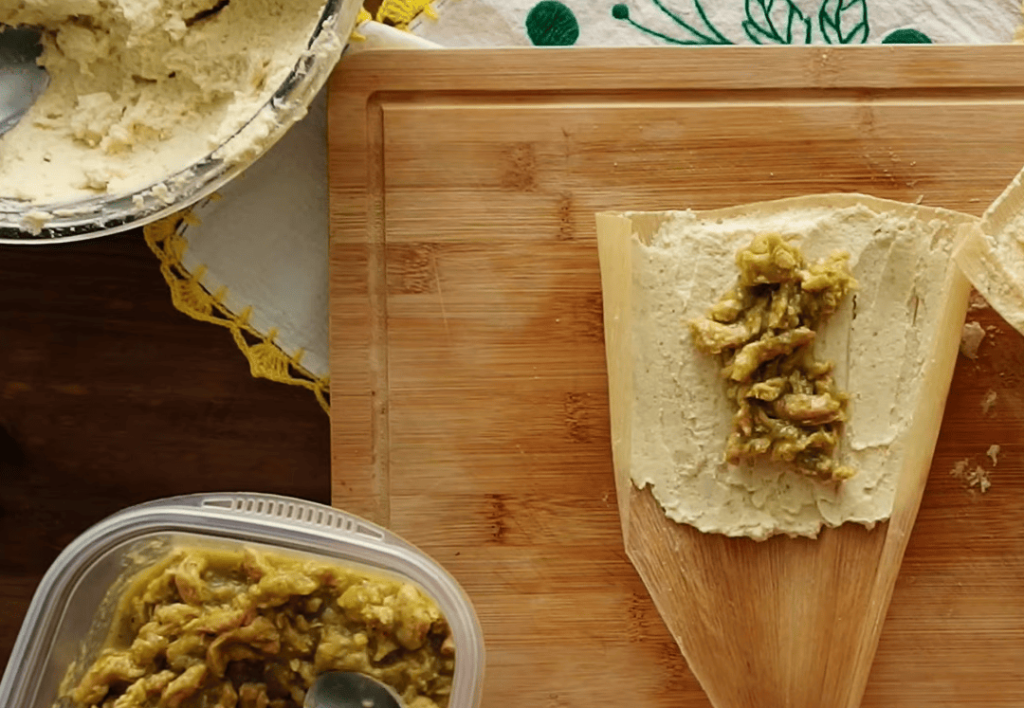
Begin with a hydrated corn husk on your work surface. Position it with the narrow end toward you and the wide end away.
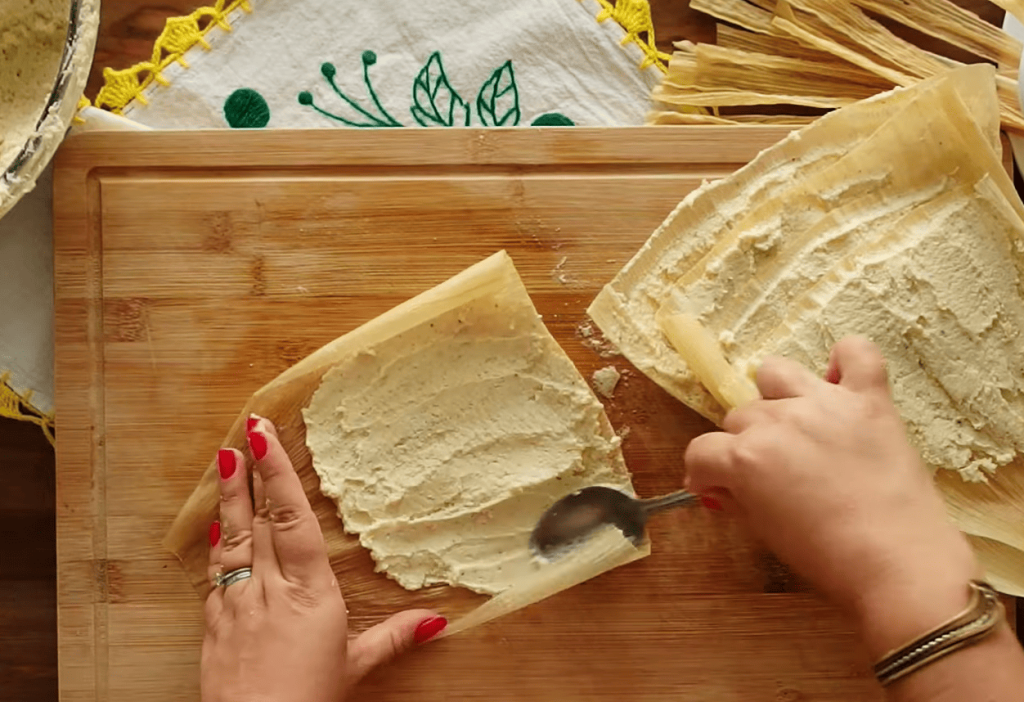
Spread approximately three tablespoons of masa into a 2-3 inch square. Maintain a 1/4-inch thickness and leave a 1/2-inch border on both sides.
Add your chosen filling directly in the center of the masa square. Use about a couple of tablespoons, adjusting based on your husk size.
Folding Techniques for a Perfect Wrap
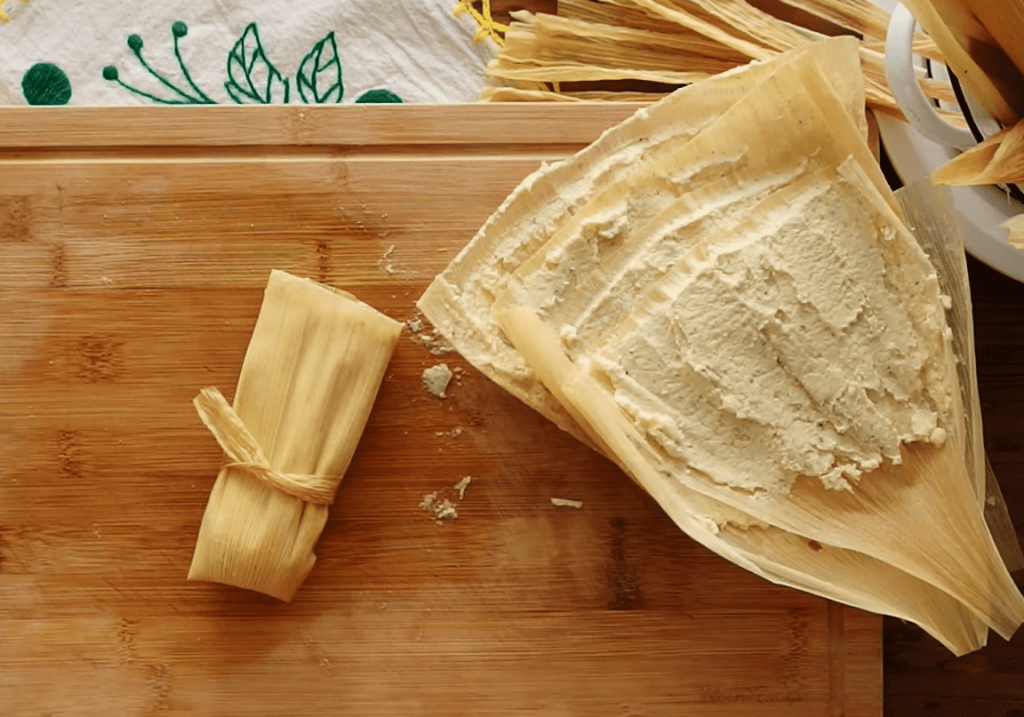
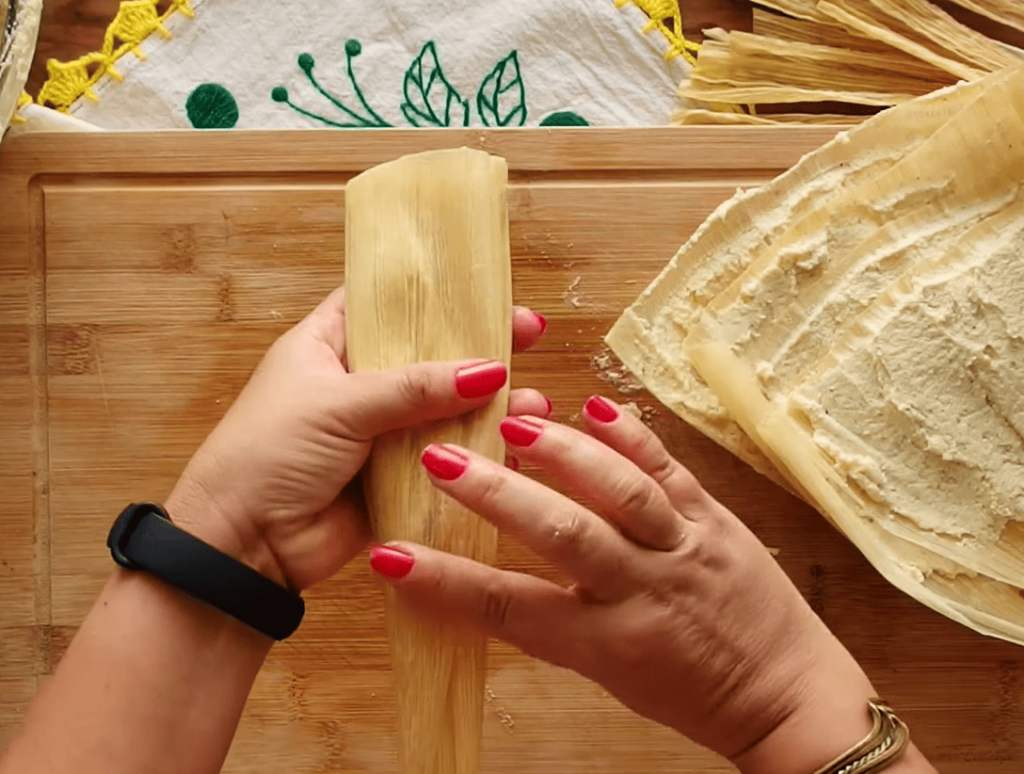
Use both hands to bring the right side of the husk toward the center. Then fold the left side over, creating a neat cylinder.
Gently smooth the sealed tamale with your fingers. Wrap any excess corn husk around the sides for security.
Finally, fold the narrow bottom end upward toward the wide top. Be careful not to squeeze too hard and cause spillage.
| Folding Step | Key Action | Common Mistake | Pro Tip |
|---|---|---|---|
| Masa Placement | Center square with borders | Spreading to edges | Use back of spoon for even layer |
| Filling Addition | Center placement | Overstuffing | Leave room for masa to expand |
| Side Folds | Right then left overlap | Uneven wrapping | Check masa seals completely |
| Bottom Fold | Upward fold | Too tight | Leave steam room at top |
Your first few attempts might take a couple of minutes each. With practice, the motion becomes natural and efficient.
This method ensures each tamale maintains its shape during cooking. Proper folding prevents filling leakage and promotes even steaming.
Hands-On Assembly Tips and Avoiding Common Mistakes
Setting up your workspace strategically transforms tamale assembly from a chore into a pleasure. Proper organization prevents common errors and makes the entire process more enjoyable.
Managing Filling Amounts and Distribution
The most frequent mistake involves using too much filling. Overstuffed tamales often burst during steaming. They also become difficult to wrap properly.
Use about one to two tablespoons of filling depending on your husk size. Place it in the center of your masa square. Never extend it to the edges or top and bottom sides.
Larger husks can handle slightly more amount. Smaller ones need less. Your judgment will improve with practice.
Create an assembly line in your kitchen for efficiency. This approach works whether you’re alone or with helpers. It significantly speeds up the steps when you make tamales at home.
Maintaining the Shape Without Overstuffing
Organize your workspace with all components within reach. Keep prepared corn husks on one side. Place your masa dough in the center with filling nearby.
Designate an area for completed tamales. This setup lets you move smoothly through the process. You avoid unnecessary movement around your kitchen.
Consider inviting people to help with your tamale project. Some can spread masa while others add filling. Different hands can handle the folding steps.
If your tamales lose shape, check your filling amount. Ensure your masa has proper consistency. Use gentle but firm hands when securing the husk.
Remember that even experienced makers create imperfect ones. Don’t worry if your first attempts aren’t perfect. The taste will still be delicious, and your technique will improve.
Steaming Your Tamales: From Assembly to Serving
Your perfectly wrapped tamales now enter their final transformation through the gentle power of steam. This cooking method gently cooks the masa while keeping the filling moist and flavorful.
Setting Up Your Steamer or Tamalera
You can use a traditional tamalera or any large pot with a steaming basket. Add hot water to the bottom, keeping the level just below the basket.
Line your steamer with soaked corn husks to prevent sticking. Arrange your tamales vertically with the open end top facing up.
Try the traditional coin trick for water monitoring. Drop a coin in the water – it will clink loudly when you need to add more.
| Steaming Method | Water Level | Preparation Time | Best For |
|---|---|---|---|
| Traditional Tamalera | Just below basket | 50-90 minutes | Large batches |
| Large Pot with Colander | Below colander | 60-75 minutes | Smaller quantities |
| Instant Pot | 1 cup water | 25-30 minutes | Quick preparation |
Timing and Resting for Optimal Texture
Steam your tamales for 50-90 minutes depending on size. They’re ready when the husk peels away easily.
Let them rest for one full hour before serving. This resting time ensures the masa firms up properly.
Finished tamales stay warm in the steamer for 1-2 hours. You can also refrigerate or freeze them for later enjoyment.
Conclusion
Creating perfect tamales is a rewarding journey that connects you to generations of tradition. You have mastered each essential step, from preparing corn husks to achieving fluffy masa dough.
Now you can explore different recipes and fillings like savory chicken or sweet options. Remember the key techniques: proper hydration, measured filling amounts, and correct steaming minutes.
Turn your kitchen into a social space by inviting people to help. This tradition makes large batches enjoyable. Your homemade food also makes wonderful gifts for loved ones.
Store extra tamales in the refrigerator or freezer for future meals. Each batch you make improves your skills. Continue this beautiful tradition for years to come!