
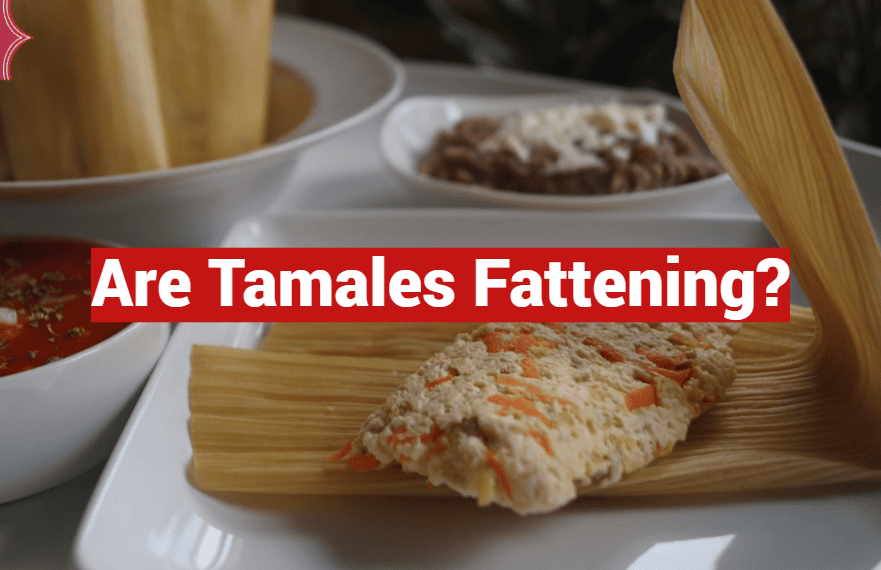
Did you know that a single traditional tamale can contain a surprisingly balanced mix of carbohydrates, protein, and healthy fats? This beloved food is often misunderstood. Many fear it will harm their wellness goals.
Let’s clear the air right away. This delicious dish is not inherently bad for you. Understanding its nutrition is the key to enjoying it guilt-free. You can savor this cultural staple and maintain your health.
This article will explore the complete nutritional profile of this festive favorite. We will look at how it fits into various diets. You will also get practical tips for enjoying it during any holiday gathering. This information empowers people to make smart choices.
Food is more than just numbers on a label. These wrapped bundles carry deep cultural meaning. They bring families together. We will celebrate the tradition while providing evidence-based nutrition facts. It’s time to enjoy this wonderful food with confidence and joy.
Key Takeaways
- Tamales are not automatically unhealthy or weight-gain promoters.
- Knowledge of their ingredients and portions is crucial for a balanced diet.
- This traditional dish offers more than just calories; it has cultural importance.
- You can include them in various eating plans with mindful preparation.
- Debunking common myths allows for a healthier relationship with cultural foods.
- Practical strategies exist for enjoying tamales without sacrificing health goals.
Introduction to Tamales and Their Cultural Significance
Centuries before modern kitchens, ancient Mesoamerican civilizations crafted a portable feast that would become a cultural cornerstone. The Mayans, Incas, and Aztecs all enjoyed this practical food. It fueled warriors and travelers and played a part in ceremonial occasions.
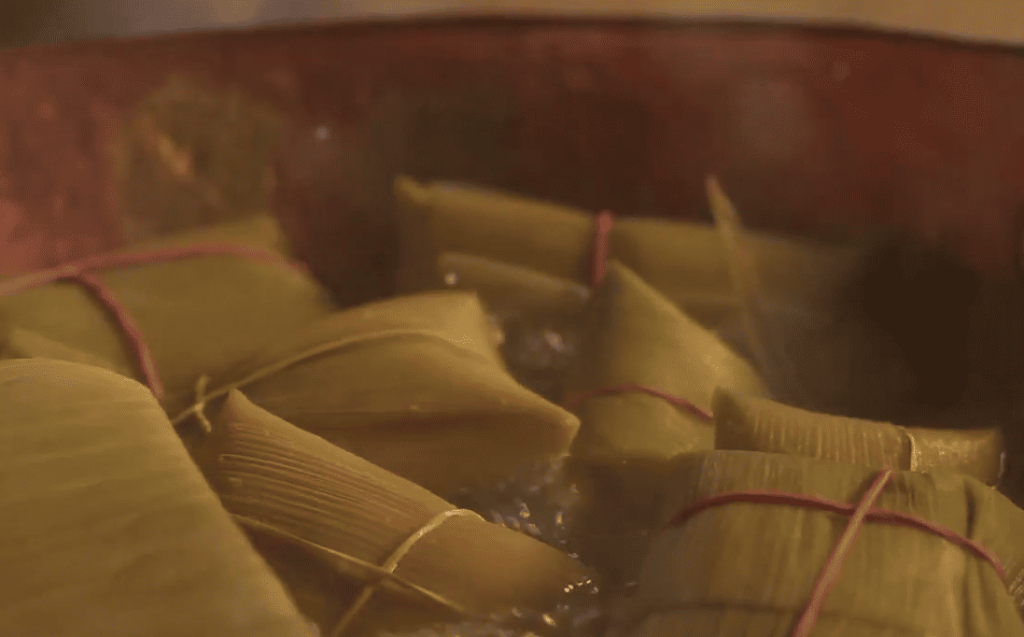
The foundation of this tradition is corn, or maize. This grain was sacred to indigenous cultures. It remains a vital ingredient today. The process starts with nixtamalized corn, which is ground into a pliable masa dough.
This dough is filled with meats, cheeses, or vegetables. It is then wrapped in a corn husk or banana leaf and steamed. This cooking way creates a uniquely tender texture.
Making these bundles is often a joyful, multi-generational family event. It is a way to pass down recipes and strengthen bonds.
The diversity of this dish is astounding. Across Mexico, each region boasts its own version.
- Oaxaca offers spicy tamales rich with mole sauce.
- The Yucatan Peninsula features versions seasoned with achiote.
This variety shows the dish’s amazing adaptability. It is more than sustenance; it is a celebration of heritage and community.
Are Tamales Fattening? Debunking the Myths
Many people wonder if these traditional wrapped delights will derail their diet goals. The truth is simple: no single food automatically causes weight gain. These cultural favorites can fit perfectly into a balanced eating pattern.
A typical medium tamale contains approximately 250 calories. This represents just 10-12% of an adult’s daily needs. For perspective, this equals about three baked chicken tenders.
The calorie content varies by size. A small version has around 200 calories, while a large one might reach 300. Understanding these ranges helps with portion control.
Fat in the masa and fillings provides important benefits. It creates satiety and supports vitamin absorption. The key is mindful consumption rather than avoidance.
Enjoy one or two as part of a balanced meal with vegetables. This approach makes them a reasonable serving. You can savor this tradition without guilt or worry.
Nutritional Benefits of Tamales
The nutritional profile of this cultural favorite reveals a surprisingly balanced combination of essential nutrients. These steamed bundles deliver substantial health advantages beyond their delicious taste.
Rich Fiber and Balanced Macronutrients
Each serving provides all three macronutrients in harmony. Carbohydrates offer sustained energy, while protein supports tissue repair. Healthy fats aid nutrient absorption.
The fiber content stands out as particularly impressive. A single corn version delivers 5 grams of fiber, meeting 18% of daily needs. This supports healthy digestion and cholesterol management.
Most Americans fall short on fiber recommendations. Including these traditional dishes helps bridge this gap effectively.
Micronutrients and Health-Supporting Vitamins
The nixtamalization process enhances vitamin bioavailability. Vitamin B3 (niacin) becomes more absorbable, supporting energy conversion.
Various fillings contribute different micronutrient profiles. Meat versions boost iron levels for oxygen transport. Vegetable additions provide potassium and folate.
| Nutrient | Amount per Serving | % Daily Value | Health Benefit |
|---|---|---|---|
| Fiber | 5g | 18% | Digestive health |
| Potassium | 309mg | 7% | Blood pressure |
| Iron | 0.9mg | 5% | Oxygen transport |
| Calcium | 40mg | 3% | Bone strength |
| Niacin (B3) | 1.3mg | 8% | Energy production |
This combination creates synergistic health benefits. Stable energy levels and overall wellness improve with regular enjoyment.

Tamales and Healthy Eating: Diabetes and Cholesterol Considerations
For individuals managing specific health conditions, this traditional dish offers both benefits and points for mindful consideration.
Understanding its impact on blood sugar and heart health is empowering.
Managing Blood Sugar with Resistant Starch
Filled versions can be an excellent choice for blood sugar control. The combination of fiber and protein slows digestion.
This action prevents rapid spikes in glucose levels. These steamed bundles are a good source of resistant starch.
This special type of carbohydrate is not fully digested. The nixtamalization process increases this beneficial compound.
It supports stable blood sugar and gut health.
Understanding Saturated Fat and Heart Health
Regarding cholesterol, the high fiber content is helpful. It can aid in managing levels.
However, traditional preparation often includes saturated fat. The key is your overall diet and fat intake for the day.
Nutrition does not have to be all-or-nothing. Enjoy this food mindfully within your daily calorie needs.
| Health Consideration | Key Benefit | Point for Mindful Intake |
|---|---|---|
| Blood Sugar Management | High in fiber & resistant starch | Pair unfilled versions with protein |
| Cholesterol Levels | Fiber supports heart health | Be aware of saturated fat content |
| Overall Diet | Fits into a balanced eating pattern | Focus on portion size and frequency |
Comparing Different Tamale Varieties and Fillings
Not all tamales are created equal when it comes to their health benefits. The filling dramatically changes the nutritional profile of each tamal.
Pork and chicken varieties share remarkable similarities. Both contain around 244 calories per serving. They provide 10-11 grams of protein with balanced carbohydrates.
Chicken versions offer more vitamin C due to tomato-based sauces. This makes them a superior source of this essential nutrient.
Unfilled corn tamales differ significantly. They contain more carbohydrates but less protein. This makes them less satisfying alone.
Cheese-filled options provide the highest protein content. However, they also contain more saturated fat. Sweet fruit tamales serve better as occasional treats.
The best choice depends on your nutritional needs. Meat-filled varieties work well for balanced meals. Cheese options suit those prioritizing protein intake.
Consider your health goals when selecting your next tamal. Each filling offers unique advantages for different dietary preferences.
Traditional Ingredients and Preparation Techniques
The magic of authentic tamales begins with an ancient transformation of humble corn. This traditional process creates the foundation for everything that follows.
Nixtamalization and Nutrient Bioavailability
Dried corn undergoes nixtamalization, soaking in an alkaline solution. This ancient technique makes the corn easier to grind into smooth masa dough.
The process dramatically improves nutrition. It increases niacin bioavailability, helping your body absorb more vitamin B3. Resistant starch content also rises, benefiting blood sugar control.
Natural corn husks play a crucial role in preparation. These dried leaves wrap the dough, keeping it moist during steaming. They impart subtle flavor while being completely biodegradable.
Role of Lard Versus Healthier Oil Alternatives
Traditional lard gives tamales their characteristic fluffy texture. Many families cherish this rich flavor passed through generations.
Historically, pre-Hispanic versions used different fats. Pigs and lard arrived later with Spanish colonization.
Modern cooks have flexible options. Vegetable oil alternatives like olive or avocado oil reduce saturated fat significantly. Blending fats creates balance between tradition and health preferences.
| Fat Source | Saturated Fat Content | Texture Result | Best For |
|---|---|---|---|
| Traditional Lard | Higher | Fluffy, rich | Authentic flavor |
| Olive Oil | Lower | Light, moist | Heart health focus |
| Blended Fats | Moderate | Balanced | Compromise approach |
Steaming completes the preparation way. This method preserves nutrients without adding extra fats. It creates the tender texture that makes these wrapped delights so special.
Building a Balanced Meal Around Tamales
Creating a satisfying meal with these traditional favorites is simpler than you might think. Think of your plate as having five key components: energy-giving carbohydrates, muscle-supporting protein, hormone-healthy fats, digestion-aiding fiber, and vitamin-rich vegetables.
These wrapped delights naturally provide several of these elements. The masa offers carbohydrates and fiber, while the preparation adds fat. This makes them an excellent foundation.
The key to balance is ensuring adequate protein and vegetables. This can come directly from the filling. Meat varieties are a good source of protein. You can also add these elements as a side.
For a complete meal, try pairing one chicken and one cheese-poblano version. Top them with fresh salsa for extra vegetables. Add a small cabbage salad on the side. If enjoying plain corn versions, include beans as your protein source.
Easy vegetable additions make meals more vibrant. Consider shredded cabbage, radish slices, or avocado. These colorful toppings boost nutrient intake beautifully.
Focus on adding nutritious foods rather than restricting anything. One or two servings as part of a meal with vegetables and beans creates satisfying nutrition. This way of eating supports your diet goals deliciously.
Conclusion
This beloved cultural dish stands as a testament to balanced eating across centuries. Traditional tamales offer impressive health benefits when enjoyed mindfully.
Each variety brings unique strengths. Whether you prefer pork, chicken, or vegetable fillings, every tamal provides valuable nutrition. They represent a good source of fiber and essential nutrients.
Beyond their nutritional profile, these traditional bundles connect us to heritage. They bring family together during special occasions. This food nourishes both body and spirit.
Reject restrictive diet messages that fear cultural foods. Instead, embrace these delicious creations with confidence. Build balanced meals around your favorite versions.
Most importantly, savor each bite during holiday gatherings or everyday meals. This way of eating honors tradition while supporting wellness. Let joy guide your food choices.