
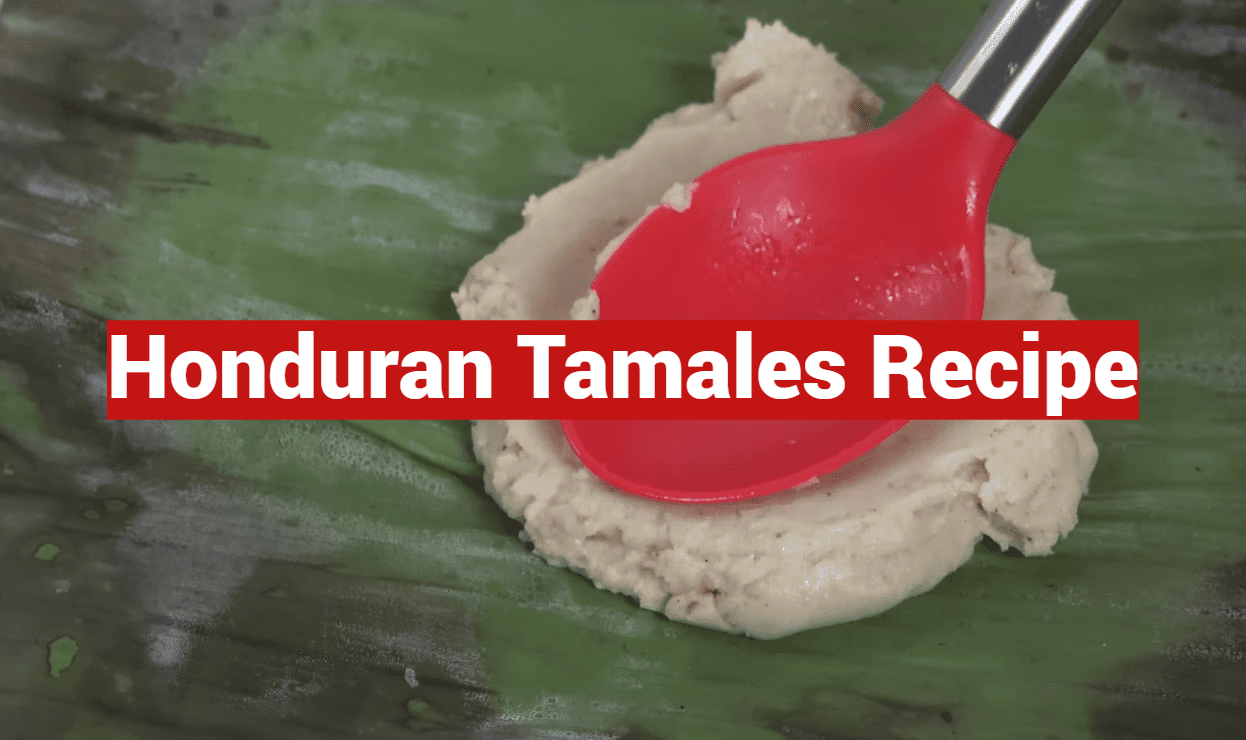
In Honduras, families typically make over 100 tamales at a time during holiday seasons. This staggering number reflects how deeply this dish is woven into the fabric of family gatherings and celebrations.
Unlike other Latin American versions, these parcels stand out for their generous fillings. They combine seasoned meats, vegetables, rice, and surprising touches like olives and raisins. Each bite offers a complex flavor journey.
The process of making this traditional dish often becomes a cherished family event. Multiple generations gather in the kitchen, sharing stories and laughter while dividing the tasks. This transforms cooking into a meaningful communal experience.
Our comprehensive guide walks you through every step with clarity. You’ll learn to prepare the corn masa, wrap the parcels in aromatic banana leaves, and steam them to perfection. We provide all the guidance needed for authentic results.
Whether reconnecting with your heritage or exploring new cuisines, this recipe delivers genuine flavors. You’ll gain the confidence to create tamales that honor tradition while making them your own.
Key Takeaways
- Honduran tamales feature unique fillings with olives, capers, and raisins
- The cooking process is traditionally a multi-generational family activity
- Banana leaves provide distinctive aroma and flavor
- Proper steaming technique is crucial for perfect texture
- This dish holds deep cultural significance in Honduran celebrations
- Making large batches is common for sharing with family and friends
- The recipe can be adapted while maintaining authentic flavors
Introduction to Honduran Tamales
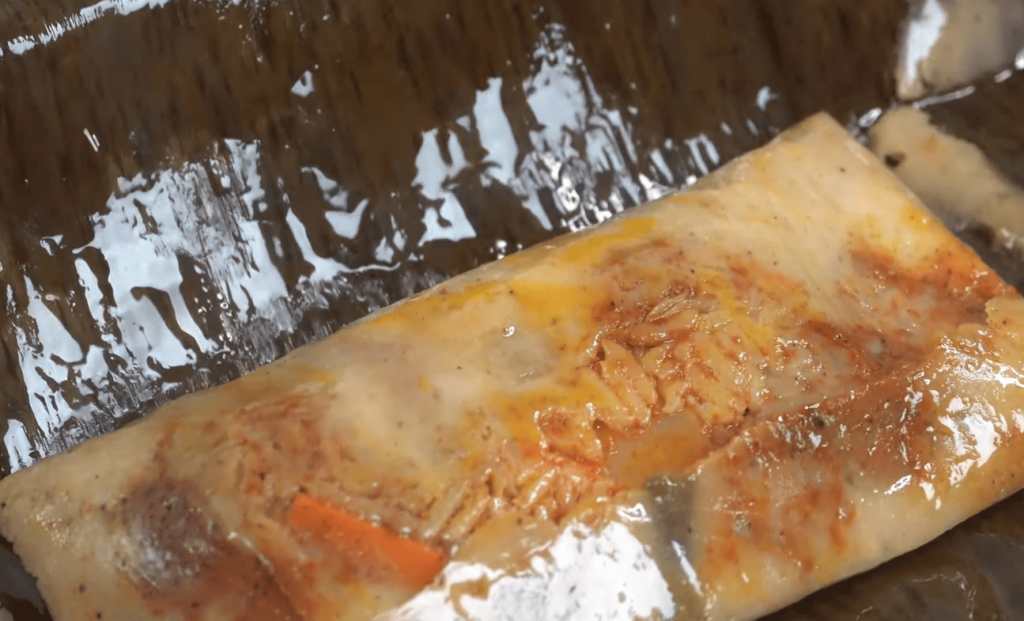
The first clue to this recipe’s uniqueness lies in the vibrant green leaves used for wrapping. Unlike many similar dishes, this version embraces banana leaves instead of traditional corn husks. This choice creates a distinct aromatic experience.
What Makes This Recipe Unique
These parcels stand apart through their generous approach to ingredients. The corn masa forms a rich base, enriched with savory stock. This creates a tender foundation for the abundant filling.
The filling itself is remarkably complex. It combines seasoned chicken or pork with vegetables, rice, and surprising additions. Olives, capers, and sometimes raisins create delightful flavor contrasts.
This recipe represents a beautiful culinary fusion. It blends indigenous traditions with Spanish influences. The result is a dish that tells a story with every bite.
An Overview of the Flavor Profile
When you unwrap one of these creations, the aroma is intoxicating. Earthy notes from the banana leaves mingle with savory spices. The experience engages all your senses before the first taste.
The flavor journey continues with each component. Tender meat, soft masa, and crisp vegetables create wonderful texture contrasts. Sweet, salty, and savory elements balance perfectly.
| Ingredient Type | Honduran Version | Mexican Version | Nicaraguan Nacatamal |
|---|---|---|---|
| Wrapping Material | Banana leaves | Corn husks | Banana leaves |
| Base Ingredients | Corn masa + stock | Corn masa | Corn masa + potatoes |
| Protein Options | Chicken, pork | Pork, chicken | Pork, chicken |
| Unique Additions | Olives, capers, raisins | Chiles, salsa | Prunes, mint |
| Typical Quantity | 10+ ingredients | 5-7 ingredients | 14+ ingredients |
This comparison shows why these parcels are so special. They offer a complete meal experience in one package. The complexity reflects the rich culinary heritage behind them.
The Rich History and Cultural Significance
The story of these beloved food packages begins thousands of years ago with the indigenous peoples of Mesoamerica. This traditional dish carries deep cultural meaning that has evolved while maintaining its core identity.
Ancient Roots and Traditions
Ancient civilizations valued corn as a sacred crop. They developed tamales as portable, nourishing meals for warriors and travelers. The preparation process reflected their deep connection to agriculture.
Over time, regional variations emerged based on local ingredients. Tropical climates favored banana leaves over corn husks. This adaptation created distinct regional characteristics.
Family Gatherings and Celebrations
Today, making these parcels brings families together during special occasions. The entire family participates in a cherished tradition. Grandmothers teach grandchildren secret techniques passed through generations.
Holiday seasons transform kitchens into hubs of activity. Multiple generations work side by side, sharing stories and laughter. This family time strengthens bonds while preserving culinary heritage.
| Preparation Aspect | Ancient Methods | Modern Methods |
|---|---|---|
| Corn Processing | Hand-ground with stone tools | Commercial masa harina |
| Wrapping Material | Local leaves based on region | Banana leaves widely available |
| Preparation Time | Multi-day community process | Streamlined single-day approach |
| Cooking Equipment | Earthenware over open fire | Modern steamers and pots |
| Social Context | Community subsistence activity | Family celebration tradition |
Essential Ingredients for Authentic Honduran Tamales
Gathering the right components is the first step toward creating these authentic parcels. Quality ingredients make all the difference in achieving that traditional flavor profile.
Masa, Meat, and Vegetables
The foundation begins with corn masa harina. You’ll need about 500 grams mixed with warm chicken stock. Add lard or vegetable shortening for richness.
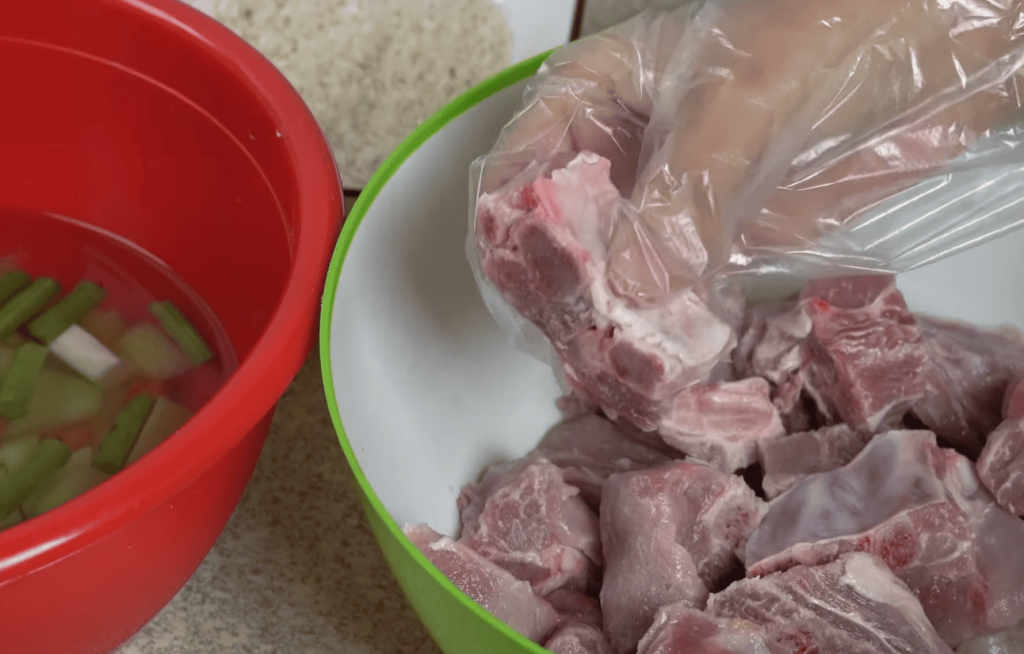
For the protein, choose either chicken or pork. Cook and shred about 400 grams. Sauté it with diced tomato, onion, and green pepper.
Vegetable additions include cooked rice, diced potatoes, and carrots. These provide wonderful texture contrasts. Don’t forget salt and spices for seasoning.
Special Touches: Banana Leaves and Spices
Banana leaves are essential for authentic wrapping. Soften them over heat to make them pliable. This creates the distinctive aroma.
The spice blend features garlic and cumin for depth. Add paprika and black pepper for complexity. Tomato paste helps bind the filling together.
Special additions like olives, capers, and optional raisins create flavor surprises. Each bite offers something unique.
Preparing the Masa to Perfection
Achieving the ideal masa texture requires careful attention to ingredient ratios and mixing techniques. This foundation determines your final product’s quality and authenticity.
Mixing Ingredients for a Smooth Dough
Begin by beating lard in a large bowl until it becomes light and creamy. This step incorporates air for a tender texture. Gradually add masa harina while alternating with warm chicken broth.
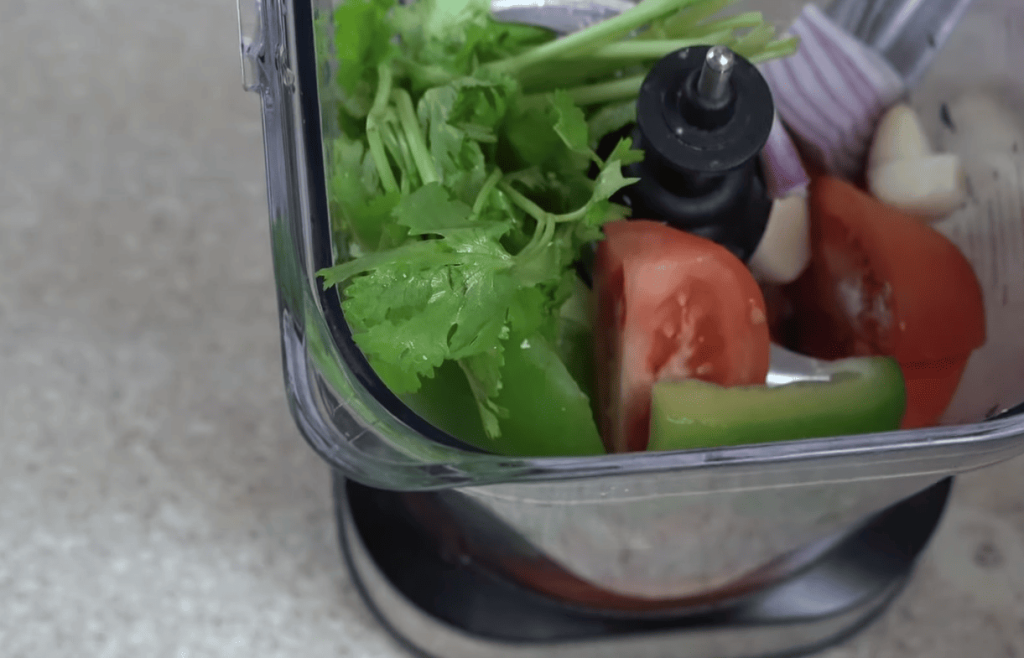
For enhanced flavor, blend water with bell pepper, cilantro, and chicken bouillon. Incorporate this seasoned liquid into your mixture. Add achiote powder for traditional golden-orange color.
The perfect consistency should be smooth and slightly sticky. Your dough should spread easily but hold its shape. Adjust with extra broth or masa flour as needed.
| Consistency Issue | Likely Cause | Solution | Expected Result |
|---|---|---|---|
| Too dry and crumbly | Insufficient liquid | Add warm broth gradually | Smooth, spreadable texture |
| Too runny | Excess liquid | Mix in more masa harina | Firm, shape-holding dough |
| Lumpy texture | Inadequate mixing | Beat vigorously or use blender | Uniform, smooth mixture |
| Doesn’t hold shape | Wrong fat-to-masa ratio | Adjust lard and masa amounts | Perfect workable consistency |
Some traditional methods involve cooking the masa mixture briefly. This pre-cooks the dough slightly for easier handling. Cover your finished masa with a damp cloth to prevent drying.
Wrapping with Banana Leaves: Techniques and Tips
Working with natural banana leaves requires specific handling methods for optimal results. Proper preparation ensures your parcels stay securely wrapped throughout the cooking process.
Proper Softening and Handling
Begin by cleaning each leaf thoroughly with a damp cloth. Remove any dirt or debris before cutting into 12-inch squares. This size provides ideal wrapping surface area.
Softening the leaves makes them flexible enough to fold without tearing. Lightly heat them over an open flame or dry skillet for just a few seconds. The leaves will become glossy and pliable when ready.
This heating process enhances their natural aroma. Your kitchen will fill with an earthy, slightly smoky scent. The fragrance infuses your creation during steaming.
| Heating Method | Time Required | Best For | Special Considerations |
|---|---|---|---|
| Open Flame | 2-3 seconds per side | Quick preparation | Watch for scorching |
| Dry Skillet | 10-15 seconds per side | Even softening | Medium heat works best |
| Comal/Grill | 5-8 seconds per side | Traditional approach | Provides slight smokiness |
If a leaf develops holes during softening, layer two leaves together. This prevents filling leakage during cooking. Keep softened leaves under a damp cloth to maintain flexibility.
The traditional folding technique creates neat rectangular packages. Place filling in the center, fold sides inward first, then top and bottom. Secure with kitchen string or leaf strips for steaming.
Step-by-Step Cooking Process
Transforming separate components into finished packages is surprisingly meditative. The assembly process follows a rhythmic pattern that becomes intuitive with practice.
Assembling the Tamale
Lay a softened banana leaf square on your work surface. Spoon about 3 tablespoons of masa into the center, spreading it into a rectangle.
Add approximately 2 tablespoons of your meat filling on top of the masa base. Include rice, vegetables, and special touches like olives.
Fold the leaf sides inward first, then bring the top and bottom over the filling. Create a tight rectangular package resembling a wrapped gift.
Steaming and Checking Doneness
Arrange your wrapped tamales upright in a large steamer or pot. Add enough water to reach just below the rack.
Cover with extra banana leaves and a tight-fitting lid. Steam for 1½ to 2 hours over medium heat, checking the water level every 30 minutes.
Your tamales are ready when the masa feels firm and separates easily from the leaf. Let them rest for 10 minutes before serving.
Follow these cooking instructions carefully for perfect results every time. The steaming process infuses wonderful flavors throughout each parcel.
Mastering Honduran Tamales: Tips and Variations
Once you’ve mastered the basic technique, exploring variations can make this recipe even more rewarding. The traditional approach offers a solid foundation, but don’t be afraid to experiment with your own creative touches.
True mastery comes from understanding how each component contributes to the final result. This knowledge empowers you to make smart substitutions while preserving authentic flavors.
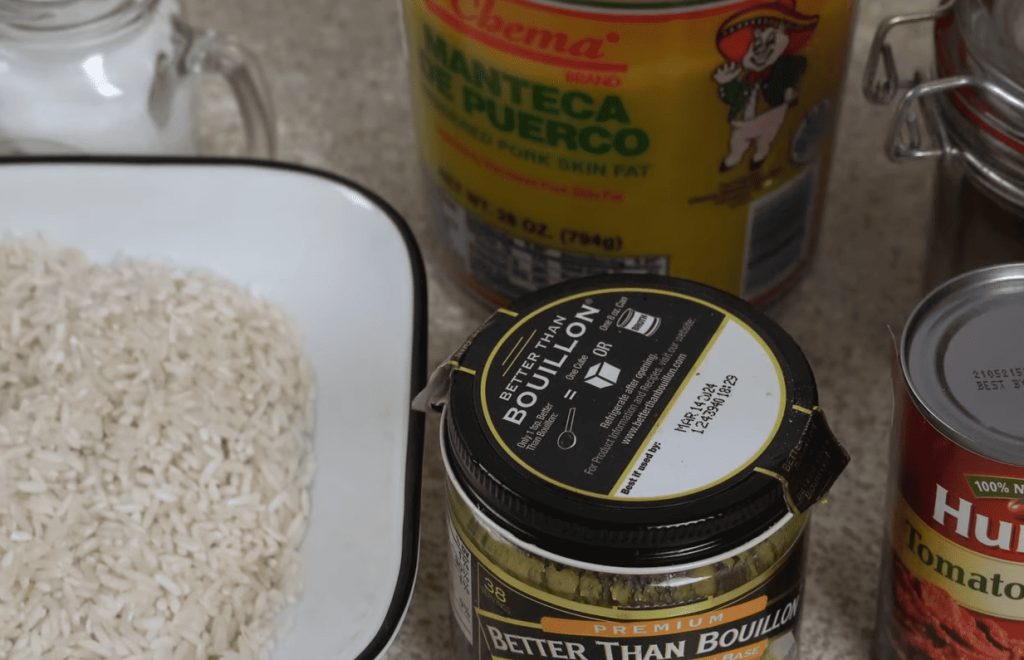
Substitution Options and Flavor Boosters
Protein choices offer excellent flexibility in this recipe. While chicken and pork are traditional, shredded beef creates a heartier version. For vegetarian tamales, use seasoned vegetable mixtures with beans or cheese.
The masa foundation also adapts well to preferences. If you avoid lard, vegetable shortening or butter works beautifully. Corn harina mixed with warm broth creates the perfect mixture every time.
“The best cooks know that tradition provides guidance, not rigid rules. Adapting recipes to available ingredients shows true culinary skill.”
| Traditional Ingredient | Best Substitute | Flavor Impact | Preparation Notes |
|---|---|---|---|
| Banana leaves | Parchment paper | Lighter aroma | Still provides moisture barrier |
| Achiote powder | Paprika + turmeric | Similar color | Use 2:1 ratio for golden hue |
| Lard | Vegetable shortening | Lighter texture | Cream thoroughly for best results |
| Chicken/pork | Seasoned vegetables | Vegetarian option | Sauté well to remove moisture |
Enhance flavors by using homemade broth instead of store-bought. Add extra cumin for earthiness or a touch of oregano. A small amount of chili powder in the meat mixture adds pleasant heat.
The cooking process benefits from a few expert tips. Always use warm liquid when mixing masa. Steam with extra leaves on top to lock in moisture. Rest finished parcels for 10 minutes to firm the texture.
Experiment with different oil combinations or additional vegetable options. Green beans, zucchini, or roasted peppers add wonderful variety. Each adjustment makes the recipe uniquely yours.
Nutritional Information and Serving Ideas
The serving suggestions for this recipe enhance both the flavor and nutritional benefits of each component. Understanding how to present and pair your creation makes the dining experience more authentic and enjoyable.
Serving Suggestions and Pairings
Serve these parcels warm in their banana leaves for traditional presentation. The unwrapping process creates an aromatic reveal at the table.
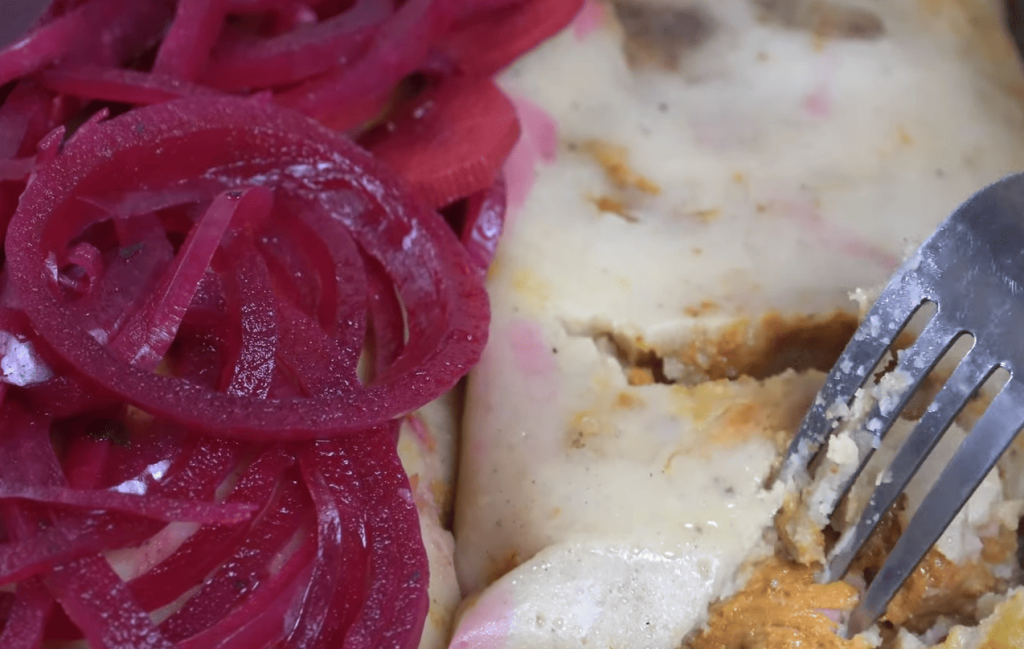
Complement the rich flavors with light, tangy sides. Curtido (pickled cabbage) adds refreshing crunch. A simple salad with diced tomato, onion, and pepper dressed with lime juice cuts through the richness beautifully.
For beverages, consider Honduran coffee or horchata. These drinks balance the meal’s hearty character. Keep hot sauce and sour cream available for customizing each serving.
Calorie and Ingredient Breakdown
Each serving provides approximately 1,054 calories with a balanced nutritional profile. You get 43 grams of protein from the chicken, 123 grams of carbohydrates, and 45 grams of fat.
The dish delivers significant vitamins and minerals. It contains 11 grams of fiber, Vitamin A (3,163 IU), and Vitamin C (31mg). The sodium content is 926mg per serving.
For storage, refrigerate for up to 5 days or freeze for 3 months. Reheat in your steamer for 15-20 minutes. Follow these instructions for perfect results every time.
Conclusion
Mastering the art of these banana leaf-wrapped delicacies connects you to generations of family cooks. You’ve learned the essential techniques for creating authentic Honduran tamales that honor tradition while allowing for personal creativity.
The process transforms simple ingredients into something truly special. From preparing the perfect corn masa dough to crafting a flavorful filling, each step builds toward a memorable dish. The aromatic banana leaves add that distinctive touch that makes this recipe unique.
Remember that this culinary tradition thrives on adaptation. Feel free to adjust the filling to suit your family‘s tastes while keeping the core elements intact. The shared experience of making these parcels often becomes as meaningful as enjoying the final result.
Your journey with this recipe is just beginning. As you gain confidence, you’ll develop your own rhythm and special touches. Carry this beautiful tradition forward, creating meals that bring people together for years to come.